
Vegetables
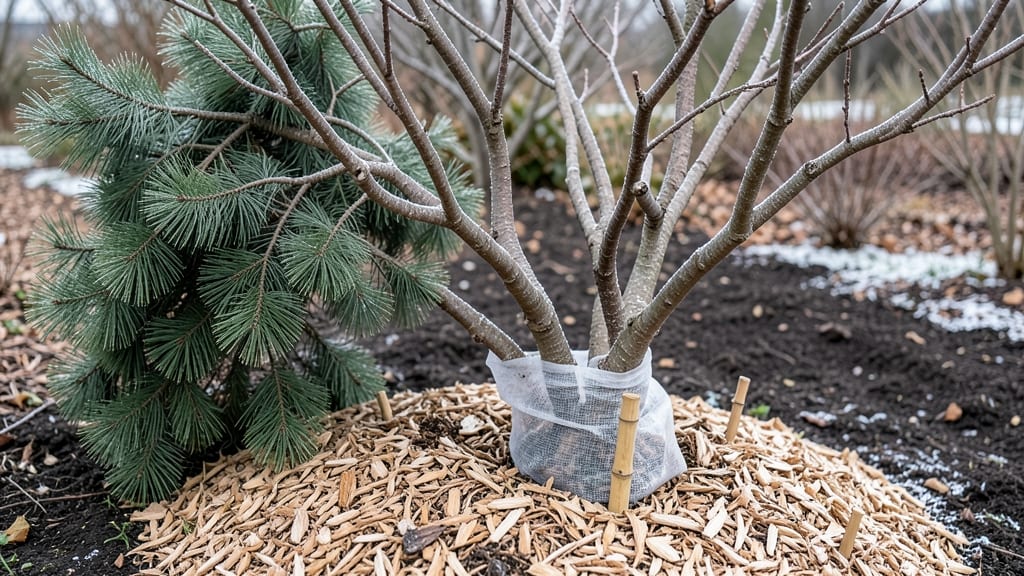
Shrub winter protection transforms your shrubs from frost victims into resilient powerhouses. 🌿 I've watched my hydrangeas and lilacs go from ragged, wind-blasted messes to lush, productive bushes—just by timing cuts right and shielding them from late freezes. The key is working after the worst cold snaps but before new growth starts, when the plant’s energy is still dormant but ready to rebound.
You’ll need sharp pruners, frost cloth or burlap for wrapping, and a 2-3 inch layer of mulch around the base. Skip the heavy gloves—cold hands make sloppy cuts. Focus on removing dead wood first, then shape the shrub by cutting back to outward-facing buds.
This isn’t about aesthetics; it’s about letting light and air circulate so the plant can heal properly before spring.
By early March, your shrubs will be hardened against late frosts and ready to burst into growth. The mulch insulates roots, while the pruning opens up the canopy to prevent snow mold.
I’ve seen shrubs that would’ve died in winter now thriving for 10+ years with this simple routine—even in Zone 4.
Works for almost any deciduous shrub, from roses to serviceberry. Just avoid pruning evergreens like boxwoods until late spring. Here’s how to do it without overcomplicating things.
📚 In This Guide
- What you need
- Instructions
- Tips and common mistakes
- Wrapping up and next steps
What you need
- ● Pruning shears or loppers – Choose bypass pruners (for clean cuts) or loppers (for thicker canes, 1.5"–2" cutting capacity). Quantity: 1–2 per person.
- ● Heavy-duty gloves – Opt for gardening gloves with reinforced palms (thorn-resistant if needed). Quantity: 1 pair.
- ○ Disinfectant (70% rubbing alcohol or bleach solution) – Ratio: 1 part bleach to 9 parts water. Optional: Use a pruning sealant for larger cuts.
- ● Burlap or frost cloth – For wrapping vulnerable canes. Size: Enough to wrap entire shrub (e.g., 3’x5’ sheet for small shrubs).
- ● Twine or plant ties – Width: ¼"–½" for securing burlap/frost cloth.
- ○ Sharpie or permanent marker – For labeling pruned sections (optional but helpful).
- ● Mulch (straw, wood chips, or pine needles) – Apply 2–3 inches around the base post-pruning.
- ● Anti-desiccant spray – Protects leaves from winter drying (e.g., Wilt-Pruf).
- ● Extension pole – For reaching high canes without straining.
- ● Wheelbarrow or bucket – For collecting pruned debris.
Step-by-step late-winter pruning for cold-resistant shrubs
Here’s how to prep your hardy shrubs for spring while protecting them from late frosts.
🌿 Step 1: Inspect and Remove Winter Damage
Start by examining each shrub for signs of winter stress—look for brown, mushy stems or peeling bark, which indicate frost damage or sunscald. Use pruning shears to cut back any dead or damaged branches at a 45-degree angle, about ¼ inch above a healthy bud or lateral branch. This prevents water from pooling and encourages new growth.
I always check the base of the shrub first—if the trunk feels soft or oozes sap when pressed, it’s a sign of winter injury. Remove only what’s clearly dead; hesitant cuts can weaken the plant. For thick branches, use loppers instead of shears to avoid tearing the bark.
✂️ Step 2: Thin Out Overcrowded Branches
Next, focus on structural pruning to improve airflow and sunlight penetration. Remove 10-20% of the oldest, thickest branches at their base, cutting just above a healthy outward-facing bud. This prevents overcrowding and reduces stress on the shrub’s root system during late-winter thaw cycles.
Watch for branches that cross or rub—these create wounds that invite disease. If a branch is completely shaded by others, it’s a candidate for removal. For multi-stemmed shrubs like dogwood, aim to keep 3-5 strong, evenly spaced canes to maintain balance. Thin gradually over 2-3 years if needed.
☀️ Step 3: Shape for Light Exposure
Now’s the time to refine the shrub’s shape by selectively trimming back overly long or leggy branches. Cut just above a bud that faces outward to encourage fuller growth. Avoid heavy pruning—never remove more than ⅓ of the shrub’s volume in one season, or you risk stressing the plant before spring flush.
Step back frequently to visualize the shrub’s silhouette. Your goal is to create an open center that lets light reach the interior. For flowering shrubs, prune right after blooming to preserve next year’s flowers—late-winter is ideal for non-flowering varieties like boxwood or holly.
🪴 Step 4: Apply Mulch and Protect Tender Areas
After pruning, add a 3-inch layer of organic mulch (like shredded bark or pine needles) around the base, keeping it 6 inches away from the trunk. This insulates roots from late frosts and retains moisture as temperatures fluctuate. For extra protection, wrap young or newly planted shrubs with burlap or frost cloth, securing it loosely to allow airflow.
Pay special attention to the south or southwest sides of shrubs—these areas are most vulnerable to sunscald. A light coat of white latex paint on exposed bark can reflect sunlight and prevent damage. Avoid heavy mulch piles against the trunk, as this can trap moisture and rot stems.
⏰ Step 5: Monitor and Adjust Through Early Spring
Check your shrubs every 10-14 days as temperatures rise. If new growth appears but then wilts in a late frost, cover it with frost cloth or a lightweight blanket until danger of frost has passed. Prune any water sprouts or suckers that emerge—these drain energy from the main plant.
Here’s the thing—late-winter pruning isn’t about drastic cuts. It’s about strategic shaping and protection so your shrubs burst into growth as soon as spring arrives. If you’re unsure about a cut, wait a week and reassess. Better to prune too little than too much this late in the season.
Tips & tricks for perfect shrub winter protection
Late-winter pruning is your secret weapon for reviving cold-hardy shrubs—here's how to avoid common pitfalls and get it right the first time.
Timing is Everything: Late winter is the ideal window because shrubs are still dormant, making them less vulnerable to stress. Aim for pruning just before new growth begins—typically when daytime temperatures consistently reach above 40°F but before buds swell. This timing ensures you're not cutting off potential spring blooms or new shoots. If you're unsure, check your local frost dates and prune 2-3 weeks before the last expected frost.
Tool Selection Matters: Using the right tools makes all the difference. For branches up to ½ inch thick, pruning shears work perfectly. For thicker branches (up to 2 inches), switch to loppers to avoid crushing the branch. For anything larger, a handsaw with a curved blade is your best bet. Always keep your tools sharp—dull blades tear bark and create larger wounds that heal poorly. I like to clean and oil my tools after each use to prevent rust and extend their life.
Pruning Angle Precision: When making your cuts, aim for a 45-degree angle about ¼ inch above a healthy bud. This angle prevents water from pooling on the cut surface, which can lead to rot or fungal infections. The outward-facing bud ensures new growth will develop away from the main stem, creating a fuller, more balanced shrub. If you're unsure which bud is healthy, look for one that's plump and green—not shriveled or brown.
Mulch Application Technique: After pruning, the 3-inch layer of organic mulch should be applied carefully. Spread it in a donut shape, keeping it 6 inches away from the trunk to prevent moisture buildup that can cause rot. For extra protection against sunscald on the south or southwest sides, consider applying a light coat of white latex paint to the exposed bark. This reflective surface helps deflect harsh sunlight while still allowing airflow around the trunk.
Pro Tips for Shrub Winter Protection
- Late-winter pruning is your secret weapon for reviving cold-hardy shrubs—here's how to avoid common pitfalls and get it right the first time.
- Timing is Everything: Late winter is the ideal window because shrubs are still dormant, making them less vulnerable to stress.
- Tool Selection Matters: Using the right tools makes all the difference.
Frequently asked questions
Got questions about keeping your shrubs cozy through winter?
Here are answers to the most common concerns—so you can prune with confidence and protect your cold-resistant canes like a pro!
When is the best time to prune shrubs in late winter?
Prune after the coldest part of winter (typically late February to early March) when new growth signals spring. Avoid pruning in extreme cold or early winter—this can stress plants and leave them vulnerable to frost damage. Wait until daytime temps consistently stay above freezing for a few days.
Can I use mulch as an alternative to burlap or frost cloth?
Mulch (like straw or shredded leaves) is a fantastic first line of defense—spread 2–4 inches around the base of shrubs to insulate roots. For extra protection, combine mulch with burlap wraps or frost cloth, especially for delicate canes. Just avoid piling mulch against stems to prevent rot.
What if my shrubs look damaged after winter?
Don’t panic! Many shrubs (like hydrangeas or raspberries) may appear brown or brittle but are often still alive. Wait until late spring to prune dead canes—healthy growth will emerge from the base. If you’re unsure, gently scratch a small section of bark; green underneath means it’s alive!
Do I need to remove all dead leaves from shrubs before winter?
Not necessarily! While tidying up is helpful, leave some leaves (especially for evergreens) to act as natural insulation. For deciduous shrubs, rake away most debris in early spring to prevent pests. The key is balance—don’t over-clean before winter’s chill sets in.
How do I know if my shrubs are truly cold-resistant?
Check the plant’s hardiness zone rating (e.g., Zone 5–9) and compare it to your local zone. Cold-resistant canes (like those of raspberries or some roses) often have thicker bark or fuzzy coatings. If your area dips below the shrub’s tolerance, add extra protection like row covers or mulch.
Wrapping up and next steps
Protecting your shrubs for winter—and giving them a little late-winter TLC—sets the stage for a burst of growth when spring arrives. 🌱 By choosing the right materials, timing your pruning carefully, and following best practices, you’re not just preserving your plants—you’re investing in their future vibrancy. Now’s the perfect time to roll up your sleeves and get hands-on!
📅 Your Next Step:
- Mark your calendar for late winter (just before new growth starts) and grab your pruners.
- Check your shrubs’ hardiness zones and adjust your approach—your plants will thank you!
- Share your progress (or blooming triumphs!) with fellow gardeners for extra motivation.