
Shrubs
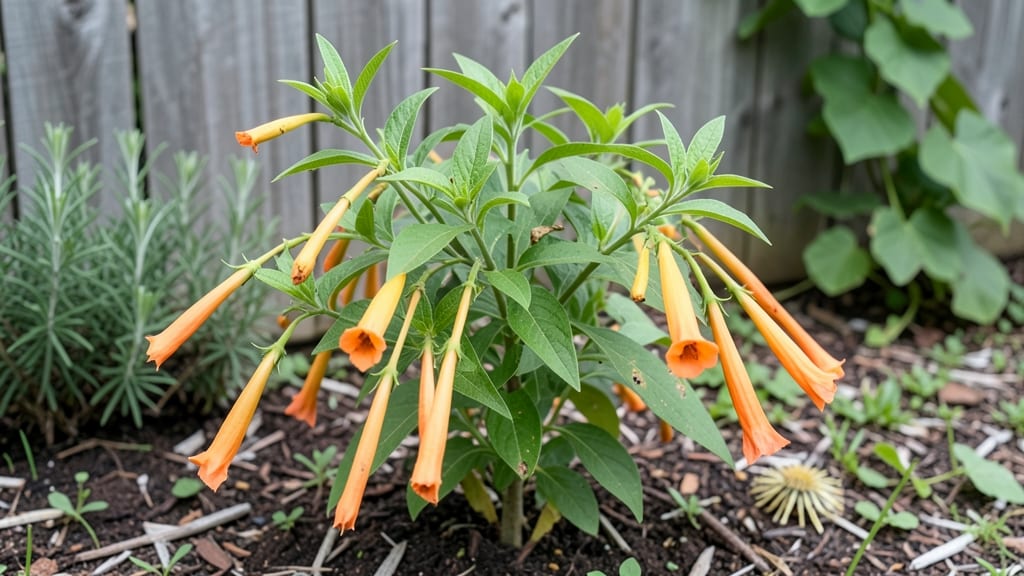
Orange bell-shaped flowers that smell like summer magic—this is the shrub you’ve been missing. ✨ I planted my first Weigela three years ago, and it’s now the star of my late-spring garden, humming with bees and dripping with fragrant blossoms that last for weeks.
The secret isn’t just its showy flowers, but how it transforms a dull corner into a pollinator paradise.
This shrub thrives in partial sun, handles both clay and sandy soil, and grows 3–6 feet tall—perfect for borders, hedges, or as a focal point near patios.
Pair it with lavender for color contrast or salvia for extra pollinator appeal, and you’ll have a low-maintenance combo that blooms from May through July. Even my black thumb keeps this one alive.
Imagine your garden in late May, when the air smells like honey and the branches sag under the weight of orange trumpet blooms. Weigela’s glossy leaves stay vibrant all season, and its arching branches add movement to any landscape.
It’s the kind of plant that makes neighbors stop and ask, “What’s that?”—then wish they’d planted one too.
Works in zones 4–8, whether you’re tucking it into a foundation planting or letting it spill over a raised bed. Here’s how to make it the centerpiece of your garden without the fuss.
What Triggers Poor Blooming
If your shrub with orange bell-shaped flowers (likely Abelia × grandiflora or Lonicera sempervirens) isn’t producing the vibrant blooms you love, several environmental and cultural factors could be at play. Understanding these causes helps you take targeted action to restore your shrub’s floral glory.
Let’s dive into the science behind why your shrub might be holding back on those cheerful orange bells.
Orange-bell shrubs thrive in full sun to partial shade, but too little light directly limits photosynthesis—the process that fuels flower production. Here’s why:
- Photosynthesis slowdown: Without adequate sunlight (typically <6 hours/day), the shrub can’t produce enough glucose, its energy currency. This glucose is diverted to leaves and stems instead of blooms.
- Weakened root systems: Shady conditions often lead to sparse, shallow roots, reducing nutrient and water uptake—critical for flower buds.
- Dormancy triggers: Some shrubs (like honeysuckle varieties) may enter a "resting" phase if deprived of light, delaying or preventing flowering.
Actionable fix: Prune nearby trees or structures to increase sunlight exposure. If relocating isn’t an option, supplement with a grow light (12–14 hours/day) during winter months when days are shorter.
Watering woes—whether overzealous or neglectful—disrupt the delicate balance needed for flower buds to form. Here’s how:
- Underwatering: Drought stress forces the shrub to conserve water by shedding buds or redirecting energy to root growth. Orange bells often drop prematurely when soil dries out.
- Overwatering: Soggy soil suffocates roots, preventing nutrient absorption. This leads to root rot, which starves the shrub of the phosphorus and potassium essential for blooming.
- Inconsistent moisture: Fluctuating soil moisture confuses the shrub’s hormonal signals, delaying or stunting flower development.
Actionable fix:
- 💡 Test soil moisture: Stick your finger 2–3 inches deep; water if dry. Aim for consistently moist (not soggy) soil.
- 🌡️ Mulch properly: Apply 2–3 inches of organic mulch (e.g., shredded bark) to retain moisture and regulate temperature.
- ⏰ Water deeply: Once or twice weekly (adjust for climate), ensuring water penetrates 12 inches deep.
Flowers are nutrient-hungry, and deficiencies in key elements can halt their production. Common culprits include:
| Nutrient | Role in Blooming | Signs of Deficiency |
|---|---|---|
| Phosphorus (P) | Critical for energy transfer and root development, which supports flower buds. | Purple-tinged leaves, stunted growth, fewer or smaller blooms. |
| Potassium (K) | Regulates water and nutrient uptake; helps transport sugars to flowers. | Yellowing leaf edges, weak stems, bud drop before opening. |
| Nitrogen (N) | Supports leafy growth, but too much can delay flowering. | Lush green leaves but no flowers; leggy, sparse shrub. |
Actionable fix:
- 📊 Soil test first: Use a home test kit or send a sample to a local extension office to identify deficiencies.
- 🌱 Feed strategically: Apply a balanced fertilizer (10-10-10 or 5-10-10) in early spring and again after the first flush of blooms. For phosphorus/potassium boosts, switch to a 5-10-10 or 0-10-10 formula.
- 🥗 Avoid synthetic nitrogen spikes: Slow-release or organic options (like compost or bone meal) prevent overgrowth at the expense of flowers.
Orange-bell shrubs flower on new wood (current season’s growth) and sometimes old wood (last year’s stems). Poor pruning timing or technique can sabotage blooms:
- Pruning at the wrong time: Cutting back after flowering removes next year’s buds. For example, Lonicera sempervirens sets buds in late summer—pruning then can eliminate spring blooms.
- Over-pruning: Removing more than 1/3 of the shrub reduces its ability to photosynthesize, weakening flower production.
- Shearing instead of shaping: Harsh, even cuts encourage dense foliage but fewer flowers by limiting air circulation and light penetration.
Actionable fix:
- ⏰ Prune in late winter/early spring: Right after the last frost but before new growth starts.
- 🔪 Target dead or crossing branches: Remove only 1/3 of the oldest stems to encourage new growth (and thus, more flowers).
- 🌿 Avoid heading cuts: Prune just above a leaf node (bud) to promote branching, not just to shape.
Pests and pathogens can drain the shrub’s energy or physically damage flower buds. Common offenders include:
- Spider mites: Suck sap from leaves, causing yellowing and stunted growth. Severe infestations lead to bud drop.
- Aphids: Cluster on new growth, distorting buds and preventing them from opening.
- Powdery mildew: A fungal disease that coats leaves/buds in white powder, blocking sunlight and halting blooming.
- Bacterial leaf spot: Causes dark spots on leaves, reducing photosynthesis and diverting energy away from flowers.
Actionable fix:
- 🔍 Inspect regularly: Check undersides of leaves and buds for pests or fungal signs (e.g., white powder, sticky residue).
- 💡 Treat early:
- Pests: Spray with neem oil or insecticidal soap (repeat every 7–1
Revive Your Blooming Shrub
Your fragrant shrub with vibrant orange bell-shaped flowers deserves a little TLC to thrive! Whether it’s struggling with pests, disease, or environmental stress, these solutions will help you nurse it back to health—and keep it blooming beautifully.
Below, we’ve mapped out the most common issues and the easiest fixes, plus pro tips to prevent future problems.
If you’ve spotted chewed leaves, sticky residue, or tiny critters feasting on your shrub, pests are likely the culprit. Here’s how to kick them out for good:
🔥 Identify the Pest First
- Aphids or Scale Insects? Look for clusters of tiny, sap-sucking bugs on new growth or undersides of leaves.
They leave a sticky "honeydew" trail. - Japanese Beetles? These metallic-green invaders chomp on flowers and foliage, leaving skeletonized leaves behind. - Spider Mites? Check for fine webbing on leaves and a dusty, speckled appearance.
🍳 Natural Remedies to Try First
- Soap Spray Solution 🧼: Mix 1 tablespoon of mild liquid soap (like castile) with 1 quart of water. Spray directly on pests (avoid flowers if possible).
Repeat every 5–7 days. - Neem Oil Treatment 🌿: Combine 1 tablespoon neem oil, 1 teaspoon mild soap, and 1 quart of water. Spray leaves thoroughly, especially undersides. Reapply every 7–10 days. - Handpick Japanese Beetles 👨🍳: Early morning or evening, shake them into a bucket of soapy water.
Wear gloves to avoid their irritating hairs!
🔪 Last Resort: Chemical Control
If pests persist, use an insecticidal soap or pyrethrin-based spray (follow label instructions). For severe infestations, consult a local nursery for targeted solutions.
💡 Prevention Tips
- Encourage Beneficial Insects 🐝: Plant nearby companions like marigolds or lavender to attract ladybugs, lacewings, and parasitic wasps—natural pest predators!
- Prune Regularly ✂️: Remove damaged or infested branches promptly to stop pests from spreading.
- Water in the Morning 💦: Wet foliage dries faster, reducing aphid and mite habitats.
Yellowing leaves, black spots, or moldy growth? Fungal or bacterial diseases might be to blame. Act fast to save your shrub!
🍳 Fungal Issues (Powdery Mildew, Leaf Spot)
- Prune Infected Areas ✂️: Cut off and dispose of (don’t compost!) diseased leaves or stems.
Sterilize pruners with rubbing alcohol between cuts. - Fungicide Spray 🍄: Use a copper fungicide or baking soda spray (1 teaspoon baking soda + 1 quart water + a drop of soap).
Spray undersides of leaves thoroughly. - Improve Airflow 🌬️: Thin out overcrowded branches and avoid watering leaves (aim for the soil instead).
🔪 Bacterial Infections (Cankers, Blight)
- Remove and Destroy 🔥: Cut out infected stems 6 inches below the damage.
Burn or trash the clippings—don’t add to compost. - Copper-Based Bactericide 🛡️: Apply a copper fungicide (effective against both fungal and bacterial issues) as directed. - Sanitize Tools 🧼: Clean pruners with 70% isopropyl alcohol before and after use.
💡 Prevention Tips
- Water at the Base 💧: Avoid overhead watering, which spreads spores.
- Space Plants Properly 📏: Ensure 3–4 feet of clearance between shrubs for airflow.
- Mulch Wisely 🌿: Use 2–3 inches of organic mulch (like wood chips) to prevent soil-borne diseases from splashing onto leaves.
If your shrub looks wilted, leggy, or sparse, it might be struggling with light, water, or soil issues. Adjust these factors to revive its vigor!
☀️ Too Much or Too Little Sun
- Move or Prune 🌳: If in full shade, gradually acclimate it to more sun (a few hours daily).
If in harsh afternoon sun, provide afternoon shade with a sheer curtain or nearby trees. - Adjust Watering 💦: More sun = more water; less sun = less water. Aim for 1–1.5 inches per week (including rain).
💧 Overwatering or Underwatering
- Check the Soil 🏷️: Stick your finger 2 inches into the soil. If dry, water deeply. If soggy, let it dry out before watering again.
- Drainage Fix 🚿: Amend heavy clay soil with compost or perlite to improve drainage.
Ensure pots have drainage holes if growing in containers.
🌱 Poor Soil Nutrition
- Test Your Soil 📊: Use a DIY soil test kit (available at garden centers) to check pH and nutrient levels.
Ideal pH for most flowering shrubs: 6.0–7.0. - Feed It Right 🍽️: - Spring: Apply a balanced fertilizer (10-10-10) or compost. - Summer: Use a low-nitrogen, high-phosphorus fertilizer (like 5-10-10) to encourage blooms. - Fall: Add aged compost to replenish nutrients for next season.
💡 Prevention Tips
- Mulch Like a Pro 🌿: Use 3 inches of mulch (like shredded bark) to retain moisture and regulate soil temperature.
- Group by Needs 🌱: Plant shrubs with similar water/sun requirements together for easier care.
- Monitor Seasonally 📅: Adjust watering and fertilizing based on your climate (e.g., less water in winter, more in summer).
- Prune for Shape ✂️: Trim back leggy growth after flowering to encourage bushier, healthier growth. - Deadhead Spent Blooms 🌸: Remove faded flowers to redirect energy into new blooms. - Watch for Wildlife 🐿️: Deer or rabbits?
Use repellent sprays or physical barriers (like chicken wire) to protect young shrubs.
With these solutions, your shrub will bounce back stronger—and those stunning orange bells will be back in full force! 🌺🔥 Remember: consistency is key. A little effort now means fewer headaches (and more blooms) later.
Frequently asked questions
What shrub has those striking orange bell-shaped flowers I keep seeing?
The most likely candidates are Weigela (especially Weigela florida), Abelia (like Abelia × grandiflora), or honeysuckle shrubs (such as Lonicera sempervirens). These all produce vibrant orange trumpet-shaped blooms that hummingbirds and bees adore. Weigela is the showiest, with blooms lasting from spring through summer.
How do I get my orange-bell shrub to bloom more?
Focus on three key factors: sunlight (6+ hours daily), balanced fertilizer (like 10-10-10 in spring), and pruning. Cut back 1/3 of oldest stems in late winter to encourage new growth. Deadhead spent blooms to redirect energy. For Weigela, prune right after flowering to avoid removing next year's buds.
Are these shrubs deer-resistant?
Not completely! While deer usually avoid mature Weigela and Abelia, they'll nibble young plants or stressed shrubs. Use deer repellent sprays or wrap trunks with hardware cloth if you're in a high-traffic area. These shrubs are more trouble than worth for deer, so they'll often leave them alone once established.
Can I grow this shrub in containers?
Weigela and Abelia thrive in 5-gallon containers with well-draining potting mix. Choose a pot with drainage holes and repot every 2-3 years. For container plants, water more frequently (let top inch dry between waterings) and fertilize monthly during growing season with a bloom booster like 7-9-5.
What plants pair well with orange-bell shrubs?
For maximum impact, combine with purple (like lavender or catmint) for color contrast, silver foliage (such as lamb's ear), or blue flowers (salvia or agapanthus). These pairings create stunning visual contrast while attracting even more pollinators. For height variation, plant alongside Russian sage or butterfly bush.