
Shrubs
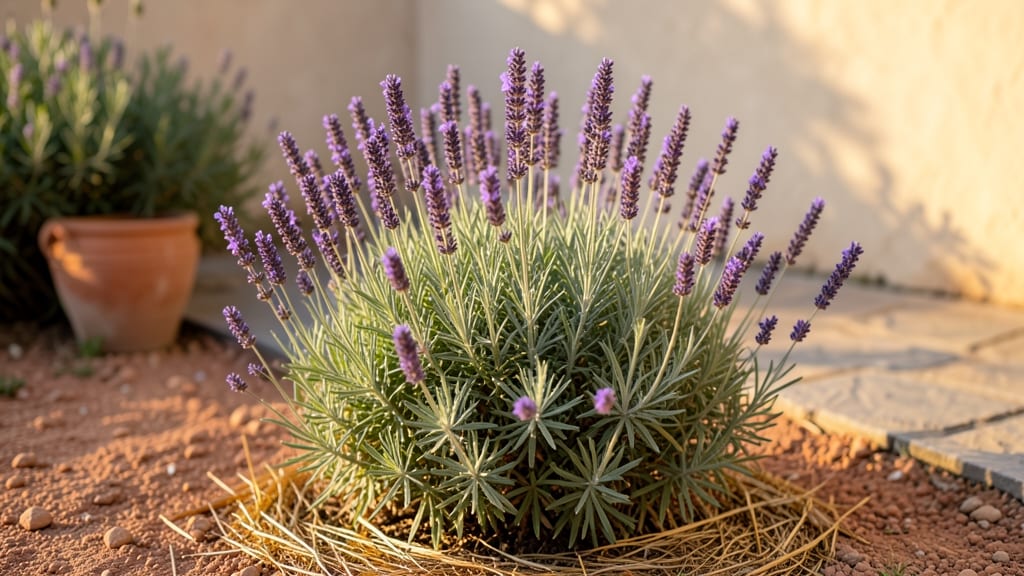
Sun-baked shrubs for the west side of your house that thrive where others wilt—this is how you transform that harsh exposure into a lush, sun-loving privacy screen. 🌿 The west side gets brutal afternoon sun, but the right shrubs turn that into a green, fragrant wall instead of a sun-scorched desert.
I’ve planted enough trial-and-error shrubs to know which ones actually stand up to the heat without wilting by July. The key is choosing drought-tolerant varieties that love full sun—think leucothoe, abelia, or olive trees—and spacing them 3-5 feet apart for airflow and growth room.
Your soil needs to drain well, so amend with compost if it’s heavy clay, and mulch to keep roots cool. Within 3 years, you’ll have a dense screen that blocks noise, filters wind, and looks stunning year-round.
Picture this: deep green foliage with pops of purple or silver, blooms in summer, and zero fuss. These shrubs handle drought once established, resist pests, and keep their shape without constant pruning. The best part? They’ll outperform anything you’ve tried before.
For extra curb appeal, pair them with sun-loving perennials like lavender or Russian sage at the base. Just avoid planting anything that needs afternoon shade—like hydrangeas or impatiens—and you’re golden. Let’s get your west side looking effortlessly polished.
📚 In This Guide
- What you need
- Instructions
- Tips and common mistakes
- Wrapping up and next steps
What you need
- ● Shrubs (3–5 plants per 6-foot section): Dwarf Fountain Grass (Pennisetum alopecuroides) – 3 plants
- ● Boxwood (Buxus sempervirens) – 5 plants
- ● Dwarf Lilac (Syringa meyeri) – 3 plants
- ● Abelia (Abelia x grandiflora) – 3 plants
- ○ Optional: Lavender or Rosemary for fragrance (1–2 plants)
- ● Soil Amendments: Compost (1–2 bags, 40 lbs each)
- ● Organic mulch (3–5 cubic feet, shredded hardwood)
- ● Slow-release fertilizer (10-10-10, 20 lbs)
- ● Tools: Garden trowel or spade
- ● Pruning shears (bypass, sharp)
- ● Wheelbarrow (for soil/mulch)
- ● Measuring tape (10–25 ft)
- ● Garden hose with spray nozzle (or watering can)
- ○ Optional: Soil pH tester (to check acidity)
- ● ✅ Sunlight assessment: Confirm 6+ hours of direct sun (west side = hot afternoon rays!)
- ● ✅ Soil test: Well-draining soil (amend with sand if clay-heavy).
- ● ✅ Spacing plan: Shrubs should be 3–5 feet apart for airflow.
- ● ✅ Water source nearby: Easy access for deep watering 2–3x/week.
- ○ ✅ Optional but helpful: Drip irrigation kit (for low-maintenance watering)
- ● Edging tool (to define plant lines)
How to select and plant sun-loving shrubs for a west-facing privacy screen
Here's my go-to approach for creating a lush, sun-thriving privacy barrier that grows into place in just three seasons.
🌿 Step 1: Choose the Right Shrub Varieties for Western Exposure
Western sun is intense—hot afternoon rays bake plants all afternoon. I always pick evergreen shrubs like Emerald Green Arborvitae or Dwarf Fountain Boxwood for year-round coverage. Deciduous options like Oakleaf Hydrangea or Coralberry add seasonal interest but lose leaves in winter.
Look for drought-tolerant varieties with thick, waxy leaves—these handle afternoon sun best. Avoid tender tropicals like Gardenia or Plumeria unless you're in a mild coastal climate. Check the mature height of each shrub: for a 6-foot privacy screen, plant 3-foot-tall shrubs 4 feet apart to fill gaps as they grow.
🪴 Step 2: Prepare the Planting Site for Maximum Sun Tolerance
Test your soil's drainage first—west-facing areas often dry out fast. Amend heavy clay with 2-3 inches of compost mixed into the top 12 inches of soil. For sandy soil, add organic matter like shredded bark or leaf mold to retain moisture. I always dig a hole twice as wide as the root ball but only as deep as the container.
Plant in early spring or fall when temperatures are mild. Avoid summer planting—young roots struggle with afternoon heat. Water deeply before planting to settle the soil around roots. The key is good airflow—space plants 3-6 feet apart depending on mature size, never crowded.
☀️ Step 3: Plant and Water for Immediate Establishment
Remove the shrub from its container and loosen the roots if they're circling. Place it in the hole so the top of the root ball sits level with the surrounding soil—burying too deep suffocates roots. Backfill with native soil mixed with a slow-release fertilizer (like 10-10-10) to encourage strong growth.
Water deeply right after planting—about 1 gallon per plant—to eliminate air pockets. Mulch with 2-3 inches of wood chips, keeping mulch 6 inches away from the trunk to prevent rot. Water every 2-3 days until new growth appears, then taper to once a week once established.
✂️ Step 4: Prune and Maintain for Rapid Growth
Prune new growth in early spring to shape the shrub and encourage bushiness. Cut back overly leggy stems by 1/3 to redirect energy to filling out. For evergreens, I lightly trim in late summer to maintain density. Avoid heavy pruning in fall—it stresses plants before winter.
Fertilize once in early spring with a balanced, slow-release formula. Western sun demands consistent moisture—water deeply every 5-7 days during dry spells. Watch for leaf scorch (brown edges) in summer—this means the shrub needs more frequent watering or afternoon shade from a temporary shade cloth.
⏰ Step 5: Monitor and Adjust for Full Privacy in 3 Years
Check plant spacing annually—if gaps appear, add a filler shrub like Dwarf Lilac or Abelia. By year three, your screen should reach 6 feet tall with minimal gaps. Thin out any weak stems to improve airflow and reduce disease risk.
Real talk: the first year is critical. If you see yellowing leaves, it's usually overwatering—let the soil dry 2 inches deep between waterings. For best results, I add a second row of taller shrubs (like 9-foot-tall Leyland Cypress) behind the first row to create instant height while the smaller plants fill in.
Tips & tricks for perfect sun-loving shrub privacy screens
Creating a thriving west-side privacy screen takes more than just planting—here's how to ensure your shrubs grow strong and fill in beautifully.
Selection Tip: When choosing shrubs, prioritize those labeled "drought-tolerant" and "heat-resistant" on the tag. I've found that Emerald Green Arborvitae and Dwarf Fountain Boxwood handle western exposure best because their waxy leaves reduce moisture loss. For a more colorful option, Oakleaf Hydrangea thrives in afternoon sun but needs consistent moisture—ideal if your soil drains well. Always check the mature height: planting 3-foot-tall shrubs 4 feet apart ensures they'll fill gaps naturally by year three without overcrowding.
Planting Strategy: The twice-as-wide hole in Step 2 is crucial—it prevents root circling and encourages outward growth. I like to add a handful of mycorrhizal fungi to the backfill soil to boost root development. For clay-heavy soils, mix in 2-3 inches of compost into the top 12 inches to improve drainage. If you're planting in sandy soil, incorporate organic matter like shredded bark to help retain moisture during those hot afternoons.
Watering Wisdom: Those first 2-3 days of daily watering after planting are non-negotiable. Use a moisture meter to check soil depth—aim for consistently moist but not soggy conditions. I've learned the hard way that overwatering in the first year leads to yellowing leaves and root rot. Once established, the once-a-week watering schedule works well, but increase to every 5-7 days during summer heatwaves. A soaker hose buried slightly in the soil delivers water directly to roots where it's needed most.
Pruning Pro Tips: When pruning in early spring, focus on removing 1/3 of leggy stems to encourage bushier growth. For evergreens, I do a light trim in late summer to maintain density—this prevents the "Christmas tree" look that happens when you wait too long. The key is to prune just after new growth appears, when the plant has energy to recover. Avoid fall pruning entirely—it stresses plants before winter dormancy.
Pro Tips for Shrubs For West Side Of House
- Creating a thriving west-side privacy screen takes more than just planting—here's how to ensure your shrubs grow stro...
- Selection Tip: When choosing shrubs, prioritize those labeled "drought-tolerant" and "heat-resistant" on the tag. I'v...
- Planting Strategy: The twice-as-wide hole in Step 2 is crucial—it prevents root circling and encourages outward growt...
Frequently asked questions
Got questions about choosing the perfect shrubs for your west-facing home? Here are some of the most common ones—and their answers!
What are the best fast-growing shrubs for a west side of the house?
For quick privacy, opt for Loropetalum (Chinese fringe flower), Nandina (heavenly bamboo), or Weigela. These thrive in full sun and can reach 6–10 feet in 3 years with proper care. Just ensure they’re planted in well-draining soil to avoid root rot.
Can I plant shrubs on the west side in summer?
Yes, but time it right! Plant in early summer (June) or early fall (September) to give roots time to establish before extreme heat or cold. Avoid peak summer—new plants may struggle with drought stress or scorching. Water deeply 2–3 times per week until established.
What if my west side gets too much heat? Are there shade-tolerant alternatives?
If your west side has afternoon shade, try Hydrangea (oakleaf or panicle types) or Abelia, which handle partial sun well. For full sun but heat-sensitive spots, Dwarf Fothergilla or Boxwood (like ‘Green Mountain’) are tougher options. Mulch heavily to retain moisture!
Why are my west-side shrubs wilting even with regular watering?
Overwatering or poor drainage are likely culprits. Check for:
- Yellowing leaves = too much water (let soil dry slightly between waterings).
- Crispy edges = underwatering (deep water 2x/week in summer).
- Mushy stems = fungal issues (improve airflow, prune crowded branches).
How can I add color to my west-side shrub screen without flowers?
Skip flowers? No problem! Try foliage-focused shrubs like:
- Purple Smoke Bush (deep burgundy leaves)
- Coralberry (red berries + glossy green leaves)
- Variegated Boxwood (creamy edges for contrast)
Wrapping up and next steps
Choosing the right shrubs for your west-facing home isn’t just about aesthetics—it’s about creating a low-maintenance, sun-loving privacy screen that thrives in 3 years or less! 🌿 From fast-growing Forsythia to drought-resistant Abelia, these plants offer beauty, resilience, and practicality.
Whether you prioritize height, color, or fragrance, there’s a perfect match waiting for your outdoor space.
Ready to transform your west side into a lush, private retreat? Start by sketching your layout, selecting 2-3 shrubs from this guide, and scheduling a planting day when the weather is mild.
With the right prep and care, your dream privacy screen will be flourishing in no time—and you’ll be the envy of the neighborhood!