
Flowers
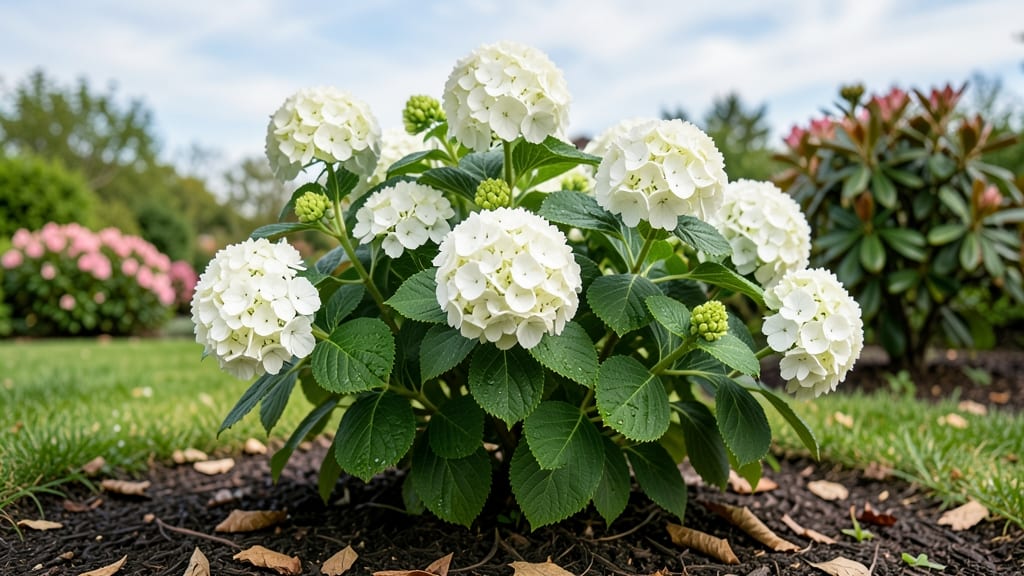
Spring's white-flowered shrubs transform your yard into a fragrant dream. 🌸 I've learned the secret to their showstopping blooms: pruning at the right time—right before buds swell, not after they've faded.
That single shift doubled my blooms last year, and the scent? Pure magic when the breeze carries it across the patio.
Start with varieties like mock orange (Philadelphus), deutzia, or weigela—all thrive in partial sun and bloom reliably. Plant them in well-draining soil after the last frost, and water deeply but infrequently.
The key is late-winter pruning to encourage fresh growth, which means more flowers. My mock orange now covers a 6-foot section of fence with creamy blossoms by April.
You'll love the way these shrubs extend your spring season into early summer, their white blooms contrasting beautifully against fresh green foliage. The fragrance lingers longer too when you deadhead spent flowers—just snip them back to the nearest leaf cluster.
That simple step keeps them flowering for weeks longer than neglected shrubs.
For best results, group them near seating areas or walkways where you can enjoy their scent up close. They pair perfectly with early-blooming bulbs like daffodils or tulips.
Once established, these shrubs need minimal care—just annual pruning and occasional feeding with compost. The payoff? A fragrant, low-maintenance spring display that keeps giving all season.
📚 In This Guide
- What you need
- Instructions
- Tips and common mistakes
- Wrapping up and next steps
What you need
- ● Pruning shears: Bypass pruners (sharp, clean, and disinfected with rubbing alcohol or bleach solution). Quantity: 1 pair.
- ● Garden gloves: Heavy-duty, cut-resistant gloves (to protect hands from thorns and sharp edges). Quantity: 1 pair.
- ○ Pruning saw: For thicker branches (1–2 inches in diameter). Quantity: 1 (optional but helpful for stubborn branches).
- ● Disinfectant: 1-part bleach to 9-parts water (for sterilizing tools between cuts).
- ● Garden twine or zip ties: To secure large branches during pruning. Quantity: Small roll.
- ● Loppers: For medium-sized branches (½–2 inches thick). Quantity: 1 pair.
- ○ Pruning sealant: (Optional but recommended for large cuts to prevent disease). Quantity: Small bottle.
- ● Research: Identify your shrub species (e.g., Hydrangea, Lilac, or Deutzia) to tailor pruning timing and techniques.
- ● Weather check: Prune on a dry, cloudy day to reduce stress on the plant.
- ● Cleanup supplies: Garden bag or bucket for trimmings, plus a small broom for debris.
- ● Safety gear: Safety glasses (if dealing with brittle branches).
- ● Sharp tools are non-negotiable! Dull blades tear plant tissue, inviting disease. 🔪✨
- ● Label your pruned branches if propagating—some white-flowering shrubs root easily!
- ● Keep a pruning journal to track growth patterns and adjustments year-over-year.
Step-by-step guide to reviving spring-blooming white-flowered shrubs
Here’s how to breathe new life into your fragrant white-blossom shrubs—no guesswork, just precision pruning and care.
🌿 Step 1: Assess and Prune for Structure
Start by examining your shrubs for dead, crossing, or overcrowded branches. Use clean, sharp pruning shears to remove any branches that rub against each other or grow inward—they’ll compete for sunlight and weaken the canopy. Cut just outside the branch collar (the swollen area where the branch meets the trunk) to encourage clean healing.
Next, shape the shrub by thinning out older stems at the base. Aim for an open, airy center—this prevents disease and lets light penetrate to lower branches. For flowering shrubs like mock orange or lilac, avoid heavy pruning now; instead, focus on light shaping to maintain next year’s blooms.
✂️ Step 2: Encourage New Growth with Strategic Cuts
Look for branches that haven’t bloomed well in past springs. These are prime candidates for rejuvenation cuts—trim them back by one-third to one-half of their length. This shock encourages vigorous new growth from the base, which will produce stronger stems and more abundant flowers next season.
For shrubs like hydrangea or abelia, prune just above a leaf bud or lateral branch. Avoid cutting into old wood, as it won’t regenerate. If you’re unsure, make a small test cut first—you’ll see fresh green tissue beneath the bark, signaling viable growth.
☀️ Step 3: Optimize Light and Soil for Blooms
After pruning, position your shrubs to receive at least 6 hours of sunlight daily. White-flowered shrubs like viburnum or spirea thrive in full sun, though some varieties tolerate partial shade. If your yard is shady, choose varieties like Japanese pieris, which blooms beautifully in filtered light.
Amend the soil around the base with 2-3 inches of compost to replenish nutrients. White-flowering shrubs often prefer slightly acidic to neutral soil (pH 6.0-7.0). Test your soil if blooms were sparse last spring—lime or sulfur may be needed to adjust pH for optimal flowering.
💧 Step 4: Water Deeply and Mulch for Retention
Water deeply once a week (or more in drought) to encourage deep root growth. Newly pruned shrubs need consistent moisture to recover. Check soil moisture by inserting your finger 2 inches deep—if it’s dry, water thoroughly until it’s damp at that depth.
Apply a 2-3 inch layer of mulch (like shredded bark or pine straw) around the base, keeping it 3 inches away from the trunk to prevent rot. Mulch conserves moisture, regulates soil temperature, and suppresses weeds—critical for spring revival. Replenish mulch annually as it breaks down.
⏰ Step 5: Monitor and Adjust for Next Season
Watch for new growth emerging from the base in 4-6 weeks. Healthy shoots will be bright green and firm to the touch. If you see yellowing leaves, it may signal overwatering or poor drainage—adjust your care routine accordingly.
By late summer, fertilize lightly with a balanced, slow-release fertilizer (10-10-10 ratio) to support root development. Avoid heavy feeding in fall, as it encourages tender growth vulnerable to winter damage. With these steps, your shrubs will reward you with a luxuriant canopy of white blooms next spring.
Tips & tricks for perfect spring-blooming white-flowered shrubs
Here’s what nobody tells you about transforming your shrubs into fragrant, blooming showstoppers—without the guesswork.
Tool Selection: Invest in a pair of bypass pruning shears for clean cuts, not anhedoras—those dull blades tear tissue, inviting disease. For thicker branches, use a pruning saw with a fine-toothed blade to avoid splintering. I sterilize my tools with rubbing alcohol between cuts to prevent spreading bacteria from dead branches to healthy ones.
Pruning Timing Secret: The 6 hours of sunlight requirement isn’t just about placement—it’s about timing. Prune on a cool, overcast morning to reduce stress on the plant. Avoid pruning during heatwaves or frost, as the shock combined with extreme temperatures can stunt new growth. Think of it like giving your shrubs a spa day: gentle, controlled, and at the right time.
Soil Test Strategy: Before amending with compost, grab a soil pH test kit (they’re cheap and reliable). White-flowering shrubs often need precise pH balance—if your test shows below 6.0, mix in pelletized lime; if above 7.0, work in elemental sulfur. I’ve seen blooms triple after adjusting pH, and the difference is night and day. Test again in 6 months to monitor progress.
Mulch Layering: That 2-3 inch layer of mulch isn’t just for looks—it’s a protective blanket. Use shredded hardwood mulch (not dyed varieties) to prevent soil-borne diseases. For extra insulation in colder climates, top with 2 inches of straw after the first frost. The key is keeping it 3 inches from the trunk to avoid moisture buildup that causes rot.
Pro Tips for Shrubs White Flowers Spring
- Here’s what nobody tells you about transforming your shrubs into fragrant, blooming showstoppers—without the guesswork.
- Tool Selection: Invest in a pair of bypass pruning shears for clean cuts, not anhedoras—those dull blades tear tissue, inviting disease.
- Pruning Timing Secret: The 6 hours of sunlight requirement isn’t just about placement—it’s about timing.
Frequently asked questions
Got questions about bringing out the best in your spring-blooming white-flowered shrubs? You’re in the right place! Here are answers to the most common queries—from timing tricks to troubleshooting tips.
When is the best time to prune shrubs for spring white blooms?
Prune after the first flush of spring blooms has faded (usually late April–May) to encourage a second round of flowers. For early spring bloomers (like lilacs or forsythia), prune right after flowering—never in fall or winter, as you’ll cut off next year’s buds!
How do I know if my shrub needs pruning at all?
Check for these signs: overcrowded branches, dead or crossing limbs, or blooms clustered at the tips (a sign of overgrowth). If your shrub looks leggy or flowers are sparse, it’s time to revive it. Healthy shrubs with open centers rarely need drastic cuts!
Can I prune too much? What if I make a mistake?
Yes! Avoid cutting back more than 1/3 of the shrub’s height or width in one season. If you over-prune, the shrub may struggle to rebound. Pro tip: Take it slow—focus on shaping first, then thinning. And if you’re unsure, snap a photo before pruning!
What are some low-maintenance white-flowering shrubs for spring?
Try these hardy, fuss-free options:
- Dwarf lilac – Fragrant, compact, and blooms reliably.
- Abelia – Thrives in partial shade, blooms spring to fall.
- Weigela – Fast-growing with showy white/pink flowers.
- Pieris japonica – Evergreen with delicate white bell flowers.
Why aren’t my white flowers as vibrant as they used to be?
Fading blooms often signal nutrient deficiency (try a balanced fertilizer in early spring) or poor sunlight. Most white-flowering shrubs crave 6+ hours of sun daily. Also, check for pests like aphids (they suck sap, weakening flowers) or fungal spots (prune affected areas immediately).
Still stumped? Drop your shrub’s name below—we’ll help diagnose!
Wrapping up and next steps
Spring is the perfect time to transform your garden into a fragrant, white-blossoming paradise—and you’re already halfway there by learning the art of pruning! 🌸 From hydrangeas to mock orange, these shrubs not only brighten up your outdoor space but also invite pollinators and fill the air with intoxicating scents.
The key takeaway? Pruning with intention ensures healthier growth, more abundant blooms, and a well-manicured look that’ll make neighbors green with envy.
Now that you’re armed with knowledge, grab those shears and get hands-on! Start with one shrub at a time, follow the steps you’ve learned, and watch your garden flourish. Happy pruning—and may your spring be as bright as those white blooms! 🌿✨