
Shrubs
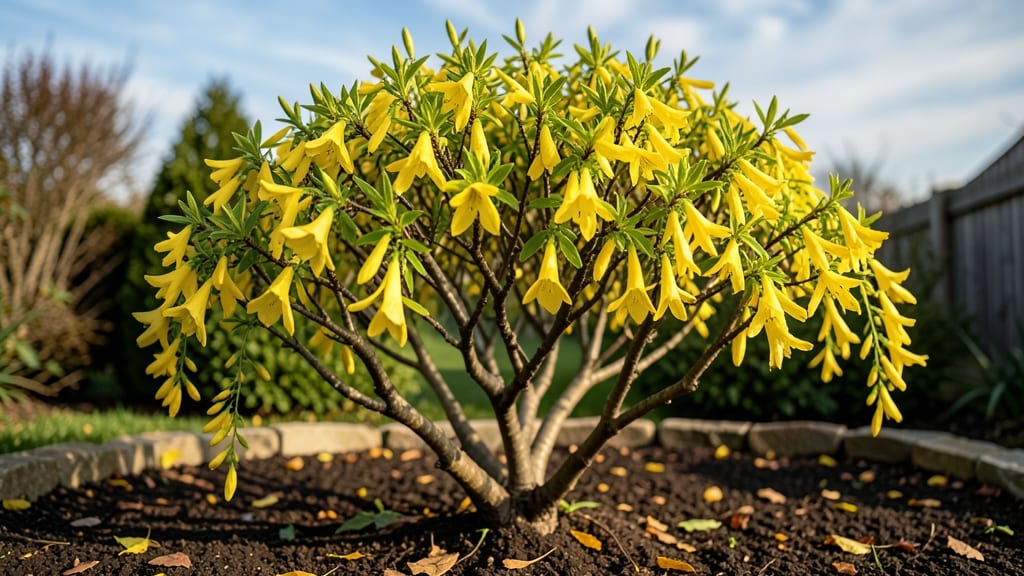
Shrubs with yellow-green foliage transform dull garden corners into vibrant focal points. 🌿 These standout plants bring sunshine to shady spots and contrast beautifully with dark evergreens or deep purple blooms. I’ve tested them in my own garden, and they’re the secret weapon for adding texture and interest without needing flowers. The best options like Diervilla and Elmleaf golden privet thrive in partial shade, while Fatsia japonica handles full sun with ease. Their glossy, chartreuse leaves stay striking all year, making them perfect for borders, hedges, or even as a bold accent plant. You’ll love how they pair with hostas, ferns, or even dark-leaved heucheras. Once planted, these shrubs require minimal fuss—just occasional pruning to shape them and keep them healthy. They’ll reward you with lush, eye-catching foliage that brightens up any season. The key is choosing the right one for your light conditions and space. For extra impact, group them with plants that have deep green, purple, or silver leaves. The contrast will make your garden pop, and you’ll have a low-maintenance way to keep color going year-round.
📚 In This Guide
- What you need
- Instructions
- Tips and common mistakes
- Wrapping up and next steps
What you need
- ● Shrubs with yellow-green foliage: 1–3 Forsythia (depending on size; dwarf varieties like Forsythia suspensa ‘Tetragold’ work well)
- ● 1–2 Diervilla lonicera (bush honeysuckle; 2–3 ft tall at maturity)
- ● 1–3 Abelia × grandiflora (e.g., ‘Kaleidoscope’; 3–5 ft tall)
- ● 1–2 Berberis thunbergii ‘Golden Rocket’ (compact, 3–4 ft tall)
- ● Potting soil or garden soil: 1–2 bags (50 lb each) of well-draining potting mix or native soil amended with compost.
- ● Organic fertilizer: 1 bag (20–30 lb) of balanced 10-10-10 or slow-release granular fertilizer.
- ● Mulch: 2–3 cubic feet of wood chips or shredded bark (to retain moisture and suppress weeds).
- ● Garden trowel or spade: 1 (for digging holes; 6–8" wide)
- ● Pruning shears: 1 pair (for shaping and post-planting trimming)
- ● Watering can or hose with nozzle: 1 (for gentle, deep watering)
- ● Gloves: 1 pair (gardening gloves to protect hands)
- ○ Measuring tape: 1 (optional, for spacing shrubs 3–6 ft apart)
- ● Slow-release fertilizer spikes: 3–5 (for nutrient boosts without overfeeding)
- ● Plant support stakes: 2–4 (for young or top-heavy shrubs like Forsythia)
- ● Soil pH tester: 1 (to ensure soil is slightly acidic to neutral (6.0–7.0))
- ● Decorative rocks or edging: 1 bag (for a polished garden bed look)
How to select and plant shrubs for year-round yellow-green foliage
These vibrant shrubs bring sunshine to your landscape without needing summer blooms.
🌱 Step 1: Choose the Right Shrubs for Your Climate
Start with shrubs that thrive in your USDA hardiness zone. For example, Dwarf Fothergilla (Zone 5-8) or Golden Ninebark (Zone 3-8) both offer striking yellow-green foliage that stays vibrant through winter. Check each variety’s mature size—Golden Privet grows 6-10 feet tall, while Dwarf Golden Oregon Grape stays under 3 feet.
I always verify sunlight needs first. Some like full sun (6+ hours), while others tolerate partial shade (3-6 hours). Planting in the wrong light conditions will dull those golden hues over time. Check your yard’s sun patterns before buying—morning sun is gentler than harsh afternoon rays for delicate foliage.
☀️ Step 2: Prepare Planting Sites for Optimal Growth
Dig holes twice as wide as the root ball but only as deep. This prevents soil compaction around the roots, which can stress young shrubs. Amend the native soil with 2-3 inches of compost mixed into the bottom of each hole. This boosts drainage and nutrient availability—critical for maintaining that bright yellow-green color.
For well-draining soil, add a 1-inch layer of coarse sand to the hole’s bottom if your soil is heavy clay. Waterlogged roots lead to yellowing leaves, not the vibrant look you want. Test drainage by filling the hole halfway with water—if it drains in under 30 minutes, your site is ready.
🪴 Step 3: Plant Shrubs at the Correct Depth
Place the shrub in the hole so the top of the root ball sits level with the surrounding soil. Pressing it too deep suffocates roots, while planting too high causes stress. Fill the hole with soil, tamping gently around the edges to eliminate air pockets. Water immediately after planting to settle everything.
I always add a 2-inch layer of mulch around the base, keeping it 3 inches away from the stem to prevent rot. Use pine straw or shredded bark—they break down slowly and won’t smother roots. This mulch layer helps retain moisture while protecting roots from temperature swings that can fade foliage color.
💧 Step 4: Water and Fertilize for Vibrant Foliage
Water deeply once a week for the first month, then taper to every 10-14 days once established. Yellow-green shrubs often need less water than their green counterparts, but drought stress dulls their color. Check soil moisture by sticking your finger 2 inches deep—if dry, water again.
Fertilize lightly in early spring with a balanced 10-10-10 formula (follow package rates). Over-fertilizing leads to excessive leaf growth at the expense of color intensity. I avoid high-nitrogen fertilizers—they promote lush but dull foliage. Instead, focus on iron supplements if leaves start losing their golden hue.
✂️ Step 5: Prune for Shape and Health
Prune in late winter or early spring before new growth begins. Remove any dead, diseased, or crossing branches first. Then shape the shrub by cutting back 1/3 of the oldest stems to encourage fresh, vibrant growth. Avoid heavy pruning in fall—it leaves plants vulnerable to winter damage.
For shrubs like Golden Privet, I prune lightly each year to maintain a rounded shape. Never prune into old wood—it won’t regenerate the bright yellow-green foliage. If a branch looks leggy or sparse, trim it back to a healthy bud just above where you want new growth to emerge.
Tips & tricks for perfect year-round shrubs with vibrant foliage
These simple strategies will help you keep your yellow-green shrubs looking stunning all year long.
Selection Tip: When choosing shrubs, prioritize those with natural cold-hardiness in your zone. For example, Dwarf Fothergilla maintains its golden foliage even in Zone 5 winters, while Golden Privet thrives in warmer climates. I always check the mature height too—Dwarf Golden Oregon Grape stays compact under 3 feet, perfect for small gardens, while Golden Ninebark grows larger and handles partial shade beautifully.
Soil Prep Secret: The 2-3 inches of compost you mix into planting holes isn't just about nutrients—it's about creating the perfect balance. For heavy clay soil, that 1-inch sand layer at the bottom makes all the difference in preventing waterlogged roots that dull foliage color. I test drainage by filling the hole halfway with water and timing how quickly it drains. If it takes longer than 30 minutes, I know I need to add more sand.
Planting Depth: Getting the depth right is crucial—place that root ball so its top sits level with the surrounding soil. Too deep and roots suffocate; too high and they dry out. I always use a level tool to double-check, and I never skip the immediate watering after planting. This helps settle the soil and eliminates air pockets that could stress young plants.
Pruning Strategy: When pruning in late winter, focus on removing only 1/3 of the oldest stems. This encourages fresh growth while preserving the shrub's natural shape. I always look for those healthy buds just above where I want new growth to emerge—they're your visual cue for where to make the cut. Never prune into old wood, or you'll lose that vibrant yellow-green color entirely.
Pro Tips for Shrubs With Yellow Green Foliage
- These simple strategies will help you keep your yellow-green shrubs looking stunning all year long.
- Selection Tip: When choosing shrubs, prioritize those with natural cold-hardiness in your zone.
- Soil Prep Secret: The 2-3 inches of compost you mix into planting holes isn't just about nutrients—it's about creating the perfect balance.
Frequently asked questions
Got questions about shrubs with stunning yellow-green foliage? You’re not alone! Here are some of the most common queries—plus quick, practical answers to help you pick, grow, and maintain these eye-catching plants with confidence.
What are the easiest shrubs with yellow-green foliage for beginners?
Start with Dwarf Fothergilla (Fothergilla gardenii) or Spirea (like Spiraea japonica ‘Goldflame’). Both are hardy, low-maintenance, and thrive in partial sun. Abelia varieties, such as Abelia x grandiflora ‘Kaleidoscope’, are also forgiving and offer year-round interest with minimal fuss. Pro tip: Check your USDA hardiness zone to match the shrub’s resilience!
Do these shrubs need full sun to keep their yellow-green color?
Not always! While some, like Golden Privet (Ligustrum x vicaryi ‘Loddon Gold’), love full sun, others—such as Pieris japonica ‘Cavendishii’—prefer partial shade to maintain their vibrant hues. Always check the specific variety’s light requirements, as too much shade can dull the color over time. Watch out: Leaf scorch is a red flag if a sun-loving shrub gets too much shade.
How do I keep yellow-green shrubs looking fresh year-round?
Prune lightly in late winter or early spring (before new growth) to encourage dense foliage. Remove dead or yellowing leaves promptly, and fertilize in early spring with a balanced, slow-release fertilizer. Mulch around the base (2–3 inches) to retain moisture and protect roots. Bonus: Water deeply but infrequently—most of these shrubs hate soggy soil!
Can I replace a dull shrub with a yellow-green variety without losing structure?
Swap out tired shrubs like Boxwood or Yew for Golden Ninebark (Physocarpus opulifolius ‘Diablo’) or Weigela varieties. These offer similar structure (upright or mounded) but with bold foliage. Just ensure the new shrub fits your space’s mature size—check tags for growth habits! Design hack: Pair with silver or purple foliage for contrast.
Why are the leaves turning brown or crispy on my yellow-green shrub?
Brown or crispy leaves usually signal underwatering, overwatering, or pests. Check the soil moisture—it should be evenly damp but not soggy. Spider mites or scale insects can also cause stress. Troubleshoot: Spray leaves with water to deter mites, or treat with neem oil. If the issue persists, inspect for fungal diseases (like powdery mildew) and improve airflow around the plant. Act fast: Prune affected branches to prevent spread!
Wrapping up and next steps
Adding shrubs with yellow-green foliage to your landscape is a fantastic way to bring vibrant, low-maintenance color to your garden year-round. Whether you love the bold contrast of Diervilla or the delicate charm of Abelia, these plants thrive in various conditions and offer effortless beauty. 🌿
Ready to transform your outdoor space? Start by selecting the perfect shrub for your climate and soil, then grab your gardening tools and get planting! With a little care, you’ll enjoy stunning foliage that turns heads—and maybe even inspires your neighbors to follow suit. Happy gardening! 🌟