
Planting
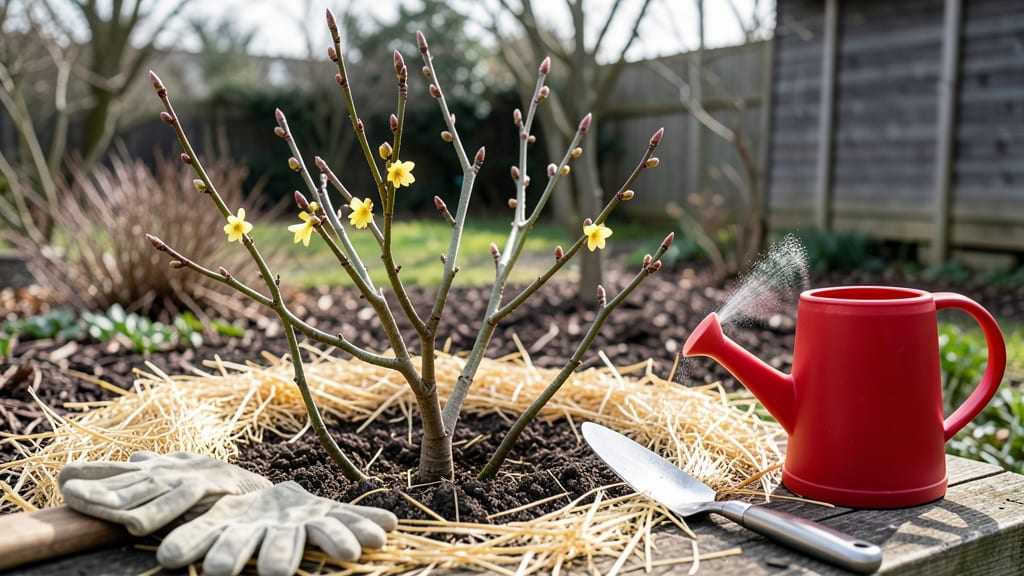
Winter planting isn’t just for bulbs—hardy shrubs can thrive when most gardens sleep. 🌿 I’ve planted winter shrubs in my Zone 5 yard for years, and these cold-resistant varieties prove that dormant seasons can still yield stunning results.
The key? Choosing evergreens, late-winter bloomers, and plants that tolerate (or even prefer) cooler soil temperatures.
These shrubs bring structure and color when little else does. Holly bushes provide glossy leaves and bright berries, while winter jasmine delivers fragrant yellow blooms before spring arrives. Even in shady spots, shrubs like inkberry holly or wintergreen boxwood stay lush without demanding sunlight.
The secret? Amending heavy clay soil with compost and watering deeply before the ground freezes—no fancy equipment needed.
By late spring, you’ll see vibrant new growth where others see bare branches. These plants establish strong root systems in winter’s chill, giving them a head start on summer’s heat.
Plus, their evergreen or early-blooming nature means your garden stays lively year-round. The payoff? A landscape that looks intentional even in the coldest months.
Works for any climate zone with proper species selection—whether you’re in a snowy Midwest yard or a mild Pacific Northwest winter. Here’s how to pick the perfect shrubs for your space and care for them through the season.
📚 In This Guide
- What you need
- Instructions
- Tips and common mistakes
- Wrapping up and next steps
What you need
- ● Shrubs: Choose from cold-tolerant varieties like Oakleaf Hydrangea, Winterberry Holly, or Dwarf Fothergilla (3–5 plants, depending on desired coverage).
- ● Shovel or Trenching Tool: A heavy-duty digging shovel (18–24" blade) for breaking up soil.
- ● Garden Gloves: A pair of waterproof, reinforced gloves (size medium/large) to protect your hands.
- ● Pruners: Bypass pruners (sharp, clean) for trimming roots or shaping plants.
- ● Mulch: Organic mulch (3–4 inches of shredded bark or pine straw) to insulate roots.
- ● Watering Can or Hose: A lightweight watering can (2–3 gallons) or hose with a gentle spray nozzle.
- ● Compost or Fertilizer: Balanced, slow-release fertilizer (10-10-10 ratio) or aged compost (1–2 gallons).
- ● Measuring Tape: For spacing plants 3–6 feet apart (depending on mature size).
- ● Planting Hole Tool: A bucket or auger for digging clean, round holes.
- ● Root Stimulator: A mycorrhizal fungi powder to boost root growth.
- ● Plant Tags: Waterproof labels to track varieties.
- ● Knee Pads: For comfort during long planting sessions!
Step-by-Step guide to planting winter-hardy shrubs
Here’s how to plant shrubs that brave cold weather and still bloom beautifully—no summer sun required.
🪴 Step 1: Choose the Right Shrubs for Your Climate
Winter-hardy shrubs like inkberry holly, winterberry, or boxwood thrive in cold conditions and often need minimal sunlight. Check your USDA hardiness zone—most of these shrubs handle zones 5-8 without fuss. I always pick varieties labeled "winter interest" to ensure year-round appeal, even when snow covers the ground.
Look for bare-root plants (cheaper and easier to handle) or container-grown shrubs if you’re planting in late winter. Avoid stressed-looking plants with yellowing leaves or dried-out roots—these won’t recover well in cold soil. Instead, opt for dormant but firm stock that feels sturdy when lifted.
🌱 Step 2: Prepare the Planting Site Early
Winter planting works best when soil is workable but not frozen—usually November through early February in most climates. Test the soil by pushing a shovel in; if it resists, wait a few weeks. Amend the area with 2-3 inches of compost mixed into the top 6 inches of soil to improve drainage and fertility.
Dig holes twice as wide as the root ball but only as deep as the container’s height. This prevents burying the shrub too deep, which can suffocate roots. If planting multiple shrubs, space them 3-6 feet apart, depending on their mature size. I like to mark the spots with stakes so I don’t lose track while digging.
💧 Step 3: Plant and Water Thoroughly
Remove the shrub from its container and loosen any circling roots with your fingers—this encourages outward growth. Place it in the hole so the top of the root ball sits level with the surrounding soil. Fill in around the roots with a mix of native soil and compost, pressing gently to eliminate air pockets.
Water deeply until moisture seeps 4-6 inches down—this helps roots establish before dormancy sets in. Mulch with 2-3 inches of shredded bark or wood chips, keeping it 6 inches away from the stem to prevent rot. The mulch insulates roots from temperature swings and retains moisture during dry spells.
☀️ Step 4: Protect New Plants Over Winter
Young shrubs need extra care in their first winter. Wrap the base with burlap or frost cloth if your area gets below 0°F, especially for tender varieties like camellias or hydrangeas. Avoid plastic—it traps moisture and can cause rot. Instead, use breathable materials that let air circulate.
Check soil moisture once a month if winter is dry. A light watering prevents roots from drying out completely. Prune back any dead or damaged branches in early spring—never in winter, as it stresses the plant. You’ll know it’s time to prune when new growth starts peeking through the old foliage.
⏰ Step 5: Monitor and Adjust for Spring Growth
By late winter or early spring, you’ll see buds forming—this is your cue that the shrub is waking up. If buds swell but don’t open, it might need more sunlight (even winter-hardy shrubs benefit from a few hours of light). Thin out any overcrowded branches to improve airflow and reduce disease risk.
Fertilize lightly in early spring with a balanced, slow-release fertilizer (10-10-10) to support new growth. Avoid heavy feeding in winter—it encourages tender shoots that won’t survive frost. Instead, focus on watering deeply when the soil thaws, and you’ll have a lush, resilient shrub by summer.
Tips & tricks for planting winter-hardy shrubs
The secret to thriving winter shrubs starts with smart planning and a few pro moves that make all the difference.
Timing is Everything: That November through early February window is your best shot for winter planting. I've learned the hard way that frozen soil is a dealbreaker—test with your shovel. If it resists, wait until you can push it in easily. The goal is workable soil, not frozen concrete. For late winter plantings, container-grown shrubs give you more flexibility than bare-root ones.
Root Ball Placement Matters: When you're positioning your shrub in Step 3, resist the urge to bury it too deep. The top of the root ball should sit level with the surrounding soil—no higher, no lower. I've seen too many gardeners bury the crown, which leads to rot. Mark the soil level on the container before removing the plant to use as a reference.
Mulch Like a Pro: Those 2-3 inches of shredded bark aren't just decoration—they're insulation. Spread it 6 inches away from the stem to prevent rot while keeping roots cozy. For extra protection in sub-zero temps, add a 2-inch layer of straw on top of your mulch. This creates a thermal blanket that can make the difference between survival and struggle for young plants.
Winter Watering Wisdom: Just because it's cold doesn't mean you can forget about water. Check soil moisture once a month during dry winters—if the top 2 inches feel dry, give it a light watering. The key is to keep roots from completely drying out, not to soak the ground. I use a moisture meter in winter to avoid guesswork, especially with container-grown shrubs that dry out faster.
Pro Tips for Shrubs You Can Plant In Winter
- The secret to thriving winter shrubs starts with smart planning and a few pro moves that make all the difference.
- Timing is Everything: That November through early February window is your best shot for winter planting.
- Root Ball Placement Matters: When you're positioning your shrub in Step 3, resist the urge to bury it too deep.
Frequently asked questions
Got questions about winter shrub planting? You’re not alone! Here are some of the most common concerns—and their answers—to help you plant with confidence.
Can I plant shrubs in winter if the ground is frozen?
If the ground is frozen, hold off! Planting when the soil is workable (slightly damp but not soggy) ensures roots can establish properly. Check for unfrozen pockets in partial shade—these spots often thaw faster and are ideal for winter planting.
How long does it take for winter-planted shrubs to establish?
Most hardy shrubs take 6–12 months to fully establish, but the real magic happens in winter. Cooler temps reduce stress, so roots grow steadily without competing with summer heat. Mulch lightly (2–3 inches) to protect them until spring.
What’s the best alternative if I don’t have full shade?
No full shade? No problem! Opt for partial shade (3–6 hours of sunlight) and choose shrubs like Pieris japonica or Viburnum bodnantense. These thrive in bright, indirect light and still bloom beautifully in winter.
Will my newly planted shrubs survive a late frost?
Most winter-hardy shrubs (like Hellebores or Camellias) can handle frost, but young plants may need extra care. Water deeply before frost to hydrate roots, and cover tender foliage with burlap or frost cloth if temps drop below 20°F.
Can I plant shrubs in containers during winter?
Containers offer flexibility—just use well-draining soil and place pots in sheltered spots (like against a north-facing wall). Avoid plastic pots, as they can freeze; opt for fabric or ceramic instead. Drainage holes are a must!
Wrapping up and next steps
Winter planting might seem counterintuitive, but with the right hardy shrubs, you can turn your garden into a year-round blooming oasis—even in shadier spots! 🌱 From evergreen boxwoods to fragrant winter jasmine, these plants prove that cold weather isn’t a barrier to beauty.
Whether you’re a seasoned gardener or just starting, now’s the perfect time to prepare your soil, choose your shrubs, and give your landscape a head start for spring.
Ready to take the next step? Sketch a simple garden plan, gather your tools, and start planting—your future garden will thank you! For extra inspiration, browse our winter planting checklist to ensure success.