
Shrubs
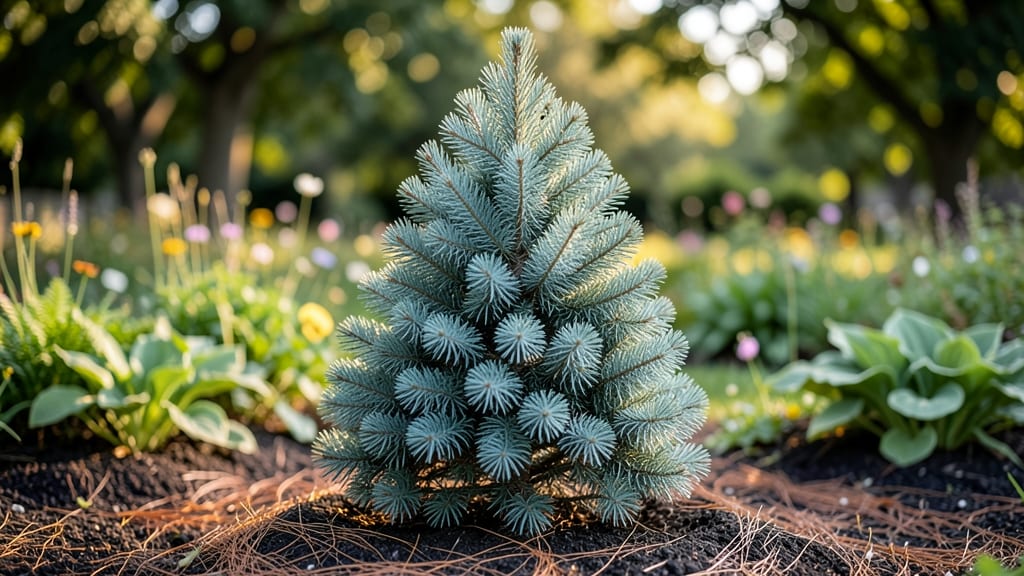
Dwarf evergreens transform any garden into a lush, evergreen oasis with almost no effort. 🌿 These small conifer shrubs bring structure, texture, and color to borders, hedges, or container gardens—all while staying compact enough for even the tiniest spaces. The best part? They thrive on neglect.
Plant them in full sun or partial shade, water occasionally, and watch them hold their shape for years. Varieties like 'Blue Rug' juniper or 'Emerald Green' arborvitae stay under 3 feet tall, making them perfect for tight spots where larger shrubs would overwhelm.
You’ll love how they soften hard edges, frame pathways, or anchor containers with their needle-like foliage. Some even add winter interest with berries or striking blue-green hues that pop against snow. For small gardens, mixed borders, or urban yards, these shrubs are the ultimate low-maintenance solution.
Let’s pick the perfect ones for your space!
📚 In This Guide
- What you need
- Instructions
- Tips and common mistakes
- Wrapping up and next steps
What you need
- ● Small conifer shrubs: Choose from varieties like Juniperus horizontalis (creeping juniper), Thuja occidentalis ‘Smaragd’ (dwarf arborvitae), or Picea pungens ‘Glauca Globosa’ (blue globe spruce). Buy 3–5 plants (depending on desired coverage).
- ● High-quality potting soil: 5–10 gallons (sterilized, well-draining mix with peat moss or perlite for aeration).
- ● Organic mulch: 2–3 bags (pine bark or shredded cedar chips, 2–3 inches deep).
- ● Slow-release fertilizer: 1 bag (balanced 10-10-10 or conifer-specific formula).
- ● Garden trowel or spade: 1 (for digging holes 2–3 times wider than the root ball).
- ● Pruning shears: 1 pair (sharp, bypass-style for clean cuts).
- ● Garden hose with nozzle: 1 (for deep watering).
- ● Measuring tape: 1 (to space plants 2–6 feet apart, depending on variety).
- ● Garden gloves: 1 pair (for comfort and protection).
- ● Epsom salt: 1 small container (for magnesium boost; mix 1 tbsp per gallon of water monthly).
- ● Landscape fabric: 1 roll (to suppress weeds under mulch).
- ● Decorative rocks or edging: As needed (for a polished look).
- ● Soil test kit: 1 (to check pH; conifers prefer acidic to neutral soil (5.0–7.0)).
Step-by-step guide to planting small conifer shrubs
Here’s how to plant dwarf evergreens that’ll bring year-round color to your garden with minimal fuss.
🌱 Step 1: Choose the Right Location and Prepare the Soil
Small conifers thrive in full sun to partial shade—at least 6 hours of sunlight daily for best color and growth. I always scout the spot first, checking for afternoon shade from trees or structures that might stress the plants later. Most dwarf conifers tolerate a range of soil types, but they hate soggy roots, so avoid low-lying areas where water pools.
Loosen the soil to a depth of 12 inches with a shovel or garden fork. If your soil is heavy clay or sandy, mix in 2-3 inches of compost to improve drainage and nutrient retention. The goal is loose, well-draining soil—conifers won’t forgive waterlogged roots. Tap the area gently after amending to settle the soil without compacting it.
🪴 Step 2: Dig Holes and Plant at the Correct Depth
Dig holes twice as wide as the root ball but only as deep as the container’s drainage holes. This prevents burying the trunk too deeply, which can cause rot. I like to set the plant so the top of the root ball sits 1 inch above ground level—this ensures the soil settles properly over time without smothering the base.
Gently remove the conifer from its container and tease the roots if they’re tightly bound. Place it in the hole, backfilling with soil while pressing lightly to eliminate air pockets. Water deeply right after planting to help the soil settle around the roots. You’ll know it’s done right when the soil surface looks slightly firm but not rock-hard.
☀️ Step 3: Water and Mulch for Long-Term Health
Water the newly planted conifer deeply once a week during the first month, ensuring the soil stays evenly moist but not soggy. After that, most dwarf conifers are drought-tolerant once established, but they’ll reward you with vibrant color if you keep them watered during dry spells. I check moisture by sticking my finger 2 inches into the soil—if it’s dry, it’s time to water.
Spread 2-3 inches of mulch (like pine bark or shredded leaves) around the base, keeping it 3 inches away from the trunk to prevent rot. Mulch helps retain moisture, regulates soil temperature, and suppresses weeds—all while giving your conifers a polished, finished look. Replenish mulch annually to maintain its effectiveness.
✂️ Step 4: Prune and Maintain for Shape and Growth
Dwarf conifers rarely need heavy pruning, but I like to lightly shape them in early spring before new growth appears. Use clean, sharp pruners to trim back any leggy branches or overgrowth, cutting just above a healthy bud. Avoid cutting into old wood—new growth will look best if you prune at the right time. Most dwarf varieties grow 6-12 inches per year, so a little trimming keeps them tidy.
Fertilize lightly in early spring with a balanced, slow-release fertilizer (like 10-10-10) to encourage growth without burning the roots. Over-fertilizing can lead to weak, floppy growth, so I err on the side of caution. After the first year, most dwarf conifers need little to no fertilizer—just good soil and occasional watering.
Tips & tricks for perfect dwarf evergreen planting
These game-changing tips will help your small conifer shrubs thrive and bring vibrant color to your garden with minimal effort.
Site Selection Secret: I can't stress enough how critical that 6 hours of sunlight is—this is non-negotiable for vibrant color. Look for spots where the sun hits in the morning but check for afternoon shade from trees or buildings. The golden rule: if the area gets hot afternoon sun, your conifers will struggle. I've planted in shady spots before and always regretted it—they just don't get that gorgeous deep green color.
Root Ball Rescue: When removing your conifer from its container, gently squeeze the sides to loosen any circling roots. I learned this the hard way—tightly bound roots can strangle new growth. If you see roots growing in circles, use your fingers to carefully tease them apart. This might take a few minutes but pays off with healthier plants. The goal is to mimic natural root spread in the soil.
Watering Wisdom: That first month of weekly deep watering is crucial—don't skip it! I check moisture by sticking my finger 2 inches into the soil. If it's dry at that depth, water until it runs out the bottom of the hole. Overwatering is worse than underwatering—conifers hate soggy roots. After the first month, you can ease up, but don't let the soil completely dry out during heatwaves.
Mulch Magic: Spread that 2-3 inches of mulch carefully, keeping it 3 inches away from the trunk to prevent rot. I use pine bark because it looks natural and breaks down slowly. Pro tip: refresh your mulch every spring—it compresses over time and loses effectiveness. This simple step saves me hours of weeding and keeps moisture levels perfect for those first critical months.
Pro Tips for Small Conifer Shrubs
- These game-changing tips will help your small conifer shrubs thrive and bring vibrant color to your garden with minimal effort.
- Site Selection Secret: I can't stress enough how critical that 6 hours of sunlight is—this is non-negotiable for vibrant color.
- Root Ball Rescue: When removing your conifer from its container, gently squeeze the sides to loosen any circling roots.
Frequently asked questions
Got questions about small conifer shrubs? You’re not alone—these dwarf evergreens are packed with charm but come with a few quirks! Here are answers to the most common queries to help you choose, plant, and enjoy your low-maintenance greenery with confidence.
What’s the best time of year to plant small conifer shrubs?
For optimal root establishment, plant your dwarf conifers in early spring or early fall when temperatures are mild. Avoid extreme heat or frost, as these can stress young shrubs. If you must plant in summer, water deeply and mulch to retain moisture.
How do I prune small conifer shrubs without harming them?
Prune in late winter or early spring before new growth begins. Use clean, sharp shears to trim dead or overgrown branches, and avoid cutting into old wood. For shaped varieties, light shaping is fine—just never remove more than 1/3 of the foliage at once to prevent stress.
Do small conifer shrubs need a lot of water?
Most dwarf conifers are drought-tolerant once established (after 1–2 years). Water deeply once a week during the first year, then reduce to monthly unless your area experiences prolonged dry spells. Overwatering can lead to root rot, so well-draining soil is key!
Can I grow small conifer shrubs in containers?
Many dwarf conifers thrive in containers, making them perfect for patios, balconies, or small gardens. Choose a pot with drainage holes and use a fast-draining potting mix. Opt for smaller varieties like ‘Blue Rug’ Juniper or ‘Mops’ Dwarf Alberta Spruce for best results.
Why are the needles on my small conifer shrub turning brown?
Brown needles can signal overwatering, underwatering, or pests. Check the soil moisture—if it’s soggy, improve drainage. If dry, water thoroughly. Inspect for spider mites or bagworms (common culprits) and treat with neem oil or insecticidal soap if needed. Older needles browning naturally is normal!
Wrapping up and next steps
Small conifer shrubs are a game-changer for gardeners craving effortless beauty and year-round charm! 🌲 Whether you're a beginner or a seasoned pro, these low-maintenance stars bring structure, texture, and color to any landscape—with minimal fuss.
From sun-loving juniper to shade-tolerant pines, the options are endless, and the rewards are instant gratification.
Ready to transform your space? Start by sketching a simple layout—place them as focal points, borders, or even in containers. Then, grab your gloves and dive in! Your future self (and your neighbors) will thank you. 🌟