
Shrubs
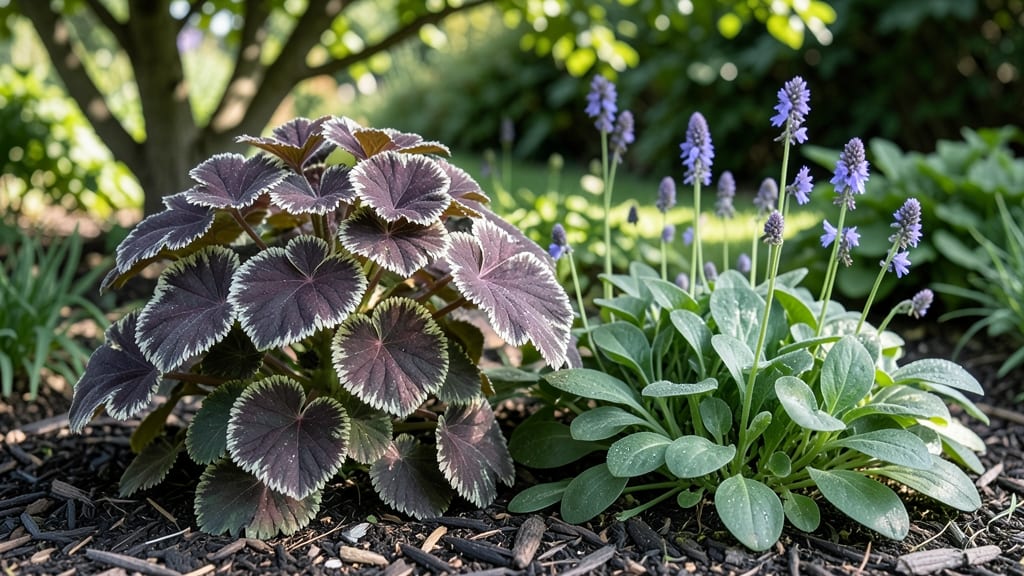
Small flowering perennial shrubs turn blank spaces into fragrant, year-round interest with almost no effort. 🌸 I’ve found the perfect trio that thrive in tight spots—Dwarf Butterfly Bush for pollinators, Abelia for its velvety foliage, and Weigela for dramatic blooms—that need only seasonal pruning and occasional watering once established.
These shrubs fit modern landscapes, cottage gardens, or pollinator-friendly designs without fighting for space. Their growth habits stay compact (3–5 feet tall), so they won’t overwhelm small yards.
Pair them with lavender for fragrance or salvia for contrasting textures, and you’ll create a low-maintenance garden that hums with life all season.
What you’ll get is a garden that smells like a meadow in summer, stays lush in winter, and requires less than 10 minutes of care per month. The blooms attract bees and butterflies, while the glossy leaves add year-round structure. No deadheading, no fuss—just beauty that multiplies effortlessly.
Works in sun or partial shade, urban courtyards, or country borders. Here’s how to choose and place them for maximum impact—no green thumb required.
📚 In This Guide
- What you need
- Instructions
- Tips and common mistakes
- Wrapping up and next steps
What you need
- ● Small flowering perennial shrubs: Choose 3–5 varieties (e.g., Dwarf Lilac, Butterfly Bush, or Potentilla) based on your climate zone and sunlight needs.
- ● High-quality potting mix or garden soil: 2–3 cubic yards (or 10–15-gallon bags) amended with compost for better drainage.
- ● Organic fertilizer (balanced or slow-release): 5–10 lbs (e.g., 10-10-10 or rose/flower-specific blend).
- ● Mulch (shredded bark or pine straw): 2–3 bags to retain moisture and suppress weeds.
- ● Garden gloves and knee pads: For comfort during planting.
- ● Hand trowel or small shovel: For digging holes (6–12 inches deep, depending on root ball size).
- ● Watering can or hose with a gentle spray nozzle: For post-planting hydration.
- ● Epsom salt (magnesium sulfate): 1–2 lbs to boost blooms (dissolve in water and apply monthly).
- ● Plant supports (stakes or cages): For taller shrubs like Spirea or Weigela.
- ● Slow-release watering system (drip irrigation): For drought-prone areas.
- ● Pruning shears: For shaping and deadheading spent blooms.
- ● Soil pH test kit: To ensure your shrubs thrive in ideal conditions (most prefer slightly acidic to neutral soil).
How to select and plant small flowering perennial shrubs
Here’s my go-to approach for choosing and establishing fragrant, low-maintenance shrubs that’ll thrive for years with minimal fuss.
🌿 Step 1: Choose the Right Shrubs for Your Climate and Space
Start by selecting four small flowering perennials (each 3-5 feet tall at maturity) that suit your USDA hardiness zone and sunlight conditions. I always prioritize fragrant varieties like dwarf lilacs (Syringa meyeri), abelia (Abelia x grandiflora), or weigela (Weigela florida)—they’re tough, bloom reliably, and attract pollinators. Check the sunlight requirements on the label: most need full sun (6+ hours daily), but some like hydrangea (Hydrangea paniculata) tolerate partial shade (3-6 hours).
Spacing matters—plant 3-5 feet apart to allow airflow (critical for disease prevention) and future growth. I sketch a rough layout first, placing taller shrubs toward the back of beds or borders. For example, dwarf lilacs (which grow 4-6 feet tall) go behind abelia (which maxes out at 3-4 feet). This ensures no plant gets shaded out as it matures.
🪴 Step 2: Prepare the Planting Site for Optimal Growth
Dig a hole twice as wide as the root ball but no deeper—planting too deep suffocates roots. Loosen the soil at the bottom of the hole with your hands or a trowel to encourage root spread. Amend the native soil with 2-3 inches of compost mixed into the bottom half of the hole (this improves drainage and fertility without overwhelming the plant). Avoid heavy amendments like peat moss, which can compact over time.
For four shrubs, you’ll need 1 cubic yard of topsoil (or equivalent) to refresh the bed. Work it into the top 6 inches of existing soil to create a loose, crumbly texture. If your soil drains poorly (check by digging a 6-inch hole and filling it with water—if it doesn’t drain in 2 hours, amend with sand or perlite).
☀️ Step 3: Plant and Water for Immediate Establishment
Remove the shrub from its container and loosen the roots if they’re circling tightly. Place it in the hole so the top of the root ball sits 1 inch above ground level—this prevents stem rot from sitting water. Backfill with native soil (not amended mix) and press gently around the edges to eliminate air pockets. Water deeply (1 gallon per plant) to settle the soil and encourage root contact.
Mulch with 2-3 inches of shredded bark or pine needles, keeping it 6 inches away from the stem to prevent moisture buildup. Water every 2-3 days for the first 2 weeks until the soil 1 inch below the surface feels moist (not soggy). Avoid overhead watering—it spreads disease. After 4 weeks, taper to once a week unless your area experiences drought conditions.
✂️ Step 4: Prune and Maintain for Long-Term Bloom Performance
Prune immediately after planting to remove any dead or damaged branches and shape the shrub lightly. For spring-blooming shrubs (like lilacs), prune right after flowering to avoid cutting off next year’s buds. For summer-bloomers (like abelia or weigela), prune in late winter or early spring before new growth starts. Never prune more than ⅓ of the plant in one season—this stresses the shrub.
Fertilize once a year in early spring with a balanced, slow-release fertilizer (10-10-10). Apply ½ cup per plant and water thoroughly to distribute nutrients. Watch for yellowing leaves (a sign of over- or under-fertilizing) or pests like aphids (treat with neem oil if spotted). Most of these shrubs are drought-tolerant once established, but container-grown plants may need extra water for the first season.
⏰ Step 5: Plan for Seasonal Care and Renewal
In early spring, remove last year’s spent blooms (deadheading) to encourage new growth. For hydrangeas, pinch back new growth in early summer to promote bushier, fuller blooms. In fall, apply a 2-inch layer of mulch to insulate roots and retain moisture. If your winters are harsh (Zone 5 or colder), wrap young shrubs in burlap or apply an anti-desiccant spray to prevent winter burn.
Every 3-4 years, divide clumping perennials (like hydrangeas) in early spring to rejuvenate growth. For shrubs that spread aggressively (like abelia), prune back overly vigorous stems in late winter to maintain shape. The key to long-term success? Less is more—these shrubs thrive with minimal intervention once established. You’ll know you’ve done it right when they bloom reliably for a decade or more with almost no effort.
Tips & tricks for perfectly placed perennial shrubs
Between us, these little details make the difference between shrubs that thrive and ones that struggle. Here’s what I’ve learned after planting dozens of these fragrant beauties.
Sunlight Strategy: In Step 1, when selecting your four shrubs, pay extra attention to the 3-6 hours of sunlight range for partial shade varieties. I’ve seen hydrangeas (which tolerate this range) wither when planted in full sun—watch for leaf scorch on the edges. For full-sun plants like abelia, position them where they’ll get consistent morning light and afternoon shade if your climate is hot. A quick trick: use a sun calculator app to map your yard’s light patterns before planting.
Soil Test Tip: Before digging those holes in Step 2, grab a handful of your native soil and squeeze it—if it stays in a tight ball when wet, you’ve got heavy clay that needs amending. The 2-hour drainage test is your best friend here. If water pools after 2 hours, mix in sand or perlite to create pockets for root expansion. I’ve saved multiple plants by catching drainage issues early, especially in clay-heavy soils.
Root Ball Rescue: When loosening circling roots in Step 3, don’t just pull at them—use your fingers to gently separate the roots outward. This mimics natural root spread and prevents transplant shock. Pro tip: If you notice roots growing in tight circles, make a few vertical cuts around the root ball before planting to encourage outward growth. This simple step can mean the difference between a thriving shrub and one that struggles for years to recover.
Watering Wisdom: The 2-3 days watering schedule in Step 3 works best with deep watering—aim for that 1 gallon per plant to encourage deep root growth. I use a soaker hose placed at the base of each shrub to deliver water slowly and evenly. Overhead sprinklers can lead to fungal issues, especially in humid climates. After the initial 2 weeks, if your area experiences drought, increase to every 2 days until the shrubs are fully established (usually 6-12 months depending on your climate).
Pro Tips for Small Flowering Perennial Shrubs
- Between us, these little details make the difference between shrubs that thrive and ones that struggle.
- Sunlight Strategy: In Step 1, when selecting your four shrubs, pay extra attention to the 3-6 hours of sunlight range for partial shade varieties.
- Soil Test Tip: Before digging those holes in Step 2, grab a handful of your native soil and squeeze it—if it stays in a tight ball when wet, you’ve got heavy clay that needs amending.
Frequently asked questions
Got questions about small flowering perennial shrubs?
You’re not alone! Here are answers to the most common queries to help you pick, plant, and enjoy these fragrant, low-maintenance beauties with confidence.
What’s the easiest small flowering perennial shrub for beginners?
Start with Dwarf Butterfly Bush (Buddleia davidii) or Dwarf Lavender (Lavandula angustifolia ‘Hidcote’). Both thrive in full sun, require minimal pruning, and handle drought once established. Spirea (Spiraea japonica) is another winner—just deadhead spent blooms for continuous color! Pro tip: Choose disease-resistant varieties like ‘Little Kim’ for foolproof growing.
When is the best time to plant small perennial shrubs?
Plant in early spring or early fall for optimal root establishment. Avoid extreme heat (summer) or freezing temps (winter). If buying bare-root shrubs, plant as soon as possible—soak roots for 1–2 hours before transplanting. Container-grown shrubs can go in year-round (check soil temps first!). Timing hack: Water deeply before planting to reduce transplant shock.
How do I keep these shrubs looking tidy without over-pruning?
Most small perennials need light pruning after flowering to shape them. Use clean, sharp shears to trim back 1/3 of the plant in late winter or early spring. For repeat bloomers like Dwarf Shasta Daisy, prune once in spring and again after mid-summer blooms. Skip heavy pruning! Over-trimming can stress the plant and reduce next year’s flowers. Quick fix: Snip just above a leaf node for bushier growth.
Are small flowering shrubs deer- or rabbit-resistant?
Unfortunately, no shrub is 100% deer- or rabbit-proof—but some are less appealing! Try Russian Sage (Perovskia atriplicifolia), Dwarf Ninebark (Physocarpus opulifolius ‘Little Devil’), or Lamb’s Ear (Stachys byzantina), which have fuzzy leaves deer often avoid. For extra protection, use repellents, fencing, or companion planting with fragrant herbs like rosemary. Bonus: Spray plants with hot pepper spray (mix cayenne + water + soap) for a natural deterrent.
How much water do small perennial shrubs need?
Once established (after 1–2 years), most small shrubs are drought-tolerant! Water deeply 1–2 times per week during the first growing season, then taper to once every 10–14 days unless in extreme heat. Mulch around the base (2–3 inches) to retain moisture. Signs of overwatering: Yellowing leaves or mushy stems. Watering tip: Soak soil 6 inches deep—stick your finger in to check!
Wrapping up and next steps
Small flowering perennial shrubs are the perfect way to add beauty, fragrance, and year-round interest to your garden—without the fuss! 🌸 From Dwarf Lilacs to Butterfly Bushes, these low-maintenance stars thrive with minimal effort while delivering bold colors and intoxicating scents.
Whether you’re a seasoned gardener or just starting, they’re your ticket to a vibrant, hassle-free outdoor space.
Ready to transform your garden? Start small: Pick one shrub that excites you, sketch a simple planting plan, and take the first step this season. Your future self—and your pollinators—will thank you! 🌿✨