
Shrubs
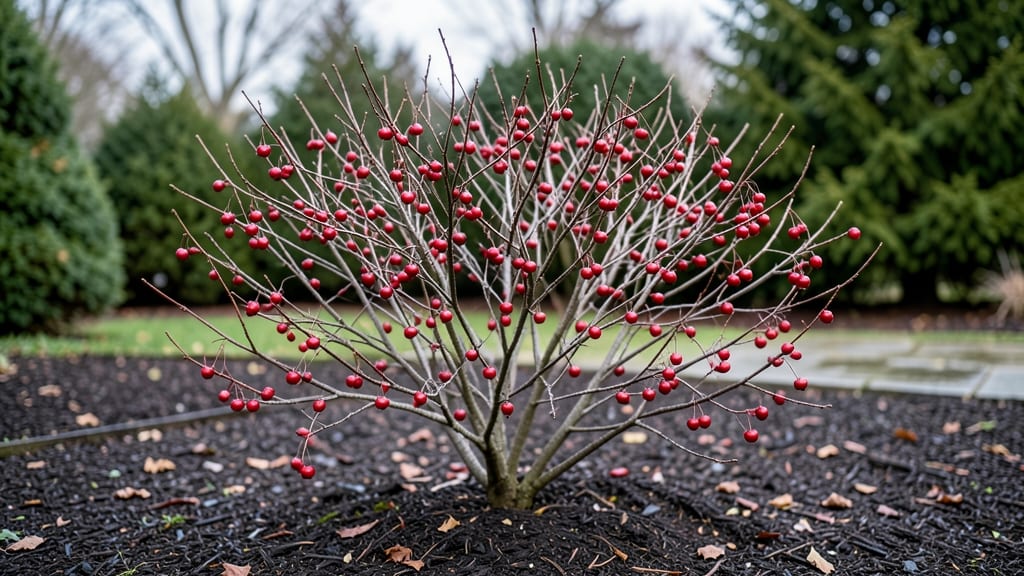
Small red shrubs can transform your garden into a vibrant winter wonderland with almost no effort. 🌿 I’ve filled my borders with these low-maintenance plants, and they’ve become the backbone of my year-round color scheme—especially when everything else is dormant.
Their deep berries and fiery foliage create focal points that draw the eye, even from across the street. The best part? Most thrive in full sun to partial shade and need minimal pruning—just a light trim after flowering to keep them tidy.
Cotoneaster ‘Fireberry’ and Pyracantha ‘Orange Glow’ are two of my favorites, offering glossy leaves, bright berries, and a compact size (3–6 feet tall) that fits almost anywhere. They pair beautifully with evergreens like boxwood or heather for contrast.
By late summer, the berries start ripening, and birds will flock to your yard while you enjoy the bold hues. Plant them along fences, in mixed borders, or even in large containers for instant curb appeal. The red tones pop against green foliage and complement blues and purples perfectly.
For small spaces or urban gardens, these shrubs deliver maximum impact with minimal space. Once established, they’re drought-tolerant and handle cold snaps like champs—ideal for low-maintenance gardeners who still want drama. Let’s get planting!
📚 In This Guide
- What you need
- Instructions
- Tips and common mistakes
- Wrapping up and next steps
What you need
- ● Small red shrubs: 3–5 mature plants (e.g., Cotoneaster franchetii, Pyracantha, or Berberis thunbergii ‘Atropurpurea’)
- ● Size: 1–3 gallons (for established plants) or seed packets (if starting from scratch)
- ● Well-draining soil: 2–3 cubic yards of garden soil mixed with compost (for nutrient-rich beds)
- ○ Optional: Sand or perlite (1 part per 3 parts soil) for sandy or clay-heavy areas
- ● Mulch: 2–3 inches of wood chips or shredded bark (to retain moisture and suppress weeds)
- ● Digging tools: 1 garden shovel (for planting holes)
- ● 1 hand trowel (for delicate root adjustments)
- ● Watering supplies: 1 garden hose with a spray nozzle (for gentle watering)
- ○ 5–10 gallon watering can (optional, for precision)
- ● Pruning tools: 1 pair bypass pruners (for clean cuts)
- ● 1 small handsaw (for thicker stems, if needed)
- ● Safety gear: 1 pair gardening gloves (to protect hands)
- ● 1 sun hat and sunscreen (for outdoor comfort)
- ● Fertilizer: Slow-release balanced fertilizer (10-10-10 ratio, 1 lb per 100 sq ft)
- ● Plant supports: 3–4 small stakes or cages (for young or leggy shrubs)
- ● Soil amendments: Bone meal (1 cup per plant, for root growth)
- ● Epsom salt (1 tbsp per gallon of water, for magnesium boost)
Step-by-step guide to planting and caring for small red shrubs
These vibrant plants deliver four-season color with almost no fuss—just follow these simple steps.
🌱 Step 1: Choose the Right Spot for Maximum Impact
Small red shrubs thrive in full sun to partial shade, with at least 4-6 hours of direct light daily. I always scout the area first—look for spots where the red foliage will pop against your landscape. A backdrop of darker greens or a white fence makes the color really sing.
Check the soil drainage by digging a small hole and filling it with water. If it drains within 1-2 hours, your spot is perfect. Slow drainage? Amend the soil with compost or sand to improve airflow around roots. These shrubs hate soggy feet, so proper drainage is non-negotiable.
🪴 Step 2: Plant with Proper Spacing for Airflow
Dig a hole twice as wide as the shrub's root ball but only as deep. This prevents burying the stem too deeply, which can cause rot. Gently remove the shrub from its container and loosen any circling roots with your fingers—this encourages outward growth instead of root-bound stress.
Place the shrub in the hole so the top of the root ball sits 1 inch above soil level. Backfill with native soil mixed with compost, tamping lightly as you go. Space plants 3-5 feet apart depending on variety—check the tag for mature size. Crowding leads to weak growth and more pruning later.
💧 Step 3: Water Deeply and Mulch to Retain Moisture
Water immediately after planting to settle the soil around roots. Give it a deep soak—enough to wet the soil 12 inches down. You'll know it's right when water runs out the bottom of the hole and stops draining after 10-15 minutes.
Spread 2-3 inches of mulch around the base, keeping it 2 inches away from the stem to prevent rot. I use shredded bark or pine needles—they break down slowly and improve soil over time. Mulch keeps roots cool in summer and insulated in winter, which is key for these tender varieties.
☀️ Step 4: Provide Seasonal Care for Year-Round Color
During the first growing season, water once a week unless you get 1 inch of rain—check soil moisture by sticking your finger 2 inches down. If it feels dry, water deeply. After establishment, these shrubs are drought-tolerant but still need regular moisture to maintain their vibrant red color.
Fertilize lightly in early spring with a balanced 10-10-10 formula. Too much nitrogen makes leaves grow fast but dulls the red pigment. I skip fall fertilization—these shrubs store enough energy over summer to handle winter just fine.
✂️ Step 5: Prune Strategically for Shape and Health
Prune right after flowering in late spring to shape the shrub and encourage bushier growth. Use clean, sharp pruners to cut back 1/3 of the oldest stems to the ground. This makes room for new growth and keeps the plant compact. I always sterilize my tools with rubbing alcohol between cuts to prevent disease.
Remove any dead, diseased, or crossing branches throughout the year. A little maintenance now means you'll have a full, colorful shrub with minimal effort. And here's the secret: never prune in fall—you'll cut off next year's flower buds and lose that stunning seasonal display.
Tips & tricks for perfect small red shrubs
Here's what nobody tells you about keeping these showstopping plants thriving with minimal effort.
Sunlight Strategy: While 4-6 hours of sun is ideal, these shrubs actually tolerate more heat than you might expect. If planting in a hot climate, position them where they get morning sun and afternoon shade—this prevents leaf scorch while maintaining that vibrant red color. I've seen them handle full sun all day in Zone 7 with no issues, as long as the soil stays consistently moist during summer.
Root Health Tip: The 1-2 hour drainage test is your best friend for avoiding soggy soil. If your soil drains slower, mix in equal parts compost and sand to create that perfect airy texture. I've had to rescue struggling shrubs by amending heavy clay soil with this mix—it makes all the difference for root health. Pro tip: Test drainage in multiple spots if your yard has varying soil types.
Pruning Secret: When you're cutting back 1/3 of the oldest stems in Step 5, look for stems that are thicker than a pencil and have lost their vibrant color. These are your candidates for removal. I always make my cuts just above a set of healthy leaves or buds—this encourages new growth right where you want it. And remember, those old stems are still providing structure, so don't remove more than that recommended third!
Watering Wisdom: That 10-15 minute drainage test after watering is crucial—it tells you exactly how deep your water penetrated. For newly planted shrubs, I like to water in the morning so the roots have all day to absorb moisture before evening heat sets in. After establishment, you'll notice the soil stays moist longer because the roots have spread deeper. This is when you can start relying more on natural rainfall and less on manual watering.
Pro Tips for Small Red Shrubs
- Here's what nobody tells you about keeping these showstopping plants thriving with minimal effort.
- Sunlight Strategy: While 4-6 hours of sun is ideal, these shrubs actually tolerate more heat than you might expect. I...
- Root Health Tip: The 1-2 hour drainage test is your best friend for avoiding soggy soil. If your soil drains slower, ...
Frequently asked questions
Got questions about keeping your small red shrubs vibrant and thriving? Here are some of the most common ones—and their answers!
What’s the best time of year to plant small red shrubs?
For most varieties, early spring or fall are ideal—when soil is workable but not freezing. Avoid planting in extreme heat or drought. If you’re in a mild climate, fall planting gives roots time to establish before winter. Always check your specific shrub’s care guide for exceptions!
How much pruning do small red shrubs really need?
These shrubs are low-maintenance! Light pruning in late winter or early spring (before new growth starts) keeps them tidy. Remove dead or overcrowded branches, and shape lightly if desired. Avoid heavy pruning—it can reduce next year’s vibrant blooms. Pro tip: Use clean, sharp shears to prevent disease!
How often should I water small red shrubs?
Water deeply once or twice a week (depending on your climate) during the first year to help roots establish. After that, most mature shrubs tolerate drought once settled. Check soil moisture—if the top 1-2 inches are dry, it’s time to water. Morning watering is best to reduce evaporation and fungal risks.
What pests or diseases should I watch for in small red shrubs?
Common issues include aphids, spider mites, or powdery mildew. Inspect leaves regularly for signs like yellowing, sticky residue (honeydew), or white powder. Treat aphids with a strong spray of water or insecticidal soap. For mildew, improve airflow and avoid overhead watering. Prevention is key!
Can I grow small red shrubs in containers?
Many compact varieties (like Cotoneaster or Pyracantha) thrive in containers with well-draining soil and a pot at least 12-18 inches wide. Choose a sunny spot, water consistently, and repot every 2-3 years. Just ensure the container has drainage holes to prevent root rot.
What are some great alternatives if I want a different red foliage look?
If you love red but want variety, try:
- Heuchera (Coral Bells) – Stunning purple-red foliage with minimal care.
- Ilex verticillata (Winterberry) – Bright red berries in fall/winter (great for wildlife!).
- Berberis (Barberry) – Spiky shrubs with red stems and yellow flowers.
- Skimmia japonica – Glossy green leaves with pink-red berries in winter.
Wrapping up and next steps
Small red shrubs are the perfect low-maintenance heroes for adding vibrant color to your garden with minimal effort! Whether you’re drawn to their striking foliage, easy care, or year-round appeal, these shrubs prove that bold beauty doesn’t require hours of pruning or fuss. 🌿
Ready to transform your outdoor space? Start by choosing the right variety for your climate and soil, then give them the love they deserve—water, sunlight, and occasional trimming. With just a little attention, you’ll enjoy a garden that pops with color all year long!
Next step: Pick your favorite red shrub and get planting—your future self (and your neighbors!) will thank you. 🌸