
Pruning
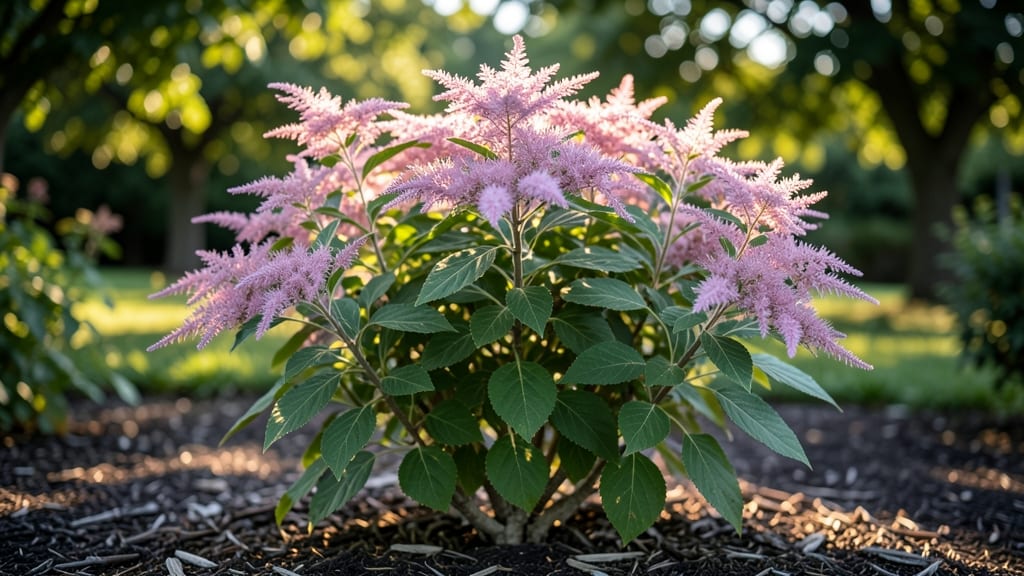
That smoke shrub tree transforms your garden with its wispy, cotton-candy plumes—but only if you prune it right. 🌿 I’ve wrestled with tangled branches and overgrown canopies for years, and these three targeted trims keep it looking effortlessly elegant while preventing thorny chaos.
The secret isn’t just cutting back—it’s timing. Prune in late winter or early spring before new growth starts, and again lightly after flowering to shape the canopy. A third trim in summer keeps it compact. You’ll end up with a thorn-free, airy silhouette that catches light like a living sculpture.
What you’ll love most is how the foliage glows—deep greens, purples, or even golden hues—while the "smoke" effect lingers long after other shrubs fade. The best part? It thrives in full sun to partial shade and tolerates poor soil, making it a low-maintenance star.
Whether you’re shaping a hedge or a standalone specimen, this method works for any size smoke bush. Let’s get those shears ready!
📚 In This Guide
- What you need
- Instructions
- Tips and common mistakes
- Wrapping up and next steps
What you need
- ● Pruning shears: Bypass shears (for clean cuts) or anvil shears (for thicker branches). Specs: 6–8" blades, sharp and rust-resistant (e.g., Felco or Fiskars).
- ● Loppers: 1 pair (18–24" handles) for branches ½–1.5" in diameter.
- ● Pruning saw: 1 lightweight saw (10–12" blade) for branches 1.5" or thicker.
- ● Gloves: Heavy-duty, thorn-resistant gloves (e.g., Mechanix or leather work gloves). Pro tip: 💡 Wear long sleeves to protect against scratches!
- ○ Smoke treatment (optional but recommended): Smoke pellets: 1–2 lbs (e.g., Smoke ‘N Cider or Traeger Pellets—cedar or hickory for best aroma).
- ● Smoker box or tray: Metal tray with lid (or DIY from a tin can with holes drilled in the bottom).
- ● Long-handled tongs: For safely handling hot coals.
- ● Cleaning supplies: Rubbing alcohol (70%+) or isopropyl wipes (for sterilizing tools).
- ● Disposable pruning bags or bucket (for clippings).
- ● Weather check: Prune on a dry, calm day (avoid wind or rain).
- ● Safety gear: Safety glasses (to shield eyes from debris).
- ● Closed-toe shoes or boots (no sandals!).
- ● Dust mask (if allergies are a concern).
- ● First-aid kit: Bandages, antiseptic wipes, and tweezers (for thorn removal).
- ● Ladder (if needed): Sturdy, extendable ladder (20–30 ft) with non-slip feet. ⚠️ Warning: Always have a spotter!
- ● Pruning sealant: 1 small bottle (e.g., Tanglefoot Tree Wound Pruning Seal) to coat large cuts.
- ● Marking spray: Fluorescent paint or spray (to mark branches for removal).
- ● Extension pole: For high branches (avoids ladder use).
- ● Portable fire extinguisher: If smoking, keep within reach.
Step-by-Step instructions for pruning smoke shrub trees
Transform your smoke shrub's wild growth into a thorn-free, manageable canopy with these three strategic trims.
✂️ Step 1: Remove Dead or Diseased Branches First
Start by inspecting your smoke shrub for any branches that are brown, brittle, or showing signs of disease like blackened spots or fungal growth. These branches won't regrow properly and can spread problems to healthy wood. Use sharp, clean pruning shears to make cuts just outside the branch collar—the swollen area where the branch meets the trunk.
I always prune these branches first because they're the easiest to spot and the most urgent to remove. If you see any thorns clustered on a branch, that's often a sign of stress or disease, so target those areas early. Make your cuts at a 45-degree angle about ¼ inch above a bud or leaf node to encourage new growth in the right direction.
✂️ Step 2: Thin Out Crowded Growth for Better Airflow
Smoke shrubs naturally grow dense, which can lead to a tangled mess of thorns and reduced airflow. Focus on removing branches that cross each other or grow inward toward the center of the shrub. These are the branches that create that impenetrable thicket of thorns you're trying to avoid. Aim to remove about 20-30% of the shrub's total growth in this step to maintain its natural shape while improving light penetration.
When thinning, prioritize branches that are thinner than your thumb—these are easier to remove and won't leave large wounds. If you're unsure whether to cut a branch, hold it up against the rest of the shrub. If it disrupts the open, airy look you're going for, it's likely a candidate for removal. Always cut back to a lateral branch or bud rather than leaving a stub.
✂️ Step 3: Shape the Canopy for a Clean, Thorn-Free Look
Now it's time to refine the shrub's shape. Smoke shrubs respond well to pruning, so you can gently coax them into a more manageable form. Step back and visualize the shrub as a rounded dome—this is the natural shape these trees grow into when given space. Use your pruning shears to trim back any branches that extend beyond this ideal shape, cutting just above a bud or leaf node to encourage new growth in the right direction.
Pay special attention to the outer edges of the shrub, where thorns tend to cluster. Trimming these areas lightly will help reduce the density of thorns while maintaining the shrub's fullness. Avoid cutting into old wood—smoke shrubs are more likely to regrow from younger branches. If you're unsure about a cut, err on the side of caution and leave it for next year's pruning.
⏰ Step 4: Time Your Pruning for Optimal Results
The best time to prune smoke shrubs is late winter or early spring, just as new growth begins to emerge. This timing ensures you're not cutting back into wood that will produce flowers or fruit (though smoke shrubs aren't typically grown for either). Pruning at this time also allows the shrub to recover and establish new growth before the heat of summer.
If you notice a few straggly branches later in the season, you can do a light trim to tidy things up, but avoid heavy pruning after mid-summer. This can stimulate new growth that won't have time to harden off before winter, leaving your shrub vulnerable to cold damage. Always clean your pruning tools with rubbing alcohol between cuts to prevent the spread of disease.
Tips & tricks for perfect smoke shrub tree pruning
Here's what nobody tells you about transforming your smoke shrub into a manageable, thorn-free beauty.
The Branch Collar Rule: When making cuts in Step 1, never cut flush with the trunk. The branch collar is your guide—it's that swollen area where the branch meets the trunk. Cutting just outside this collar prevents damage to the tree's natural healing tissue. I've seen too many pruning jobs go wrong because people cut too close or too far away. This simple rule makes all the difference in how quickly your shrub recovers.
Thinning Technique: In Step 2, when you're removing those 20-30% of branches, think about the shrub's natural shape. Hold your hand up to visualize the rounded dome you're aiming for. This mental trick helps you make more intentional cuts. Remember, you're not just removing branches—you're sculpting the shrub's future growth pattern. The goal is to create that open, airy look that reduces thorn density while maintaining the shrub's fullness.
Bud Awareness: Every cut you make should end just above a bud or leaf node. This isn't just arbitrary—it's how you control where new growth will sprout. In Step 3, when shaping the canopy, look for those small buds along the branches. Cutting above them ensures you're encouraging growth in the direction you want. If you're unsure which way the bud is facing, make a small test cut on a less visible branch to practice identifying the proper angle.
Seasonal Timing Insight: The late winter to early spring window mentioned in Step 4 is critical because it coincides with the shrub's natural dormancy period. During this time, the tree is conserving energy and hasn't yet begun active growth. Pruning at this time minimizes stress on the plant. If you must prune later in the season, limit yourself to light maintenance—never heavy pruning—that could stimulate vulnerable new growth before winter.
Pro Tips for Smoke Shrub Tree
- Here's what nobody tells you about transforming your smoke shrub into a manageable, thorn-free beauty.
- The Branch Collar Rule: When making cuts in Step 1, never cut flush with the trunk. The branch collar is your guide—i...
- Thinning Technique: In Step 2, when you're removing those 20-30% of branches, think about the shrub's natural shape. ...
Frequently asked questions
Here are answers to some of the most common questions about pruning your smoke shrub tree—whether you're a first-time gardener or a seasoned green thumb!
When is the best time to prune a smoke shrub tree?
The ideal time to prune your smoke shrub is late winter or early spring, just before new growth begins. This timing ensures you remove dead or weak branches while the plant is dormant, reducing stress. Avoid pruning in fall, as it can stimulate late-season growth that may not harden off before winter.
How much can I trim back my smoke shrub without harming it?
You can safely trim up to one-third of the plant’s total volume in a single season, but avoid heavy pruning more than once every few years. Smoke shrubs are resilient, but over-pruning can stress the plant. Focus on shaping and thinning rather than drastic cuts—aim for an open, airy canopy to reduce disease risk.
Why does my smoke shrub have so many thorns? Can I remove them?
Thorns are a natural defense mechanism for smoke shrubs, but you can minimize them with proper pruning. When you trim back new growth early, you encourage denser, less spiky foliage. Use gloves and long sleeves—thorns are sharp!—and avoid pruning in wet conditions to reduce irritation.
What if I prune at the wrong time and the shrub looks sad?
Don’t panic! If you prune too late (like mid-summer), your smoke shrub may look stressed, but it often recovers by next spring. Water deeply after pruning and avoid fertilizing until new growth appears. If branches die back completely, they’ll likely regrow from the base—just be patient and monitor for pests or disease.
Are there alternatives to pruning if I don’t want to deal with thorns?
If thorns are a dealbreaker, consider less thorny alternatives like Russian olive (Elaeagnus angustifolia) or cotoneaster shrubs, which offer similar drought tolerance and ornamental value. However, smoke shrubs are prized for their silvery foliage and low-maintenance nature—so if you love the look, pruning is worth the effort!
Wrapping up and next steps
Transforming your smoke shrub tree into a thriving, thorn-free beauty is totally within reach! With the right tools, timing, and techniques—like the three targeted trims we’ve covered—you’ll enjoy a lush, manageable canopy that’s as healthy as it is stunning. 🌿✨
Ready to take the next step? Grab your pruners, schedule that first trim for early spring, and watch your smoke shrub flourish. Your green thumb is closer than you think!