
Shrubs
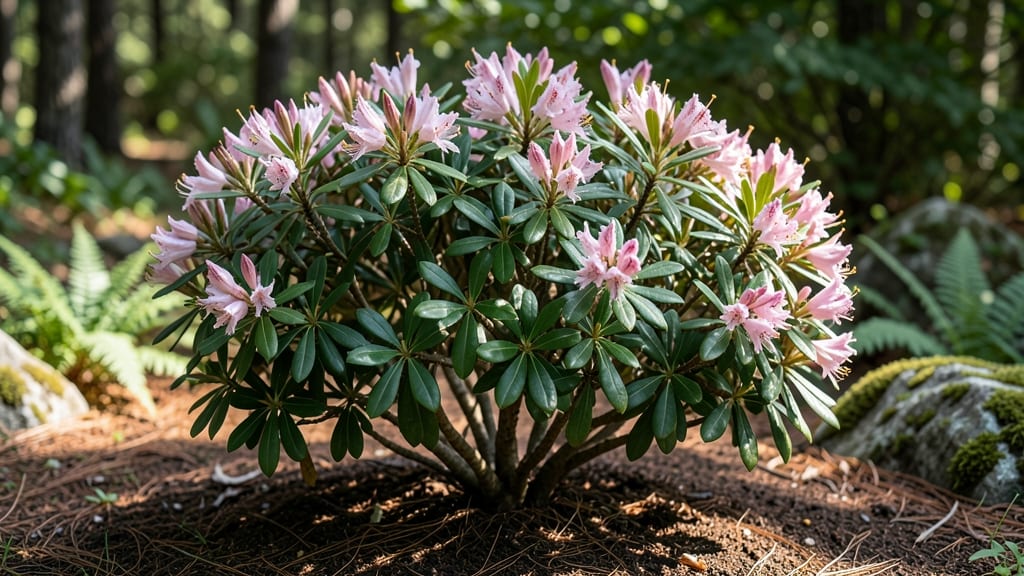
Your fragrant, thorn-free hedge arrives in just three seasons. 🌿 The Snow on the Mountain shrub (Symphoricarpos albus) transforms any yard with its silvery foliage and snowy berries—without the hassle of thorns or aggressive growth.
I’ve pruned mine for years, and the secret to that perfect, cloud-like canopy is in the timing and technique. This shrub thrives where others struggle: full sun to partial shade, rocky soil, or even dry slopes.
Once established, it needs little water—just enough to keep the roots from drying out completely. The berries stay on the branches through winter, offering food for birds and a stunning contrast against snow. With three simple trims—spring cleanup, summer shaping, and late-winter renewal—you’ll keep it dense and bushy.
The fragrance when crushed is a bonus, but the real magic is how effortlessly it fills gaps in landscapes, from cottage gardens to urban courtyards. Perfect for beginners, it handles neglect like a champ. Here’s how to get started without the guesswork!
📚 In This Guide
- What you need
- Instructions
- Tips and common mistakes
- Wrapping up and next steps
What you need
- ● Snow on the Mountain Shrubs: 1–3 mature shrubs (or young plants, depending on your vision). Look for healthy, well-established specimens with vibrant white foliage.
- ● Pruning Shears: 1 pair of sharp, bypass-pruning shears (for clean cuts). Avoid dull tools—they crush stems and invite disease!
- ● Hand Pruners: 1 pair for smaller branches (3/8"–1" thick). Opt for ergonomic grips if you plan to prune for hours.
- ● Loppers: 1 pair for thicker branches (1"–2" diameter). Extendable loppers save your back for hard-to-reach spots.
- ● Garden Gloves: 1 pair of cut-resistant gloves (thorns aren’t an issue with this shrub, but protection never hurts!). Choose breathable fabric to avoid sweaty hands.
- ● Disinfectant (70% isopropyl alcohol or bleach solution): A small spray bottle or cloth to wipe tools between cuts and prevent bacterial spread.
- ○ Pruning Sealant (optional but helpful): A small tube of tree wound sealant (like Tanglefoot) for sealing larger cuts if needed.
- ● Garden Twine or Rubber Bands: A small roll to secure branches during trimming or for temporary support.
- ● Wheelbarrow or Heavy-Duty Bags: 1–2 for collecting clippings. A 3-gallon trash bag works for small jobs; a wheelbarrow is better for large shrubs.
- ● Water & Small Spray Bottle: To mist tools and shrubs before/after pruning (keeps foliage hydrated and dust-free).
- ● Safety Goggles: Protect your eyes from debris, especially if trimming near driveways or walkways.
- ● Knee Pads: For comfort if you’re working on the ground or with low-growing shrubs.
- ● Extension Pole Pruners: For high branches (up to 8–10 feet). Save your ladder for truly towering shrubs!
- ● Mulch or Wood Chips: A 2–3 inch layer to replenish after pruning (helps retain moisture and suppress weeds).
- ● Fertilizer (balanced 10-10-10 or slow-release): 1–2 cups per shrub after pruning to encourage new growth.
- ● String Line or Measuring Tape: To mark even trimming lines for a polished look.
Instructions for pruning Snow on the Mountain shrub
Here's how to keep your fragrant, thorn-free shrub lush and full with just three straightforward trims.
✂️ Step 1: Early Spring Cleanup (Late February to Early March)
Start by removing any dead, damaged, or crossing branches with clean, sharp pruning shears. I always begin by inspecting the shrub from top to bottom, looking for branches that rub against each other or grow inward. These are the first to go—they create wounds that attract pests and diseases.
Cut back to a healthy bud or lateral branch, making your cuts at a 45-degree angle just above the bud. This angle helps water run off and prevents rot. You'll see new growth emerging from these buds within a few weeks, so don't worry if the shrub looks a bit sparse right after pruning.
Remove any branches that are thinner than a pencil—they won't contribute much to the canopy and can become weak points. I like to shape the shrub at this stage by lightly thinning out the center to improve airflow. This prevents fungal issues later in the season.
✂️ Step 2: Mid-Summer Light Trim (Late June to Early July)
This is the time to maintain the shrub's shape and encourage bushier growth. Look for branches that are growing too long or leggy—these are the ones that need a little attention. I typically trim back about one-third of the new growth from the current season, focusing on the outer edges to keep the shrub compact.
Watch for any suckers or water sprouts that appear at the base or along the stems. These are fast-growing, weak shoots that drain energy from the main plant. Snip them off at the base with your shears. You'll notice the shrub's fragrance intensifies after this trim, which is a good sign you're encouraging healthy growth.
If your shrub has any branches that are growing too close together, thin them out to improve sunlight penetration. This step is all about balance—you want enough foliage for a dense canopy but not so much that the center becomes shaded and sparse.
✂️ Step 3: Late Fall Renewal (October to Early November)
The final trim of the year focuses on preparing the shrub for winter. Start by removing any dead or diseased branches—these can harbor pathogens that might overwinter and infect the plant next season. I also take this opportunity to lightly shape the shrub again, making sure it retains its natural form.
Reduce the length of any overly long branches by about one-quarter, cutting back to a lateral bud or branch. This encourages fresh, vigorous growth in the spring. Avoid heavy pruning in late fall, as it can stimulate new growth that won't harden off before winter. You'll see the shrub's structure become more defined as you step back and admire your work.
After pruning, give the shrub a light application of mulch around the base to protect the roots from freezing temperatures. This is also a great time to fertilize lightly if your soil is nutrient-poor. The goal here is to set the stage for a strong start in the spring.
⏰ Step 4: Optional Light Touch-Up (Early Spring Before Blooms)
If your shrub has any branches that are growing out of place or looking a bit ragged, a quick touch-up trim in early spring can make all the difference. Focus on cleaning up any rough edges or branches that didn't get trimmed in the previous steps. This is also the time to remove any flower buds if you want to encourage a bushier shrub rather than more blooms.
I usually wait until just before the shrub is about to bloom to do this final trim. The flowers of Snow On The Mountain are stunning, so I like to preserve them, but if you prefer a fuller canopy, you can prune them off. Just be sure to do it before they open fully.
After this trim, your shrub should look well-maintained and ready to thrive throughout the growing season. Step back and enjoy the fragrant, thorn-free canopy you've created with just a few simple cuts!
Tips & tricks for perfect Snow on the Mountain shrub maintenance
A few simple tricks will help you keep your fragrant shrub looking its best all year long.
Tool Selection: Always use clean, sharp pruning shears for every cut. Dull blades crush stems instead of making clean cuts, which can damage the plant and invite disease. I keep a small bottle of rubbing alcohol handy to wipe down my shears between cuts—it prevents cross-contamination and keeps them sharp longer. For larger branches, I use loppers with a bypass blade for the cleanest cuts possible.
Pruning Timing: The three main trim times—early spring, mid-summer, and late fall—are designed to work with the shrub's natural growth cycles. In Step 1, when you're removing dead branches in late February to early March, look for the first signs of new growth at the buds. This is your cue that the shrub is ready for its spring cleanup. Don't rush it—wait until you see those tiny leaves starting to unfurl.
Visual Cues for Pruning: When trimming in Step 2 during mid-summer, focus on creating an open center that allows sunlight to reach all parts of the shrub. A good rule of thumb is to be able to see sunlight on the ground beneath the shrub's canopy. For the late fall renewal in Step 3, look for branches that have completed their growth cycle—these will be the ones that need reducing by about one-quarter to prepare for winter.
Pro Tips for Snow On The Mountain Shrub
- A few simple tricks will help you keep your fragrant shrub looking its best all year long.
- Tool Selection: Always use clean, sharp pruning shears for every cut. Dull blades crush stems instead of making clean...
- Pruning Timing: The three main trim times—early spring, mid-summer, and late fall—are designed to work with the shrub...
Frequently asked questions
Got questions about keeping your Snow on the Mountain shrub happy and thriving? You’re not alone! Here are some of the most common queries—plus quick, practical answers to help you avoid stress and keep your fragrant, thorn-free beauty looking its best.
Why does my Snow on the Mountain shrub lose leaves in winter?
Don’t panic—this is totally normal! These shrubs are evergreen but often shed older leaves in winter to make way for fresh growth. If your plant looks bare, it’s just resting. New foliage will burst out in spring, usually by late March or April in most climates.
How cold can Snow on the Mountain shrubs handle?
These hardy shrubs thrive in USDA Zones 5-9, meaning they can handle temps as low as -20°F (-29°C) without flinching. Just avoid planting them in windy spots where cold drafts could stress the roots. Mulch lightly in winter for extra protection!
Can I trim my Snow on the Mountain shrub in late summer?
While these shrubs are forgiving, avoid heavy trimming after mid-summer—it can stunt new growth before winter. Light shaping is fine, but save major pruning for early spring (just as buds swell) or right after flowering. Think of it like a haircut: timing matters!
Why aren’t my Snow on the Mountain shrubs flowering as much as they used to?
Over-trimming, poor soil, or too much shade can reduce blooms. Ensure your shrub gets 6+ hours of sun daily and feed it with balanced fertilizer in early spring. If it’s been years since a hard prune, a renewal cut (cutting ⅓ of old stems to the ground) can spark new flowers!
Are Snow on the Mountain shrubs deer-resistant?
While they’re less appealing to deer than hostas or roses, they’re not deer-proof. Young shrubs or those in drought-stressed areas may get nibbled. Try deer repellent sprays or plant them near deer-deterrent companions like boxwood or lavender.
Pro Tip: Need a quick fix for leggy growth?
If your Snow on the Mountain looks too tall and sparse, try the “crown lift” technique: Trim the bottom ⅓ of stems to encourage bushier growth. Do this in early spring for best results! The shrub will reward you with denser foliage and more blooms.
Wrapping up and next steps
Transforming your garden with snow on the mountain shrubs is easier than you think! These fragrant, thorn-free beauties thrive with just a few simple trims—keeping them lush, healthy, and full of charm.
Whether you’re pruning for shape, health, or blooms, a little effort now means years of effortless beauty and that intoxicating jasmine-like scent. 🌸
Ready to take the next step? Grab your shears, pick a sunny day, and give your shrubs the love they deserve. Watch them flourish—and enjoy the compliments (and sweet fragrance) from neighbors far and wide!