
Shrubs
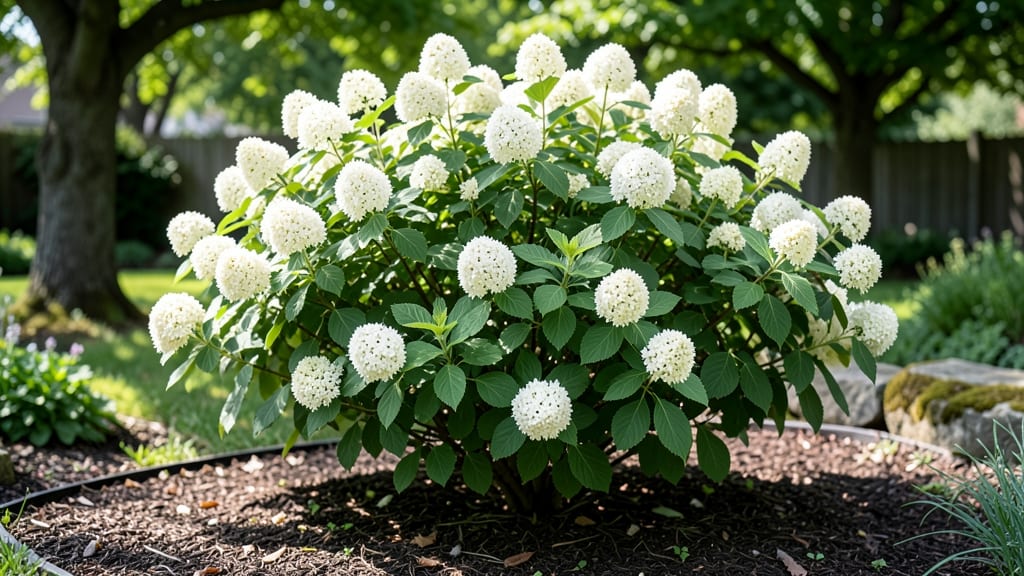
Your yard deserves a snowball flowering shrub—that lush, fragrant canopy that blooms like cotton puffs in spring and keeps its charm all year. 🌿 I planted mine last autumn, and now it’s the star of my shady corner, with glossy leaves that turn burgundy in fall and tiny red berries that birds adore.
These shrubs thrive in partial shade where others falter, making them perfect for under trees or along north-facing walls. They’re cold-hardy down to zone 3, so they’ll outlast many other ornamentals—just give them well-drained soil and consistent moisture while they establish. The secret to those iconic snowball blooms?
Pruning lightly after flowering to encourage next year’s display. By midsummer, you’ll be surrounded by football-sized clusters of white blossoms that smell like vanilla, followed by glossy foliage that stays vibrant until frost. The best part?
Minimal fuss once they’re settled—just an annual check for pests (usually none) and a mulch top-up in spring. Whether you’re filling a large border or a small city garden, this shrub delivers four-season interest with almost no effort. Let’s get yours growing!
📚 In This Guide
- What you need
- Instructions
- Tips and common mistakes
- Wrapping up and next steps
What you need
- ● Snowball flowering shrub (Viburnum opulus or Viburnum bodnantense): 1–3 mature plants (for full coverage, space 6–10 feet apart)
- ● Container-grown or bare-root (check local nursery availability)
- ● Well-draining soil mix (if amending native soil): 2–3 parts topsoil
- ● 1 part compost or aged manure
- ● 1 part perlite or coarse sand (for sandy/clay-heavy soils)
- ● Organic mulch (2–3 inches): Shredded bark, wood chips, or pine straw
- ○ Slow-release fertilizer (optional but recommended): 10-10-10 or balanced organic fertilizer (e.g., fish emulsion)
- ● Garden tools: Trowel or hand shovel
- ● Garden fork (for breaking up compacted soil)
- ● Pruning shears (sterilized with rubbing alcohol)
- ○ Safety gear (optional but wise): Garden gloves (for thorny varieties like Viburnum opulus)
- ● Knee pads (for comfort during planting)
- ● Prerequisites: Sunlight assessment: Partial shade to full sun (6+ hours/day for best blooms)
- ● Soil pH test (ideal range: 5.0–7.0; adjust with lime or sulfur if needed)
- ● Water source (hose with adjustable nozzle or drip irrigation)
Step-by-Step guide to planting and caring for snowball flowering shrubs
Here's how to establish a fragrant, cold-resistant canopy that thrives year after year.
🌱 Step 1: Choose the Perfect Planting Location
Snowball shrubs (Viburnum opulus) adore full sun to partial shade—think 4-6 hours of direct sunlight daily. I always pick a spot with morning sun and afternoon shade, especially in hotter climates. The soil should drain well but stay moist; these shrubs hate soggy roots but won't tolerate drought either.
Test your spot by digging a 12-inch deep hole. If water pools after 30 minutes, amend the soil with compost or organic matter to improve drainage. A slightly acidic to neutral pH (6.0-7.0) works best. If your soil is heavy clay, mix in 1 part sand to 3 parts soil to loosen it.
🪴 Step 2: Plant at the Right Depth and Spacing
Dig a hole twice as wide as the root ball but no deeper. Gently remove the shrub from its container and loosen any circling roots with your fingers. Place it in the hole so the top of the root ball sits 1 inch above ground level—this prevents rot when soil settles.
Backfill with native soil mixed with compost, tamping lightly every 2 inches to eliminate air pockets. Space multiple shrubs 6-10 feet apart for a full, layered canopy. Water deeply right after planting to settle the soil and encourage root contact. You'll see new growth within 3-4 weeks if conditions are right.
☀️ Step 3: Water and Mulch for First-Year Establishment
Keep the soil consistently moist but not waterlogged for the first 6-8 weeks. Water deeply 2-3 times per week until the shrub establishes a strong root system. You'll know it's settled in when leaves stay firm and vibrant, not wilting or yellowing.
Spread 2-3 inches of mulch around the base, keeping it 6 inches away from the trunk to prevent rot. I use shredded bark or pine needles—they retain moisture while allowing airflow. Replenish mulch annually to maintain protection against temperature swings.
✂️ Step 4: Prune for Shape and Health
Prune right after flowering (late spring to early summer) to shape the shrub and encourage dense growth. Remove any dead, diseased, or crossing branches first. Then, trim back overgrown stems by ⅓ of their length to stimulate bushier growth.
For a rounded shape, cut just above a leaf bud or lateral branch. Avoid heavy pruning in fall or winter—you'll sacrifice next year's blooms. Snowball shrubs reward patience; a well-maintained plant can live for decades with minimal care.
🌿 Step 5: Maintain Year-Round Fragrance and Health
Fertilize lightly in early spring with a balanced 10-10-10 formula, spreading it over the root zone and watering it in. These shrubs aren't heavy feeders—over-fertilizing leads to weak growth and fewer flowers. Watch for pests like spider mites or scale; a strong spray of water usually clears them up.
In winter, a light layer of mulch protects roots from freeze-thaw cycles. Snowball shrubs handle cold beautifully, but a thick blanket of snow can weigh down branches. Gently brush off accumulation to prevent breakage. With proper care, you'll enjoy their signature white blossoms and sweet fragrance for years.
Tips & tricks for perfect snowball flowering shrub planting
These simple strategies will help your snowball shrubs thrive for decades—no green thumb required.
Sunlight Strategy: That 4-6 hours of daily sun in Step 1 is non-negotiable for vibrant blooms. I've seen shrubs struggle in spots that get only 3 hours of morning sun—afternoon shade helps, but morning light is critical. If your yard lacks full sun, choose a location with the most consistent light exposure, even if it means sacrificing a less desirable spot.
Soil Test Tip: Before amending your soil, grab a simple pH test kit (they're cheap at garden centers). Snowball shrubs prefer that 6.0-7.0 range, but many garden soils run acidic. If your test shows pH below 6.0, mix in a bit of lime to raise it gradually—don't overdo it, as sudden pH changes can stress the plant. I've had to adjust soil pH twice before getting it just right.
Planting Depth Secret: That 1-inch above ground level in Step 2 might seem small, but it's crucial. When soil settles after watering, the root crown should never be buried—this prevents rot and encourages strong root growth. I mark the root ball with a pencil before planting to ensure I don't bury it too deeply. A buried root crown is one of the most common mistakes I see with new plantings.
Watering Wisdom: During those first 6-8 weeks, I set a timer to remind me to water—these shrubs need consistent moisture but hate soggy roots. The key is deep watering (about 1 inch per week) rather than frequent light watering. You'll know you're doing it right when you see new growth within 3-4 weeks, as mentioned in Step 2. If leaves start wilting, it's usually a sign of either underwatering or poor drainage.
Pro Tips for Snowball Flowering Shrub
- These simple strategies will help your snowball shrubs thrive for decades—no green thumb required.
- Sunlight Strategy: That 4-6 hours of daily sun in Step 1 is non-negotiable for vibrant blooms. I've seen shrubs strug...
- Soil Test Tip: Before amending your soil, grab a simple pH test kit (they're cheap at garden centers). Snowball shrub...
Frequently asked questions
Got questions about growing and caring for your snowball flowering shrub? You’re not alone! Here are some of the most common queries—plus straightforward answers to help you keep your shrub thriving.
How fast does a snowball flowering shrub grow?
A healthy snowball flowering shrub (like Viburnum opulus) grows about 12–24 inches per year, reaching maturity (6–10 feet tall) in 5–10 years. Prune in late winter to encourage bushier growth and maintain its rounded shape. For faster results, fertilize lightly in early spring with a balanced, slow-release formula.
Can snowball shrubs survive harsh winters?
These shrubs are extremely cold-hardy, thriving in USDA Zones 2–7. They tolerate snow, ice, and even late frosts—just avoid pruning until after the last frost to prevent winter damage. Mulch around the base in early fall for extra protection in Zone 2 areas.
Why isn’t my snowball shrub flowering?
No blooms? Check these fixes:
- Age: Young shrubs (under 3 years) may not flower yet—be patient!
- Sunlight: Ensure it gets 6+ hours of sun daily (partial shade is okay, but too little light delays blooms).
- Pruning: Over-pruning can reduce flowers. Trim only after blooming to preserve next year’s buds.
- Nutrients: A light spring fertilizer (like 10-10-10) can boost flowering.
If the issue persists, check for pests (like spider mites) or root rot.
What are the best alternatives if I want a similar look?
Love the snowball shrub’s fragrant blooms and structure? Try these cold-hardy, low-maintenance options:
- Viburnum bodnantense ("Winter Sunshine") – Early spring blooms, Zone 5–8.
- Hydrangea paniculata ("Limelight") – Large, cone-shaped flowers, Zone 3–8.
- Weigela florida – Vibrant pink/purple blooms, Zone 4–8.
- Spirea japonica ("Goldflame") – Compact, colorful foliage + flowers, Zone 4–9.
All offer year-round interest with minimal fuss!
Are snowball shrubs prone to pests or diseases?
While generally resilient, watch for:
- Spider mites (yellowing leaves) – Spray with water or neem oil.
- Scale insects (sticky residue) – Prune affected branches and treat with horticultural oil.
- Powdery mildew (white dust) – Improve airflow and avoid overhead watering.
- Canker diseases – Remove infected branches immediately and sterilize tools.
Pro tip: Healthy soil (well-draining, slightly acidic) and proper spacing prevent most issues.
Wrapping up and next steps
Transforming your outdoor space with a snowball flowering shrub isn’t just about beauty—it’s about adding timeless elegance and resilience to your garden. These cold-hardy, fragrant shrubs thrive with minimal fuss, making them the perfect choice for both novice and seasoned gardeners.
Whether you’re drawn to their showstopping blooms or their year-round charm, now’s the time to plant, nurture, and enjoy!
Ready to take the next step? Research your local climate zone to pick the best variety, then grab your gloves and get planting! Your garden’s new star is waiting for its debut. 🌸✨