
Shrubs
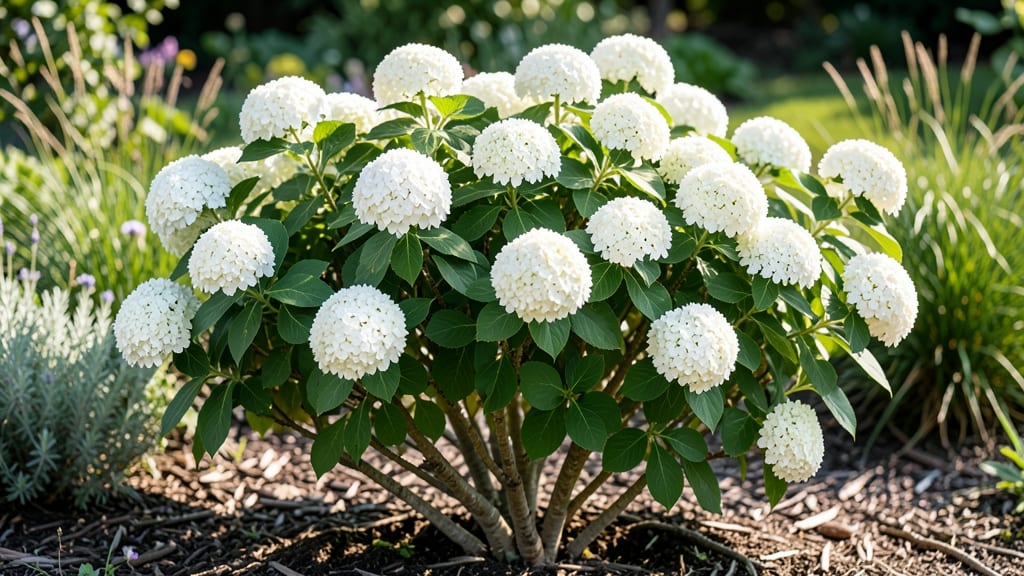
Your snowball hydrangea shrubs could be covered in glossy white blooms by next summer—if you prune them right. ✂️ I’ve watched these plants go from leggy messes to showstopping garden stars after mastering the timing and technique, and the secret isn’t complicated: it’s all about when (and how) you cut.
The right pruning turns a shrub that fades after blooming into one that stays lush and fragrant all season.
These shrubs thrive in partial shade to full sun and love well-draining soil with a touch of organic matter. Plant them 3-5 feet apart so they have room to grow into their classic rounded shape, and water deeply after planting to help roots establish.
The key to those iconic snowball blooms? Pruning in late winter or early spring—right before new growth starts—so you never cut off next year’s flowers. Most gardeners mess this up by pruning too late, which leaves their shrubs looking bare.
What you’ll end up with is a fragrant, evergreen canopy that blooms from mid-summer through fall, with fewer floppy stems and more vibrant color. The blooms even dry beautifully for winter arrangements, and the shrub’s sturdy branches make it perfect for mixed borders or as a standalone focal point.
Once you see how simple it is, you’ll wonder why you didn’t start sooner.
Works for both new plantings and established shrubs, and the same principles apply whether you’re in a humid climate or a drier one. Here’s how to get it right the first time—no more sad, bare stems or missed blooms.
📚 In This Guide
- What you need
- Instructions
- Tips and common mistakes
- Wrapping up and next steps
What you need
- ● Pruning shears: Bypass pruners (sharp, clean, and 4-6 inches long) for clean cuts.
- ● Loppers: For thicker branches (½–1½ inches)—extendable handles are a plus!
- ● Garden gloves: Heavy-duty, cut-resistant (hydrangeas can be thorny!).
- ● Disinfectant: Rubbing alcohol (70%+) or hydrogen peroxide (to sterilize tools between cuts).
- ○ Pruning saw: Optional but handy for stubborn, woody stems (8–10 inches blade).
- ● Compost bin or bag: For trimmings—hydrangea clippings make great mulch!
- ● Know your hydrangea’s age: Mature shrubs (3+ years) need renewal pruning; younger ones just need shaping.
- ● Weather window: Prune on a dry, cool day (avoid frost or extreme heat).
- ● Ladder or stool: If your shrub is 6+ feet tall—safety first!
- ○ Marking twine (optional): To tag stems for removal before cutting.
- ● Mulch: Shredded bark or pine straw (2–3 inches deep) to protect roots post-prune.
Instructions for pruning snowball hydrangeas
Here’s the straightforward approach I use to keep these shrubs blooming abundantly while maintaining their iconic shape.
✂️ Step 1: Prune Immediately After Flowering
Snowball hydrangeas bloom on old wood, meaning last year’s growth produces this year’s flowers. The best time to prune is right after flowering—typically in late summer or early fall—when the blooms have faded but before new buds form. This prevents cutting off next year’s flowers.
Start by removing dead, diseased, or crossing branches first. These compete with healthy growth and disrupt the shrub’s natural shape. Use clean, sharp pruning shears to make cuts just above a bud or leaf node—this encourages new growth in the right direction. I like to step back often to check the overall shape; you want to maintain that rounded, lush silhouette.
✂️ Step 2: Lightly Shape the Canopy
Once you’ve removed the problem branches, it’s time for light shaping. Snowball hydrangeas thrive when they have good airflow, so avoid over-trimming the center. Focus on opening up the interior by selectively pruning branches that are growing inward or rubbing against others.
Cut back 10-20% of the oldest stems to encourage new growth. These are usually the thickest, woody branches at the base. You’ll know you’re doing it right when you see healthy green stems emerging from the base in spring. Avoid heavy pruning—this can reduce next year’s blooms significantly.
☀️ Step 3: Thin Out Overcrowded Branches
Over time, hydrangeas develop a dense tangle of branches. To keep them airy and prevent disease, thin out crowded areas by removing every third or fourth branch from the center outward. This improves sunlight penetration and reduces humidity trapped inside the shrub.
Look for branches that are thinner than a pencil—these are likely new growth that can be pruned back to encourage stronger stems. If a branch is dead or weak, cut it all the way back to the base. You’ll notice a difference in the shrub’s vigor within a season—less congestion means fewer pests and better blooms.
⏰ Step 4: Final Cleanup in Late Winter
In late winter or early spring, before new growth begins, do a light cleanup. Remove any dead or broken branches that might have been missed earlier. This is also the time to shape lightly if needed, but avoid heavy pruning—you want to preserve next year’s flower buds.
After pruning, give the shrub a layer of mulch (about 2-3 inches) to protect roots and retain moisture. Water deeply to help the plant recover. You’ll see fresh, vibrant growth within a few weeks—this is your reward for keeping the shrub healthy and well-structured.
Tips & tricks for perfect snowball hydrangea pruning
Keeping these iconic shrubs thriving requires timing and technique—here's how to avoid common pitfalls while maximizing blooms.
Timing is Everything: The late summer/early fall window is critical because snowball hydrangeas bloom on old wood. If you prune too early, you risk cutting off next year's flower buds. I mark my calendar for when blooms fade completely—usually around late August in my zone, but check your local frost dates. Waiting until after the first frost ensures you've caught all the spent blooms but haven't triggered new growth.
Tool Prep Makes All the Difference: Before you start, sharpen your pruning shears and disinfect them with rubbing alcohol. Dull blades tear instead of cleanly cutting, which stresses the plant. I also like to wear gloves—hydrangea leaves can irritate skin, and you'll be handling plenty of them. Keep a small bucket nearby to collect debris as you go; it makes cleanup much easier later.
Visual Cues Over Rules: While the instructions mention cutting back 10-20% of oldest stems, I focus more on visual cues. Look for stems that are clearly thicker than your thumb—these are your oldest growth. The goal is to create a balanced silhouette where sunlight can reach all parts of the shrub. If you're unsure, step back and compare both sides—you want symmetry that maintains that classic rounded shape.
Seasonal Follow-Up: That light winter cleanup isn't just about tidiness—it's about preparing for spring. I always check for any missed dead branches in late winter, then add a 2-3 inch layer of mulch. This protects roots from temperature swings and retains moisture. The mulch also helps prevent soil-borne diseases by keeping branches from touching the ground where they could rot.
Pro Tips for Snowball Hydrangea Shrubs
- Keeping these iconic shrubs thriving requires timing and technique—here's how to avoid common pitfalls while maximizing blooms.
- Timing is Everything: The late summer/early fall window is critical because snowball hydrangeas bloom on old wood.
- Tool Prep Makes All the Difference: Before you start, sharpen your pruning shears and disinfect them with rubbing alcohol.
Frequently asked questions
Got questions about your snowball hydrangea shrubs?
Here are answers to the most common ones—so you can keep those lush, fragrant blooms thriving year after year!
When is the best time to prune snowball hydrangeas?
Prune your snowball hydrangeas right after flowering (late spring to early summer). This ensures you don’t cut off next year’s blooms, which form on old wood. Avoid heavy pruning in fall or winter, as cold damage can stress the plant. Light shaping in late winter (before buds swell) is fine, but keep it minimal!
Can I prune snowball hydrangeas in winter?
Winter pruning is not ideal—it exposes fresh cuts to harsh conditions, risking dieback or disease. If you must prune in winter, do so only after the ground freezes (late December/early January) and avoid removing more than 20% of the plant. Wait until spring to shape it properly for the best results!
What if my snowball hydrangea isn’t blooming?
No blooms? Check these fixes:
- Pruning timing: If pruned before flowering, you may have cut off next year’s buds.
- Sunlight: These shrubs need 6+ hours of sun—too much shade = fewer blooms.
- Age: Young shrubs (under 3 years) may need patience. Fertilize lightly in spring for a boost.
- Deadheading: Remove spent blooms to encourage new growth.
Are snowball hydrangeas deer-resistant?
Unfortunately, no—deer love hydrangeas! While they’re not as preferred as hostas, deer will nibble if hungry. Protect young plants with deer netting or repellents. Mature shrubs are less appealing, but don’t count on them being completely safe.
How cold-hardy are snowball hydrangeas?
Snowball hydrangeas (Hydrangea arborescens) are hardy to USDA Zones 3–9, meaning they handle winters as cold as -40°F (-40°C) with proper care. Mulch the base in late fall to insulate roots. In Zone 9+, provide afternoon shade in summer to prevent heat stress.
What’s a good alternative if I want a similar look?
If snowball hydrangeas aren’t your style, try these fragrant, low-maintenance shrubs:
- Oakleaf hydrangea (H. quercifolia) – Stunning fall color + sweet blooms.
- Panicle hydrangea (H. paniculata) – Long-lasting blooms, drought-tolerant.
- Dwarf butterfly bush (Buddleja davidii) – Fragrant, attracts pollinators.
Wrapping up and next steps
Transforming your garden with snowball hydrangea shrubs is a rewarding journey that blends beauty, fragrance, and low-maintenance care. By mastering the art of pruning—whether for spring bloomers or late-season varieties—you’ll unlock lush, vibrant canopies that thrive year-round. 🌸
Ready to take the next step? Grab your pruners, sketch a quick pruning plan based on your shrub’s needs, and schedule your first trim this season. Your future blooms will thank you!