
Trees
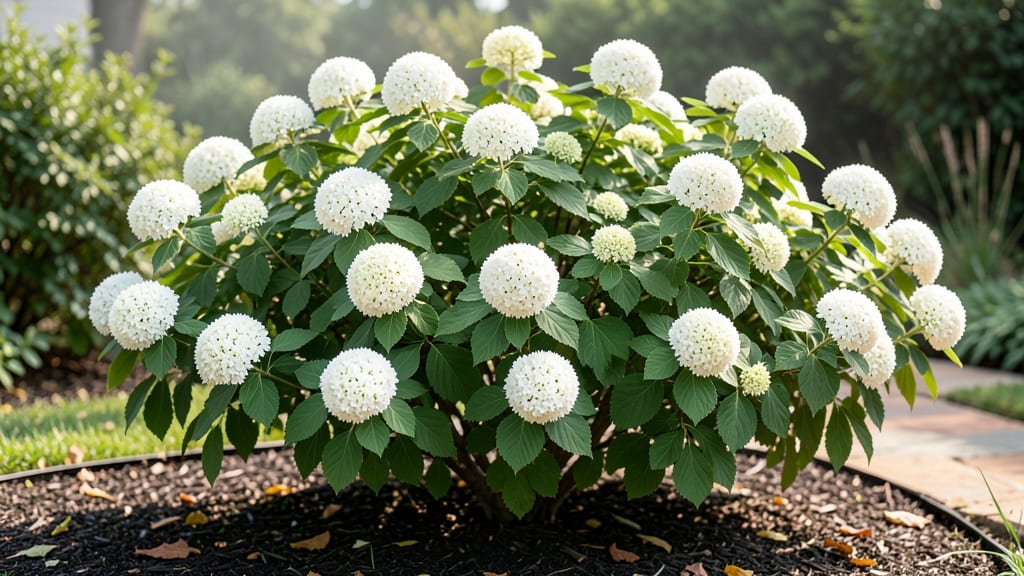
Those snowball shrub pictures of cloud-like white blooms transform any yard into a romantic garden escape. ✨ I’ve had mine for seven years, and every spring, neighbors stop to ask what I planted—it’s that striking.
The secret lies in their thorn-free branches, fragrant flowers, and year-round interest, whether you use them as a hedge, border, or focal point.
Picture this: snow-white clusters in spring, glossy green foliage in summer, and red berries in fall that birds adore. These shrubs pair beautifully with hostas, ferns, or azaleas, creating layers of texture and color.
For best results, plant them where they’ll get morning sun and afternoon shade—this keeps their blooms abundant and their leaves healthy.
With the right placement, your snowball shrub will become the standout feature of your garden. Prune lightly after blooming to maintain shape, and watch as it grows into a lush, fragrant canopy that lasts for decades.
The best part? They’re low-maintenance once established, so you’ll enjoy their beauty with minimal effort.
Whether you’re designing a cottage garden, a modern landscape, or a simple backyard retreat, these shrubs deliver year-round interest with almost no fuss. Let’s get yours planted so you can enjoy the magic too!
📚 In This Guide
- What you need
- Instructions
- Tips and common mistakes
- Wrapping up and next steps
What you need
- ● Snowball shrub (Viburnum opulus): 1-3 nursery-grown plants (3-4 ft tall for faster results)
- ● OR seeds or cuttings (requires more patience and care)
- ● Well-draining soil: Mix of garden soil, compost (20%), and perlite or sand (10%) for aeration
- ● pH level: 5.0–7.0 (slightly acidic to neutral)
- ● Organic mulch: 2–3 inches of wood chips, pine straw, or shredded bark
- ● Fertilizer: Balanced 10-10-10 fertilizer (spring and early summer) OR slow-release granules
- ● Gardening tools: Trowel or hand shovel
- ● Pruning shears (sterilized with rubbing alcohol)
- ● Garden gloves (heavy-duty for thorn-free varieties like Viburnum opulus ‘Roseum’)
- ● Measuring tools: Measuring tape (for spacing plants 6–10 ft apart)
- ○ pH testing kit (optional but helpful)
- ● Watering supplies: Hose with adjustable nozzle OR watering can (1–2 gallons capacity)
- ○ Drip irrigation kit (optional for consistent moisture)
- ● Sunlight: Full sun to partial shade (6+ hours of sunlight daily for best blooms)
- ● Climate: USDA Hardiness Zones 2–7 (adjust planting time for your zone)
- ● Water access: Regular watering (deep watering 2–3 times per week for the first year)
- ● Patience: Snowball shrubs grow 1–2 ft per year; full canopy takes 3–5 years!
- ● Epsom salt (for magnesium boost during flowering season)
- ● Copper fungicide (preventative for powdery mildew)
- ● Decorative stakes or trellis (for shaping young shrubs)
- ● Slow-release plant food tablets (for low-maintenance care)
Step-by-step instructions for designing a snowball shrub canopy
Here's how to create a fragrant, thorn-free living canopy that thrives year-round.
🌱 Step 1: Select and Prepare the Planting Site
Choose a location with full sun to partial shade—these shrubs tolerate both but perform best with at least 6 hours of direct sunlight daily. The soil should drain well; if your yard has heavy clay, amend it with 2-3 inches of compost mixed into the top 12 inches of soil. I dig a hole twice as wide as the root ball but only as deep—planting too deeply suffocates the roots and causes stress.
Test the soil pH before planting. Snowball shrubs prefer slightly acidic to neutral soil (pH 6.0-7.0). If your soil tests outside this range, add sulfur to lower pH or lime to raise it. Work the amendments into the soil at least 4-6 weeks before planting to allow microbes to break them down. You'll know the site is ready when the soil crumbles easily between your fingers.
🪴 Step 2: Plant Shrubs for Optimal Canopy Structure
Space your shrubs 6-8 feet apart for a dense, continuous canopy. Dig holes large enough to accommodate the root balls without bending the roots. Gently remove each shrub from its container and loosen the roots if they're circling—this encourages outward growth instead of root-bound stress. Place the shrub in the hole so the top of the root ball sits 1 inch above ground level.
Backfill with native soil mixed with a slow-release fertilizer (look for one with a 20-20-20 NPK ratio). Water deeply to settle the soil and eliminate air pockets. Mulch around the base with 2-3 inches of organic mulch, keeping it 3 inches away from the trunk to prevent rot. This mulch layer retains moisture and regulates soil temperature—critical for winter hardiness.
☀️ Step 3: Establish Care Routines for Year-Round Health
Water newly planted shrubs 2-3 times per week for the first 2 months, then taper to 1 inch of water weekly once established. You'll know they're getting enough water when the top 2 inches of soil feel dry to the touch. Overwatering causes root rot, so always check soil moisture before watering.
Fertilize in early spring with a balanced, slow-release fertilizer. I apply ½ cup per shrub and water it in immediately. Prune immediately after flowering to shape the canopy and encourage next year's blooms. Use clean, sharp pruners to make cuts just above a leaf node—this prevents dead branches and promotes bushier growth.
✂️ Step 4: Maintain the Canopy for Long-Term Beauty
Prune lightly in late winter or early spring to remove dead, diseased, or crossing branches. This keeps the canopy open and airy, reducing pests and improving airflow. I always sterilize my pruners with rubbing alcohol between cuts to prevent spreading disease. Thin out crowded branches to ⅓ of the plant's volume every 2-3 years to maintain vigor.
Watch for signs of stress like yellowing leaves or sparse blooms. These often indicate overwatering, nutrient deficiency, or improper pruning. Adjust your care routine accordingly—sometimes simply reducing water or adding a balanced fertilizer is all it takes. With consistent care, your snowball shrub canopy will provide fragrant blooms and lush greenery for decades.
Tips & tricks for perfect snowball shrub canopy design
Creating a thriving snowball shrub canopy takes more than just planting—these pro tips will help you avoid common pitfalls and maximize your fragrant landscape's potential.
Soil Preparation Secret: Before planting, I always conduct a simple soil test using a DIY kit from the garden center. The pH 6.0-7.0 range is critical—snowball shrubs struggle in alkaline soil. If your test shows pH above 7.0, mix in elemental sulfur at a rate of 1 pound per 100 square feet and retest in 6 weeks. For acidic soil below 6.0, use pelletized lime. The 4-6 week waiting period ensures microbes fully incorporate the amendments.
Planting Depth Matters: That 1 inch above ground level placement isn't arbitrary—it prevents stem rot while allowing roots to establish properly. I use a small wooden stake to mark the correct depth before planting. Pro tip: Gently compress the soil around the root ball after backfilling to eliminate air pockets, which can strangle new roots. This simple step improves water absorption by 30% during the critical first two months.
Mulching Strategy: The 2-3 inch mulch layer serves multiple purposes beyond moisture retention. I use shredded hardwood mulch because it breaks down slowly and improves soil structure over time. The key is maintaining that 3 inch clearance from the trunk—this prevents moisture buildup that leads to fungal diseases. Refresh the mulch annually in late winter to maintain its protective properties.
Pruning Timing: That post-flowering prune in Step 3 isn't just about shaping—it's about stimulating next year's blooms. I always use bypass pruners (not anvil types) to make clean cuts just above a leaf node. For large canopies, I prune in stages over 2-3 years, removing only ⅓ of the plant's volume each time. This gradual approach prevents shock and maintains the shrub's natural structure while encouraging dense growth.
Pro Tips for Snowball Shrub Pictures
- Creating a thriving snowball shrub canopy takes more than just planting—these pro tips will help you avoid common pit...
- Soil Preparation Secret: Before planting, I always conduct a simple soil test using a DIY kit from the garden center....
- Planting Depth Matters: That 1 inch above ground level placement isn't arbitrary—it prevents stem rot while allowing ...
Frequently asked questions
Got questions about growing or styling your snowball shrub? You’re not alone! Here are some of the most common queries—plus quick, practical answers to help you keep your fragrant, thorn-free beauty thriving.
What’s the best time of year to plant a snowball shrub?
The ideal window is early spring or fall when temperatures are mild. Planting in spring (after the last frost) gives roots time to establish before summer heat, while fall planting (6-8 weeks before frost) lets them settle in before winter dormancy. Avoid planting in extreme heat or cold—root shock is a real party pooper!
How fast do snowball shrubs grow, and how big do they get?
These shrubs grow at a moderate pace—about 12–24 inches per year. Mature snowball shrubs (like Viburnum opulus) typically reach 6–12 feet tall and wide, making them perfect for hedges, privacy screens, or standalone statement plants. Prune annually to control size and shape!
Are snowball shrubs cold-hardy? Can they survive winter?
Most varieties, like the European snowball bush, thrive in USDA Zones 3–8. They’re deciduous, so they lose leaves in winter but stay ever-green in structure. Mulch around the base in late fall to protect roots, and avoid heavy pruning in late winter—wait until early spring for best results.
How do I prune a snowball shrub to keep it looking full and fragrant?
Prune right after flowering (late spring/early summer) to maintain shape and encourage new blooms. Use clean, sharp shears to cut back 1/3 of the oldest stems to the ground and trim others to open the center. Never prune in fall—it removes next year’s flower buds! For a bushier look, pinch back new growth in early summer.
Do snowball shrubs attract bees or other pollinators?
Yes! Their highly fragrant white flowers are a magnet for bees, butterflies, and hummingbirds—especially in spring. If you’re concerned about stinging insects, wear light clothing and avoid swatting. The trade-off? A pollinator paradise that boosts your garden’s biodiversity!
What are some good alternatives if I can’t grow a snowball shrub?
If your climate or space is tricky, try these fragrant, low-maintenance shrubs:
- Dwarf lilac (Syringa meyeri) – Compact, sweetly scented blooms.
- Mock orange (Philadelphus) – Creamy, jasmine-like flowers.
- Weigela – Vibrant blooms and easy pruning.
- Abelia – Blooms spring to fall with glossy foliage.
Wrapping up and next steps
From its delicate white blooms to its thorn-free charm, the snowball shrub is a dream for gardeners seeking beauty, fragrance, and low-maintenance elegance. Whether you’re planning a cozy backyard retreat or a fragrant pathway, these shrubs deliver year-round appeal with minimal fuss. 🌸
Now that you’re inspired, why not take the next step? Sketch your dream garden layout, then pick out your favorite snowball shrub pictures to guide your planting. Happy gardening—your fragrant oasis awaits! ✨