
Shrubs
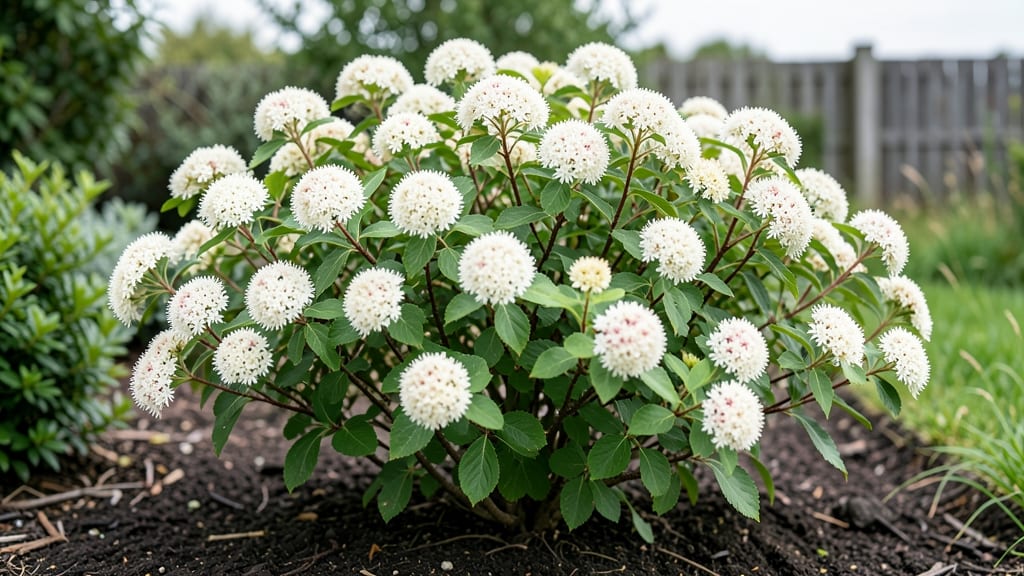
Planting snowball viburnum shrubs transforms your yard into a fragrant, snow-white wonderland that blooms in late winter. 🌿 These hardy shrubs thrive with minimal fuss—just the right spot, a little patience, and you’ll enjoy clusters of delicate blossoms for 6-8 weeks each year, often when other plants are still dormant.
The secret to their success lies in well-draining soil and morning sun with afternoon shade, especially in hotter climates. I’ve seen them flourish in everything from clay soil to sandy loam, as long as water drains well.
Water deeply once established, and you’ll rarely need to touch them again—unless you want to shape them up for a cleaner look. Once mature, these shrubs reward you with heavy, fragrant blooms that attract pollinators and add texture to your landscape.
They’re deer-resistant too, making them a low-maintenance favorite for busy gardeners. The best part? They handle pruning like a champ—just trim back any dead wood in early spring. Perfect for hedges, borders, or as a standalone specimen, snowball viburnums bring year-round interest with their glossy foliage and occasional fall berries.
Whether you’re a beginner or a seasoned gardener, these shrubs deliver beauty with almost no effort.
📚 In This Guide
- What you need
- Instructions
- Tips and common mistakes
- Wrapping up and next steps
What you need
- ● Snowball Viburnum Shrub (Viburnum opulus): Choose a healthy 1- to 3-gallon container plant (or bare-root if planting in early spring/fall). Pro tip: Look for varieties like ‘Snowball’ or ‘Westerland’ for classic white blooms! 💡
- ● High-quality garden soil: 2–3 cubic yards (for in-ground planting) or a 50-pound bag of well-draining potting mix (for containers).
- ○ Organic compost or slow-release fertilizer: 5–10 lbs to enrich the soil (optional but recommended for nutrient-poor soils).
- ● Mulch (pine bark or shredded leaves): 2–3 inches to retain moisture and suppress weeds.
- ● Garden trowel or spade: For digging holes (12–18 inches wide/deep).
- ● Pruning shears: Sharp, bypass-style shears (sterilized with rubbing alcohol).
- ● Garden gloves: Heavy-duty to protect against thorns.
- ● Watering can or hose with nozzle: For gentle, deep watering.
- ● Measuring tape or ruler: To ensure proper spacing (10–15 feet apart for full growth).
- ● Slow-release fertilizer spikes: For container plants (1–2 per shrub).
- ● Plant support stakes: If planting in windy areas (especially for young shrubs).
- ● Soil pH test kit: To check acidity (ideal range: 5.0–6.5).
- ● Drip irrigation system: For automated watering (great for large gardens!).
How to plant and care for a thriving snowball viburnum shrub
This low-maintenance shrub delivers stunning blooms with almost no fuss—here’s how to set it up for years of effortless beauty.
🌱 Step 1: Choose the Perfect Planting Location
Snowball viburnums thrive in partial shade to full sun, with at least 4-6 hours of morning sunlight to prevent leaf scorch. I always plant mine where they’ll receive dappled light—think under tall trees or near a north-facing wall. The key is avoiding hot afternoon sun, which can bleach the foliage over time.
Test your spot by observing how light moves across it throughout the day. If the area stays too dry, consider a location with well-draining soil—this shrub hates soggy roots. Amend heavy clay with 2-3 inches of compost before planting to improve drainage and nutrient availability.
🪴 Step 2: Dig and Prepare the Planting Hole
Dig a hole twice as wide as the root ball but no deeper—this encourages outward root growth rather than forcing the plant to struggle upward. Loosen the sides of the hole with a shovel or hands to reduce compaction. If your soil is sandy, mix in 1-2 inches of peat moss to retain moisture.
Gently remove the shrub from its container and tease out any root-bound roots (circular roots wrapped tightly around the root ball). This step is critical—root-bound plants struggle to establish and often decline within a year. Place the shrub in the hole so the top of the root ball sits 1-2 inches above ground level—this prevents rot during heavy rains.
💧 Step 3: Plant and Water for Immediate Stability
Backfill the hole with native soil, pressing lightly to remove air pockets but avoiding compaction. Water deeply to settle the soil around the roots, then add a 2-inch layer of mulch (cypress or pine bark works best) to conserve moisture and regulate soil temperature. Keep mulch 3-4 inches away from the stem to prevent rot.
Water every 2-3 days for the first 2 weeks until the soil feels 2-3 inches deep. You’ll know it’s right when water drains through the hole but doesn’t pool on the surface. Overwatering at this stage is the fastest way to suffocate new roots—always check moisture before watering again.
☀️ Step 4: Provide Seasonal Care for Long-Term Health
Snowball viburnums are drought-tolerant once established, but young plants need consistent moisture. After the first year, water once a week during dry spells, focusing on deep soakings rather than light surface watering. Fertilize in early spring with a balanced 10-10-10 formula—this encourages strong bloom production without excessive leaf growth.
Prune immediately after flowering (late spring) to shape the shrub and remove any dead or crossing branches. I use clean, sharp pruners to make cuts at a 45-degree angle just above a bud. Avoid heavy pruning—this shrub blooms on old wood, so aggressive cuts reduce next year’s flowers. A light trim keeps it tidy without sacrificing blooms.
⏰ Step 5: Winter Protection and Long-Term Maintenance
Snowball viburnums are hardy to USDA Zone 3, but young plants benefit from a 3-inch layer of mulch in late fall to insulate roots. In extreme cold climates, wrap the base with burlap if heavy snow accumulates—this prevents stem damage from ice weight. The shrub’s natural resilience means minimal winter care, but this extra step ensures decades of blooms.
Watch for aphids or spider mites in early summer—they love the new growth. Spray with neem oil if you spot sticky residue on leaves (aphids) or fine webbing (mites). A quick treatment prevents infestations from spreading to nearby plants. With proper care, your snowball viburnum will reward you with fragrant white blooms for years.
Tips & tricks for perfect snowball viburnum planting
These simple strategies will help you avoid common pitfalls and set your snowball viburnum up for decades of effortless beauty.
Location Scout Like a Pro: Before planting, observe your yard's light patterns throughout the day—especially during summer months. The ideal spot gets bright morning sun (those 4-6 hours) but shade after noon. I've learned the hard way that afternoon sun bleaches leaves, so test your spot for at least a week before planting. A north-facing wall or mature tree canopy creates perfect dappled light conditions.
Root Ball Rescue: When removing your snowball viburnum from its container, don't just tip it out—gently squeeze the sides to loosen root-bound roots. I've seen gardeners skip this step and their plants struggle for years. The goal is to gently separate any circular roots wrapping around the root ball so they can spread outward in their new home. This single step prevents that "plant shock" that causes wilting within weeks.
Mulch Mastery: That 2-inch layer of mulch isn't just decoration—it's your secret weapon against moisture loss and temperature swings. Use cypress or pine bark mulch (they break down slowly) and keep it 3-4 inches away from the stem to prevent rot. Pro tip: Refresh the mulch annually in spring to maintain its insulating properties. I've seen snowball viburnums in dry climates thrive where others failed simply because of proper mulching technique.
Pruning Precision: Timing matters more than you think when pruning. Always wait until immediately after flowering (late spring) to shape your shrub. Make cuts at a 45-degree angle just above a bud to encourage new growth. The key is working with the plant's natural growth pattern—never remove more than 25% of the foliage in one season. I've seen gardeners over-prune and their snowball viburnums produce half the blooms the next year.
Pro Tips for Snowball Viburnum Shrub
- These simple strategies will help you avoid common pitfalls and set your snowball viburnum up for decades of effortle...
- Location Scout Like a Pro: Before planting, observe your yard's light patterns throughout the day—especially during s...
- Root Ball Rescue: When removing your snowball viburnum from its container, don't just tip it out—gently squeeze the s...
Frequently asked questions
How fast does a snowball viburnum grow?
A healthy snowball viburnum grows 12–24 inches per year under ideal conditions. With proper spacing (6–10 feet apart), it can reach 8–12 feet tall and wide in 5–10 years. Patience pays off—these shrubs reward slow, steady growth with showstopping blooms!
Will snowball viburnum survive harsh winters?
This hardy shrub thrives in USDA Zones 3–8 and handles snow, ice, and even light frost. No winter prep is needed—just mulch around the base in early winter to protect shallow roots. Bonus: Its arching branches often hold snow beautifully, adding winter charm to your yard.
When (and how) should I prune snowball viburnum?
Prune right after flowering (late spring/early summer) to avoid cutting off next year’s blooms. Remove up to ⅓ of old wood to encourage new growth. For shaping, use clean, sharp shears—no need for heavy pruning! Pro tip: Deadhead spent flowers to redirect energy to foliage and next year’s blossoms.
Are snowball viburnums prone to pests or diseases?
They’re low-maintenance, but watch for aphids, scale, or viburnum leaf beetles. Treat infestations with horticultural oil or insecticidal soap. Powdery mildew can occur in humid climates—improve airflow and avoid overhead watering. Healthy soil = happy shrub!
Can I grow snowball viburnum in containers?
Possible, but challenging due to their size. If you must, choose a large (20+ gallon) container with drainage and use well-draining potting mix. Expect slower growth and more frequent watering. Better option: Plant in the ground for long-term success!
Why aren’t my snowball viburnum blooms as big as expected?
Check these common culprits:
- Too much shade—needs full sun to partial shade (6+ hours of light).
- Over-fertilizing—focus on balanced, slow-release fertilizer in early spring.
- Drought stress—water deeply 1–2 times per week during dry spells.
- Old wood—prune out 3–5 year-old branches to stimulate new growth.
Wrapping up and next steps
The snowball viburnum shrub is a stunning, low-maintenance addition to any garden, offering fragrant winter blooms and year-round beauty with minimal fuss. Whether you're a seasoned gardener or just starting out, its resilience and easy care make it a perfect choice for adding charm and color to your outdoor space.
Ready to transform your yard? Plant one today—your future winter garden will thank you! For even more tips, explore our guide to pruning techniques or share your progress with fellow plant lovers. 🌸✨