
Shrubs
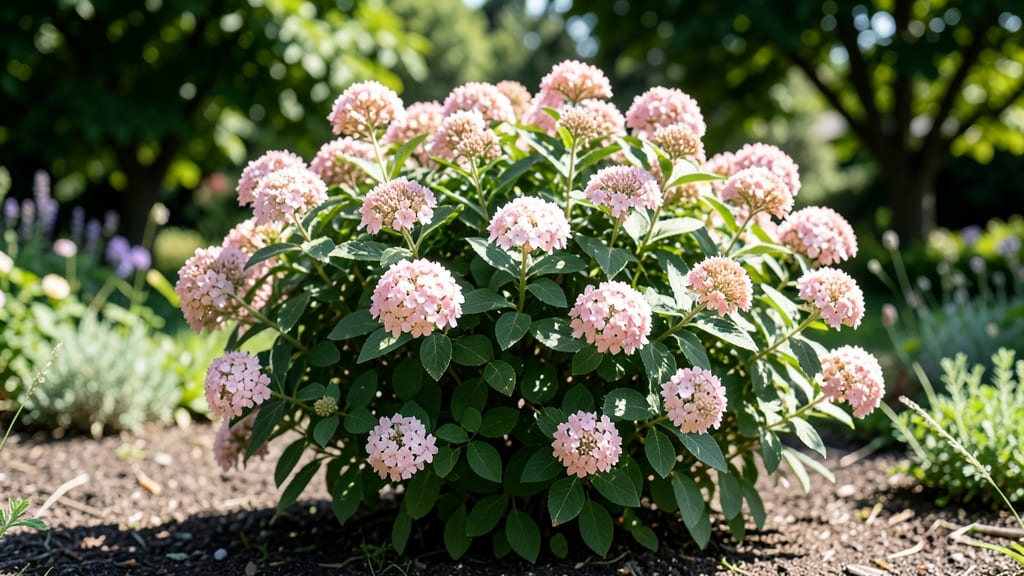
Growing Spiraea 'Little Princess' means thorn-free blooms that last from spring to frost with almost no fuss. 🌸 This compact shrub is my go-to for cottage gardens—it’s the perfect mix of easy care and showstopping color, with delicate pink flowers that cover every inch of its branches.
The secret to its success lies in a sunny spot with well-draining soil—it thrives in ordinary garden soil but hates soggy roots. Once planted, water it deeply once a week unless rain does the work, and you’ll spend less time fussing over it than most annuals.
Its 3-foot height and width make it ideal for borders, containers, or even as a focal point in small spaces. By midsummer, you’ll have a cloud of blooms that hummingbirds adore, followed by golden fall foliage that adds warmth to the garden. The best part?
It’s deer-resistant and handles city pollution better than many shrubs, making it a tough yet tender choice. Prune right after flowering to keep it compact, and it’ll reward you with another flush of blooms before winter. Here’s how to make it thrive in your garden!
📚 In This Guide
- What you need
- Instructions
- Tips and common mistakes
- Wrapping up and next steps
What you need
- ● Spirea Little Princess shrub: 1-3 plants (depending on desired coverage). Look for healthy, well-rooted specimens with vibrant foliage.
- ● Well-draining potting soil: 2-3 bags (1-2 cubic feet each) for planting. Mix in compost (1 bag) for nutrient-rich soil.
- ● Organic mulch: 1 bag (2-3 cubic feet) of shredded bark or wood chips to retain moisture and suppress weeds.
- ● Slow-release fertilizer: 1 bag (10-20 lbs) of balanced 10-10-10 or a rose-specific formula.
- ● Garden trowel or spade: 1 medium-sized tool for digging.
- ● Pruning shears: 1 pair of sharp, sterilized shears for trimming.
- ● Garden gloves: 1 pair (thorn-free, since Little Princess is thornless!).
- ● Watering can or hose with a gentle nozzle: For consistent hydration.
- ● Measuring tape or ruler: 1 for spacing plants 2-3 feet apart.
- ● Epsom salt: 1 small container for occasional magnesium boosts (1 tbsp per gallon of water).
- ● Plant food spray: For quick nutrient top-ups during blooming season.
- ● Decorative stakes or garden flags: To mark new plantings (if needed).
- ● Rain gauge: To monitor watering needs accurately.
Step-by-step guide to planting and caring for Spirea 'Little Princess'
Here's how to establish these cheerful, low-maintenance shrubs for vibrant blooms all season.
🌱 Step 1: Choose the Perfect Planting Location
Spirea 'Little Princess' thrives in full sun to partial shade, with at least 4-6 hours of direct sunlight daily. I always pick a spot where it gets morning sun and afternoon shade—this prevents leaf scorch while still encouraging abundant blooms. The shrub handles various soil types but performs best in well-draining soil with a pH between 6.0 and 7.0.
Test your soil by squeezing a handful—if it stays clumped, it’s too dense. Amend heavy clay with compost or sand to improve drainage. Avoid low-lying areas where water pools after rain, as soggy roots lead to root rot. You'll see the best growth when the shrub gets consistent moisture without waterlogging.
🪴 Step 2: Dig and Plant at the Right Depth
Dig a hole twice as wide as the root ball but only as deep as the container. Gently remove the shrub from its pot and loosen any circling roots with your fingers. This prevents girdling as the roots establish. Place the shrub in the hole so the top of the root ball sits 1 inch above ground level—this ensures proper drainage and prevents water from pooling around the stem.
Backfill with native soil mixed with compost or aged manure to enrich the planting area. Press the soil gently around the roots to eliminate air pockets, then water deeply to settle everything. You'll notice the soil surface sink slightly after watering—top off with a little more soil if needed to maintain that 1-inch crown height.
☀️ Step 3: Water Consistently for the First Season
Water newly planted Spirea deeply once a week for the first 6-8 weeks, providing 1-2 inches of water each time. Check moisture by sticking your finger 2 inches into the soil—if it feels dry, it's time to water. Overwatering is the biggest mistake here; soggy soil invites fungal diseases that can weaken the shrub before it even establishes.
After the first season, Spirea 'Little Princess' becomes drought-tolerant, but you'll still see the best blooms if you maintain regular watering during dry spells. Mulch around the base with 2-3 inches of organic mulch to retain moisture and suppress weeds. Keep the mulch 3 inches away from the stem to prevent rot.
✂️ Step 4: Prune for Shape and Encourage More Blooms
Prune Spirea 'Little Princess' immediately after flowering to maintain its compact shape and encourage next year's blooms. Use clean, sharp pruners to cut back one-third of the oldest stems to the ground. This rejuvenates the shrub and prevents it from becoming leggy. Always prune in late winter or early spring before new growth begins—this gives the plant time to recover before summer heat arrives.
Shape the shrub by trimming back any overgrown or crossing branches. You'll notice new growth emerging from the base within a few weeks—this is a sign the pruning was successful. Avoid heavy pruning in fall, as the plant needs time to harden off before winter. A light trim to remove dead or damaged branches is all that's needed then.
🌿 Step 5: Fertilize Lightly for Healthy Growth
Feed Spirea 'Little Princess' in early spring with a balanced, slow-release fertilizer (10-10-10 or similar). Follow the package instructions for application rates—too much fertilizer can lead to excessive leafy growth at the expense of flowers. Water the shrub thoroughly after applying fertilizer to help it absorb into the soil.
Skip fertilizing in the fall, as the shrub enters dormancy and doesn’t need extra nutrients. You'll see lush, vibrant foliage and abundant blooms if you stick to this schedule. Avoid high-nitrogen fertilizers, which promote leaf growth over flowers. A light feeding in spring is all this easy-care shrub needs to thrive.
Tips & tricks for perfect Spirea shrubs Little Princess
These simple strategies will help you establish thriving Spirea 'Little Princess' shrubs that reward you with vibrant blooms season after season.
Sunlight Strategy: While the 4-6 hours of sunlight is the minimum, I've found that positioning your shrub to receive morning sun and afternoon shade creates the perfect balance. This prevents leaf scorch while still encouraging abundant blooms. If you notice leaves turning yellow or crispy, it's a sign they're getting too much direct afternoon sun—consider moving the shrub slightly or providing afternoon shade with a nearby tree or lattice.
Soil Preparation: The soil test I mentioned—squeezing a handful—is your best friend. If your soil stays clumped when you release it, it's too dense. For heavy clay soil, I recommend mixing in equal parts compost and coarse sand to improve drainage. This is especially important in low-lying areas where water tends to pool. Proper drainage is crucial for preventing root rot, which can kill your shrub before it even establishes properly.
Planting Depth: That 1-inch crown height above ground level is more important than you might think. When planting, make sure the top of the root ball sits just above the surrounding soil. This prevents water from pooling around the stem, which can lead to rot. After watering, you'll often see the soil settle slightly—just add a little more soil to maintain that critical 1-inch height. This small detail makes a big difference in long-term plant health.
Watering Wisdom: The first 6-8 weeks are critical for establishing strong roots. I can't stress enough how important it is to check moisture by sticking your finger 2 inches into the soil. If it feels dry at that depth, it's time to water. Overwatering is the biggest mistake here—soggy soil invites fungal diseases that can weaken your shrub before it even gets established. Once past that initial period, your Spirea becomes surprisingly drought-tolerant, but regular watering during dry spells will give you those show-stopping blooms.
Pro Tips for Spirea Shrubs Little Princess
- These simple strategies will help you establish thriving Spirea 'Little Princess' shrubs that reward you with vibrant blooms season after season.
- Sunlight Strategy: While the 4-6 hours of sunlight is the minimum, I've found that positioning your shrub to receive morning sun and afternoon shade creates the perfect balance.
- Soil Preparation: The soil test I mentioned—squeezing a handful—is your best friend.
Frequently asked questions
Got questions about Spirea 'Little Princess'?
You're not alone! This compact, thorn-free beauty is a favorite, but gardeners often wonder about its care, growth, and quirks. Here are answers to the most common queries to help you grow a thriving Little Princess shrub with confidence.
How fast does Spirea 'Little Princess' grow, and how big will it get?
Little Princess is a slow-to-moderate grower, adding about 6–12 inches per year. Mature size typically ranges from 2–3 feet tall and 2–3 feet wide, making it perfect for borders, containers, or foundation plantings. Its compact size also means it won’t overwhelm small gardens!
When is the best time to plant Spirea 'Little Princess'?
The ideal times to plant are early spring (after the last frost) or early fall (4–6 weeks before the first frost). Avoid planting in extreme heat or cold, as these conditions can stress the shrub. If planting in containers, you can also do it in late spring or summer, but keep it well-watered.
How often should I water Spirea 'Little Princess', especially in hot or dry climates?
Water deeply once or twice a week during the first growing season to help roots establish. Once established, Little Princess is drought-tolerant but benefits from 1 inch of water per week, especially in hot, dry spells. Pro tip: Mulch around the base to retain moisture and reduce evaporation!
Do I need to prune Spirea 'Little Princess', and if so, when and how?
Pruning is minimal but helps keep your shrub neat and blooming beautifully. The best time to prune is right after flowering (late spring to early summer). Simply trim back any dead, damaged, or overcrowded branches. Avoid heavy pruning—just light shaping is enough to encourage bushier growth!
Are Spirea 'Little Princess' shrubs prone to pests or diseases, and how do I prevent them?
This hardy shrub is resistant to most pests and diseases, but occasional issues like aphids, spider mites, or powdery mildew can occur. To prevent problems, ensure good air circulation, avoid overhead watering, and keep the area around the shrub clean and weed-free. If pests appear, a hose spray or insecticidal soap usually does the trick!
Can I grow Spirea 'Little Princess' in containers, and what’s the best soil mix?
This shrub thrives in containers, making it a great choice for patios or small spaces. Use a well-draining potting mix with added perlite or sand for aeration. A 5–10 gallon container is ideal, and don’t forget to water regularly and fertilize lightly during the growing season.
Wrapping up and next steps
The Spirea 'Little Princess' is a standout choice for gardeners seeking low-maintenance, thorn-free beauty with vibrant blooms that last nearly year-round. Its hardiness, adaptability, and stunning foliage make it a versatile addition to any landscape—whether you’re a beginner or a seasoned pro.
Ready to elevate your garden? Start planting today and enjoy the effortless charm of this ⭐ deserving shrub!
- 💡 Pro Tip: Pair it with complementary perennials for a showstopping seasonal display!