
Flowers
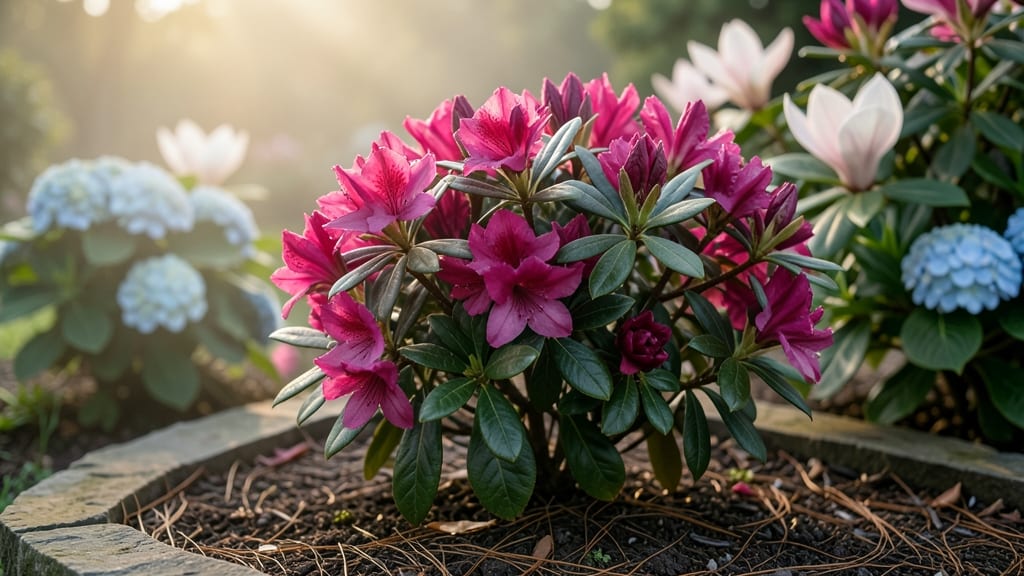
Spring flowers shrubs like lilacs and azaleas turn your yard into a fragrant paradise that lasts long after the blooms fade. 🌸 I learned the hard way that planting too late means missing the first flush of color—so timing is everything.
These shrubs thrive in cold climates, offering blooms from early spring through summer, with some even providing fall interest. The secret to their success starts with soil prep: mix in compost to improve drainage, and choose a spot with at least 6 hours of sunlight.
Water deeply after planting, then maintain 1-2 inches of moisture weekly. Prune right after flowering to encourage next year’s blooms, but never cut back old wood—it’s where next season’s buds form. By mid-spring, you’ll see lush green foliage and clusters of fragrant blooms that attract bees and butterflies.
The scent lingers for weeks, turning your garden into a sensory experience. These shrubs also act as living privacy screens, growing 3-10 feet tall depending on the variety. Works for zones 3-8, from northern forests to southern suburbs.
Here’s how to pick the perfect shrubs for your climate and space.
📚 In This Guide
- What you need
- Instructions
- Tips and common mistakes
- Wrapping up and next steps
What you need
- ● Cold-hardy shrubs: Choose 3–5 varieties (e.g., lilacs, azaleas, or mock orange) based on your USDA zone (Zones 3–8 for most). Aim for 3–5 mature plants per 100 sq. ft.
- ● High-quality potting soil: 2–3 cubic yards (or 10–15 bags) of well-draining, organic-rich mix (e.g., Miracle-Gro Garden Soil or compost-amended topsoil).
- ● Mulch: 2–3 inches of wood chips or pine straw to retain moisture and regulate soil temp.
- ● Organic fertilizer: 10–20 lbs of slow-release, balanced fertilizer (e.g., 10-10-10 or rose-specific blend).
- ● Garden gloves (1 pair, heavy-duty for thorny shrubs).
- ● Pruning shears (bypass-style, sharp and sanitized).
- ● Shovel or spade (for digging holes twice as wide as the root ball).
- ● Wheelbarrow (for hauling soil/mulch).
- ● Watering can or hose (with adjustable nozzle for gentle watering).
- ● Soil test kit ($10–$20) to check pH (aim for 5.0–7.0 for most shrubs).
- ● Epsom salt (for magnesium boost, if soil tests deficient).
- ● Drip irrigation system (for consistent moisture post-planting).
- ● Decorative rocks or edging (to define plant beds and deter weeds).
How to select and plant spring-flowering shrubs for year-round interest
Here's my go-to method for choosing cold-hardy shrubs that burst into spring color and keep giving fragrance all season.
🌱 Step 1: Choose 4 Cold-Hardy Shrubs for Season-Long Beauty
Pick shrubs with staggered bloom times so your garden never loses color. I recommend azaleas (early spring), viburnum (late spring), spirea (summer), and hydrangea (fall) for continuous interest. All four handle USDA zones 4-8 and thrive in partial shade to full sun.
Look for multi-stemmed plants at the nursery—they establish faster than single-stemmed varieties. Check the foliage too: dark green, firm leaves mean the plant is healthy. Avoid anything with yellowing leaves or bare stems, even if the flowers look pretty.
☀️ Step 2: Test Soil and Pick Planting Spots
Dig a 6-inch deep hole and check your soil's moisture level. If it stays wet for more than a day, amend with 1 part perlite to 3 parts native soil to improve drainage. Most spring shrubs prefer well-draining soil but won't tolerate soggy roots.
Place each shrub where it gets at least 4-6 hours of sun daily, but protect afternoon sun for heat-sensitive varieties like azaleas. I plant taller shrubs (viburnum, hydrangea) at the back and shorter ones (spirea, azaleas) in front for a layered look.
🪴 Step 3: Plant with Proper Spacing for Airflow
Spread the roots gently before placing the shrub in the hole—never force them down. The top of the root ball should sit 1 inch below soil level to prevent water pooling at the stem. Backfill with native soil mixed with 1 cup compost per plant.
Space shrubs 3-6 feet apart depending on mature size. Too close leads to fungal diseases from poor airflow. Water deeply right after planting to settle the soil—you'll see the surface firm up slightly when done.
💧 Step 4: Water and Mulch for First-Year Establishment
Water twice weekly for the first month, then taper to once weekly once leaves appear. You'll know moisture is right when the soil feels slightly damp 2 inches down. Overwatering in spring causes root rot before plants establish.
Apply 2 inches of mulch (wood chips or shredded bark) around—not touching—the stems. This conserves moisture and regulates soil temperature. Replenish mulch annually in early spring before buds swell.
✂️ Step 5: Prune Strategically After First Bloom
Wait until after flowering to prune spring bloomers. Cut back one-third of oldest stems to encourage new growth. For azaleas, remove spent blooms but leave seed pods—they add winter interest. Prune viburnum and spirea in late winter before buds swell.
Shape lightly with clean, sharp shears to maintain the plant's natural form. Avoid heavy pruning—it stresses newly planted shrubs. You'll see fuller growth next spring if you prune correctly now.
Tips & tricks for planting spring-flowering shrubs
Took me a while to figure these out, so here goes—these little details make all the difference with your spring shrubs.
Nursery Selection Tip: When choosing your azaleas, viburnum, spirea, and hydrangeas, look for plants with a healthy balance of buds and blooms. I learned this the hard way after buying a hydrangea with all its buds already open—it meant fewer flowers later in the season. Aim for plants where about 20% of buds are just starting to swell. Also, give the roots a gentle tug—they should resist slightly, indicating a well-established root system.
Soil Prep Strategy: Before amending your 6-inch deep holes, test your soil's drainage by filling a small container with water and placing it in the hole. If water drains within 30 minutes, your soil is fine. If it takes longer, you definitely need that 1:3 perlite mix. For clay-heavy soils, I add a handful of sand too—just don't overdo it, as too much sand can make soil too porous. The goal is happy roots, not a desert!
Planting Depth Secret: That 1-inch below soil level rule is crucial—it prevents what I call the "neck rot" problem. When stems sit too high, they dry out and can't absorb water properly. To check depth, use a small stick or your finger to verify the root flare (where roots meet stem) sits just below ground level. After planting, gently press soil around the base to eliminate air pockets that could trap moisture.
Watering Wisdom: The twice-weekly watering schedule works best when done in the morning. This gives plants time to absorb moisture before evening humidity sets in. I use a rain gauge to measure about 1 inch of water per session—this keeps that 2-inch dampness we want without overdoing it. Pro tip: Water at the base rather than overhead to prevent fungal spores from splashing onto leaves.
Pro Tips for Spring Flowers Shrubs
- Took me a while to figure these out, so here goes—these little details make all the difference with your spring shrubs.
- Nursery Selection Tip: When choosing your azaleas, viburnum, spirea, and hydrangeas, look for plants with a healthy b...
- Soil Prep Strategy: Before amending your 6-inch deep holes, test your soil's drainage by filling a small container wi...
Frequently asked questions
Got questions about adding spring flowers and shrubs to your garden? You're not alone! Here are some of the most common queries—plus expert answers to help you bloom with confidence.
What’s the best time to plant spring-flowering shrubs for maximum blooms?
Plant most spring-flowering shrubs in early spring (as soon as the soil is workable) or fall (6-8 weeks before frost). This gives roots time to establish before summer heat. Evergreens like Pieris japonica or Azalea thrive when planted in cooler months, while deciduous shrubs (e.g., Forsythia) can handle early spring planting. Pro tip: Water deeply after planting and mulch to retain moisture!
Which spring shrubs are truly cold-hardy for Zone 4 or colder?
For Zone 4 (-30°F), opt for hardy shrubs like:
- Weigela florida (Zones 4-8) – Vibrant pink blooms, deer-resistant.
- Spirea (Spiraea japonica) (Zones 4-9) – Tough, low-maintenance, and drought-tolerant.
- Potentilla (Dasiphora fruticosa) (Zones 3-7) – Thrives in rocky soils, blooms late spring.
- Dwarf Lilac (Syringa meyeri) (Zones 3-7) – Fragrant and compact.
How do I keep my spring shrubs looking lush year-round?
Year-round care starts with 3 key steps:
- Prune strategically: Trim after blooming (e.g., Azalea) or early spring (e.g., Forsythia) to encourage new growth. Avoid "heading back" hard—it stunts flowers!
- Feed lightly: Use a balanced fertilizer (10-10-10) in early spring, then switch to low-nitrogen (5-10-10) for flowering shrubs.
- Mulch & water: Apply 2-3 inches of mulch (wood chips or pine straw) and water deeply 1-2x/week during dry spells.
Are spring shrubs prone to pests or diseases? How do I prevent them?
Common issues include:
- Spider mites (tiny webs on leaves) – Spray with neem oil or water leaves to deter them.
- Powdery mildew (white fungus) – Improve airflow by pruning and avoid overhead watering.
- Japanese beetles (skeletonized leaves) – Handpick or use milky spore (organic solution).
Can I grow spring shrubs in containers? What’s the best setup?
Try these container-friendly shrubs:
- Dwarf Hydrangea (H. paniculata 'Little Lime') – Compact, thrives in 15-gallon pots.
- Boxwood (Buxus 'Green Velvet') – Evergreen, great for small spaces.
- Dwarf Lilac (Syringa 'Little Chief') – Fragrant and low-maintenance.
- Use well-draining soil + a pot with drainage holes.
- Fertilize monthly with half-strength liquid fertilizer.
- Move pots to partial shade in peak summer heat.
Wrapping up and next steps
Transforming your space into a fragrant, year-round haven with spring flowers and shrubs is easier—and more rewarding—than you think! 🌸 From Daphne to Pieris, these cold-hardy beauties bring color, texture, and intoxicating scents without demanding constant care.
Whether you’re a seasoned gardener or just starting, every plant you add is a step toward a low-maintenance, high-reward landscape.
Ready to take the next step? Start small—pick one or two shrubs to test your soil and climate, then expand your garden’s charm over time. Browse our curated list or consult a local nursery for expert tips tailored to your zone.
Your future self (and your nose!) will thank you. 🌿