
Shrubs
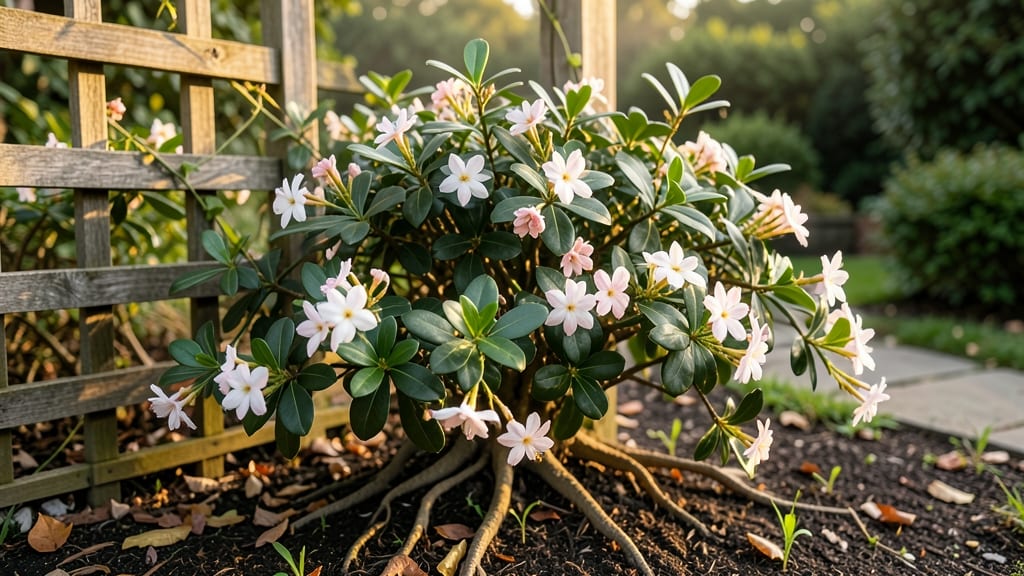
Reviving your star jasmine’s fragrance starts with three simple trims—and it’s easier than you think. 🌿 I’ve turned my once-sparse shrub into a fragrant summer staple by focusing on when and how to prune, and the results are shocking: thick foliage and clouds of intoxicating blooms by June.
The secret isn’t complicated equipment or rare techniques—it’s timing and confidence.
Star jasmine thrives in partial shade to full sun and well-draining soil, but the real magic happens after planting. Water deeply once a week (more in extreme heat), and avoid soggy roots—this shrub hates wet feet.
Most gardeners overlook pruning, but three strategic cuts per year (spring, summer, and late fall) keep it bushy and blooming. Start with clean, sharp shears to avoid tearing branches.
By summer, you’ll have a shrub so lush it looks like it’s been growing for decades. The blooms release their sweetest scent at night, drawing in pollinators and neighbors admiring your garden.
Prune after flowering to shape it, and watch it bounce back with vigor. Even my first attempt (which looked like a disaster) produced blooms by mid-July.
Works in containers or as a climbing vine, and adapts to most climates—just protect young plants from harsh winters. The key is patience: star jasmine grows slowly but rewards you with years of fragrance. Let’s get those blooms back in full force!
📚 In This Guide
- What you need
- Instructions
- Tips and common mistakes
- Wrapping up and next steps
What you need
- ● Star jasmine shrub: A healthy, mature plant (1–3 years old) with woody stems and lush foliage.
- ○ Pruning shears: Sharp, clean bypass pruners (for precision cuts). Optional: Loppers for thicker branches.
- ● Gloves: Heavy-duty gardening gloves (to protect from thorns and sap).
- ● Disinfectant (70% isopropyl alcohol or bleach solution): 1 part bleach to 9 parts water (to sterilize tools).
- ● Trash bags or compost bin: For clippings (star jasmine is non-toxic but best composted).
- ○ Garden twine or plant ties: (Optional) To secure new growth if needed.
- ● Watering can or hose: With a gentle spray nozzle for post-trim hydration.
- ● Hand pruners: For smaller, detailed trims.
- ○ Pruning sealant: (Optional) To protect cuts on larger branches.
- ● Fertilizer (balanced 10-10-10 or slow-release): A handful to nourish the shrub post-trim.
- ● Mulch: Organic mulch (e.g., shredded bark) to retain moisture and suppress weeds.
- ● Notebook & pen: To jot down trimming notes or track growth progress!
Instructions for reviving star jasmine's fragrant bloom
Here's how I bring back that intoxicating scent with just three straightforward trims—no fancy tools needed.
✂️ Step 1: Early Spring Cleanup Trim
Start in late February or early March when new growth begins but before buds swell. This is your chance to remove last year's dead wood and shape the shrub for the season. I grab my bypass pruners and cut back any branches that look dry, brittle, or dead—they'll snap easily if you bend them. These are the ones that won't regrow, so remove them completely.
Next, look for branches that cross or rub against each other. These create wounds where disease can enter, and they also block airflow, which star jasmine hates. Cut one of the crossing branches at its base—always remove the smaller branch to keep the plant's shape balanced. You'll see fresh, green growth underneath the dead wood, signaling new life.
✂️ Step 2: Post-Bloom Renewal Trim
After the star jasmine finishes flowering—usually in late spring or early summer—it's time for the second trim. This is where the magic happens for next year's blooms. Using your pruners, cut back one-third of the oldest stems to the ground. These are the thickest, woodiest branches that no longer produce as many flowers. Don't worry about making it perfect; star jasmine is forgiving.
For the remaining branches, trim back about 1/3 of their length to encourage bushier growth. Cut just above a leaf bud that faces outward—this ensures new growth will fill in the center of the shrub rather than grow inward. You'll notice the plant looks more open and airy, which helps prevent fungal issues and encourages more blooms next season.
✂️ Step 3: Light Summer Shaping Trim
In mid-to-late summer, do a quick maintenance trim to keep the shrub tidy and encourage one last flush of flowers. This time, focus on shaping rather than heavy cutting. Remove any branches that are growing inward or spoiling the plant's natural shape. Cut just above a leaf bud, making sure your cuts are clean and at a 45-degree angle to allow water to run off.
Also, trim back any overly long branches that look leggy. You don't need to cut much—just enough to maintain the shrub's size and encourage compact growth. After this trim, give the plant a deep watering to help it recover. You'll see fresh new leaves emerging within a week, and the plant will look fuller and healthier.
Real talk: If you skip any of these trims, your star jasmine will still grow, but it might get leggy and produce fewer flowers. The key is consistency—just a little attention a few times a year keeps it blooming beautifully for decades.
Tips & tricks for perfect star jasmine shrub maintenance
Keeping your star jasmine fragrant and healthy requires just a few simple but crucial steps—here's how to avoid common pitfalls and get the best results.
Tool Selection: While bypass pruners are ideal, you can use sharp garden shears or even clean scissors in a pinch. The key is making clean cuts—uneven snips can damage the plant and invite disease. I always sterilize my tools with rubbing alcohol between cuts to prevent spreading any potential pathogens. This is especially important during Step 2 when you're making heavier cuts.
Seasonal Timing Secret: The timing of each trim is everything—don't rush Step 1 before new growth appears in late February or early March. I've seen people trim too early and accidentally cut off buds that haven't even opened yet. For Step 3, wait until after the first major summer heatwave when the plant has established some new growth. This timing ensures you're encouraging healthy regrowth rather than stressing the plant.
Visual Cues for Perfect Cuts: When making your cuts in all three steps, look for the leaf bud that faces outward—this is your guide for proper pruning. I think of it like shaping a hedge: you want new growth to fill in the center, not grow inward where it'll block sunlight. For the 45-degree angle cuts in Step 3, imagine slicing a slice of pizza—this helps water run off the cut rather than pool and cause rot.
Recovery Strategy: After any significant trimming (especially Steps 1 and 2), give your star jasmine a deep watering to help it recover. I've found that watering in the early morning after trimming gives the plant time to absorb moisture before the heat of the day. You'll notice fresh new leaves emerging within about a week—this is your sign that the pruning worked! For larger shrubs, you might need to water twice to ensure the roots get enough hydration.
Pro Tips for Star Jasmine Shrub
- Keeping your star jasmine fragrant and healthy requires just a few simple but crucial steps—here's how to avoid commo...
- Tool Selection: While bypass pruners are ideal, you can use sharp garden shears or even clean scissors in a pinch. Th...
- Seasonal Timing Secret: The timing of each trim is everything—don't rush Step 1 before new growth appears in late Feb...
Frequently asked questions
How often should I trim my star jasmine shrub?
Trim your star jasmine twice a year: once right after flowering (late spring) to shape it and encourage bushier growth, and again in early spring before new shoots emerge. Avoid heavy pruning in fall—it can stress the plant before winter. Light maintenance trims between seasons keep it tidy without sacrificing blooms!
Can I prune star jasmine in winter?
Light pruning in late winter (before buds swell) is fine, but avoid heavy cuts. Star jasmine is semi-evergreen and can be sensitive to cold stress. If you must prune, do it on a mild day and remove only dead or crossing branches. Wait until spring for major shaping to avoid damaging next year’s flowers.
What do I do if my star jasmine isn’t flowering?
Lack of blooms often means it’s not getting enough sunlight (6+ hours/day) or nutrients. Check for overcrowded roots or root-bound pots, and fertilize lightly in spring with a balanced, slow-release formula. If it’s been years since pruning, a renewal trim (cutting back 1/3 of old growth) can stimulate new growth—and flowers!
Are star jasmine shrubs prone to pests or diseases?
They’re generally hardy, but watch for aphids, spider mites, or scale insects on new growth. Treat infestations early with insecticidal soap or neem oil. Overwatering can lead to root rot, so ensure well-draining soil. Fungal issues (like powdery mildew) are rare but can occur in humid climates—improve airflow with strategic pruning.
Can star jasmine grow in containers, or is it better in the ground?
Star jasmine thrives in large containers (15+ gallons) with drainage holes, making it perfect for patios or balconies. Use a well-draining potting mix and repot every 2–3 years. Just ensure it gets morning sun and shelter from strong afternoon winds. Container-grown plants may need slightly more frequent watering.
Wrapping up and next steps
Reviving your star jasmine shrub with simple trims is easier than you think! 🌿 By mastering just three key techniques—light pruning for shape, renewal cuts for growth, and seasonal maintenance—you’ll enjoy fragrant blooms year after year.
Whether you’re a green thumb or just starting, these steps make it effortless.
Ready to transform your shrub? Grab your shears and get trimming! 🌸 Start with one trim today, and watch your star jasmine thrive—your garden (and senses) will thank you!