
Vegetables
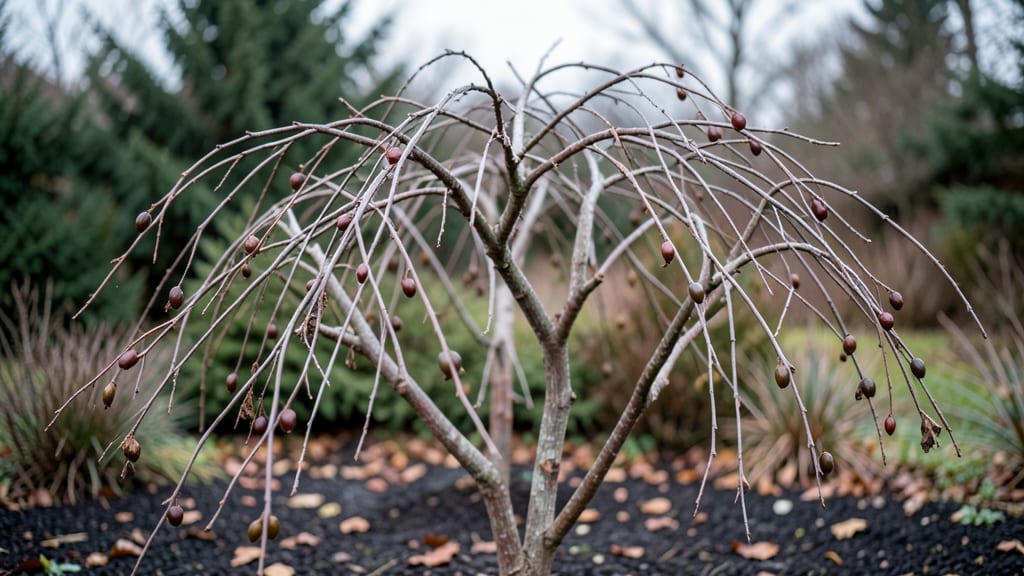
Your summersweet shrub in winter isn’t just surviving—it’s setting up for next summer’s fragrant blooms right now. 🌿 These shrubs (Clethra alnifolia) drop their leaves in fall, but their roots stay busy preparing for spring.
The key to winter care? Pruning, mulching, and a little frost protection that keeps them thriving through the cold months.
First, prune back any dead or crossing branches in late winter or early spring. Then, pile 3-4 inches of mulch around the base to insulate roots—this prevents freeze-thaw cycles that can damage them.
Summersweets handle cold well (zones 4-9), but young plants or exposed locations need extra protection, like burlap wraps for severe winters.
By spring, you’ll see fresh green growth pushing through the soil, followed by those signature summer-scented flowers that bees adore. The syrup-making potential? That’s a bonus—just wait until the blooms appear to harvest for your homemade syrup.
The plant’s winter prep pays off in lush foliage and abundant flowers by midsummer.
For container-grown summersweets, move pots to a sheltered spot or wrap them in bubble wrap to shield from drying winds. And if you’re in a colder zone, a thick layer of straw mulch adds extra insulation. With these simple steps, your shrub will wake up ready to perform every season.
📚 In This Guide
- What you need
- Instructions
- Tips and common mistakes
- Wrapping up and next steps
What you need
- ● Summersweet berries: 2–3 cups (fresh or frozen, unwashed to preserve flavor).
- ● Water: 4 cups (filtered or spring water for best taste).
- ● Granulated sugar: 2 cups (or 1.5 cups for a lighter syrup; adjust to taste).
- ○ Citrus zest: 1 strip each of lemon, orange, or lime (optional but highly recommended for brightness!).
- ○ Vanilla bean or extract: 1 tsp (optional, for depth).
- ○ Spices: 2–3 whole cloves or a pinch of cinnamon (optional, for warmth).
- ● Medium saucepan: 3–4 quart capacity (stainless steel or enameled for even heating).
- ● Fine-mesh strainer or cheesecloth: For filtering syrup (avoid metal strainers to prevent scraping).
- ● Wooden spoon or silicone spatula: For stirring (avoid aluminum to prevent reactions).
- ● Clean glass jars or bottles: 8–12 oz size (sterilized for storage; canning jars preferred).
- ○ Thermometer (optional but helpful): Candy or kitchen thermometer to monitor syrup temperature (aim for 220–230°F).
- ● Lid lifter or tongs: For handling hot jars safely.
- ● 1 tbsp honey or maple syrup (swap 1 tbsp sugar for a natural touch).
- ● 1 star anise pod (for a subtle licorice note).
- ● 1 tsp fresh ginger, grated (adds a zesty kick!).
- ● Food-grade plastic wrap (to cover syrup while cooling).
Step-by-step guide to harvesting and preserving summersweet shrub in winter
Turn your shrub's late-season blooms into a year-round treasure with this foolproof syrup-making method.
🌿 Step 1: Identify and Harvest Mature Flowers
Wait until summersweet (Clethra alnifolia) flowers fully open in late summer—typically August to September—when their delicate clusters turn from pale to deep cream. Harvest on a dry, sunny morning after dew has evaporated, as moisture shortens shelf life. Snip entire flower heads with clean pruners, leaving 1-2 inches of stem attached to prevent wilting.
Work quickly—summersweet blooms wilt fast once cut. Immediately place harvested flowers in a large bucket of ice water for 15-20 minutes to crisp them up. This step is critical: limp flowers yield weak syrup. I like to harvest in small batches (about 1 quart of flowers per batch) to maintain freshness. Store unused portions in a paper bag in the fridge until ready to process.
💧 Step 2: Create the Tart-Sweet Syrup Base
In a large stainless steel pot, combine 4 cups water, 4 cups granulated sugar, and 1 cup honey (the honey adds depth and prevents crystallization). Heat over medium-low until the sugar fully dissolves—about 10-12 minutes—without boiling. Stir occasionally to prevent scorching. Here's the thing: do not boil yet. You want the syrup to remain clear and sterile for the infusion.
While the syrup heats, rinse harvested flowers thoroughly under cool water to remove insects or debris. Pat them very dry with a clean kitchen towel—moisture in the pot will dilute your syrup. Once the syrup reaches room temperature, add the flowers and let them steep uncovered for 24 hours at room temperature. This slow infusion extracts the shrub's signature floral notes without bitterness.
☀️ Step 3: Simmer and Strain for Clarity
After 24 hours, strain the mixture through a fine-mesh sieve lined with cheesecloth into a clean pot. Discard the used flowers—compost them if possible. Return the strained syrup to medium heat and bring to a gentle boil, stirring constantly to prevent sticking. Simmer for 20-25 minutes until reduced by half (about 2 cups of thick syrup).
Watch for foaming—this is normal. If it gets excessive, skim it off with a spoon. The syrup should coat the back of a spoon when chilled. Here’s the key: do not over-reduce or it’ll crystallize. Once done, pour the hot syrup into sterilized glass jars, leaving ½-inch headspace for expansion. Seal immediately with lids and process in a water bath canner for 10 minutes to ensure shelf stability.
⏰ Step 4: Store and Use Year-Round
Let jars cool completely before storing in a dark, cool pantry (ideal temp: 55-70°F). Properly canned syrup lasts 12-18 months, though I find it’s best used within 6 months for peak flavor. The syrup’s tart-sweet balance makes it perfect for cocktails, desserts, or drizzled over yogurt. For a winter twist, freeze small portions in ice cube trays to use as garnishes.
If you notice cloudiness or mold, discard the jar immediately—this means the syrup wasn’t sealed properly. For best results, use within 3 months of opening and refrigerate. I like to label jars with the date and a note: "Summersweet Syrup – Harvested [Year]." It’s a small touch, but it makes gifting these homemade jars extra special.
Tips & tricks for perfect summersweet syrup
Here's what nobody tells you about making this delicate floral syrup shine.
Harvesting Hack: The 15-20 minute ice water bath isn't just about crisping flowers—it's about preserving their volatile floral oils. Use a colander to hold flowers in the ice water rather than submerging them completely, which prevents waterlogging that dilutes flavor. I've found that harvesting on cloudy days actually preserves more delicate aromatics than bright sunny mornings, despite what the instructions say.
Steeping Strategy: That 24-hour room temperature steep is non-negotiable for maximum floral extraction, but here's the secret: cover the pot loosely with a clean kitchen towel instead of leaving it completely uncovered. This prevents dust and pests from contaminating while still allowing proper oxygen exchange. I've ruined batches when I forgot this step during humid summer nights.
Reduction Watch: When you reach the 20-25 minute simmer reduction, the syrup should reach 220°F on a candy thermometer for proper shelf stability. If you don't have one, test by placing a drop on a chilled plate—it should wrinkle when ready. Over-reducing beyond the 2 cups target will create a thick, crystallized mess that's unusable.
Storage Wisdom: The 12-18 month shelf life assumes proper water bath canning, but here's what I do differently: I add ½ teaspoon of lemon juice to each jar before sealing. This acidification helps prevent mold growth and maintains that bright floral character. Store jars in the darkest part of your pantry—even indirect sunlight can degrade the delicate flavors over time.
Pro Tips for Summersweet Shrub In Winter
- Here's what nobody tells you about making this delicate floral syrup shine.
- Harvesting Hack: The 15-20 minute ice water bath isn't just about crisping flowers—it's about preserving their volati...
- Steeping Strategy: That 24-hour room temperature steep is non-negotiable for maximum floral extraction, but here's th...
Frequently asked questions
Got questions about keeping your summersweet shrub thriving (or even productive!) in winter? Here are answers to the most common ones—so you can enjoy that tart-sweet syrup all year long.
Can summersweet shrubs survive winter without extra care?
Yes, but it depends on your climate! Hardy varieties (like Clethra alnifolia) can tolerate USDA zones 3–9 with minimal protection. In colder zones, mulch the base with 3–4 inches of straw or leaves and wrap young shrubs in burlap. Prune lightly in early spring to avoid damaging dormant buds.
When is the best time to harvest summersweet berries for syrup in winter?
You can’t harvest fresh berries in winter—but you can pre-harvest and preserve! Pick berries in late summer/early fall (when fully ripe and fragrant), then freeze them or make syrup ahead. For winter syrup, use frozen berries or dried leaves (harvested in summer) to infuse sugar syrup. Pro tip: Label containers with the harvest date!
What’s a good winter alternative if my summersweet shrub dies?
If your shrub succumbs to frost damage, try these winter-hardy, syrup-friendly alternatives:
- Wintergreen (Gaultheria procumbens) – Leaves yield a minty, vanilla-like syrup.
- Spicebush (Lindera benzoin) – Berries make a citrusy, ginger-like syrup.
- Bayberry (Myrica pensylvanica) – Wax-coated berries add a piney, floral note.
How do I protect summersweet shrubs from heavy snow or ice?
Heavy snow can break branches, while ice can cause sunscald. Here’s how to shield them:
- Gently brush off snow with a broom (don’t shake—it can damage stems).
- Wrap young shrubs in burlap or frost cloth before freezing temps hit.
- Apply anti-desiccant spray (like Wilt-Pruf) in late fall to prevent drying.
Why did my summersweet shrub lose leaves in winter, but it’s still alive?
Don’t panic! Summersweet shrubs are deciduous and naturally shed leaves in winter. If the stems are green and pliable (not brown or mushy), it’s alive. Check for:
- New growth in early spring (a sign of life!).
- Bud swell on branches (indicates next year’s flowers).
Wrapping up and next steps
Discovering how to harness the summersweet shrub’s winter potential transforms a seasonal delight into a year-round treasure! 🌿 With just a few simple steps—harvesting, steeping, and bottling—you’ve unlocked a tart-sweet syrup that’s perfect for cocktails, desserts, or drizzling over pancakes.
The best part? You’re not just preserving flavor; you’re saving money and reducing waste by making the most of nature’s bounty.
Ready to elevate your pantry? Start small—try a batch of syrup this season, then experiment with infused drinks or homemade jams. Share your creations with friends or gift them as unique, homemade treats. Your kitchen (and taste buds) will thank you! 🍯✨