
Shrubs
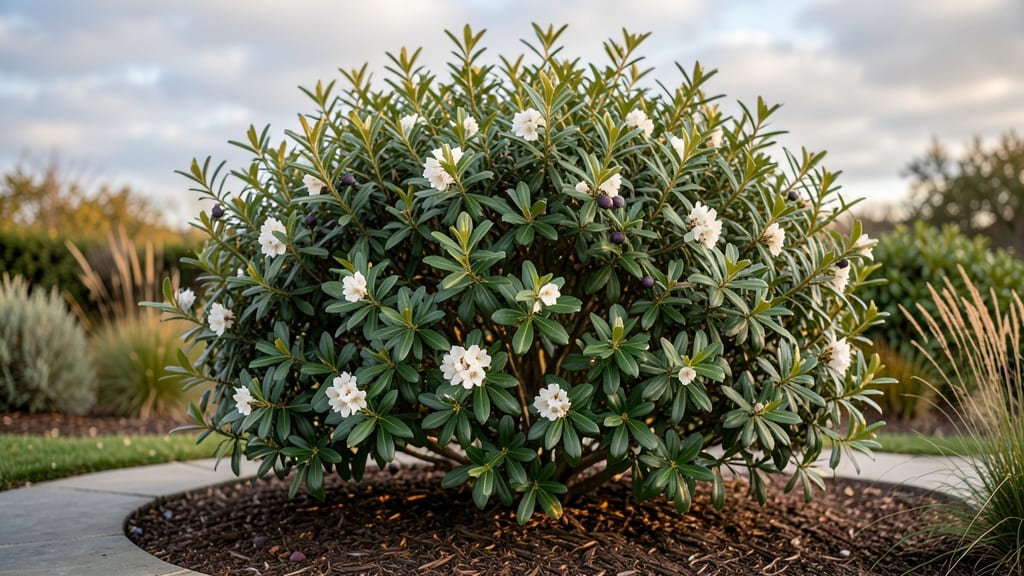
Growing a sweet olive shrub (Osmanthus fragrans) starts with understanding its love for well-drained soil and bright sunlight—key to unlocking its signature fragrance and glossy foliage. 🌿 This evergreen beauty thrives in USDA zones 7-9, where it rewards patience with clusters of tiny, fragrant white flowers that perfume the air in late spring.
Unlike fussy shrubs, it handles drought once established, making it a low-maintenance star for borders or containers.
The secret to its success lies in three simple steps: planting in slightly acidic, gritty soil, watering deeply but infrequently, and pruning lightly after flowering to encourage dense growth.
I’ve watched mine transform from a leggy sapling to a lush, fragrant hedge in just three years—proof that even beginners can master this elegant shrub. Its dark green leaves stay vibrant year-round, adding texture and scent to any landscape.
By late summer, you’ll spot its small, olive-like fruits (edible but bitter), a bonus for wildlife and a subtle nod to its name. The shrub’s resilience shines in winter, too, with frost-resistant foliage that keeps its charm even in colder months.
Whether you’re filling a sunny corner or adding fragrance to a patio, this shrub delivers effortless beauty.
Regional adaptability is its strength—coastal areas love its salt tolerance, while inland gardens appreciate its drought resilience. Start with a young plant, and in just a season, you’ll have a fragrant, fruitful centerpiece that requires minimal effort. Here’s how to get started without the guesswork.
📚 In This Guide
- What you need
- Instructions
- Tips and common mistakes
- Wrapping up and next steps
What you need
- ● Sweet olive berries: 1 cup (fresh or dried, Osmanthus fragrans—ensure they’re ripe and fragrant!)
- ● High-proof alcohol (vodka or everclear): 16 oz (50% ABV or higher for best results)
- ● Simple syrup: ½ cup (equal parts sugar + water, heated until dissolved)
- ● Water: 4 oz (for dilution, if desired)
- ● Clean glass jar: 16 oz (with airtight lid—mason jars work perfectly!)
- ● Fine-mesh strainer or cheesecloth (for filtering)
- ● Wooden spoon or spatula (for stirring)
- ● Small saucepan (for heating simple syrup)
- ○ Optional: Citrus peel (orange/lemon) for extra aroma (¼ tsp, finely grated)
- ○ Optional: Vanilla bean or cinnamon stick for depth (1 tsp or 1 stick)
- ● Ensure your sweet olive berries are fully ripe (they should be deep purple-black and aromatic).
- ● Sanitize all tools and jars to prevent spoilage.
- ● Choose a cool, dark place (like a pantry) for steeping—avoid direct sunlight!
How to grow a thriving sweet olive shrub in your landscape
This drought-tolerant beauty delivers year-round fragrance and wildlife benefits with minimal effort.
🌱 Step 1: Select the Perfect Planting Location
Sweet olive (Osmanthus fragrans) thrives in full sun to partial shade—choose a spot with at least 6 hours of direct light daily for optimal blooming. I always test the site by observing how sunlight moves across the area over a week. Morning sun with afternoon shade works best in hot climates, preventing leaf scorch.
The soil should drain well—sweet olive despises soggy roots. If your yard has heavy clay, amend the planting area with 2-3 inches of compost mixed into the top 12 inches of native soil. You'll know you've done it right when water drains through the hole in 10-15 minutes after pouring a gallon of water.
🪴 Step 2: Plant at the Correct Depth and Spacing
Dig a hole twice as wide as the root ball but only as deep—the top of the root ball should sit 1 inch above ground level when planted. Sweet olive grows 10-15 feet tall and wide over time, so space multiple shrubs 8-10 feet apart for proper airflow and light penetration. I like to plant mine in groups of three to create a natural hedge.
Loosen the roots gently if they're circling the root ball, then place the shrub in the hole. Backfill with native soil, pressing lightly to eliminate air pockets. Water deeply to settle the soil—you'll see the surface settle about 1 inch as it absorbs moisture. Mulch with 2-3 inches of organic mulch (like wood chips) around the base, keeping it 6 inches away from the trunk to prevent rot.
☀️ Step 3: Water and Maintain for Long-Term Success
Water deeply once a week during the first growing season to encourage deep root growth. After that, sweet olive is drought-tolerant—only water when the top 2 inches of soil feel dry to the touch. Overwatering is the fastest way to kill this shrub, so resist the urge to water lightly every few days.
Fertilize lightly in early spring with a balanced 10-10-10 fertilizer—just ½ cup per shrub spread over the root zone. Sweet olive doesn't need heavy feeding, and too much nitrogen will reduce flowering. Prune in late winter to remove dead wood and shape the shrub. You'll notice new growth emerging from the base within 4-6 weeks of pruning.
✂️ Step 4: Protect and Enjoy the Fragrance
Sweet olive's intense jasmine-like fragrance peaks in fall and winter when the tiny white flowers bloom. To enhance scent, plant near patios or walkways where you'll brush against the branches. Deer and rabbits typically avoid this shrub, making it a low-maintenance choice for wildlife-resistant landscapes.
Watch for scale insects on the undersides of leaves—wipe them off with a damp cloth if you spot them. Otherwise, sweet olive is disease-resistant and requires almost no pest control. In USDA zones 7-9, this shrub will reward you with decades of fragrance and fruit with almost no effort after establishment.
Tips & tricks for perfect sweet olive shrub planting
Sweet olive thrives with minimal fuss—once you know these key details that make all the difference.
Sunlight Strategy: The 6 hours of daily sunlight is non-negotiable for blooming, but here's what I've learned: In hot climates, morning sun followed by afternoon shade prevents leaf scorch. I test locations by observing sunlight patterns for a week before planting—this simple step prevents moving shrubs later. For partial shade spots, prioritize areas where the shrub gets at least 4 hours of morning sun to maintain healthy growth.
Soil Test: That 10-15 minute drainage test is your secret weapon. Pour a gallon of water into the hole—if it drains completely in that time, you're golden. For heavy clay soil, mix in 2-3 inches of compost into the top 12 inches of native soil. Pro tip: I add a handful of perlite to the planting hole for extra drainage insurance, especially in clay-heavy areas. This prevents root rot before it starts.
Planting Precision: The 1-inch elevation above ground level isn't just a rule—it's a lifesaver. When planting, use a level to ensure the root ball sits perfectly at this height. For spacing, I mark the 8-10 foot radius with stakes before digging to maintain proper airflow. This prevents fungal issues and creates that lush, natural hedge look I love. Don't forget to loosen circling roots—they strangle growth if left intact.
Watering Wisdom: The deep weekly watering during the first year is crucial, but here's the catch: Use a moisture meter to check the top 2 inches of soil. If it's dry, water deeply until moisture reaches 6 inches down. I water in the morning to prevent fungal growth from evening moisture. After establishment, let the soil dry completely between waterings—this drought tolerance is why I chose sweet olive in the first place.
Pro Tips for Sweet Olive Shrub
- Sweet olive thrives with minimal fuss—once you know these key details that make all the difference.
- Sunlight Strategy: The 6 hours of daily sunlight is non-negotiable for blooming, but here's what I've learned: In hot climates, morning sun followed by afternoon shade prevents leaf scorch.
- Soil Test: That 10-15 minute drainage test is your secret weapon.
Frequently asked questions
Got questions about growing and using sweet olive shrubs? Here are some of the most common ones—plus quick answers to help you get the most out of your fragrant harvest!
How long does it take for a sweet olive shrub to produce fruit?
A young sweet olive shrub (Osmanthus fragrans) typically takes 3–5 years to mature and bear fruit, though some varieties may produce earlier with proper care. Patience pays off—once established, they reward you with fragrant blooms and edible olives for decades!
Can I grow a sweet olive shrub in a pot, or does it need garden space?
Yes! Sweet olive shrubs thrive in large containers (15+ gallons) if pruned regularly. Use well-draining soil and ensure the pot has drainage holes. Just know they’ll need full sun (6+ hours/day) and may grow slower in pots than in the ground.
Are sweet olive fruits safe to eat raw, or do they need cooking?
Raw sweet olive fruits are bitter and astringent—not ideal for snacking! They’re best cooked into preserves, syrups, or shrubs (like this recipe!) to soften their flavor. Soaking in saltwater for 24+ hours also helps reduce bitterness before using.
How do I protect my sweet olive shrub in winter?
Sweet olives are hardy to USDA Zones 7–9, but younger plants or colder climates need help. Mulch the base with 3–4 inches of organic matter and wrap the trunk in burlap if temps drop below 15°F. Avoid heavy pruning in late fall—wait until spring!
What’s a good alternative if I can’t grow sweet olive shrubs?
If sweet olives aren’t an option, try lemongrass, bay leaves, or even citrus peels for a similar herbal-sweet flavor in shrubs. For a Osmanthus-like aroma, jasmine flowers or star anise work well too—just adjust sweetness to taste!
Wrapping up and next steps
The sweet olive shrub isn’t just a fragrant addition to your garden—it’s a versatile, low-maintenance plant that rewards you with delicious, aromatic fruits and lush greenery. Whether you’re drawn to its culinary potential, ornamental beauty, or resilience, this shrub makes gardening feel effortless and rewarding. 🌿
Ready to harvest your own sweet olives? Start small—grow a single shrub in a pot or your yard—and let its charm inspire you to explore more flavorful, fragrant plants. Happy gardening! 🌱