
Pruning
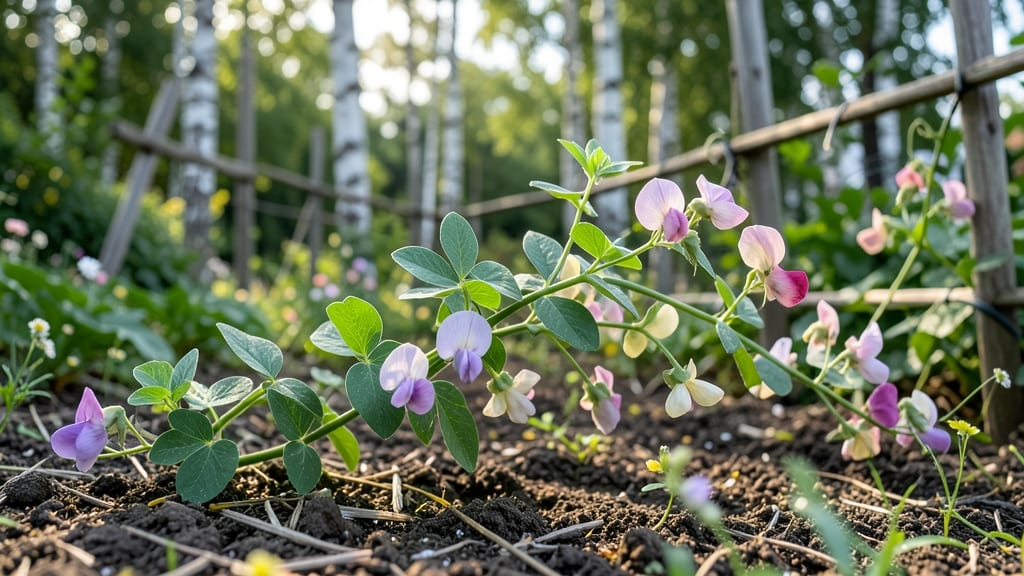
Sweet pea bush shrubs turn your garden into a fragrant, thorn-free haven—no trellis required. 🌿 These compact varieties bloom like wildflowers but stay neatly contained, perfect for borders or containers where vines would sprawl.
I’ve grown them for years, and the secret to their lush growth lies in three simple pruning cuts that keep them bushy, not leggy.
Unlike traditional sweet peas that scramble up trellises, bush varieties like ‘Cupid’ or ‘Dwarf Jackson’ grow 2–3 feet tall with rounded shapes. They thrive in well-draining soil with full sun to partial shade (morning sun prevents wilting).
Plant seeds in early spring or fall, 1 inch deep, and keep soil moist until established—no fuss, just fragrance.
After the first flush of blooms, give them a light trim to encourage more flowers. Pinch back leggy stems in early summer, and you’ll get a second wave of blossoms by fall. The result? A thorn-free canopy of sweet-scented blooms that hummingbirds adore—no staking, no tangles, just pure beauty.
Works in containers, borders, or even hanging baskets. The only downside? They’re too pretty to ignore—neighbors will ask for cuttings. Here’s how to keep them thriving all season.
📚 In This Guide
- What you need
- Instructions
- Tips and common mistakes
- Wrapping up and next steps
What you need
- ● Pruning shears – Sharp, bypass-style (avoid anvil shears to prevent crushing stems). 1 pair (or 2 if working with dense shrubs).
- ○ Pruning saw – For thicker stems (½-inch diameter or larger). 1 (optional if all stems are thin).
- ● Disinfectant (70% isopropyl alcohol or bleach solution) – To sterilize tools between cuts. Small bottle.
- ● Gloves – Heavy-duty gardening gloves (sweet peas can have mild thorns). 1 pair.
- ● Trash bag or bucket – For collecting pruned debris. 1-2.
- ○ Water & small spray bottle – To mist cuts if pruning on a dry day. Optional but helpful.
- ● Hand pruners with ratcheting mechanism – For easier cutting on stubborn branches.
- ● Loppers (long-handled) – If your shrub is tall or thick.
- ● Compost bin or mulch – To recycle pruned material into nutrient-rich soil.
- ● Sunscreen & hat – For sunny-day pruning sessions! ☀️
Step-by-step instructions for pruning sweet pea bush shrubs
Transform your sweet pea shrub into a lush, thorn-free canopy with just three strategic cuts—no complicated techniques required.
✂️ Step 1: Remove Dead or Crossing Branches First
Start by identifying branches that are dead, diseased, or rubbing against each other. These are your first targets—they compete for energy and create entry points for pests. Use sharp, clean pruners to cut back to the nearest healthy growth point or outward-facing bud. You'll know you're on the right track when you see fresh green tissue inside the stem.
Real talk: Don't skip this step. Weak branches break under snow or wind, and crossing limbs create wounds that invite fungal infections. I always prune these first because they're the easiest to spot and remove without hesitation. Work your way around the shrub, stepping back occasionally to visualize the open center you're creating.
✂️ Step 2: Thin Out Overcrowded Areas for Airflow
Sweet pea shrubs thrive when they receive good air circulation. Look for areas where branches grow too densely—these are prime spots for powdery mildew and other fungal issues. Select the thinnest, weakest stems in each cluster and cut them back to the main trunk or a strong lateral branch. Aim to reduce the center density by about 30% to allow light and air to penetrate.
Here's the thing—you're not just pruning for aesthetics. Every time you thin a branch, you're encouraging the remaining stems to grow stronger and fuller. Watch for branches that grow inward; these need to go first. I like to step back every few cuts to check my progress—it's amazing how much more open the shrub looks after just a few strategic removals.
✂️ Step 3: Shape the Canopy for Fullness and Balance
Now for the fun part: shaping. Focus on the outer edges of the shrub, cutting back the longest branches by about one-third to encourage bushier growth. Make your cuts just above a leaf node or outward-facing bud to promote new growth in the right direction. This is where you'll see the most dramatic transformation—your shrub will fill out beautifully over the next growing season.
Don't worry if it doesn't look perfect immediately. Sweet pea shrubs are forgiving and will respond quickly to pruning. I always make my final cuts slightly above a bud that faces outward—this ensures new growth moves away from the center, creating that lush, rounded shape. If you're unsure which way a bud faces, just remember: outward is your friend.
🌿 Step 4: Clean Up and Apply Wound Treatment (Optional)
After pruning, gather all the clippings and dispose of them properly—never leave them under the shrub, as they can harbor pests and diseases. For larger cuts (over ½ inch in diameter), apply a wound dressing like pruning sealant to prevent infection. For smaller cuts, a light dusting of cinnamon powder works as a natural antifungal.
This is the moment that matters: take a step back and admire your work. You've just given your sweet pea shrub the best chance to thrive with proper airflow, sunlight penetration, and a strong structure. Water the base thoroughly after pruning to help the plant recover, and keep an eye out for new growth in the coming weeks—that's your sign everything is working perfectly.
Tips & tricks for pruning sweet pea bush shrubs
A few strategic moves will transform your pruning from basic maintenance to a true garden game-changer.
Tool Prep is Non-Negotiable: Before you make a single cut, sharpen your pruners with a honing stone or file—dull blades tear plant tissue instead of making clean cuts. I've ruined more branches than I can count using dull tools, so take 2 minutes to get this right. Sterilize your blades with rubbing alcohol between cuts to prevent spreading disease from one branch to another.
The 30% Rule for Step 2: When thinning overcrowded areas, don't guess—actually remove about 30% of the branches in each cluster. This might seem drastic, but trust me: the remaining stems will respond by growing thicker and fuller. I measure by holding my hand against the cluster and removing every third branch until I've reached that magic 30% threshold. This creates the perfect balance between airflow and foliage density.
Bud Direction Determines Future Shape: Pay close attention to which way buds face when making your shaping cuts in Step 3. Buds that face outward will grow away from the center, creating that lush rounded canopy we all love. To test, gently pinch the bud—if it feels like a tiny bump pointing outward, you're golden. For tricky branches, I even sketch a quick diagram on scrap paper to visualize where new growth will emerge before making the cut.
Seasonal Timing Matters: Late winter or early spring is ideal for pruning sweet pea shrubs, right before new growth begins. This gives your plant plenty of time to recover and establish new shoots before summer's heat. If you must prune later in the season, do it in the morning when temperatures are cooler—this reduces stress on the plant and minimizes sap flow.
Pro Tips for Sweet Pea Bush Shrub
- A few strategic moves will transform your pruning from basic maintenance to a true garden game-changer.
- Tool Prep is Non-Negotiable: Before you make a single cut, sharpen your pruners with a honing stone or file—dull blad...
- The 30% Rule for Step 2: When thinning overcrowded areas, don't guess—actually remove about 30% of the branches in ea...
Frequently asked questions
Got questions about growing and maintaining your sweet pea bush shrub? You’re not alone—these thorn-free beauties are full of surprises! Here are some of the most common queries (and answers) to help you keep your shrub thriving.
How often should I prune my sweet pea bush shrub?
Prune your sweet pea bush once a year in late winter or early spring (before new growth starts). For a fuller shape, give it a second light trim after flowering. Avoid heavy pruning in fall—it can stress the plant before winter. Think of it like a haircut: timing matters!
Can sweet pea bush shrubs survive winter in cold climates?
Most varieties are hardy down to USDA Zone 5 (or even colder with protection). In harsh winters, mulch the base with 3–4 inches of shredded bark or leaves to insulate roots. If you’re in Zone 4 or below, consider wrapping young shrubs in burlap for extra coziness.
Why aren’t my sweet pea bush shrubs flowering?
No blooms? Check these three culprits:
- Overcrowding: Thin out dense growth to improve airflow.
- Poor nutrition: Feed with a balanced 10-10-10 fertilizer in early spring.
- Too much shade: These shrubs crave 6+ hours of sunlight daily.
What’s a good alternative if I can’t grow sweet pea bush shrubs?
If your climate or soil isn’t ideal, try these thorn-free, low-maintenance shrubs with similar charm:
- Abelia – Fragrant blooms + glossy leaves.
- Forsythia – Bright yellow flowers in early spring.
- Potentilla – Long-lasting blooms + drought tolerance.
Are sweet pea bush shrubs invasive or aggressive?
Not at all! Unlike some shrubs, sweet pea bushes grow at a moderate pace (1–2 feet per year) and respect boundaries. They won’t spread via runners or suckers, making them perfect for gardens, hedges, or privacy screens. Just give them space to stretch their legs!
Wrapping up and next steps
Transforming your sweet pea bush shrub into a lush, thorn-free haven is easier than you think! With just three simple cuts, you can unlock a vibrant canopy that thrives year after year.
Whether you're a gardening novice or a seasoned pro, these techniques will help you elevate your outdoor space with confidence and care.
Ready to take the next step? Grab your pruners, mark your calendar, and give your shrub the love it deserves—your future blooms will thank you! 🌸✂️