
Pruning
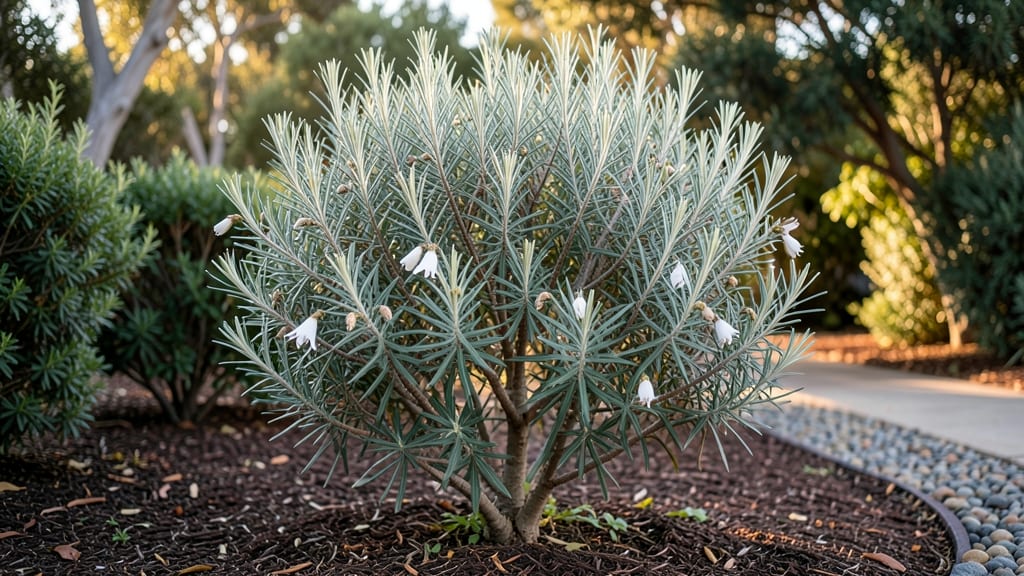
Late-winter pruning transforms your tea tree shrub into a bold, thornless beauty that thrives all season. ✂️ I’ve pruned mine every year since planting, and the difference is night-and-day—thicker foliage, fewer leggy branches, and that signature silvery-green glow that makes neighbors stop to ask what it is.
The key is timing: wait until after the last frost but before new growth starts. Grab your pruners and work on a dry day—tea trees hate wet cuts. Focus on shaping the outer edges while thinning out crowded centers, and you’ll encourage air flow that keeps pests at bay.
What you end up with is a shrub so lush it looks like it belongs in a botanical garden, not your backyard. The leaves stay soft and aromatic, and the branches grow sturdier with each prune. Best part? No thorns to worry about when you’re weeding nearby.
Works for both ornamental varieties and medicinal tea trees. Here’s how to do it right—without turning your shrub into a sad, over-pruned stump.
📚 In This Guide
- What you need
- Instructions
- Tips and common mistakes
- Wrapping up and next steps
What you need
- ● Pruning shears – Bypass-style shears (sharp, clean, and sterilized with rubbing alcohol to prevent disease spread). Quantity: 1 pair.
- ● Loppers – For thicker branches (½–1 inch in diameter). Quantity: 1 pair.
- ● Garden gloves – Heavy-duty, cut-resistant (tea tree thorns can be sneaky!). Quantity: 1 pair.
- ● Disposable pruning saw – For stubborn, thick branches. Quantity: 1.
- ○ Pruning sealant (optional but helpful) – Tree wound dressing to protect large cuts. Quantity: Small tube.
- ● Garden twine or zip ties – For supporting heavy branches post-pruning. Quantity: Small roll.
- ● Bucket or wheelbarrow – To collect pruned branches. Quantity: 1.
- ● Hose with nozzle – For cleaning tools and rinsing off sap. Quantity: 1.
- ● Hand sanitizer or soap – For cleaning hands after handling thorny branches.
- ● Safety glasses – If your tea tree has sharp, errant thorns.
- ● Notebook & pen – To sketch a quick map of your pruning plan.
- ● Mulch or compost – To refresh the soil after pruning.
Step-by-Step guide to pruning tea tree shrubs
Late-winter is the perfect time to shape your tea tree into a thorn-free, vibrant beauty.
✂️ Step 1: Gather Your Tools and Safety Gear
Start by grabbing your sharp bypass pruners—dull blades crush stems and invite disease. I always sanitize them with 70% isopropyl alcohol before cutting to prevent spreading pathogens between branches. For larger branches over ½ inch thick, swap to loppers or a pruning saw to avoid tearing the wood.
Wear gloves—tea tree branches can be sharp, and the oil in the leaves can irritate skin. I like heavy-duty gardening gloves with reinforced palms for extra protection. If you're pruning near traffic or pets, throw on safety glasses too. The branches snap back unexpectedly when cut.
☀️ Step 2: Assess the Shrub and Plan Your Cuts
Step back and examine your tea tree for dead, diseased, or crossing branches. These are your first targets—removing them opens up airflow and sunlight to the center. Look for brown or brittle stems (dead wood) and branches rubbing against each other (crossing). Mark these with a pencil or flagging tape to stay organized.
Next, decide on your desired shape. Tea trees handle shearing well, but for a more natural look, I prune to encourage outward growth by cutting just above a bud or leaf node. Avoid cutting into old wood—tea trees bloom on new growth, so prune back to younger, green stems for best results.
✂️ Step 3: Prune for Structure and Airflow
Begin by removing 1/3 of the oldest wood from the base of the shrub. This rejuvenates growth and prevents a woody, leggy center. Cut at a 45-degree angle about ¼ inch above a outward-facing bud to encourage growth in the right direction. If you're unsure which bud is facing outward, imagine the branch continuing naturally—your cut should follow that line.
Next, thin out the interior by removing branches that grow inward. Tea trees need good airflow to prevent fungal issues. Aim to create a vase-like shape with an open center. For larger branches, make your cuts just outside the branch collar (the swollen area where the branch meets the trunk) to promote fast healing.
🌿 Step 4: Shape and Refine the Canopy
Now it’s time to refine the outer edges for a polished look. Use your pruners to trim back any overly long or leggy branches to maintain a compact shape. For a rounded tea tree, cut just above a bud that’s facing outward. If you prefer a formal hedge, use hedge shears to create clean, even lines every 2-3 weeks during the growing season.
Pay special attention to the top of the shrub. Tea trees can get top-heavy, so lightly prune the upper branches to balance the weight. Avoid cutting more than ¼ of the foliage in one session—this can stress the plant. Step back frequently to check your progress and ensure the shape looks natural.
🪴 Step 5: Clean Up and Monitor Recovery
After pruning, collect and dispose of all clippings—don’t leave them under the shrub, as they can harbor pests and diseases. I like to shred larger branches with a pruning saw and compost the smaller trimmings. Water the base of the shrub deeply to help it recover, especially if you’ve made heavy cuts.
Keep an eye on your tea tree over the next 4-6 weeks. New growth should emerge from the buds you left behind. If you notice yellowing leaves or stunted growth, it might mean you pruned too aggressively. In that case, avoid further cuts until the plant shows signs of recovery. With proper care, your tea tree will reward you with bold, thornless growth by summer.
Tips & tricks for perfect tea tree shrub pruning
Late-winter pruning transforms your tea tree into a lush, thorn-free masterpiece—but these small details make all the difference.
Tool Prep is Non-Negotiable: I learned this the hard way after ruining three batches of pruners with rust. Always sanitize your bypass pruners and loppers with 70% isopropyl alcohol before use, even if they look clean. The oil in tea tree leaves can harbor bacteria that spreads between cuts. For stubborn branches over ½ inch thick, use a pruning saw—your loppers will thank you later.
Bud Direction Matters: When cutting in Step 3 to remove ⅓ of the oldest wood, focus on making your cuts just above an outward-facing bud. This isn't just guesswork—tea trees grow in the direction of the bud. If you're unsure which way a bud faces, imagine extending the branch naturally and cut where it would continue. This simple trick prevents awkward growth patterns that look unnatural.
Shape in Layers: Tea trees handle pruning well, but avoid the temptation to do it all at once. In Step 4, work in layers: first remove dead/diseased branches, then thin the interior for airflow, and finally refine the outer edges. I recommend doing heavy pruning in late winter and light maintenance every 2-3 weeks during growing season. This gradual approach prevents shock and keeps your tree looking polished year-round.
Recovery Checklist: After pruning, monitor your tree for 4-6 weeks as instructed. Yellowing leaves or stunted growth mean you've cut too aggressively. Here's my go-to recovery protocol: water deeply (1-2 gallons at the base), avoid fertilizing for 6 weeks, and protect from strong winds. The buds you left behind should sprout new growth—if they don't, you may have cut into old wood where no new growth can emerge.
Pro Tips for Tea Tree Shrub
- Late-winter pruning transforms your tea tree into a lush, thorn-free masterpiece—but these small details make all the...
- Tool Prep is Non-Negotiable: I learned this the hard way after ruining three batches of pruners with rust. Always san...
- Bud Direction Matters: When cutting in Step 3 to remove ⅓ of the oldest wood, focus on making your cuts just above an...
Frequently asked questions
Got questions about pruning your tea tree shrub? You’re not alone!
Whether you're a first-time pruner or just want to refine your skills, here are some of the most common queries—and their straightforward answers—to help you achieve that bold, thornless growth you’re after.
When is the exact best time to prune my tea tree shrub?
Late winter—right before new growth begins—is your golden window (typically February to early March in most U.S. zones). This timing encourages vigorous spring regrowth while avoiding frost damage. Avoid pruning in fall, as it can stimulate tender new shoots that won’t survive winter. Pro tip: If your region has unpredictable winters, wait until after the last frost date for safety.
How much can I cut back without harming the shrub?
Tea tree shrubs (Leptospermum) are surprisingly resilient! You can safely remove up to one-third of the plant’s height or volume in a single session. For dramatic shaping, spread cuts over 2–3 years. Focus on removing dead, crossing, or overcrowded branches first—this opens up airflow and sunlight for a healthier shrub. Avoid “topping” (shearing the top flat), as it encourages weak, leggy growth.
What if I prune at the wrong time? Can I still save my tea tree?
Don’t panic! If you prune too early (e.g., mid-winter), your tea tree may slow its growth until spring. Late pruning (summer/fall) risks stunted blooms or frost damage to new shoots. If you’ve already pruned out of season, water deeply and monitor for stress signs (yellowing leaves, wilting). Most tea trees bounce back—just adjust your timing next year!
Are there any alternatives to traditional pruning for a neater look?
For a low-maintenance approach, try:
- Pinching: Snip the tips of new growth in early spring to encourage bushier, denser foliage.
- Thinning: Remove a few select branches annually to improve airflow (great for disease prevention).
- Topiary: Use shears to shape into geometric forms—ideal for formal gardens!
Why does my tea tree have thorns after pruning? How do I prevent them?
Thorns appear when the plant is stressed (e.g., over-pruning, poor soil, or drought). To minimize them:
- Prune correctly in late winter—never more than ⅓ of the shrub.
- Ensure well-draining soil and regular watering (but avoid soggy roots).
- Fertilize lightly in early spring with a balanced, slow-release fertilizer.
Wrapping up and next steps
The tea tree shrub is a resilient and rewarding plant, and with late-winter pruning, you can unlock its full potential—bold, thornless growth and a lush, healthy appearance.
By following the right techniques, timing, and tools, you’ll not only enhance its beauty but also promote vitality for seasons to come. 🌿
Ready to give your tea tree the care it deserves? Grab your pruners, mark your calendar for late winter, and roll up your sleeves! Start small, observe your shrub’s response, and soon, you’ll be the proud gardener of a thriving, show-stopping tea tree. Happy pruning! ✂️