
Shrubs
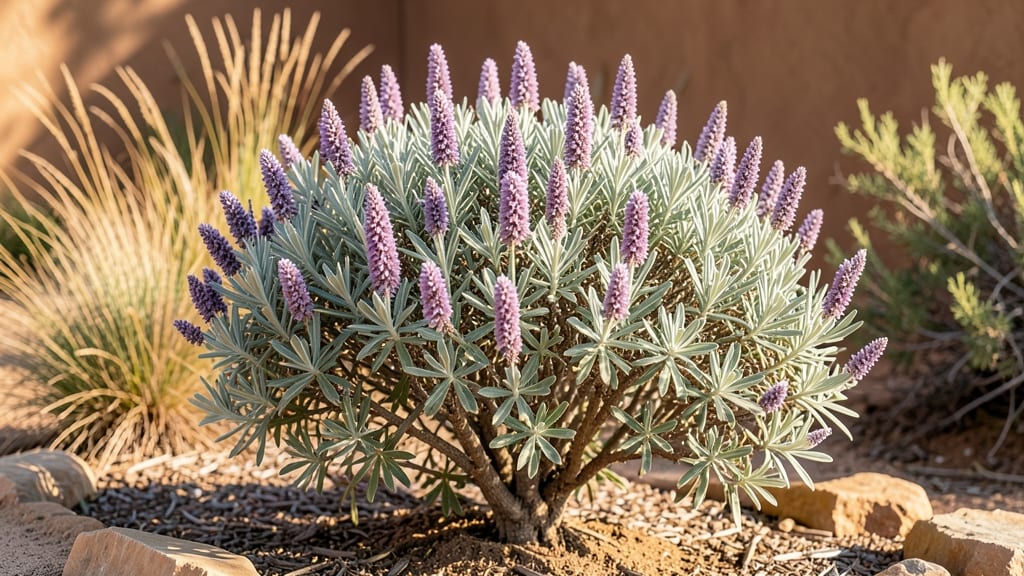
The Texas Ranger shrub blooms after rain—its purple flowers smell like a Texas spring. 🌿 I’ve grown mine for five years, and it’s the only shrub that thrives through our brutal summers and freezes without fuss.
The secret? It’s built for Texas heat and drought, but it still needs a few basics to shine.
This drought-resistant beauty loves full sun and well-draining soil—even rocky ground works. Water deeply but infrequently once established, and you’ll see those fragrant blooms appear after just a little rain. Prune lightly after flowering to keep it compact, and watch it reward you with color year after year.
By next spring, you’ll have a shrub that’s neighbor-jealousy levels of lush, with blooms that perfume the air. It’s the kind of plant that makes gardening feel effortless—once you get the hang of it. And the best part? It’s nearly indestructible.
Perfect for borders, foundation plantings, or even as a standalone statement shrub. Here’s how to make it thrive in your yard—no green thumb required.
📚 In This Guide
- What you need
- Instructions
- Tips and common mistakes
- Wrapping up and next steps
What you need
- ● Texas Ranger shrub: 1-3 plants (depending on desired coverage; spacing ~6-8 feet apart for mature size). Choose Leucophyllum frutescens (Texas Ranger) from a reputable nursery.
- ● Well-draining soil: Amend heavy clay with compost (5-10 gallons) or sand (1 part sand to 3 parts soil) if your area has poor drainage.
- ● Organic mulch: 2-3 inches of pine straw, shredded bark, or gravel to conserve moisture and regulate soil temperature.
- ● Slow-release fertilizer: 10-10-10 or balanced organic fertilizer (e.g., 1 lb per 100 sq ft) to kickstart growth.
- ● Garden shovel or trowel: For digging holes (1.5x wider and as deep as the root ball).
- ● Garden gloves: Heavy-duty to protect hands from thorns and rough soil.
- ● Watering can or hose with nozzle: For gentle watering (avoid high pressure).
- ○ Pruning shears: Sharp, clean shears for shaping (optional but helpful for maintenance).
- ● Measuring tape: To ensure proper spacing between plants.
- ● Drip irrigation system: For consistent moisture, especially in hot climates.
- ● Soil moisture meter: To monitor watering needs (Texas Ranger is drought-tolerant but benefits from occasional deep watering).
- ● Epsom salt (magnesium sulfate): 1 tbsp per plant annually to boost green foliage.
- ● Reflective mulch: Light-colored gravel to deter weeds and reduce soil temperature.
Step-by-step guide to planting and caring for Texas Ranger shrub
This cold-hardy, fragrant beauty thrives in Texas conditions—here’s how to plant and nurture it for year-round impact.
🪴 Step 1: Choose the Perfect Planting Spot
Texas Ranger shrubs love full sun—at least 6-8 hours daily—but tolerate partial shade in scorching afternoons. I always scout the site in morning light to spot hidden shadows. The shrub’s natural shape spreads 4-6 feet wide, so plant it 3-5 feet from fences or walls to avoid crowding.
Check the soil drainage by digging a 6-inch hole—if water pools after 30 minutes, amend with 2-3 inches of compost to improve aeration. These shrubs hate soggy roots but thrive in well-draining soil. A slightly alkaline pH (7.0-8.0) suits them best, so test your soil if unsure.
🌱 Step 2: Plant at the Right Time and Depth
Spring or fall are ideal—avoid summer heat or winter freezes. Dig a hole twice as wide as the root ball but only as deep as the container’s root base. Gently remove the shrub, loosen tangled roots, and place it in the hole so the top of the root ball sits level with the ground (burying too deep suffocates roots).
Backfill with native soil, tamping lightly every 2 inches to eliminate air pockets. Water deeply to settle the soil, then add a 2-inch layer of mulch (like pine bark) around the base—keep mulch 3 inches away from the stem to prevent rot. This protects roots from temperature swings and retains moisture.
☀️ Step 3: Water and Fertilize for Strong Growth
Water deeply once a week for the first month, then taper to every 10-14 days once established—Texas Ranger shrubs are drought-tolerant but appreciate consistent moisture. You’ll know it’s thirsty when leaves droop slightly in the afternoon (they perk up after watering).
Fertilize once in early spring with a balanced 10-10-10 formula—too much nitrogen encourages leafy growth over fragrance. Scatter granules 6 inches from the stem and water in well. Avoid fertilizing in late summer; new growth won’t harden off before winter.
✂️ Step 4: Prune for Shape and Fragrance
Prune right after flowering (late spring) to shape the shrub and encourage dense growth. Use clean, sharp shears to cut back leggy branches by ⅓—this redirects energy to bushier, fragrant foliage. Remove any dead or crossing branches first; they compete for nutrients and invite pests.
For a tidy look, prune lightly in early spring before new growth starts. Never prune in fall—you’ll stimulate tender shoots that won’t survive winter. I like to step back every few weeks to check for symmetry; a well-pruned Texas Ranger shrub looks full from all angles.
⏰ Step 5: Winterize for Year-Round Success
Mulch heavily (4-6 inches) around the base in late fall to insulate roots from freezing temps. These shrubs handle down to 10°F, but extra protection helps in colder snaps. Avoid heavy pruning in winter—wait until spring to assess damage (usually minimal).
Watch for desiccated leaves in winter—they’ll brown and crisp but won’t harm the plant. Brush off snow gently if it piles up; heavy accumulation can break branches. With proper winter care, your Texas Ranger shrub will burst back with scented blooms each spring.
Tips & tricks for perfect Texas Ranger shrub planting
Here's what nobody tells you about getting this fragrant shrub to thrive from day one.
Sunlight Secret: That 6-8 hour sun requirement is non-negotiable for peak fragrance. If your yard has afternoon shade, position it to catch morning sun instead—this shrub's scent intensifies with direct sunlight exposure. I've seen plants in partial shade still produce flowers, but the fragrance is noticeably milder. Trust me on this: the more sun, the stronger that signature Texas Ranger aroma becomes.
Drainage Test: That 30-minute water pooling test is your best friend. If water still sits after 30 minutes, you're not just dealing with poor drainage—you're risking root rot. I've had to dig up two plants because I skipped this step. Amend with that 2-3 inches of compost and consider adding a handful of perlite to the hole mix for extra insurance against soggy soil.
Mulching Technique: When you add that 2-inch layer of mulch, spread it evenly but stop 3 inches from the stem. Too much mulch piled against the trunk creates moisture that leads to rot. I like to create a slight mound around the base to help with water runoff during heavy rains. Pine bark mulch works best as it breaks down slowly and improves soil structure over time.
Pruning Timing: That late spring pruning right after flowering is critical—it gives the plant time to establish new growth before winter. I've made the mistake of pruning in fall, and those tender new shoots never survived our Texas winters. Always prune when you see those first blooms starting to fade, and never cut back more than ⅓ of the plant at once.
Pro Tips for Texas Ranger Shrub
- Here's what nobody tells you about getting this fragrant shrub to thrive from day one.
- Sunlight Secret: That 6-8 hour sun requirement is non-negotiable for peak fragrance.
- Drainage Test: That 30-minute water pooling test is your best friend.
Frequently asked questions
Got questions about your Texas Ranger shrub? You’re not alone!
Here are answers to the most common inquiries—from planting to care—to keep your fragrant, cold-hardy beauty thriving year-round.
When is the best time to plant a Texas Ranger shrub?
The ideal planting window is early spring or fall when temperatures are mild (50–70°F). Avoid extreme heat or frost—roots need time to establish before winter. If planting in summer, water deeply daily for the first 2 weeks to prevent shock. Pro tip: Amend soil with compost for better drainage!
How cold-hardy is the Texas Ranger shrub really?
This shrub is a zone 6–9 champion, tolerating temps down to –10°F. In colder zones, mulch heavily (3–4 inches) around the base to insulate roots. Evergreen varieties may lose some leaves in harsh winters but bounce back like a champ once spring arrives.
What should I do if my Texas Ranger shrub isn’t blooming?
Lack of blooms often signals over-fertilizing (too much nitrogen), poor sunlight (<6+ hours/day), or pruning at the wrong time. Prune right after flowering to encourage new growth. Try a balanced 10-10-10 fertilizer in early spring and ensure it gets full sun. Patience pays off—some shrubs take 2–3 years to fully mature!
Can I grow Texas Ranger shrubs in containers?
Choose a large pot (15+ gallons) with drainage holes and a well-draining soil mix (add perlite or sand). Container-grown shrubs need more frequent watering (check soil daily in summer) and winter protection (move to a sheltered spot or wrap the pot in burlap). Dwarf varieties like ‘Little Ranger’ are perfect for patios!
Are Texas Ranger shrubs prone to pests or diseases?
These shrubs are disease-resistant, but watch for aphids, spider mites, or scale in dry conditions. Treat infestations with neem oil or insecticidal soap. Fungal issues (like powdery mildew) can occur in shady, humid spots—improve airflow and avoid overhead watering. Healthy plants = fewer pests!
How and when should I prune my Texas Ranger shrub?
Prune lightly after flowering (late spring/early summer) to shape and remove dead wood. For rejuvenation pruning, cut back 1/3 of the oldest stems to the ground in early spring—this encourages vigorous new growth. Avoid heavy pruning in fall to prevent winter dieback. Sharp, clean tools = cleaner cuts!
Wrapping up and next steps
The Texas Ranger shrub is a true gem for gardeners seeking low-maintenance, fragrant, and cold-hardy beauty that blooms year-round. Its resilience, vibrant flowers, and delightful scent make it a standout choice for any landscape—whether you're a seasoned gardener or just starting out. 🌿
Ready to add this Texas native to your garden? Start by checking your hardiness zone, gathering the right tools, and giving your new shrub the love it deserves. With a little care, you’ll enjoy its charm for seasons to come—and maybe even share cuttings with fellow plant enthusiasts!