
Shrubs
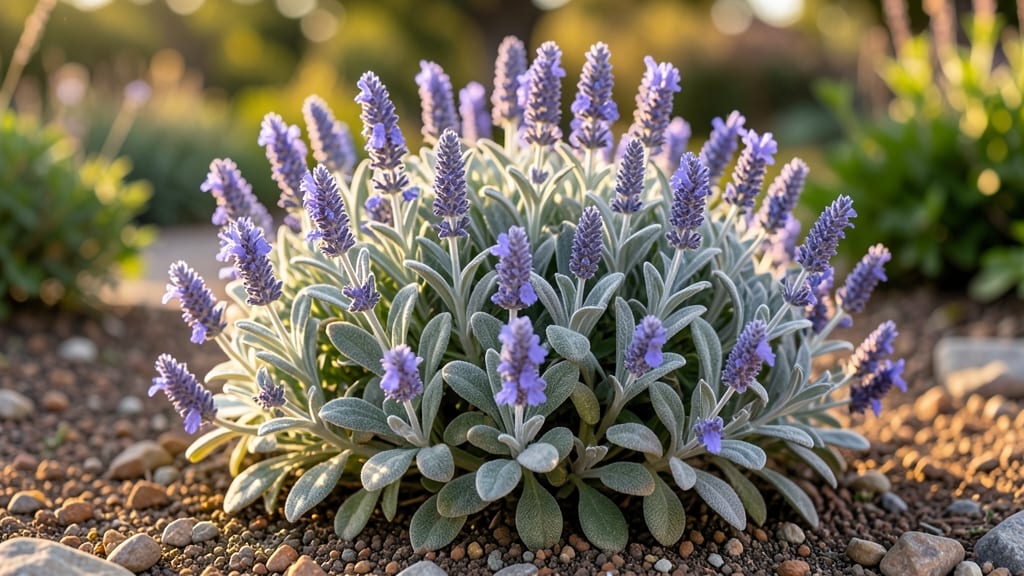
Growing Texas sage 'Silver' transforms your garden into a fragrant, drought-proof oasis that thrives even in Zone 7’s chilly winters. 🌿 This cold-hardy shrub’s silvery foliage and dramatic blooms after dry spells make it a standout—once planted, it demands almost no care while delivering year-round interest.
The secret lies in its love for well-draining soil, full sun, and occasional deep watering, not frequent showers.
Start with sandy or rocky soil—Texas sage hates soggy roots—and plant in full sun (at least 6 hours daily) for that signature silver foliage. Water deeply once a week during the first year, then let nature take over; mature plants survive on rainwater alone in drought-prone regions.
Prune lightly after blooms fade to maintain shape, but avoid heavy cuts—this shrub rewards patience with vibrant purple flowers that appear when stressed (like after a dry spell).
For maximum impact, group plants 3–5 feet apart in xeriscapes or as borders—their silvery-blue leaves create striking contrast against warm-season blooms. Propagate easily from cuttings in summer, and watch as new shrubs mirror their parents’ resilience.
The fragrance? A subtle, earthy scent that lingers on warm breezes, making it a sensory upgrade for any landscape.
Perfect for low-water gardens, firewise landscapes, or pollinator-friendly designs, this shrub thrives in USDA Zones 7–11 with minimal fuss.
Whether you’re reviving a dry yard or adding texture to a modern garden, Texas sage ‘Silver’ delivers effortless beauty—and it’s the kind of plant that makes neighbors ask, “What’s that?” before you explain its secrets.
📚 In This Guide
- What you need
- Instructions
- Tips and common mistakes
- Wrapping up and next steps
What you need
- ● Texas Sage Silver Shrub: 1–3 nursery-grown plants (3–4 ft tall, mature size 4–6 ft wide). Choose healthy specimens with silvery foliage.
- ● Well-draining soil: 1–2 cubic yards (for in-ground planting) or high-quality cactus/succulent mix (for containers).
- ● Sunlight: Full sun (6+ hours daily). Partial shade is tolerated but may reduce fragrance.
- ● Watering can or hose: With a gentle spray nozzle for initial watering.
- ● Pruning shears: Sharp, clean pair (sterilize with rubbing alcohol before use).
- ○ Garden gloves: Heavy-duty for handling thorny stems (optional but recommended!).
- ● Container (if potted): 1–2 large pots (12–18" diameter) with drainage holes.
- ● Mulch: 2–3 inches of gravel or decomposed granite (preserves moisture, deters weeds).
- ● Fertilizer: Low-nitrogen, slow-release granular (e.g., 5-10-5 ratio) for spring feeding.
- ○ Stakes or trellis: For young plants in windy areas (optional).
How to grow Texas Sage Silver shrub for year-round fragrance
Here's the foolproof method I use to cultivate this drought-resistant beauty—it thrives in Texas heat and even handles light freezes.
🌱 Step 1: Choose the Right Location for Full Sun Exposure
Texas Sage Silver thrives in full sun (6-8 hours daily), so pick a spot with southern or western exposure. I always test the site first by observing how much direct sunlight it gets between 10 AM and 4 PM—this is when the shrub needs the most intensity. Avoid areas where afternoon shade lingers, as the silvery foliage relies on strong light to maintain its striking color.
If your yard has limited sun, consider a raised bed or container where you can position the plant to catch reflected light from nearby walls or fences. The key is to mimic its natural habitat in arid climates—once established, it handles heat beautifully but struggles in deep shade.
🪴 Step 2: Prepare Well-Draining Soil with Minimal Amendments
This drought-tolerant shrub hates soggy roots, so amend heavy clay soil with 2-3 inches of coarse sand or gravel mixed into the top 12 inches of soil. Texas Sage Silver prefers lean, rocky soil—think of it as the opposite of lush garden beds. I never add compost or fertilizer at planting; the plant thrives in poor soil conditions.
Dig a hole twice as wide as the root ball but only as deep. The top of the root ball should sit 1 inch above ground level—this prevents water from pooling around the stem. If your soil drains poorly, consider planting in a large container with a mix of 50% potting soil, 30% coarse sand, and 20% perlite.
✂️ Step 3: Plant and Prune for Bushy Growth
Remove the plant from its container and loosen the roots gently if they're circling. Place it in the hole, backfill with native soil, and water deeply to settle everything. The first pruning is critical—cut back one-third of the oldest stems to encourage new growth and a fuller shape. I always prune in early spring before new shoots emerge.
After planting, avoid heavy watering. Let the soil dry completely between waterings—this mimics its natural environment. Overwatering is the #1 killer of Texas Sage Silver; the plant stores water in its stems and doesn't need frequent moisture once established.
☀️ Step 4: Maintain Through Seasons with Minimal Care
Fertilize only once a year in early spring with a low-nitrogen, balanced fertilizer (10-10-10). Too much nitrogen promotes leafy growth at the expense of the fragrant foliage. Mulch with 1-2 inches of gravel or small rocks to retain moisture and suppress weeds—organic mulch can rot against the stems.
In winter, this cold-hardy variety handles 10-15°F without protection. If your area dips below 10°F, wrap the plant loosely in burlap or use a frost blanket. Remove it once temperatures rise above freezing to prevent rot. The silvery foliage actually improves in cold weather, creating a stunning winter landscape.
💧 Step 5: Water Deeply and Infrequently
Water newly planted shrubs once a week for the first month, then taper to every 2-3 weeks once established. The goal is to encourage deep root growth—not surface moisture. I always water in the early morning so the foliage dries completely by evening, preventing fungal issues.
You'll know watering is right when the soil 1-2 inches below the surface feels dry to the touch. The plant's silvery leaves help reflect sunlight, reducing evaporation, but it still needs occasional deep soakings during prolonged dry spells. Once mature, Texas Sage Silver rarely needs supplemental watering.
Tips & tricks for perfect Texas Sage Silver shrub cultivation
These practical insights will help you cultivate a thriving Texas Sage Silver shrub that stays fragrant year-round with minimal effort.
Sunlight Strategy: For that signature silvery foliage, position your shrub where it gets direct sunlight between 10 AM and 4 PM—this is when the light intensity matters most. If your yard has limited sun, place it near reflective surfaces like light-colored walls or fences to maximize light exposure. I've seen the foliage lose its striking color when plants receive less than 6 hours of direct sun.
Soil Preparation Secret: The key to happy roots lies in that 1-inch elevation above ground level when planting. This small detail prevents water pooling around the stem, which can cause rot. For containers, use the 50-30-20 mix of potting soil, coarse sand, and perlite to mimic its natural arid habitat perfectly. Don't skip the sand—it's what prevents those soggy roots that kill this drought-tolerant plant.
Pruning Precision: When you cut back one-third of the oldest stems in early spring, focus on removing any that look woody or dead. The goal is to encourage fresh growth from the base while maintaining the shrub's natural shape. I always prune just above a leaf node where new growth will emerge—this creates a bushier plant with more aromatic foliage. Avoid heavy pruning in fall as the plant needs to harden off for winter.
Winter Protection Wisdom: At 10-15°F, your Texas Sage Silver will handle the cold just fine, but anything below 10°F requires that burlap wrap. The trick is to leave plenty of airflow around the plant—don't suffocate it! I've seen plants survive down to 5°F with proper protection, but the foliage might show some frost damage. That's actually normal and will regrow in spring with vibrant new growth.
Pro Tips for Texas Sage Silver Shrub
- These practical insights will help you cultivate a thriving Texas Sage Silver shrub that stays fragrant year-round with minimal effort.
- Sunlight Strategy: For that signature silvery foliage, position your shrub where it gets direct sunlight between 10 AM and 4 PM—this is when the light intensity matters most.
- Soil Preparation Secret: The key to happy roots lies in that 1-inch elevation above ground level when planting.
Frequently asked questions
How cold-hardy is Texas Sage Silver Shrub really?
The Texas Sage Silver Shrub (Leucophyllum frutescens ‘Silverado’ or ‘Silver Cloud’) is one of the toughest in its family, surviving temperatures down to 10–15°F (-12 to -9°C). While it may lose leaves in extreme freezes, it often rebounds with new growth in spring. For extra protection, mulch the base with 2–3 inches of organic matter in winter.
How often should I water my Texas Sage Silver Shrub?
Once established, this drought-loving shrub needs very little water—about once every 2–3 weeks in dry spells. Overwatering is the real enemy! Let the soil dry out completely between waterings, and avoid soggy roots. Pro tip: Deep watering (1–2 inches per session) encourages stronger root growth.
When and how should I prune my Texas Sage Silver Shrub?
Prune after flowering (late winter or early spring) to shape the shrub and encourage bushier growth. Avoid heavy pruning—stick to light trimming (no more than ⅓ of the plant) to maintain its natural form. Dead or leggy branches can be removed anytime, but never prune into old wood—it won’t regrow!
What pests or diseases should I watch for?
Texas Sage is generally pest-resistant, but keep an eye out for aphids, spider mites, or scale insects (especially in hot, dry conditions). Treat infestations with neem oil or insecticidal soap. Fungal issues like powdery mildew can occur if humidity is high—improve airflow and avoid overhead watering to prevent problems.
Can I grow Texas Sage Silver Shrub in containers?
This shrub thrives in containers with well-draining soil and a pot at least 12–18 inches wide. Use a mix of cactus/succulent soil with perlite to prevent root rot. Container-grown Texas Sage may need slightly more frequent watering (every 1–2 weeks in summer) but still prefers drought conditions.
Wrapping up and next steps
The Texas Sage Silver Shrub is your ultimate cold-hardy companion—easy to grow, fragrant year-round, and perfect for adding texture and charm to your garden. Whether you're a seasoned gardener or just starting out, this resilient shrub brings effortless beauty with minimal fuss.
Ready to transform your outdoor space? Start by gathering your supplies and follow the simple steps to plant your Texas Sage Silver Shrub today! With a little care, you’ll enjoy its silvery foliage and sweet fragrance for seasons to come. 🌿✨