
Shrubs
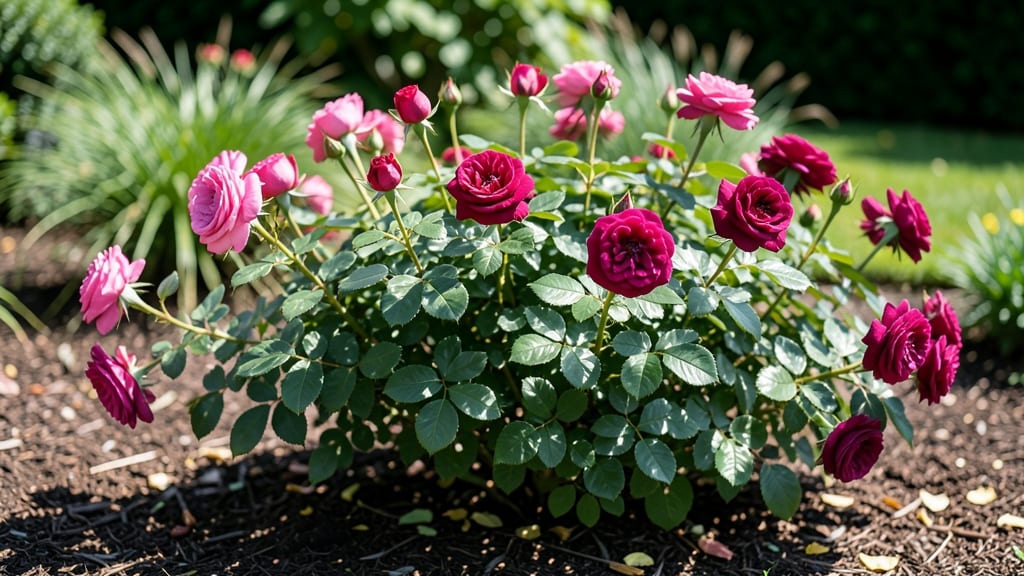
Thornless shrub roses transform my yard into a fragrant haven without the annual pruning battle. 🌿 These roses bloom from early summer through frost, filling the air with sweet perfume while staying completely thorn-free—a game-changer for families with kids or pets.
The secret to their effortless beauty lies in well-draining soil and full sun (at least 6 hours daily). Plant them in fall or early spring when roots can establish before extreme temperatures, and water deeply once a week after that—no need for complicated schedules.
You’ll love how they fill out naturally without heavy pruning, creating lush, multi-stemmed bushes that look stunning in borders or as standalone specimens. The blooms arrive in clusters, so every stem becomes a fragrant focal point.
Perfect for low-maintenance landscapes, these roses thrive in zones 3-9 and resist common diseases better than traditional roses. Once established, they’ll reward you with years of carefree blooms—no fuss, just fragrance.
📚 In This Guide
- What you need
- Instructions
- Tips and common mistakes
- Wrapping up and next steps
What you need
- ● Thornless shrub rose plants: 3–5 bare-root or potted plants (choose disease-resistant varieties like 'Knock Out' or 'Dr. Huey' for low-maintenance appeal).
- ● Well-draining soil: Mix 2 parts native soil with 1 part compost or aged manure (aim for a pH of 6.0–6.5).
- ● Organic mulch: 2–3 inches of shredded bark, pine straw, or wood chips to retain moisture and suppress weeds.
- ● Balanced fertilizer: 10-10-10 or rose-specific formula (apply at planting and again in spring).
- ● Watering can or hose with a gentle spray nozzle: Shrub roses need 1–1.5 inches of water per week (more in extreme heat).
- ● Garden trowel or shovel: For digging holes (depth: 2x wider than the root ball, 6–12 inches deep).
- ● Pruning shears: Bypass pruners (sterilized with rubbing alcohol) for shaping and removing dead growth.
- ○ Gloves (optional but recommended): Thornless doesn’t mean sting-free—opt for heavy-duty gardening gloves for comfort.
- ○ Stakes or rose cages (optional): 4–6 ft tall for support if planting in windy areas or with top-heavy varieties.
- ● Sunlight access: Full sun (6+ hours daily) is non-negotiable for vibrant blooms and healthy growth.
How to plant and maintain thriving thornless shrub roses
Here’s the straightforward approach I’ve used for years—no fuss, just fragrant blooms all season.
🪴 Step 1: Choose the Right Location and Prepare the Soil
Thornless shrub roses need 6+ hours of sunlight daily for best flowering, but they tolerate partial shade better than hybrid teas. Avoid spots where water pools—these roses hate soggy roots. I always test the soil first with a simple pH kit; aim for 6.0-6.5. If your soil is heavy clay, mix in 3-4 inches of compost to improve drainage.
Dig a hole twice as wide as the root ball but only as deep as the container’s bottom. Loosen the roots gently if they’re circling—this encourages outward growth instead of strangling the plant. The top of the root ball should sit 1 inch below soil level when planted, so it doesn’t settle too low later.
🌱 Step 2: Plant with Proper Spacing and Support
Space shrub roses 3-5 feet apart depending on the variety—check the tag for mature width. I plant mine in groups of three for a natural, lush look. Add a 6-foot tall stake or trellis at planting time to support future growth. Secure the rose to it with soft plant ties (never wire—it cuts into stems).
Backfill the hole with native soil mixed with 1 cup of bone meal for phosphorus (it boosts root growth). Water deeply right after planting to settle the soil and eliminate air pockets. You’ll know it’s right when water drains out the bottom within 15-20 minutes—no puddling.
☀️ Step 3: Water and Fertilize for Continuous Blooms
Water deeply 2-3 times per week for the first month, then taper to once a week once established—1-2 gallons per plant each time. Thornless shrubs are drought-tolerant, but they reward consistent moisture with bigger blooms. Water at the base, not overhead, to prevent fungal diseases like black spot.
Feed with a balanced 10-10-10 fertilizer in early spring, then switch to a low-nitrogen, high-phosphorus formula (like 5-10-5) when buds form. I avoid high-nitrogen feeds—they push leafy growth at the expense of flowers. Watch for new leaves unfolding after feeding; that’s your cue to reduce water slightly to harden them off.
✂️ Step 4: Minimal Pruning for Year-Round Beauty
Here’s the secret: prune only when necessary. Deadhead spent blooms by cutting back to the first healthy leaf below—this encourages more flowers. In late winter, remove any dead or crossing branches at the base. Never cut into old wood; shrub roses bloom on both old and new growth, so prune lightly.
If a branch gets too leggy, trim it back by one-third to encourage bushier growth. I use bypass pruners (not hedge clippers) to make clean cuts at a 45-degree angle just above an outward-facing bud. Disinfect your tools with rubbing alcohol between cuts to prevent disease spread.
🌿 Step 5: Protect and Enjoy Year-Round
Mulch with 2-3 inches of shredded bark in early spring to retain moisture and regulate soil temperature. Keep mulch 6 inches away from the stem to prevent rot. In winter, add a light layer of burlap around the base if your zone drops below 10°F—it shields roots without trapping moisture.
Thornless roses are low-maintenance, but I still check for aphids or spider mites weekly. Spray with neem oil at the first sign of pests—it’s organic and effective. With proper care, your shrubs will reward you with fragrant blooms from spring through fall, often into winter in mild climates.
Tips & tricks for thriving thornless shrub roses
A few simple adjustments can transform your thornless shrub roses from ordinary to extraordinary—without the fuss. Here’s what I’ve learned after years of trial and error.
Soil Prep Secret: Before planting, soak the root ball in water for 10 minutes to ensure it’s fully hydrated. This prevents transplant shock and helps roots establish faster. If your soil is sandy, mix in 1 cup of peat moss per hole to improve moisture retention—thornless roses appreciate consistent hydration without becoming waterlogged. The 6.0-6.5 pH range is non-negotiable; test your soil and amend with sulfur if it’s too alkaline.
Staking Strategy: Install your 6-foot stake or trellis at planting time, but don’t rush to tie the rose to it. Wait until new growth appears (about 2-3 weeks) before securing it with soft ties. This gives the plant time to stabilize on its own. I’ve seen roses grow into their support naturally when given this initial freedom—it’s a game-changer for wind-prone areas.
Watering Wisdom: The 15-20 minute drainage test after planting is your best friend. If water pools, your hole is too shallow—dig deeper until it drains properly. Once established, water deeply but less frequently: dig a small hole near the base after watering. If the soil is dry 2 inches down, it’s time to water again. This encourages deep root growth, which translates to more resilient plants.
Pruning Precision: When deadheading, always cut just above the first healthy leaf below the bloom—never leave a stub. This ensures the plant directs energy to new growth rather than healing a wound. For leggy branches, trim back by one-third in early spring rather than waiting until they’re overgrown. The 45-degree angle isn’t just for aesthetics; it helps rainwater run off the cut and prevents rot.
Pro Tips for Thornless Shrub Roses
- A few simple adjustments can transform your thornless shrub roses from ordinary to extraordinary—without the fuss.
- Soil Prep Secret: Before planting, soak the root ball in water for 10 minutes to ensure it’s fully hydrated.
- Staking Strategy: Install your 6-foot stake or trellis at planting time, but don’t rush to tie the rose to it.
Frequently asked questions
Got questions about thornless shrub roses? You’re not alone—these beauties are full of surprises! Here are answers to the most common queries to help you grow with confidence.
Are thornless shrub roses truly low-maintenance?
Yes! Unlike traditional roses, they require minimal pruning—just a light trim in early spring to shape them. Their hardy nature also means fewer pests and diseases. That said, they still need regular watering and occasional fertilizer to thrive. Pro tip: Deadheading spent blooms encourages more flowers!
When is the best time to plant thornless shrub roses?
Plant them in early spring or fall for the best results. This gives roots time to establish before extreme weather. Avoid planting in summer heat or winter frost, as stress can stunt growth. If you must plant in summer, water deeply and mulch to retain moisture.
Can I grow thornless shrub roses in containers?
Many varieties thrive in containers, making them perfect for patios, balconies, or small gardens. Use a well-draining potting mix and a pot at least 18–24 inches wide. Just ensure they get 6+ hours of sunlight daily and water consistently—containers dry out faster than garden beds.
Do thornless shrub roses attract bees or other pollinators?
Yes! Their fragrant blooms are a magnet for bees, butterflies, and hummingbirds. This makes them a great eco-friendly choice for pollinator gardens. If you love wildlife, these roses are a win-win for beauty and biodiversity.
What should I do if my thornless shrub rose stops blooming?
Fewer blooms often signal over-pruning, poor nutrition, or stress. Check for:
- Light: Ensure 6+ hours of sun daily.
- Water: Keep soil consistently moist but not soggy.
- Fertilizer: Use a balanced rose food in spring and mid-summer.
- Pruning: Avoid heavy cuts—just shape lightly in spring.
Wrapping up and next steps
Thornless shrub roses are the perfect blend of beauty, ease, and year-round charm—no pruning headaches, no painful thorns, just lush blooms and delightful fragrance! Whether you’re a gardening beginner or a seasoned pro, these roses bring effortless elegance to your outdoor space. 🌸
Ready to transform your garden? Start by choosing your favorite variety, gathering the right tools, and planting with confidence. Before you know it, you’ll be enjoying low-maintenance, high-reward blooms that keep giving all season!