
Shrubs
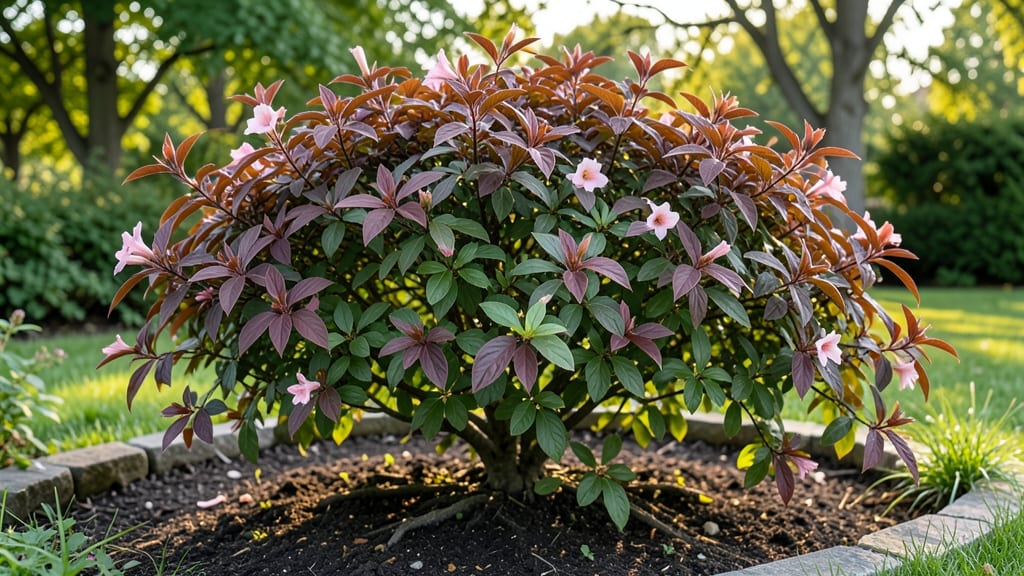
The tri-color willow shrub transforms any garden into a living watercolor. ✨ Its striped foliage—pink, white, and green—stays showy from spring through fall, and with three pruning seasons, you can shape it into anything from a formal hedge to a whimsical cloud-like specimen.
I've grown mine for five years, and it's become the centerpiece of my shade garden, drawing compliments from neighbors who swear it looks like a fairy tale.
The secret to those vibrant stripes lies in partial shade and moist soil—this isn't a drought-tolerant shrub, but it thrives where others struggle. Plant it in well-draining soil with morning sun and afternoon shade, and you'll see those colors pop even more.
In my zone 6 garden, it handles winter just fine, though a light mulch in late fall keeps the roots cozy. Pruning isn't just about shaping—it's about encouraging new growth where the colors are brightest.
Cut back one-third in early spring, then lightly trim after each flush of new leaves to maintain those stripes. Overgrown? No problem—willows are forgiving. Just avoid heavy pruning in late summer, or you'll lose next year's best foliage. Perfect for borders, hedges, or as a statement plant near patios.
The more you work with it, the more it rewards you—imagine a living privacy screen that blooms with color instead of just green. Ready to grow yours?
📚 In This Guide
- What you need
- Instructions
- Tips and common mistakes
- Wrapping up and next steps
What you need
- ● Tri-color willow shrub: 1-3 plants (depending on desired size and fullness; spacing ~6-8 feet apart for mature growth).
- ● Garden soil: 2-3 cubic feet of well-draining, slightly acidic soil (pH 6.0-7.0) or a mix of topsoil and compost (50/50 ratio).
- ● Organic mulch: 2-3 inches of shredded bark, pine straw, or wood chips (to retain moisture and suppress weeds).
- ● Fertilizer: Slow-release, balanced fertilizer (10-10-10 or 20-20-20) or organic options like composted manure or worm castings.
- ● Watering can or hose: With a gentle spray nozzle for hydration.
- ● Pruning tools: Bypass pruners (1 pair) for clean cuts on small branches.
- ● Loppers (1 pair) for thicker branches (up to 2 inches in diameter).
- ○ Hand saw (optional) for larger branches.
- ● Gloves: Heavy-duty gardening gloves to protect hands from thorns and debris.
- ○ Stakes and twine: (Optional but helpful for young plants in windy areas).
- ● Plant food: Liquid or granular fertilizer for a mid-season boost.
- ● Plant growth regulator: (e.g., paclobutrazol) to control excessive growth if needed.
- ● Soil test kit: To check pH and nutrient levels before planting.
- ● Decorative rocks or edging: For a polished garden border.
- ● Bird deterrent: Netting or reflective tape if birds are a nuisance.
How to prune and maintain a stunning tri-color willow shrub
Here’s the method I’ve used for years to keep my tri-color willow’s dramatic stripes vibrant and its shape refined—without sacrificing its natural elegance.
✂️ Step 1: Prune for Structure in Early Spring
Start your first cut when new growth appears—usually late March to early April—but before the leaves fully unfurl. This is when the shrub’s energy shifts from dormancy to growth, making it ideal for shaping. Use clean, sharp pruners to remove one-third of the oldest stems at the base, cutting just above a healthy outward-facing bud. These stems are often the dullest and most overgrown, so removing them encourages fresh, colorful growth.
For the remaining branches, look for any that cross or rub against each other. These create weak points and can damage the bark. Remove them entirely, cutting back to the nearest lateral bud. You’ll see the shrub’s natural Y-shaped structure emerge as you work—this is your guide for maintaining its open, airy form. Avoid heavy pruning now; the goal is to refine, not reshape.
🌿 Step 2: Encourage Vibrant Striped Growth Mid-Season
By late May to early June, your tri-color willow should be showing its signature pink, white, and green stripes on new growth. This is the time to lightly trim any branches that have lost their vivid coloring or are growing too leggy. Focus on the tips of branches, cutting back to just above a set of leaves with the most intense stripes. You’ll notice the stripes are brightest on younger wood, so prioritize preserving these sections.
If any branches are growing too densely, thin them out by removing entire stems rather than just the tips. This opens up the canopy, allowing more light to reach the inner foliage and keeping the stripes crisp. Avoid pruning after mid-July—new growth at this point won’t have time to harden off before winter, and the stripes may fade or revert to solid green.
⏰ Step 3: Light Maintenance in Late Summer to Early Fall
In September, give your tri-color willow a final check for any dead, diseased, or weakly striped branches. Remove these immediately—they drain energy from the shrub and can spread issues to healthy growth. Cut back to the nearest healthy bud or lateral branch, always making your cuts at a 45-degree angle just above the bud to encourage smooth regrowth.
This is also the time to shape the outer edges if your shrub has grown uneven. Use hand pruners to gently round the form, but keep cuts minimal. The goal here is refinement, not renewal. Stop pruning by mid-October to allow the shrub to prepare for winter. You’ll see the stripes remain vibrant through fall if you’ve avoided late-season cuts.
☀️ Step 4: Winter Protection and Spring Prep
After the first hard frost, wrap the base of young shrubs (under 5 years old) with burlap or frost cloth to protect tender new growth from freezing. Older shrubs usually handle winter well, but if you’re in a Zone 5 or colder, add a 2-3 inch layer of mulch around the base—just keep it 6 inches away from the trunk to prevent rot. In early March, before buds swell, give the base a light raking to remove any debris that could harbor pests or disease.
Here’s the thing—tri-color willows thrive on neglect once established, but these seasonal cuts keep them looking like a showstopper. The stripes will stay boldest if you prune young wood and avoid heavy cuts in late summer. Watch for new growth in spring, and you’ll know you’re on the right track when the pink and white stripes reappear within weeks of your early spring pruning.
Tips & tricks for perfect tri-color willow shrub maintenance
Keeping your tri-color willow's vivid stripes and elegant form isn't complicated—just strategic. Here's how to elevate your pruning game without overcomplicating things.
Timing is Everything: The late March to early April window for Step 1 is non-negotiable for vibrant stripes. I've learned this the hard way—pruning too early can damage dormant buds, while waiting too long risks losing that fresh spring growth energy. Look for those tiny green tips emerging from the base; that's your cue. The goal is to catch the shrub when it's waking up but before it's fully active. This timing ensures you're removing the dullest stems while preserving the potential for those show-stopping pink and white stripes.
Visual Pruning Cues: When working through Step 2, focus on the "Y-shaped structure" mentioned in Step 1. The most vibrant stripes appear on branches that form this natural pattern—this is where light penetration is optimal. For branches that have lost their vivid coloring, look for leaves that appear more green than pink or white. These are your targets for trimming back to the nearest set of intensely striped leaves. Remember, you're not just pruning for shape—you're pruning for color preservation. The stripes on younger wood are always brighter because they receive more direct sunlight.
Seasonal Transition Strategy: The shift from summer to fall in Step 3 is where many gardeners make mistakes. I recommend marking your calendar for September 15th—this gives you a full month before mid-October to make any necessary adjustments. During this final check, pay special attention to branches that have grown unevenly or developed weak stripes. The 45-degree angle cut isn't just about aesthetics; it creates a larger surface area for water absorption and encourages smoother regrowth. This is also when I do my final shape assessment—step back and look at your shrub from all angles to identify any asymmetries that need gentle correction.
Winter Protection Nuance: For young shrubs under 5 years old, the burlap wrap should extend about 12 inches up the trunk—not just the base. This protects the lower branches where the most vibrant new growth will emerge in spring. In colder zones, I've found that adding mulch in early November (rather than waiting for the first frost) gives the roots a head start on insulation. The key is to monitor weather forecasts—if we're expecting a hard freeze before Thanksgiving, I'll move up the mulching timeline. This extra layer of protection ensures those energy reserves are focused on stripe production rather than survival.
Pro Tips for Tri Color Willow Shrub
- Keeping your tri-color willow's vivid stripes and elegant form isn't complicated—just strategic. Here's how to elevat...
- Timing is Everything: The late March to early April window for Step 1 is non-negotiable for vibrant stripes. I've lea...
- Visual Pruning Cues: When working through Step 2, focus on the "Y-shaped structure" mentioned in Step 1. The most vib...
Frequently asked questions
How often should I prune my tri-color willow shrub?
Prune your tri-color willow 3 times a year: late winter (to shape and remove dead wood), early summer (to encourage bushiness), and fall (for cleanup). Avoid heavy pruning in late summer—it can stunt new growth. Use clean, sharp shears for the best results!
Why are the leaves losing their vibrant stripes?
Fading stripes often mean too much shade or poor nutrition. Ensure your shrub gets 6+ hours of sunlight daily and fertilize in spring with a balanced, slow-release formula. Yellowing leaves? Check for overwatering—willows hate soggy roots!
Can tri-color willow shrubs survive winter?
Yes! These shrubs are hardy in USDA zones 5-9. Mulch the base with 3–4 inches of organic mulch (like shredded bark) in late fall to protect roots. Young shrubs may need burlap wrapping in harsh winters, but mature plants usually bounce back with ease.
What’s the best alternative if my tri-color willow grows too large?
If space is tight, try these compact striped shrubs:
- Dwarf Fountain Willow (Salix caprea ‘Pendula’) – Grows 6–8 ft tall, great for small yards.
- Variegated Privet (Ligustrum sinense ‘Variegatum’) – Striped leaves, drought-tolerant, and stays under 10 ft.
- Golden Japanese Forest Grass (Hakonechloa macra ‘Aureola’) – Adds texture and color without bulk.
All three thrive in similar conditions but stay manageable!
Are tri-color willows prone to pests or diseases?
While generally resilient, watch for aphids, spider mites, or powdery mildew in humid climates. Spray leaves with neem oil or insecticidal soap for pests. For mildew, improve airflow and avoid overhead watering. Prevention tip: Prune for sunlight exposure to keep foliage dry!
Pro Tip:
Want extra-vibrant stripes? Pinch back new growth in early spring to encourage denser, more colorful foliage. Just snip the tips with your fingers—no shears needed!
Wrapping up and next steps
The tri-color willow shrub is a stunning, low-maintenance addition that brings year-round beauty to your landscape with its striking variegated foliage. Whether you’re a seasoned gardener or just starting, its adaptability and vibrant stripes make it a must-have for any outdoor space.
Ready to transform your garden? Start by selecting the perfect spot, gathering your tools, and giving this shrub the care it deserves—your future garden will thank you! 🌿✨