
Pruning
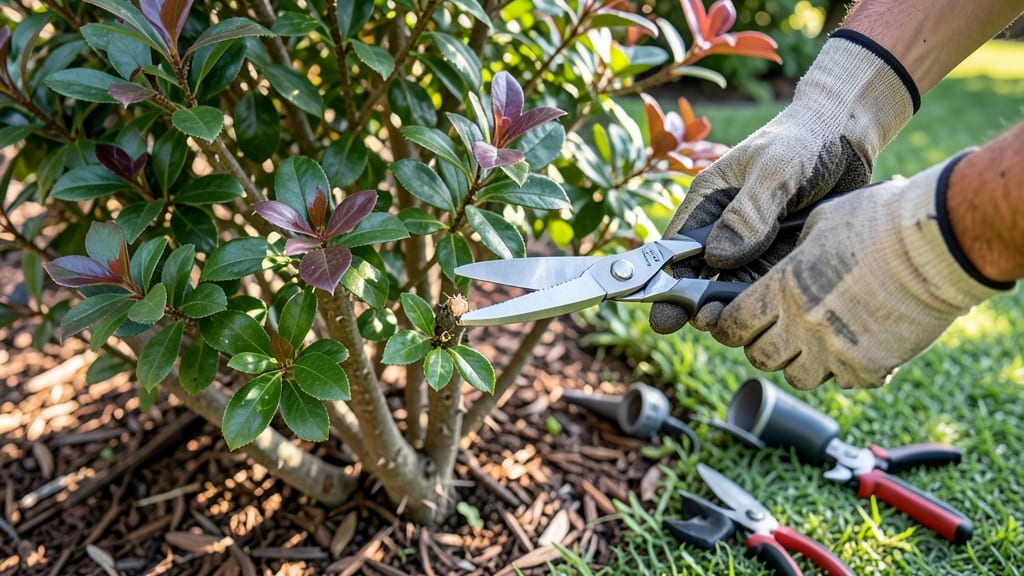
Trimming barberry shrubs transforms tangled messes into neat, bushier plants that thrive year after year. ✂️ I’ve pruned these tough shrubs for over a decade, and the right timing and technique make all the difference—whether you’re shaping a hedge or controlling their sprawl.
The key is working during late winter or early spring while the plant is dormant, but never after a hard frost. Grab sharp bypass pruners and gloves, then focus on removing one-third of the oldest wood to encourage new growth.
This isn’t just about looks—it boosts airflow, reduces pests, and keeps your barberry from looking like a wild thicket. After trimming, your shrub will reward you with denser foliage and fewer berries (which can spread invasively).
The first flush of new growth appears within 4-6 weeks, and the plant stays compact and manageable. Just avoid cutting into the woody stems—barberries heal slowly, and over-pruning invites disease. This method works for all barberry varieties, from dwarf types to tall hedges.
The secret? Patience and precision—skip the shears in summer, and you’ll have a shrub that’s both beautiful and low-maintenance.
📚 In This Guide
- What you need
- Instructions
- Tips and common mistakes
- Wrapping up and next steps
What you need
- ● Pruning shears or bypass pruners – Sharp, clean, and bypass-style (for clean cuts) – 1 pair
- ● Loppers – For thicker branches (up to 1.5 inches) – 1 pair
- ● Hand pruners (felco or similar) – For precision trimming – 1 pair
- ● Garden gloves – Heavy-duty, cut-resistant (barberries have thorns!) – 1 pair
- ○ Pruning saw – For very thick branches (optional but helpful) – 1
- ● Disinfectant (rubbing alcohol or pruning sealant) – To sterilize tools between cuts – Small bottle
- ● Ladder or step stool – For taller shrubs (3+ feet)
- ● Garden twine or zip ties – To secure branches during trimming
- ● Heavy-duty trash bags – For collecting pruned branches
- ● Safety glasses – To protect eyes from debris
- ● Check the weather – Choose a calm, dry day (avoid rain or wind)
- ● Review your shrub’s growth pattern – Identify dead, diseased, or overgrown branches
- ● Have a plan – Sketch or visualize your desired shape before trimming
Step-by-step guide to trimming barberry shrubs
Here’s how I keep my barberries lush and healthy with minimal effort—no pruning shears required.
✂️ Step 1: Remove Dead or Diseased Branches First
Start by scanning your barberry for any branches that look brown, brittle, or covered in spots. These are your top priority—they’re either dead or infected, and keeping them on the plant stresses the whole shrub. Use clean, sharp pruning shears to cut these branches all the way back to the main stem or ground, depending on how far the damage goes.
I like to make my cuts at a 45-degree angle just above a leaf node or outward-facing bud. This helps water run off the cut and encourages new growth in the right direction. If a branch is thicker than your shears can handle, use a small handsaw instead—just be careful not to tear the bark.
✂️ Step 2: Thin Out Crowded or Overlapping Branches
Next, focus on the healthy branches. Barberries grow thick and bushy, but too much crowding means less air circulation and more risk of fungal issues. Look for branches that cross over each other or grow inward toward the center of the shrub. These are the ones to remove—cut them back to where they branch off from a stronger stem.
I aim to open up the center of the shrub by about 25-30% so light and air can move freely. You’ll know you’re doing it right when you can see daylight through the middle of the plant. If you’re unsure which branches to cut, imagine the shrub as a vase—remove anything that would block the shape or create a cluttered look.
☀️ Step 3: Shape and Encourage New Growth
Now it’s time for the fun part: shaping. Barberries respond well to light pruning, so I keep it natural but tidy. For a rounded shape, trim the outer branches to encourage fullness, cutting just above a set of leaves or buds. If your barberry has grown leggy, cut back some of the longer branches by about one-third to promote bushier growth.
This is also the time to prune any branches that are growing too close to sidewalks, driveways, or other structures. Barberries have sharp thorns, so keeping them away from high-traffic areas makes life easier. After trimming, give your shrub a good drink of water to help it recover—especially if you’ve done a lot of cutting.
⏰ Step 4: Clean Up and Monitor
Once you’re done trimming, rake up all the clippings and dispose of them in the trash—not the compost bin. Barberry branches can harbor diseases like powdery mildew, and composting them might spread it back to your garden. I also like to sterilize my pruning tools with rubbing alcohol or a bleach solution to prevent cross-contamination between plants.
After pruning, keep an eye on your barberry for the next few weeks. You should see fresh, green growth emerging from the cuts within 2-3 weeks, especially if you pruned in early spring. If you notice any yellowing leaves or wilting, it might mean you over-pruned—or the plant just needs more water. A little patience goes a long way!
Tips & tricks for perfect barberry shrub trimming
A few simple tricks will help you keep your barberries thriving after pruning—these are the secrets I’ve learned from years of gardening.
Timing Secret: The best time to trim your barberries is in early spring, right after the last frost but before new growth appears. This gives your shrubs plenty of time to recover and grow strong before summer heat sets in. If you must prune later, avoid cutting in late summer or fall—new growth won’t have time to harden off before winter.
Tool Wisdom: Always sterilize your pruning tools between cuts, especially if you have multiple barberry shrubs. I keep a small bottle of rubbing alcohol handy to wipe down shears between branches. This prevents spreading diseases like powdery mildew, which can turn your healthy shrub into a sad, brown mess. Clean tools also make cleaner cuts that heal faster.
Visual Cue: When shaping in Step 3, think of your barberry as a vase—you want to create an open center where light and air can circulate. If you’re unsure about a cut, hold your hand in the space where the branch would grow. If your fingers can’t fit comfortably, that branch is probably blocking too much light and should come off.
Recovery Tip: After heavy pruning (especially if you cut back more than one-third of any branch), give your barberry a deep watering right after you finish. The roots will need extra moisture to support all that new growth. I also add a light layer of mulch around the base to help retain moisture and protect the roots from temperature swings.
Pro Tips for Trimming Barberry Shrubs
- A few simple tricks will help you keep your barberries thriving after pruning—these are the secrets I’ve learned from years of gardening.
- Timing Secret: The best time to trim your barberries is in early spring, right after the last frost but before new growth appears.
- Tool Wisdom: Always sterilize your pruning tools between cuts, especially if you have multiple barberry shrubs.
Frequently asked questions
Got questions about trimming your barberry shrubs? You’re not alone! Here are some of the most common concerns—plus straightforward answers to keep your shrubs thriving.
When is the best time to trim barberry shrubs?
Late winter or early spring (just before new growth starts) is ideal for major pruning. Light trimming to shape or remove dead branches can happen anytime, but avoid heavy cuts in fall—it stimulates tender new growth that may not survive winter. Pro tip: If your shrub blooms in spring, wait until after flowering to prune.
How much can I cut back barberry shrubs?
For most barberries, you can safely remove up to one-third of the plant’s height or width in a single session. Over-trimming stresses the shrub and may lead to sparse growth. If your barberry is leggy, focus on thinning out older stems to encourage bushier, healthier new growth at the base.
What should I do if my barberry shrub looks sad after trimming?
Don’t panic! Yellowing leaves or wilted stems can happen if you cut too aggressively or at the wrong time. If this occurs, water deeply and avoid fertilizing until new growth appears. For severe cases, check for pests (like spider mites) or fungal issues—barberries are tough but benefit from a light layer of mulch to recover.
Can I shape barberry shrubs into topiary or hedges?
Barberries respond well to formal shaping, especially varieties like Berberis thunbergii. Use sharp shears for clean cuts and prune frequently (every 4–6 weeks) during the growing season to maintain the shape. For hedges, trim the top and sides evenly, leaving the base slightly wider for stability. Fun fact: Their thorny nature makes them great natural barriers too!
What’s the difference between pruning barberry vs. other shrubs?
Barberries are hardier than many shrubs, so they tolerate pruning better—but they hate being sheared too close to the ground (unlike boxwoods). Always leave at least 2–3 sets of buds on each stem to promote regrowth. Also, unlike flowering shrubs (e.g., lilacs), barberries don’t need deadheading—they focus on structural health over blooms.
Still unsure? Drop your specific barberry type or concern in the comments—we’re happy to help!
Wrapping up and next steps
Trimming your barberry shrubs doesn’t have to be a daunting task—just follow the 3-step method we’ve shared to keep them thriving! Regular pruning ensures healthier growth, better shape, and even more vibrant blooms while preventing pests and diseases. 🌿
Now that you’re armed with the right tools and techniques, grab those shears and get pruning! Start with a light trim this season, and soon you’ll have a lush, well-maintained barberry that’s the envy of the neighborhood. Happy gardening! 🌟