
Pruning
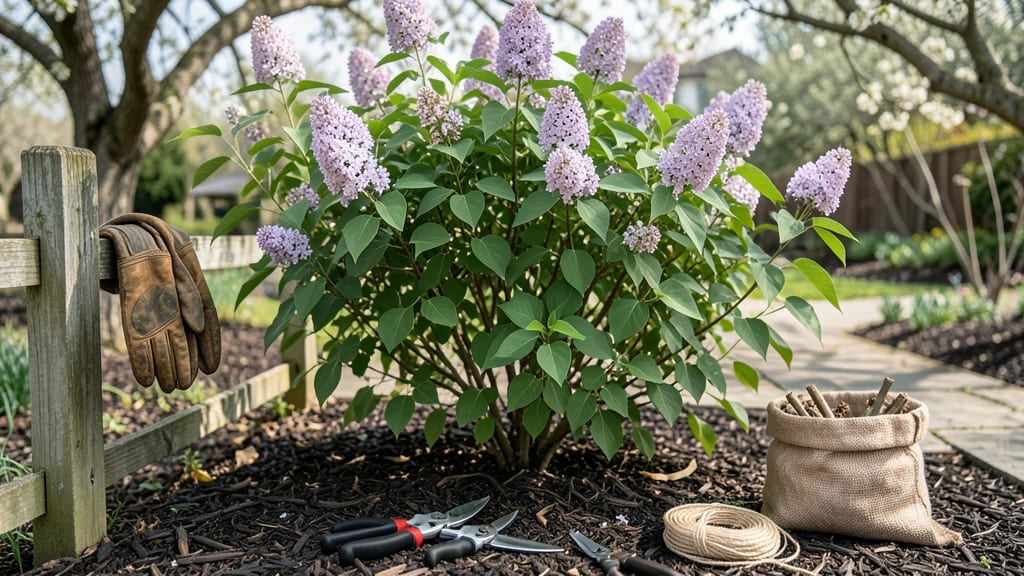
Late-winter is the secret weapon for lilac shrubs—when you trim them now, you unlock stronger canes and more abundant blooms next spring. 🌿 I used to dread pruning because my lilacs looked like overgrown bushes after, but this method changed everything.
The key is timing: prune right after the last frost but before buds swell, and you’ll encourage fresh, vigorous growth instead of cutting off next year’s flowers.
You only need three things: sharp bypass pruners (dull blades tear wood), a small bucket for clippings, and a pair of gloves to protect your hands from those thorny stems. Start by removing any dead, crossing, or weak branches first—they’re stealing energy from your shrub.
Then focus on shaping, cutting just above outward-facing buds to keep the plant full and open.
By mid-spring, you’ll see new shoots emerging from those pruned spots, and by summer, your lilacs will be bursting with fragrant blooms instead of struggling with leggy growth. The secret is patience: lilacs reward careful pruning with years of reliable fragrance and a fuller shape.
Just avoid the temptation to prune in fall or early spring—those are the times you’ll accidentally cut off next year’s flowers.
This method works for both old-fashioned lilacs and modern varieties, whether you’ve got a single shrub or a whole hedge. The first year might feel drastic, but trust the process—your lilacs will thank you with healthier wood and showier blooms every season. Now grab those pruners and let’s get started!
📚 In This Guide
- What you need
- Instructions
- Tips and common mistakes
- Wrapping up and next steps
What you need
- ● Pruning shears: Sharp, bypass-style shears (4–6" blades) for clean cuts on smaller stems.
- ● Loppers: 8–10" loppers for thicker canes (up to 1.5" diameter). Bypass blades are a must!
- ● Pruning saw: For stubborn, woody branches (12–16" curved blade).
- ● Gloves: Heavy-duty, cut-resistant gloves (gardening or pruning-specific) to protect your hands.
- ○ Disinfectant (optional but recommended): 70% isopropyl alcohol or a bleach solution (1:9 ratio) to sterilize tools between cuts.
- ● Ladder or stool: If your lilacs are taller than 6 feet—safety first!
- ● Trash bags or bucket: For collecting pruned branches (1–2 large bags or a 5-gallon bucket).
- ● Timing: Trim lilacs in late winter (just before buds swell) or right after flowering (never in summer!).
- ● Weather: Choose a dry, calm day—avoid pruning if rain is forecasted within 24 hours.
- ○ Safety gear (optional but wise): Safety glasses (if sawing thick branches).
- ● Long sleeves/pants (to avoid scratches from thorns).
- ● Cleanup supplies: A broom or leaf blower to clear up debris afterward.
Step-by-Step guide to trimming lilac shrubs
Revitalize your lilacs with this easy late-winter approach—you’ll boost blooms and plant health in just a few hours.
✂️ Step 1: Gather Tools and Inspect the Shrub
Start with clean, sharp pruning shears (dull blades tear stems, inviting disease). I always disinfect them with rubbing alcohol first—this prevents spreading any fungal spores hiding in last year’s cuts. Grab a small bucket for trimmings and a measuring tape or ruler to track branch sizes.
Scan your lilac for dead, crossing, or weak branches. Dead wood looks dry and brittle, while crossing branches rub against each other, creating wounds. Mark these with a piece of twine or tape if you’re unsure which to remove first. Lilacs reward precision—every cut should serve a purpose.
✂️ Step 2: Remove Dead and Problematic Wood
Cut out any dead branches first—they steal energy from healthy growth. Make clean cuts at the base where the branch meets the main stem, angling slightly downward to shed water. For crossing branches, remove the smaller one entirely to open the center of the shrub for better airflow and sunlight.
Watch for branches growing inward toward the center. These rarely produce flowers and create a dense, shaded interior. Snip them back to just outside the shrub’s outer canopy. You’ll notice a dramatic difference in light penetration after this step—your lilac will thank you with stronger blooms next season.
✂️ Step 3: Thin Out Overcrowded Branches
Lilacs thrive when they have good airflow. Select 5-7 of the strongest, most outward-facing branches and remove the rest. Focus on branches that are at least ¼ inch thick—these are mature enough to support next year’s flowers. Thin from the base, cutting just above a bud or side branch that grows outward.
Here’s the thing—don’t overthink this. If you’re unsure which branch to keep, err on the side of removing the weaker one. You’ll see new growth filling in gaps by late spring. The goal is an open, vase-like shape that lets sunlight reach all parts of the shrub.
✂️ Step 4: Shape the Shrub for Next Year’s Blooms
Now for the fun part: shaping. Lilacs bloom on last year’s wood, so never cut back old stems beyond next year’s buds. Look for swollen buds at the base of branches—these are your growth points for next season. Trim just above the first set of healthy buds, angling your cut slightly away from the bud.
Step back often to check your progress. The shrub should look balanced, with no branches sticking out awkwardly. Avoid heavy pruning—never remove more than ⅓ of the shrub’s total growth in one season. You’ll see new shoots emerging from those buds within weeks, signaling your lilac is ready for spring.
🌿 Step 5: Clean Up and Monitor Recovery
Rake up all trimmings and dispose of them (don’t compost diseased wood). Sweep the area around the base to remove fallen leaves or debris. Water the shrub deeply right after pruning to help it recover. Lilacs are tough, but a good drink of water reduces stress and encourages root growth.
Keep an eye on the cuts over the next few weeks. Healthy new growth should appear within 4-6 weeks, and you’ll see buds forming by early spring. If you notice any oozing sap or discoloration, apply a thin layer of pruning sealant to protect the wound—though lilacs usually heal just fine on their own.
Tips & tricks for perfect lilac trimming
Late-winter pruning transforms your lilacs from overgrown to showstopping—here's how to avoid the most common mistakes.
Tool Prep Matters: Don't skip the rubbing alcohol step in Step 1! I've seen pruning shears spread fungal infections between shrubs when not properly cleaned. For stubborn sap buildup, wipe blades with a paper towel soaked in mineral oil after each cut—this keeps them sharp and prevents rust. The extra 5 minutes now saves hours of frustration later when branches tear instead of cut cleanly.
Visual Cues for Step 2: When identifying dead branches, look for these telltale signs: branches that snap like dry sticks (healthy wood bends), grayish-brown bark instead of greenish-brown, and no response when you scratch the bark (healthy bark has a green layer underneath). For crossing branches, remember the "smaller one out" rule—this opens up the center without creating awkward gaps in your shrub's structure.
Timing Secret for Step 4: The 4-6 week recovery period mentioned in Step 5 works because that's when lilacs typically break dormancy. If you notice new growth appearing before 4 weeks, your climate is likely warmer than average. In cooler regions, you might see buds forming closer to 6 weeks—just wait until you see actual green shoots before worrying. The key is patience: lilacs reward careful pruning with dramatic spring growth.
Pruning Sealant Wisdom: While lilacs usually heal fine without sealant, there are two exceptions where I recommend applying it: if you're pruning in early spring (before buds swell) when wounds are more vulnerable, or if you're working with older shrubs where the bark is thicker and less flexible. Use a thin layer—thick applications can suffocate the wound and trap moisture. I keep a small bottle of horticultural sealant in my gardening toolbox for these special cases.
Pro Tips for Trimming Lilac Shrubs
- Late-winter pruning transforms your lilacs from overgrown to showstopping—here's how to avoid the most common mistakes.
- Tool Prep Matters: Don't skip the rubbing alcohol step in Step 1!
- For crossing branches, remember the "smaller one out" rule—this opens up the center without creating awkward gaps in your shrub's structure.
Frequently asked questions
Got questions about trimming your lilac shrubs? You’re not alone! Here are answers to the most common concerns—so you can prune with confidence and keep those fragrant blooms coming back bigger and better.
When is the absolute best time to trim lilacs?
The ideal window is late winter to early spring (February–March), before buds swell but after the worst cold snaps. This timing ensures you’re not cutting off next year’s flowers while avoiding dormant-season stress. If you miss this, wait until right after blooming—but expect fewer flowers that season.
How much can I cut back my lilac shrubs?
For established shrubs, aim to remove 1/3 of the oldest canes at the base (they’re non-productive). For younger lilacs, light trimming (10–20%) is enough. Never cut more than 1/3 of the plant’s total growth—this can shock the shrub and reduce blooms. Think of it like a haircut: less is more!
What if my lilacs don’t bloom after pruning?
Lilacs bloom on old wood, so aggressive summer pruning or cutting back too late (after buds form) can kill next year’s flowers. If blooms disappear, check your timing—late winter is key. Also, ensure your shrub gets 6+ hours of sun and well-draining soil. Over-fertilizing with nitrogen can also reduce flowering—opt for a balanced 10-10-10 instead.
Can I shape lilacs like other shrubs?
While lilacs don’t need formal shaping, you can lightly trim to encourage a fuller look. Avoid heavy shearing—it weakens canes and crowds out blooms. Instead, focus on removing dead, crossing, or overcrowded branches during late-winter pruning. For a natural shape, let the shrub grow organically and just thin out the center for airflow.
What do I do if my lilac leaves turn brown or wilt after pruning?
Brown leaves or wilting can signal stress from over-pruning or fungal issues (like powdery mildew). If you cut too aggressively, water deeply and avoid fertilizing until new growth appears. For fungal problems, prune in dry weather, remove infected leaves, and apply neem oil if needed. Prevention tip: Space shrubs for airflow and mulch to keep roots moist (but not soggy).
Wrapping up and next steps
Trimming your lilac shrubs in late winter isn’t just about tidying up—it’s your secret weapon for vibrant blooms, robust canes, and intoxicating fragrance all season long. 🌸 By following the right techniques, you’ll encourage healthier growth and set the stage for a stunning spring display.
Now that you’re armed with the knowledge, grab those pruners and give your lilacs the care they deserve—your future blooms will thank you!
Next step: Mark your calendar for late winter (just before buds swell) and start with a fresh cup of coffee—you’ve got this! ☕🌿