
Pruning
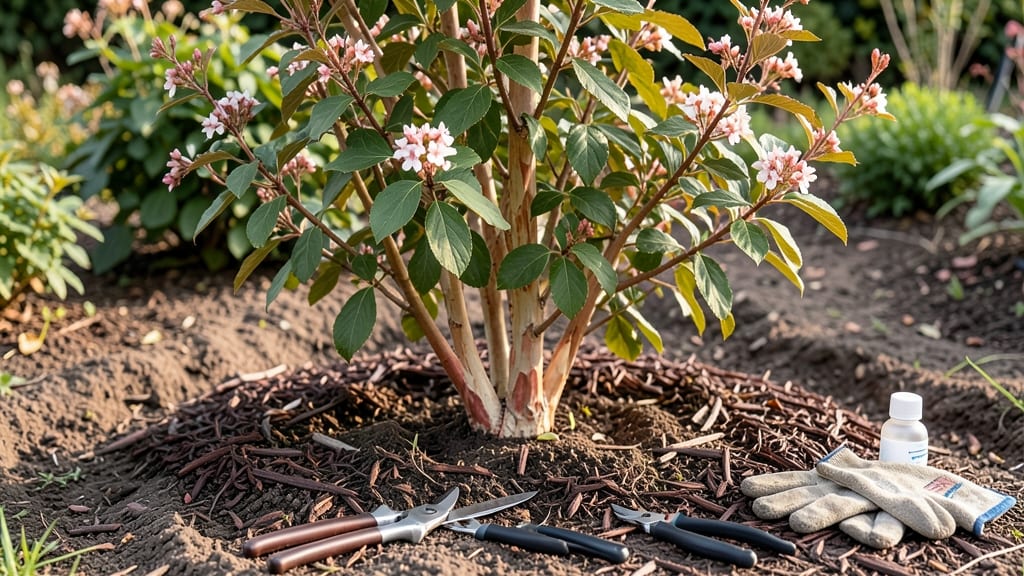
Trimming ninebark shrubs in late winter unlocks their full potential for the season. ✂️ I've learned that the right cuts now mean thicker canes, more flowers, and fewer floppy branches by summer—my ninebark now looks like a lush green wall instead of a tangled mess.
The key is timing: do it before new growth starts, and you'll avoid shocking the plant while still shaping it for maximum air circulation and sunlight exposure.
You'll need just three things: sharp bypass pruners, a pair of loppers for thicker branches, and a bucket for your clippings. The process isn't complicated, but it does require patience—especially if your shrub is overgrown. Start by removing any dead, diseased, or crossing branches first.
These are the easy wins that instantly improve the plant's health. For established shrubs, you can cut back up to a third of the oldest canes to encourage fresh, vibrant growth from the base.
What you end up with is a ninebark that looks like it was professionally landscaped. The new growth emerges thicker and more upright, and the flowers—those delicate clusters—appear in greater abundance.
My neighbors now ask how I keep my ninebark looking so perfect, and I just smile knowing it's all about the late-winter trim. The best part? You'll see results within just a few weeks of proper pruning.
This method works for both young shrubs and mature specimens, though younger plants need less aggressive pruning. If you live in a colder climate, wait until after the last frost to prune—cold snaps can stress newly cut branches.
For those in milder areas, late February is ideal timing. The secret is consistency: do this every year, and your ninebark will reward you with decades of healthy, vibrant growth.
📚 In This Guide
- What you need
- Instructions
- Tips and common mistakes
- Wrapping up and next steps
What you need
- ● Pruning shears: Bypass pruners (for clean cuts on small stems, 3–5 inches long)
- ● Loppers: Bypass or anvil type (for thicker branches, 8–12 inches long)
- ● Pruning saw: Hand saw with a fine-tooth blade (for stubborn, woody stems over 2 inches thick)
- ● Gloves: Heavy-duty gardening gloves (to protect hands from thorns and sharp edges)
- ● Disinfectant: Rubbing alcohol (70%+ isopropyl) or bleach solution (1 part bleach to 9 parts water) (to sterilize tools between cuts)
- ● Trash bags or bucket: For collecting pruned branches (1–2 large bags or a 5-gallon bucket)
- ○ Ladder (optional but helpful): Sturdy step ladder or extension pole pruner (if shrubs exceed 6 feet tall)
- ● Hand pruners with ratcheting mechanism (for easier cutting on tough branches)
- ● Pole saw or telescoping pruners (for high-reaching branches without a ladder)
- ● Marking spray paint (to tag canes for removal if needed)
- ● Knee pads or stool (for comfort during long pruning sessions)
- ● Sharpener or honing stone (to keep blades razor-sharp for clean cuts)
Step-by-step guide to trimming ninebark shrubs
Here's how to revive your ninebark's shape and vigor—without cutting back too much.
✂️ Step 1: Remove Dead or Damaged Canes First
Start by inspecting your ninebark for any canes that are completely brown, brittle, or hollow. These are dead and won’t regenerate. Use sharp pruning shears to cut these canes all the way back to the ground. You’ll know they’re dead if they snap easily when bent—healthy canes bend without breaking.
Don’t worry about the size of the cane; if it’s dead, it’s gone. This step clears out clutter and lets the plant focus its energy on new growth. I like to bundle the cuttings in a trash bag and toss them—no need to compost dead, diseased wood.
✂️ Step 2: Thin Out Overcrowded Branches
Ninebark thrives when it has good airflow, so next, look for branches that are growing too close together. These compete for sunlight and nutrients, leading to weak growth. Aim to space canes about 6-12 inches apart at the base. Cut the thinnest or most inward-growing branches back to the ground.
If you’re unsure which to remove, pick the smaller or less vigorous-looking cane. The goal is to leave a few strong, evenly spaced stems. You’ll see the difference in just a few weeks—thinner canes will produce more flowers and foliage.
✂️ Step 3: Prune for Shape and Size
Now, shape your ninebark by cutting back the remaining canes to about 12-18 inches tall. This encourages bushier growth and prevents the shrub from becoming leggy. Make cuts just above a set of buds, angled slightly downward to keep water from pooling.
If your ninebark has grown too tall, you can trim the top 1/3 of the oldest canes to encourage new growth from the base. Avoid cutting back more than 1/3 of the plant at once—this can stress it. You’ll notice new shoots emerging within 4-6 weeks of pruning.
🌱 Step 4: Clean Up and Fertilize
After pruning, rake up any fallen leaves or debris from around the base. This reduces the risk of disease and pests. Now’s also a great time to add a balanced fertilizer (like 10-10-10) to help the plant recover and grow stronger.
Water deeply after fertilizing to help the nutrients soak into the soil. Keep the area moist but not soggy for the first 2 weeks—this gives the plant the best chance to bounce back. You’ll see fresh, vibrant growth by early spring.
Tips & tricks for perfect ninebark shrub trimming
Late-winter pruning transforms ninebark shrubs—here's how to avoid common mistakes and maximize results.
Timing Secret: Late winter is ideal because ninebark is still dormant but about to burst into growth. If you prune too early (mid-winter), you risk exposing tender buds to cold snaps. Wait until just before new growth begins—usually when forsythia blooms in your area. This timing ensures you're removing dead wood while preserving next season's potential.
Tool Tip: Use sharp, clean pruning shears—not hedge trimmers. Dull blades crush stems instead of making clean cuts, which can damage the plant's vascular system. I keep a small bottle of rubbing alcohol nearby to wipe down shears between cuts—this prevents spreading any potential diseases from one branch to another.
Visual Cue for Step 1: When identifying dead canes in Step 1, look for these three telltale signs: first, the bark should peel away easily (healthy bark resists); second, the center should be hollow when you cut into it; third, the cane should snap cleanly when bent (healthy canes bend without breaking). I've made the mistake of keeping "gray" canes that weren't fully dead—don't make that same error!
Recovery Strategy: After pruning, you'll notice some canes look shockingly bare. That's normal! Ninebark responds dramatically to proper pruning. To help it recover, mulch around the base with 2-3 inches of organic mulch (like shredded bark) after fertilizing. This conserves moisture and regulates soil temperature, giving your ninebark the best chance to bounce back with vigorous new growth.
Pro Tips for Trimming Ninebark Shrubs
- Late-winter pruning transforms ninebark shrubs—here's how to avoid common mistakes and maximize results.
- Timing Secret: Late winter is ideal because ninebark is still dormant but about to burst into growth.
- Tool Tip: Use sharp, clean pruning shears—not hedge trimmers.
Frequently asked questions
Got questions about trimming your ninebark shrubs? You’re not alone—proper pruning can feel tricky, especially when timing and technique matter. Here are answers to the most common queries to help you trim like a pro and keep your ninebark thriving!
When is the best time to trim ninebark shrubs in late winter?
Late winter (just before new growth starts, around February to early March in most climates) is ideal for rejuvenation pruning. This timing encourages fresh, vigorous growth while avoiding harsh winter damage. Skip spring pruning—it can reduce flowering and weaken the plant.
How much can I cut back my ninebark shrub?
For established ninebarks, you can prune up to one-third of the oldest canes down to the ground. Younger shrubs (under 3 years old) only need light shaping—remove dead or crossing branches. Over-pruning stresses the plant, so never trim more than ⅓ at once.
What if my ninebark isn’t flowering well after pruning?
Ninebarks flower on new wood, so late-winter pruning won’t hurt blooms—it actually boosts next year’s flowers! If flowering is sparse, check for:
- Overcrowded canes (thin them out)
- Poor sunlight (needs full sun to partial shade)
- Underwatering (keep soil consistently moist but well-drained)
Can I shape ninebark shrubs like topiary?
Ninebarks are highly adaptable to formal shapes (e.g., spirals, cubes). Use hand pruners or shears for clean cuts, and prune lightly in spring to maintain form. For dramatic designs, start with a round or oval base and gradually refine over seasons.
What should I do if my ninebark looks leggy after pruning?
Leggy growth happens when too many old canes remain or the plant lacks sunlight. Fix it by:
- Cutting back 1-2 older canes to the ground next year
- Fertilizing with balanced 10-10-10 in early spring
- Ensuring 6+ hours of sunlight daily
Wrapping up and next steps
Trimming your ninebark shrubs in late winter isn’t just about aesthetics—it’s a power move for healthier, more vibrant growth all season long! 🌿 By following the right techniques, you’ll encourage strong canes, better airflow, and even more stunning blooms.
Now that you’re armed with the know-how, there’s no time like the present to grab those pruners and get to work.
Pro tip: Schedule a quick check-in every few months to monitor your shrub’s shape and adjust as needed. Happy pruning—your ninebark will thank you!