
Pruning
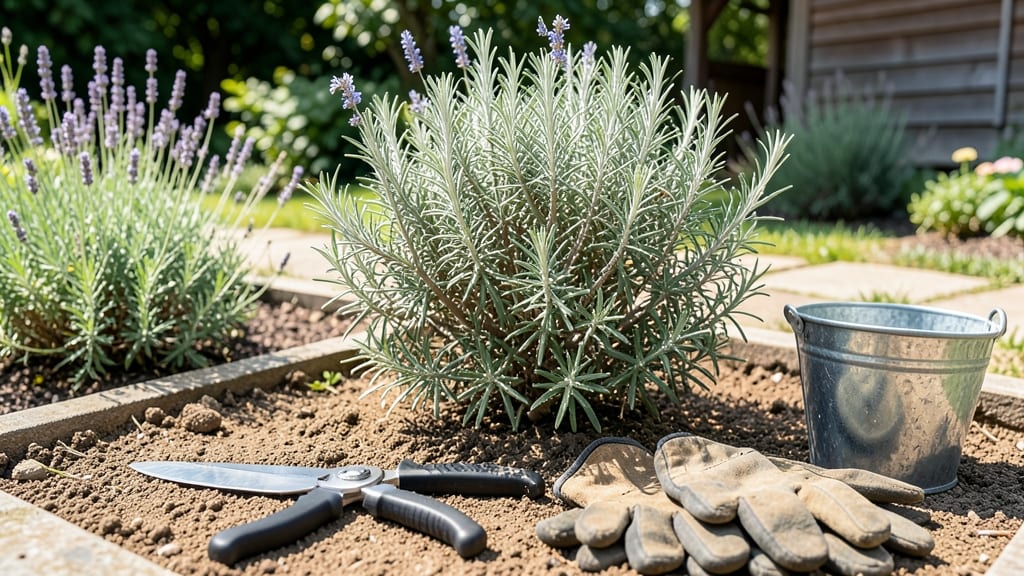
Trimming rosemary shrubs in late winter turns woody stems into lush, fragrant bushes ready for spring. ✂️ I’ve learned the hard way—skipping this step leaves your rosemary looking like a tangled mess by summer. The right cuts now mean bushier growth, more aromatic leaves, and fewer pests later. You’ll need sharp pruners, a clean cutting surface, and just 15 minutes of focused work. The key is cutting back by one-third of the plant’s height, always above a leaf node where new growth can sprout. Avoid cutting into old wood—it won’t regrow. By early spring, you’ll see fresh green shoots pushing out, and the scent will be stronger than ever. Your rosemary will stay compact, produce more leaves for cooking, and resist those pesky woolly aphids that love dry stems. This works for upright varieties like ‘Arp’ or ‘Hill Hardy,’ as well as trailing types. Just adjust the shape to match your garden’s needs—whether that’s a formal hedge or a loose, natural look.
📚 In This Guide
- What you need
- Instructions
- Tips and common mistakes
- Wrapping up and next steps
What you need
- ● Pruning shears – Sharp, bypass type (avoid anvil shears to prevent crushing stems). Quantity: 1 pair.
- ○ Hand pruners – For smaller branches and tight spots. Quantity: 1 pair (optional if shears are compact).
- ● Loppers – For thicker stems (½-inch or larger). Quantity: 1 pair (if your rosemary has mature growth).
- ● Disposable gloves – To protect hands from thorns and sap. Quantity: 1 pair.
- ● Rake or broom – For clearing fallen debris afterward. Quantity: 1.
- ● Disinfectant (70% isopropyl alcohol or bleach solution) – To sterilize tools between cuts and prevent disease. Quantity: Small bottle or spray.
- ● Watering can or hose – For post-pruning hydration. Quantity: 1.
- ● Garden twine or labels – To mark sections if you’re doing a staggered trim.
- ● Mulch (pine needles, straw, or wood chips) – To protect the base after trimming.
- ● Safety glasses – If your rosemary is particularly thorny or overgrown.
- ● Pruning saw – For very thick, woody stems (rare in rosemary but possible in older shrubs).
Instructions for trimming rosemary shrubs
Here's how to refresh your rosemary bushes for a fuller, more fragrant spring.
🌿 Step 1: Assess the Shape and Health
Start by examining your rosemary bushes from all sides. Look for woody stems—these are the ones that need attention. Healthy growth should be on the tips of branches, while older, brownish stems indicate areas that need pruning. I like to run my fingers along the branches to feel for new growth—it should be tender and green, not dry or brittle.
This is also the time to spot any dead or diseased branches. If you see blackened or mushy stems, trim those immediately to prevent the problem from spreading. Rosemary is tough, but it won’t recover from neglected damage. Think of this step as giving your plant a checkup before the big trim.
✂️ Step 2: Prune Back Woody Stems
Using sharp, clean pruners, cut back the woody stems to just above a set of healthy leaves or a new growth bud. I aim for ¼ to ⅓ of the plant’s height, but don’t go overboard—rosemary can handle a hard prune, but it’s better to take it slow if your plant is small or young. Always cut at a 45-degree angle just above the leaf node to encourage new growth.
Here’s the thing—rosemary grows best when pruned after flowering, but a late-winter trim stimulates fresh, fragrant growth for spring. Just avoid cutting into the very center of the plant, as this can leave a bare spot that won’t fill in. Focus on the outer branches to maintain a full, bushy shape.
🌱 Step 3: Encourage New Growth with Light Trimming
After removing the woody stems, give the plant a lighter trim to shape it up. Cut back any long, leggy branches by ⅓ to ½ to encourage denser foliage. You’ll notice the plant looks a bit sparser right after trimming—that’s normal. New growth will fill in within a few weeks, especially if you’re in a sunny, well-drained spot.
I like to step back and look at the plant from all angles to ensure it’s balanced. If one side looks bare, trim the opposite side slightly more to even things out. Avoid cutting into old, bare wood—this won’t produce new growth. Instead, focus on the green, flexible stems.
☀️ Step 4: Post-Prune Care for Revival
After trimming, give your rosemary a good drink of water—especially if the soil feels dry. Rosemary prefers dry, well-draining soil, but a deep watering after pruning helps it recover. Avoid overwatering, though; soggy soil can cause root rot. I wait until the top 2 inches of soil feel dry before watering again.
Now, here’s the key: place your rosemary in the sunniest spot possible. Full sun (at least 6-8 hours daily) is non-negotiable for rosemary. If your plant was in partial shade before, move it now—new growth will be stronger and more aromatic in bright light. You’ll see fresh, vibrant new shoots within 4-6 weeks.
Tips & tricks for perfect rosemary trimming
Here’s what nobody tells you about getting that professional-looking, bushy rosemary—without sacrificing next season’s growth.
Tool Prep: Sterilize your pruners with rubbing alcohol before you start. I learned this the hard way after noticing new growth turning yellow—turns out, old tools can transfer bacteria. Sharp, clean cuts heal faster and look neater. For stubborn branches, I use a small handsaw for thicker stems, but most rosemary responds well to clean pruners.
The 45-Degree Angle Secret: When you make those cuts in Step 2, that 45-degree angle isn’t just for looks—it’s about directing water away from the cut to prevent rot. I practice on scrap wood first if I’m new to this technique. The angle also creates more surface area for new buds to form, which is why your plant will look fuller in just a few weeks.
Sunlight Strategy: The 6-8 hours of sunlight mentioned in Step 4 is non-negotiable, but here’s the trick: if you’re in a cooler climate, morning sun is gentler and helps prevent leaf scorch. I’ve seen rosemary in partial afternoon shade thrive when moved to full morning sun after pruning—just don’t make the switch too late in the season.
Pruning Timing: Late winter is ideal because rosemary’s dormant period means less stress from cutting. If you miss this window, spring pruning still works, but you’ll sacrifice some of that fresh spring growth. I’ve even pruned in early fall with good results, but the recovery time stretches to 8-10 weeks instead of the usual 4-6.
Pro Tips for Trimming Rosemary Shrubs
- Here’s what nobody tells you about getting that professional-looking, bushy rosemary—without sacrificing next season’s growth.
- Tool Prep: Sterilize your pruners with rubbing alcohol before you start.
- The 45-Degree Angle Secret: When you make those cuts in Step 2, that 45-degree angle isn’t just for looks—it’s about directing water away from the cut to prevent rot.
Frequently asked questions
Got questions about keeping your rosemary shrubs thriving after a trim? Here are answers to the most common concerns—so you can prune with confidence and enjoy lush, fragrant growth all season!
When is the absolute worst time to trim rosemary?
Never trim rosemary in deep winter (below freezing) or during extreme heat (above 90°F). Cold stress weakens the plant, and summer heat can shock it post-prune. Late winter (just before new growth starts) or early spring is ideal—avoid cutting after mid-summer to prevent woody, leggy growth.
How much can I cut back without killing my rosemary?
You can safely trim up to one-third of the plant’s height, but avoid shearing more than 10-15% in a single session. Over-pruning stresses rosemary, especially in its first year. If your shrub is woody and unruly, thin out old stems at the base instead of hacking back uniformly.
What do I do if my rosemary turns brown after trimming?
Brown tips or stems usually mean over-pruning, underwatering, or sunburn. If it’s dry, water deeply and mulch to retain moisture. If you trimmed too aggressively, stop cutting back and focus on hydration and shade (temporarily) for 2–3 weeks. Avoid fertilizing—rosemary thrives in lean soil!
Can I shape rosemary like a topiary, or should I leave it natural?
Rosemary hates formal shearing—it’s not a hedge plant! For a natural look, prune selectively to open the center and encourage airflow. If you must shape it, use hand-pruning shears (not power tools) and avoid cutting into old, bare wood. Let it grow wild for the best flavor and fragrance!
How often should I trim rosemary in hot climates?
In arid or hot zones (USDA Zones 8–10), trim rosemary twice a year: once in late winter (as this guide covers) and lightly in early fall to remove leggy growth. Never prune during summer droughts—wait until temps drop below 85°F. Mulch heavily to protect roots from heat stress.
Wrapping up and next steps
Trimming your rosemary shrubs in late winter isn’t just about tidying up—it’s about unlocking their full potential for lush, fragrant growth all season long! 🌿 With the right tools, timing, and technique, you’ll reward your plants with healthier stems, vibrant foliage, and even more aromatic leaves for cooking or crafts.
Remember, patience and precision pay off—so take your time and enjoy the process.
Now that you’re armed with expert tips, grab those pruners and get trimming! 🌱 For extra inspiration, explore how to harvest and use your rosemary afterward—whether in the kitchen, garden, or homemade remedies. Happy pruning!