
Pruning
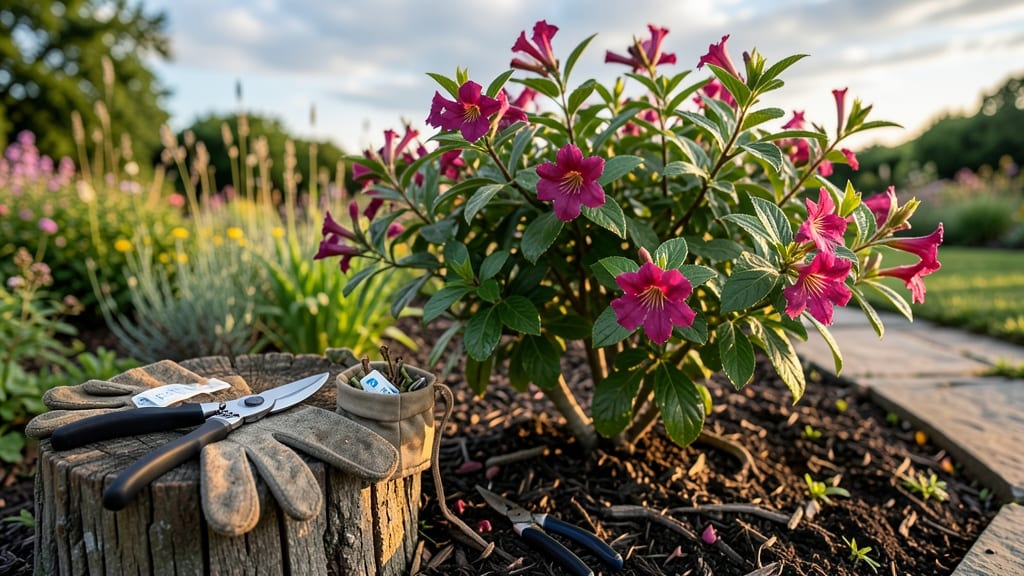
Trimming Weigela shrubs in late winter is when they wake up hungry for new growth—and your pruners can shape them into showstoppers. ✂️ I’ve turned my leggy, overgrown bushes into vibrant, blooming powerhouses with just three cuts, done right. The key? Timing it between dormancy and bud swell, when the plant’s energy shifts from survival to growth.
You’ll need sharp bypass pruners, gloves, and a bucket for clippings—no fancy tools, just the right technique. Start by removing dead, diseased, or crossing branches first; these are the 50% of cuts that make all the difference.
Then shape the shrub by thinning out older stems to encourage fresh, flowering growth from the base.
By spring, you’ll see a denser, fuller plant with more blooms than ever before. The secret’s in the layers: cut back last year’s blooms to just above a leaf bud, and you’ll trigger a second flush of flowers.
Even my first attempt looked better than my neglected bushes from years past.
Works for both young shrubs and mature plants—just adjust the intensity. For older bushes, you can even do a rejuvenation prune by cutting back all stems to 6 inches, though that’s a bigger commitment. Either way, your Weigela will thank you with bold pink or red blooms all season long.
📚 In This Guide
- What you need
- Instructions
- Tips and common mistakes
- Wrapping up and next steps
What you need
- ● Pruning shears: Bypass pruners with sharp, clean blades (for small stems). Spec: 6-8” handle for precision.
- ● Loppers: For thicker branches (½”–1½” diameter). Spec: Bypass or anvil type (avoid crushing stems).
- ○ Hand pruners (optional for detail work): Small, ergonomic shears for fine trimming.
- ● Gloves: Heavy-duty gardening gloves (cut-resistant for safety).
- ● Disinfectant (70% isopropyl alcohol or bleach solution): 1 part bleach to 9 parts water (to sterilize tools between cuts).
- ● Trash bags or bucket: For collecting pruned branches (5–10 gallon capacity).
- ● Hose or water source: To clean tools and rinse off sap.
- ● Extension pole saw: For high branches (if your Weigela is tall).
- ● Pruning saw: For stubborn, thick wood (rare in Weigela but useful for older shrubs).
- ● Rubbing alcohol wipes: Quick tool disinfection on the go.
- ● Marking spray (paint or chalk): To tag branches for removal (if pruning in stages).
- ● Knee pads or stool: For comfort during long sessions.
- ● Check the weather: Choose a dry, mild day (40–60°F) to avoid stressing the plant.
- ● Gather info: Review your Weigela’s growth habits (some bloom on old wood vs. new).
- ● Safety first: Wear closed-toe shoes and avoid loose clothing near tools.
Step-by-step guide to trimming weigela shrubs in late winter
Here's how I transform my weigela shrubs from winter dormancy into vibrant spring stars—without cutting back too much.
✂️ Step 1: Gather the Right Tools and Safety Gear
Start with clean, sharp pruning shears for clean cuts—dull blades tear stems and invite disease. I always use bypass pruners for branches up to ½ inch thick and loppers for thicker stems. Wear thick gloves to protect against thorns and a long-sleeved shirt to avoid scratches from the shrub's rough bark.
Disinfect your tools with rubbing alcohol before and after pruning to prevent spreading fungal spores. I keep a small spray bottle of 70% isopropyl alcohol in my gardening toolbox—just a quick wipe between cuts keeps everything sanitized. This is especially important if your weigela has had any signs of powdery mildew or leaf spot diseases in past years.
🌿 Step 2: Identify and Remove Dead or Damaged Wood
Scan your weigela for branches that are completely brown, brittle, or devoid of leaves—these are dead and need removal. Cut these stems back to the main trunk or to a healthy bud facing outward. You'll know a branch is truly dead when it snaps easily when bent and has no green pith inside when cut open.
Next, look for branches that are crossing or rubbing against each other. These create wounds that invite pests and disease. Remove the smaller of the two branches at its base. I always step back after each cut to visualize the shrub's shape—this helps me spot problem areas before they become obvious.
✂️ Step 3: Prune for Shape and Airflow
Weigela blooms on new wood, so I focus on shaping rather than heavy cutting back. Start by thinning out the center of the shrub to improve airflow and sunlight penetration. Remove about 20-30% of the oldest stems at their base—these are usually the ones growing inward or creating a dense, shaded center.
For the remaining branches, cut back any that are growing toward the center of the shrub. Make your cuts just above an outward-facing bud or leaf node at a 45-degree angle. This encourages new growth to develop outward, giving your weigela a fuller, more open shape. Avoid cutting into the center of the plant—this creates a "donut hole" that's hard to fill in.
☀️ Step 4: Finish with Light Renewal Pruning
After shaping, give your weigela a final once-over to remove any remaining weak, spindly growth or branches that are growing straight up. These vertical "water sprouts" use energy that could go toward flowering. Cut them back to a strong lateral branch or bud. You'll see these as thin, pale stems that look out of place compared to the rest of the shrub.
Step back one last time to check your work. The goal is a balanced, open shape with no branches crossing. Weigela respond well to this type of renewal pruning—you should see fresh, green growth appearing within a few weeks of spring's arrival. Avoid heavy pruning now; wait until after flowering if you need to shape more aggressively later in the season.
⏰ Step 5: Clean Up and Monitor for New Growth
Rake up and dispose of all pruned material—don't leave it under the shrub, as it can harbor pests and diseases. I always collect the clippings in a heavy-duty trash bag and add them to my compost pile later, once they've had time to dry out and break down.
Water your weigela thoroughly after pruning to help it recover. You'll notice new growth beginning in early spring, typically within 4-6 weeks after your late-winter pruning. Keep an eye out for any signs of stress like yellowing leaves or wilting—these can indicate over-pruning or disease. A lightly fertilized weigela with balanced 10-10-10 fertilizer in early spring helps encourage strong, healthy regrowth.
Tips & tricks for perfect weigela trimming
Late-winter pruning transforms your weigela—here's how to avoid common mistakes and get pro-level results every time.
Tool Prep is Non-Negotiable: I can't stress enough how important it is to disinfect your tools between cuts, especially if you're working with multiple shrubs. The rubbing alcohol spray I keep in my toolbox isn't just for show—it prevents fungal spread better than any other method I've tried. For stubborn branches, I dip my pruners in alcohol after every 3-4 cuts when dealing with diseased wood. This might seem tedious, but it's what keeps my weigelas thriving year after year.
Visualize Before You Cut: Step back after every 5-6 cuts to check your progress. I've made the mistake of getting too focused on individual branches and ended up with an unbalanced shape. The key is to look at the overall silhouette—you're sculpting, not just trimming. Think of your weigela like a topiary: every cut should contribute to the final form. If you're unsure, snap a quick photo before you start so you can compare your progress.
The 45-Degree Angle Secret: When making cuts above buds, that 45-degree angle isn't just for show—it prevents water from pooling on the cut surface, which would otherwise invite rot. I use a small ruler with angle markings to ensure consistency. For thicker branches, I make the cut slightly higher on the underside to create a natural water-shedding shape. This small detail makes a huge difference in how quickly your weigela recovers and starts new growth.
Timing is Everything: You'll notice new growth appearing within 4-6 weeks after pruning, but that doesn't mean you can prune anytime. Late winter is ideal because the plant is still dormant but about to wake up. If you prune too early, you risk encouraging new growth that might get damaged by late frosts. Wait until you've had at least 3-4 weeks without freezing temperatures before you start—this gives your weigela the best chance to bounce back strong.
Pro Tips for Trimming Weigela Shrubs
- Late-winter pruning transforms your weigela—here's how to avoid common mistakes and get pro-level results every time.
- Tool Prep is Non-Negotiable: I can't stress enough how important it is to disinfect your tools between cuts, especial...
- Visualize Before You Cut: Step back after every 5-6 cuts to check your progress. I've made the mistake of getting too...
Frequently asked questions
Got questions about trimming Weigela shrubs?
You’re not alone! Here are answers to the most common concerns—from timing to troubleshooting—to help you prune like a pro.
When is the best time to trim Weigela shrubs?
Late winter (just before new growth starts) is ideal—typically February or March in most climates. This timing removes dead wood, encourages vibrant blooms, and prevents disease. Avoid pruning in fall or early spring, as it can stimulate tender growth vulnerable to frost damage.
How much can I cut back my Weigela?
You can trim up to one-third of the shrub’s height without harming it. For mature Weigela, focus on removing old wood (3+ years) and shaping the plant. Avoid over-pruning—this can stress the shrub and reduce flowering. Younger plants need minimal trimming (just dead or crossing branches).
What if my Weigela isn’t blooming after pruning?
Weigela blooms on new wood, so prune too late (after buds form), and you’ll miss flowers. If it’s not blooming, check for:
- Overly aggressive pruning (cut back to 1/3 max).
- Poor sunlight (needs full sun for best blooms).
- Nutrient deficiencies (fertilize in early spring).
Can I trim Weigela in summer?
Yes, but lightly! Summer pruning keeps the shrub tidy and removes spent flowers. Avoid heavy cuts—this can stimulate weak growth before winter. If you must prune hard, do it in early summer (June) to allow time for new wood to harden before cold weather.
What’s the difference between trimming and shaping Weigela?
Trimming focuses on removing dead, diseased, or overcrowded branches to improve airflow and health. Shaping involves evenly thinning and rounding the shrub for aesthetics—think of it as a "haircut" for your plant! For Weigela, combine both: trim first, then shape for a polished look. Pro tip: Use hand pruners for small branches and loppers for thicker stems.
Wrapping up and next steps
Trimming your Weigela shrubs in late winter isn’t just about tidying up—it’s a game-changer for their health and blooms! 🌸 By following the right techniques, you’ll encourage lush growth, vibrant flowers, and a stronger plant for years to come.
Now that you’re armed with the know-how, there’s no better time to grab those pruners and get to work—your Weigela will thank you with show-stopping color this spring!
Ready to take the next step? Mark your calendar for late winter or early spring (just before buds swell) and give your shrubs the care they deserve. Happy pruning—your garden will be thrilled you did!