
Shrubs
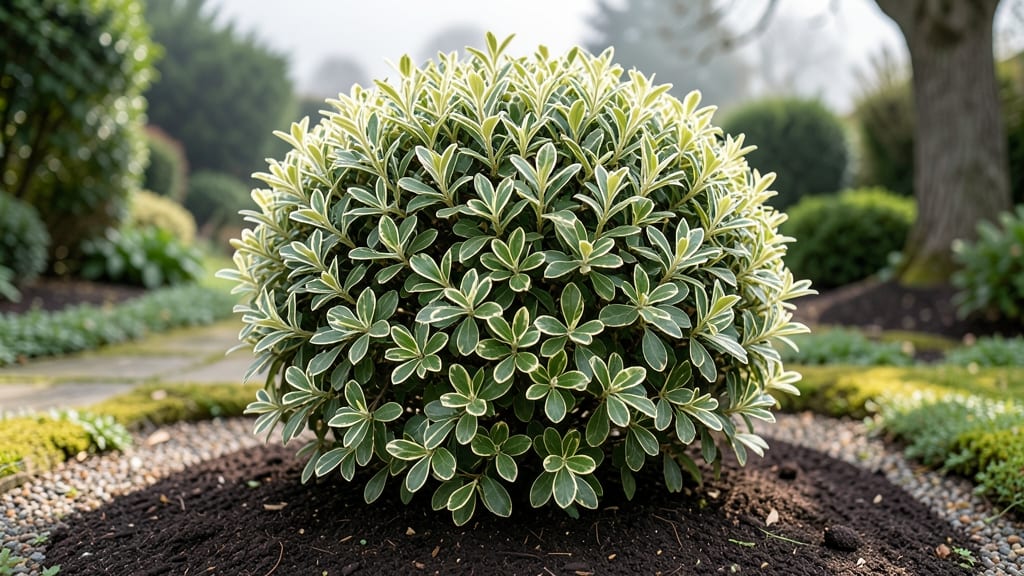
Variegated boxwood shrubs bring year-round elegance to any landscape with their striking golden edges and glossy green centers—all while demanding less fuss than most shrubs. 🌿 I’ve grown these for years, and they’ve become my go-to for structured, low-maintenance beauty that thrives in partial shade where other plants struggle.
The secret lies in their adaptability: they tolerate everything from city pollution to deer nibbles, yet still deliver that polished, refined look gardeners crave.
These shrubs flourish in well-draining soil with a pH between 6.0 and 7.5, making them ideal for urban gardens where soil quality is often poor. Plant them in morning sun or dappled shade—full sun can scorch the variegated edges, while too much shade dulls their color contrast.
In my zone 6 garden, they’ve handled winters down to 10°F without a single browning leaf, proving their hardiness. The best part? Their slow growth means you only need to prune once a year to maintain shape, saving hours of maintenance.
By summer’s end, you’ll have a neat, sculpted shrub that stays vibrant through frost, its golden edges glowing like a spotlight in winter. The key is consistent moisture—never soggy soil—and a light trim after flowering to encourage denser growth.
Even in tight spaces, these shrubs deliver professional landscaping results with minimal effort. Once established, they’ll outlast faster-growing plants, becoming the backbone of your garden’s structure.
From formal hedges to container plantings, variegated boxwoods adapt to nearly any design. For best results, space them 3–4 feet apart and mulch annually to retain moisture.
The payoff? A low-maintenance, high-impact shrub that turns heads without turning your weekends into pruning marathons. Ready to add this classic to your garden?
📚 In This Guide
- What you need
- Instructions
- Tips and common mistakes
- Wrapping up and next steps
What you need
- ● Variegated boxwood shrubs: 3–5 mature plants (1–3 ft tall, depending on desired spacing). Look for cultivars like 'Green Velvet', 'Winter Gem', or 'Dwarf Sunspot' for compact, colorful options.
- ● Well-draining potting mix: 5–10 gallons (or enough to fill planting holes). Mix equal parts garden soil, compost, and perlite/sand for optimal drainage.
- ● Organic mulch: 2–3 inches of shredded bark, pine straw, or cypress mulch to retain moisture and suppress weeds.
- ● Slow-release fertilizer: 1 lb of 10-10-10 or a balanced organic fertilizer (like fish emulsion) to kickstart growth.
- ● Pruning shears: Sharp, bypass-pruners (size #2 or #3) for clean cuts.
- ● Garden gloves: Heavy-duty, waterproof gloves to protect your hands from thorns and soil.
- ● Watering can or hose: With a gentle spray nozzle for post-planting hydration.
- ● Shovel or trowel: For digging planting holes (12–18 inches wide and deep).
- ● Measuring tape: To ensure proper spacing (3–6 ft apart for full-sized shrubs, 2–3 ft for dwarf varieties).
- ● Garden kneeler: For comfort during planting and pruning.
- ○ Hedge trimmer: Optional, for shaping (electric or manual, with adjustable blades).
- ○ Plant food (liquid or granular): Optional monthly boost during growing seasons.
- ● Pest control (neem oil or horticultural soap): For occasional spider mite or boxwood leafminer treatment.
Step-by-Step guide to planting and maintaining variegated boxwood shrubs
Boxwoods bring elegant texture and year-round interest to landscapes—here’s how to plant and care for them with minimal fuss.
🌱 Step 1: Choose the Right Location and Prepare the Soil
Variegated boxwoods thrive in partial shade to full sun, but their striking foliage fades in harsh afternoon light. I always plant mine along the north or east side of a foundation where they get morning sun and dappled shade. Test your spot by watching how much direct sunlight it receives—4-6 hours daily is ideal for vibrant variegation.
Loosen the soil to a depth of 12-18 inches to encourage root spread. Amend heavy clay with 2-3 inches of compost to improve drainage—boxwoods hate soggy roots. A soil pH between 6.0-7.0 keeps them healthy, so test your soil before planting. If your yard is acidic, add a handful of lime to the planting hole.
🪴 Step 2: Plant Shrubs at the Correct Depth and Spacing
Dig a hole twice as wide as the root ball but no deeper—boxwoods don’t like being buried too deep, which can suffocate roots. Gently remove the shrub from its container and tease the roots outward if they’re circling. Place it in the hole so the top of the root ball sits 1 inch above ground level—this prevents rot during heavy rains.
Space shrubs 3-5 feet apart depending on the mature size of your variety. Smaller cultivars like ‘Green Velvet’ can go closer, while larger ones like ‘Winter Gem’ need more room. Backfill the hole with native soil, tamping lightly every 2 inches to eliminate air pockets. Water deeply to settle the soil and encourage root contact.
☀️ Step 3: Water and Mulch for Establishment
Keep the soil consistently moist but never soggy for the first 4-6 weeks after planting. Water deeply 2-3 times per week until new growth appears—you’ll know it’s enough when the top 2 inches of soil feel damp. Avoid overhead watering, which can promote fungal diseases. Instead, use a soaker hose or drip irrigation to deliver moisture at the base.
Apply a 2-3 inch layer of mulch around the base, keeping it 3 inches away from the stem to prevent rot. I use shredded bark or pine needles because they break down slowly and retain moisture. Replenish mulch annually to maintain its protective layer—this keeps roots cool in summer and insulated in winter.
✂️ Step 4: Prune for Shape and Health
Boxwoods tolerate minimal pruning, but a little shaping in early spring keeps them looking their best. Wait until after the last frost when new growth begins—you’ll see fresh buds forming along the stems. Use clean, sharp pruners to trim back overgrown branches by ⅓ of their length to encourage bushier growth.
Shape the shrub by cutting just outside the bud where you want new growth to emerge. Avoid shearing with hedge clippers, as it can damage the delicate foliage. If a branch dies back, prune it to the nearest healthy growth. I prune mine lightly in spring and again in midsummer if needed—never after mid-August, as new growth won’t harden off before winter.
Tips & tricks for perfect variegated boxwood planting
Between us, these small details make all the difference when your variegated boxwoods stay vibrant for years.
Location Intelligence: The 4-6 hours of daily sunlight mentioned in Step 1 is your sweet spot—any more than that, and those creamy variegated edges will bleach out. I've seen this happen when people plant on south-facing walls. Test your spot for a few days first by observing how shadows move across it during peak sunlight hours.
Root Ball Rescue: When removing boxwoods from containers in Step 2, gently squeeze the root ball to loosen any circling roots—this prevents girdling as they grow. If roots are severely tangled, make a few vertical cuts with a clean knife to encourage outward growth. The 1-inch elevation above ground level is critical; burying deeper suffocates roots and invites rot.
Mulch Mastery: That 2-3 inch mulch layer in Step 3 isn't just decoration—it's insulation. I've found that pine needles work best in my climate because they acidify slowly, mirroring the natural soil conditions boxwoods prefer. Keep that mulch 3 inches away from the stem to prevent moisture buildup that causes rot.
Pruning Precision: The ⅓ length trim in Step 4 might sound drastic, but it's how you encourage dense, bushy growth. Always cut just outside the bud where you want new growth—this is where the plant's energy will focus. I've ruined several boxwoods by shearing too aggressively; resist the urge to use hedge clippers unless you're shaping a formal hedge.
Pro Tips for Variegated Boxwood Shrubs
- Between us, these small details make all the difference when your variegated boxwoods stay vibrant for years.
- Location Intelligence: The 4-6 hours of daily sunlight mentioned in Step 1 is your sweet spot—any more than that, and...
- Root Ball Rescue: When removing boxwoods from containers in Step 2, gently squeeze the root ball to loosen any circli...
Frequently asked questions
How often should I prune variegated boxwood shrubs?
Prune lightly once a year in late spring or early summer to maintain shape and encourage new growth. Avoid heavy cuts—boxwoods tolerate minimal pruning well! For formal hedges, trim every 6-8 weeks during the growing season. Always use clean, sharp tools to prevent damage.
Do variegated boxwoods lose their variegation in winter?
Yes! The variegated edges (cream, gold, or white) may fade in cold months but always return in spring. If the color stays dull year-round, it could signal too much shade or nutrient deficiency. Boost sunlight exposure and fertilize lightly in early spring to restore vibrancy.
What pests or diseases commonly affect variegated boxwood shrubs?
Watch for boxwood leafminers (tiny white trails on leaves) and boxwood blight (dark spots, wilting). Treat leafminers with neem oil or insecticidal soap. For blight, remove infected leaves immediately and avoid overhead watering. Prevention tip: Space plants for airflow and water at the base.
Can I grow variegated boxwoods in containers?
Choose a large container (at least 18" deep) with drainage holes and use well-draining potting mix. Variegated types thrive in containers but may need more frequent watering than in-ground plants. Repot every 2-3 years to refresh soil and roots.
What’s a good alternative if my boxwoods struggle in my climate?
If your zone is too hot, cold, or humid, try these low-maintenance alternatives:
- Dwarf English boxwood (Buxus sempervirens ‘Suffruticosa’) – Hardier but less variegated.
- Inkberry holly (Ilex glabra) – Evergreen with glossy leaves, thrives in wet soils.
- Dwarf gardenia (Gardenia jasminoides ‘Kleim’s Hardy’) – Fragrant, variegated options available.
Still stumped? Drop your question in the comments—we’re happy to help!
Wrapping up and next steps
Variegated boxwood shrubs are the ultimate low-maintenance stars for year-round beauty in your garden—no fancy pruning skills required! 🌿 With their striking variegated foliage, they bring effortless elegance while thriving in diverse conditions.
Whether you’re a seasoned gardener or just starting, these shrubs offer endless versatility for hedges, borders, or even container gardens.
Ready to elevate your outdoor space? Start small—pick a few plants, follow the care tips, and watch your garden transform with minimal effort. Grab your gloves and get growing today! 🌱