
Shrubs
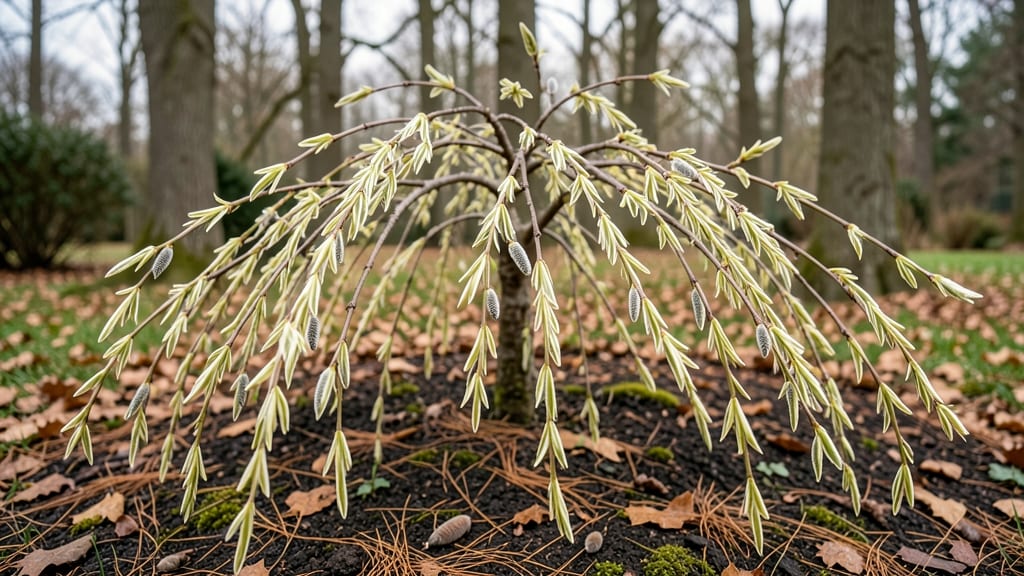
Variegated willow shrubs bring striking golden-and-green foliage to any garden, but their care is where the magic happens. 🌿 I’ve grown these showstoppers for years, and the secret to their bold color and disease resistance lies in year-round pruning—not just seasonal trims.
These shrubs aren’t just pretty; they’re tough enough to handle neglect but thrive when you give them the right attention.
Their sunlight-loving nature means they need at least 6 hours of direct light daily, though they tolerate partial shade in hotter climates. Soil should drain well but stay consistently moist—think of them as the drama queens of the shrub world who still appreciate a little pampering.
Mulch helps retain moisture while keeping roots cool, and a balanced fertilizer in early spring jumpstarts their growth.
Pruning isn’t just about shaping—it’s about revitalizing. Cut back leggy growth in late winter to encourage dense, colorful new shoots, and trim spent blooms in summer to keep energy flowing.
The result? A shrub that stays compact, vibrant, and pest-resistant all season long. These plants are perfect for hedges, privacy screens, or as a bold focal point in mixed borders.
Even in colder zones, variegated willows bounce back with proper care. Start with a healthy specimen, and you’ll have a low-maintenance star that turns heads year after year. Ready to grow one that steals the show? Let’s get started!
📚 In This Guide
- What you need
- Instructions
- Tips and common mistakes
- Wrapping up and next steps
What you need
- ● Variegated willow shrubs: 1-3 young plants (3–5 ft tall) from a reputable nursery (e.g., Salix caprea 'Tristis' or Salix alba 'Britzensis').
- ● Well-draining soil: Mix of 60% garden soil, 30% compost, and 10% perlite or coarse sand (10–15 cubic feet per plant).
- ● Pruning tools: 1 pair of bypass pruners (for clean cuts on small branches).
- ● 1 loppers (for thicker branches, 1–2 inches in diameter).
- ● 1 pruning saw (for stubborn, woody stems).
- ● Gloves: Heavy-duty gardening gloves (to protect from thorns and sap).
- ● Watering can or hose: With a gentle spray nozzle (for hydrating roots without erosion).
- ● Mulch: 2–3 inches of organic mulch (e.g., wood chips or straw) to retain moisture and suppress weeds.
- ● Fertilizer: Slow-release granular fertilizer (10-10-10 ratio) or organic compost tea (apply in early spring).
- ● Plant support: 3–4 stakes (4–5 ft tall) + soft ties (for young, top-heavy shrubs).
- ● Fungicide: Copper-based spray (prevents powdery mildew if humidity is high).
- ● Soil tester kit: To check pH (ideal range: 6.0–7.0 for willows).
- ● Seasonal pruning schedule: Mark your calendar for spring (March–April) and late winter (Jan–Feb) cuts!
Step-by-Step guide to pruning variegated willow shrubs for year-round health
Here’s how to maintain your variegated willows’ signature color while keeping them strong and resistant to disease.
✂️ Step 1: Prune in Late Winter for New Growth
Start pruning in late winter (just before buds swell) to shape the shrub and encourage fresh, vibrant foliage. Use clean, sharp pruners to make cuts at a 45-degree angle just above a leaf node or outward-facing bud. This prevents water from pooling on the cut and reduces disease risk.
Remove any dead, diseased, or crossing branches first—they compete with healthy growth and weaken the plant. I always start at the bottom and work upward, removing up to one-third of the oldest growth to maintain an open center. This airflow keeps foliage dry and reduces fungal issues common in willows.
✂️ Step 2: Light Summer Trimming to Preserve Variegation
In early summer, give your shrub a light trim to maintain its shape and encourage dense, colorful foliage. Focus on selective pruning—cut back leggy stems by one-third to promote bushier growth. Avoid heavy pruning now; it can stress the plant and dull the variegated patterns.
Watch for branches that lose their variegation (turning all green). These often grow in shaded areas where chlorophyll dominates. Prune them back to encourage new shoots with the signature striped or speckled leaves. A quick check every 2-3 weeks keeps the shrub looking its best without overworking it.
✂️ Step 3: Late Summer Cleanup for Winter Readiness
By late summer, your willow will show signs of slowing growth. This is the time for a final trim to prepare for winter. Remove any suckers or unwanted shoots at the base, and thin out crowded branches to improve airflow. Aim to leave strong, upward-facing branches—these will carry the most vibrant foliage next season.
Sanitize your pruners between cuts with rubbing alcohol to prevent spreading disease. I also like to apply a balanced fertilizer after pruning to support new growth before dormancy. This step ensures your shrub enters winter resilient and ready to burst with color in spring.
⏰ Step 4: Minimal Winter Maintenance (If Needed)
Variegated willows are tough, but a light winter check keeps them thriving. Remove any dead or broken branches caused by ice or wind. If you notice branches rubbing together, prune one to prevent damage. Avoid heavy pruning in winter—it stimulates growth when the plant should be dormant.
Here’s the thing—willows are forgiving. If you miss a pruning window, don’t stress. Just focus on removing dead wood and shaping in late winter next year. The variegated leaves will always make a statement, even if the timing isn’t perfect.
Tips & tricks for pruning variegated willow shrubs
Real talk: Pruning these striking shrubs isn't just about cutting branches—it's about preserving that signature variegation while keeping your plant thriving. Here's what nobody tells you about getting it right.
Timing is Everything: The late winter pruning in Step 1 is non-negotiable for variegated willows. This is when your shrub's energy is focused on new growth rather than maintaining old wood. I've seen gardeners miss this window and end up with leggy, sparse growth that loses its variegated pattern. Mark your calendar for just before buds swell—this is typically February in most climates, but check your local frost dates to be precise. The 2-3 week summer checks in Step 2 are equally critical because that's when chlorophyll can dominate in shaded branches, turning your beautiful striped leaves completely green.
The 45-Degree Angle Secret: That precise 45-degree angle in Step 1 isn't just about aesthetics—it's about plant health. Cutting at this angle prevents water from pooling on the cut surface, which dramatically reduces fungal infections that commonly plague willows. Here's what I learned the hard way: Use your pruners to make a clean cut that slopes downward away from the branch collar. If you're struggling to visualize, imagine you're cutting a slice of pie at a diagonal—same principle applies. This small detail makes all the difference in keeping your shrub disease-free for years.
Pruning Tools Matter More Than You Think: While the instructions mention clean, sharp pruners, let me emphasize this further—your tools are your most important equipment. Dull pruners crush plant tissue, creating larger wounds that invite disease. I invest in bypass pruners with stainless steel blades and sharpen them annually. For larger branches, I use loppers with the same precision. And that rubbing alcohol sanitization between cuts in Step 3? It's not optional. I've seen entire shrubs decline because gardeners skipped this step and accidentally transferred pathogens from one cut to another.
Variegation Preservation Hack: When you notice branches losing their variegation in Step 2, don't just cut them back—prune them back to a point where you can see new growth emerging from the base. The key is to encourage new shoots that carry the original variegation pattern. I've found that making these cuts just above a visible bud (even if it's small) gives you the best chance of regrowing the signature striped or speckled leaves. Think of it like giving your shrub a fresh start on that particular branch.
Pro Tips for Variegated Willow Shrubs
- Real talk: Pruning these striking shrubs isn't just about cutting branches—it's about preserving that signature variegation while keeping your plant thriving.
- Timing is Everything: The late winter pruning in Step 1 is non-negotiable for variegated willows.
- The 45-Degree Angle Secret: That precise 45-degree angle in Step 1 isn't just about aesthetics—it's about plant health.
Frequently asked questions
Got questions about growing variegated willow shrubs? You’re not alone! Here are answers to the most common queries—from pruning tips to pest worries—so you can keep your shrubs thriving with minimal stress.
When is the best time to prune variegated willows for maximum variegation?
Prune in late winter or early spring (just before new growth starts) to encourage vibrant variegation. Avoid heavy cuts in fall—this can stimulate tender new growth that’s vulnerable to frost. For year-round shape, do light trims after flowering (spring/summer) to maintain balance.
How do I prevent my variegated willow from reverting to solid green?
Reversion happens when shaded leaves lose their variegation. To keep those striking stripes, plant in full sun (6+ hours/day) and prune to improve airflow. If reversion occurs, cut back affected stems—new growth from healthy buds will often restore variegation!
Are variegated willows prone to pests or diseases? How do I treat them?
These shrubs are disease-resistant, but watch for aphids or scale on new growth. Blast pests off with water or use neem oil. For fungal issues (rare), ensure proper spacing (3–5 ft apart) and avoid overhead watering. Yellowing leaves? Check for overwatering—willows hate soggy roots!
Can I grow variegated willows in containers? What’s the best soil mix?
Yes! Use a well-draining mix (50% potting soil, 30% perlite, 20% compost) and a large container (15+ gallons) with drainage holes. Variegated willows need moist but not waterlogged soil—water when the top 2 inches dry out. Repot every 2–3 years to refresh nutrients.
How cold-hardy are variegated willows? Can they survive winter in Zone 5?
Most variegated willows (like Salix caprea ‘Tristis’) tolerate Zones 4–8. In Zone 5, mulch heavily around the base with wood chips or straw to protect roots. Young shrubs may need burlap wraps in harsh winters, but established plants usually bounce back with minimal fuss!
Wrapping up and next steps
Variegated willow shrubs bring year-round beauty and low-maintenance charm to any garden with their striking foliage and natural disease resistance. By mastering pruning techniques—like seasonal trimming and shape maintenance—you’ll keep them vibrant, healthy, and thriving for seasons to come.
Whether you’re a seasoned gardener or just starting out, these tips make caring for your shrubs simple and rewarding!
Ready to transform your landscape? Grab your pruners and start pruning today—your variegated willow shrubs will thank you with lush, colorful growth! 🌿✨