
Flowers
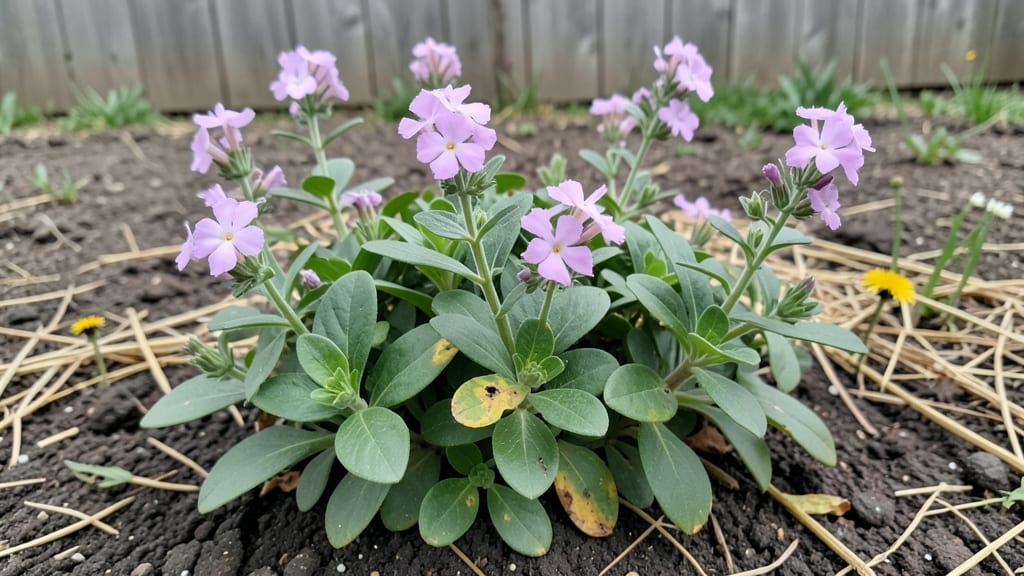
Caring for vinca flowers means near-zero stress once you nail the basics—these tough little plants thrive even when you forget to water them for a week. 🌿 I’ve grown vincas in everything from full sun to partial shade, and they always bounce back with those cheerful pink, white, or purple blooms.
The secret isn’t complicated: they hate soggy soil but love heat, drought, and neglect.
You’ll need well-draining soil (regular garden mix works), a spot with at least 6 hours of sunlight, and a container or garden bed that doesn’t stay waterlogged. Vincas don’t demand rich soil—just keep them from drowning, and they’ll reward you with blooms from spring until frost.
Fertilizer? A light dose of balanced 10-10-10 in spring is enough; too much makes them flop.
Prune them back by one-third in early summer to encourage bushier growth, and deadhead spent blooms if you want nonstop flowers. They’re deer-resistant, pest-proof, and even handle urban pollution better than most plants. By summer’s end, you’ll have a self-sustaining, low-maintenance ground cover that outlasts fads and forgetfulness.
Works as a border, in hanging baskets, or spilling over container edges—anywhere you want color without the fuss. Here’s how to keep them looking their best all season long.
📚 In This Guide
- What you need
- Instructions
- Tips and common mistakes
- Wrapping up and next steps
What you need
- ● Vinca plants: Choose between Vinca major (larger leaves) or Vinca minor (smaller, trailing varieties). Start with 3–5 plants for a full, lush look.
- ● Well-draining potting mix: Use a blend of 50% garden soil, 30% perlite or coarse sand, and 20% compost (10–15 lbs per container).
- ● Containers or garden bed: For containers: 12–15" pots with drainage holes (1 plant per 10" diameter pot).
- ● For ground planting: A sunny spot with at least 6 hours of light and loose, well-drained soil.
- ● Slow-release fertilizer: A balanced 10-10-10 or 20-20-20 formula (1 tbsp per plant or per 10 sq ft of bed).
- ● Mulch: 2–3 inches of organic mulch (e.g., shredded bark or pine straw) to retain moisture and suppress weeds.
- ● Gloves & pruning shears: For handling plants and trimming back leggy growth (sharp, clean shears are a must!).
- ● Watering can or hose with a gentle nozzle: Vincas prefer moderate moisture—avoid soggy soil!
- ○ Soil pH test kit (optional): Vincas thrive in slightly acidic to neutral soil (pH 6.0–7.0).
- ○ Epsom salt (optional): A 1 tbsp per gallon of water spray monthly can boost magnesium for vibrant blooms.
- ○ Decorative stones or pebbles (optional): For a polished look in containers.
Step-by-Step instructions for growing vinca flowers
Here's how I keep vinca blooming nonstop with almost no effort—perfect for busy gardeners.
🪴 Step 1: Choose the Right Location and Soil
Vinca thrives in full sun to partial shade—at least 4-6 hours of sunlight daily. I plant mine where morning sun hits but afternoon shade keeps leaves from scorching. The soil should drain well but hold moisture; vinca roots rot easily in soggy conditions.
Amend heavy clay soil with 1-2 inches of compost to improve drainage. Vinca tolerates poor soil surprisingly well, but adding compost ensures those vibrant blooms keep coming. Test your soil's pH—vinca prefers 6.0-7.5. If your soil is too acidic, add lime to raise the pH gradually.
☀️ Step 2: Plant Vinca Correctly for Best Growth
Dig holes twice as wide as the root ball but no deeper. Vinca roots spread wide, so spacing matters—plant 12-18 inches apart for full, lush mounds. If planting in containers, use pots at least 12 inches wide and deep with drainage holes.
Place the plant so the top of the root ball sits just below soil level. Press soil firmly around the roots to eliminate air pockets, then water deeply to settle everything. Mulch with 1-2 inches of organic mulch to retain moisture and suppress weeds. I always use pine straw—it looks natural and keeps soil cool.
💧 Step 3: Water Wisely to Keep Vinca Healthy
Water vinca deeply once a week—more often in extreme heat or sandy soil. The key is letting the soil dry slightly between waterings. Vinca roots grow deep, so 1 inch of water per week is plenty. Overwatering is the fastest way to kill these tough plants.
Check moisture by sticking your finger 1-2 inches into the soil. If it feels dry, water thoroughly until it runs out the drainage holes. Vinca wilts slightly in dry spells but perks right up after a good drink. Yellow leaves usually mean overwatering or poor drainage—fix that quickly.
✂️ Step 4: Prune and Maintain for Continuous Blooms
Deadhead spent flowers regularly to encourage more blooms. Vinca blooms nonstop, so I snip off faded flowers every 2-3 weeks during peak season. Use clean pruners and cut just above a set of leaves to promote bushier growth.
In early spring, give vinca a light trim to shape it and remove any leggy stems. I never cut back more than 1/3 of the plant at once—this keeps it compact and flowering. Fertilize lightly with balanced 10-10-10 fertilizer in spring and again in midsummer. Too much fertilizer leads to lush foliage but fewer flowers.
⏰ Step 5: Prepare for Winter Survival
Vinca is evergreen in mild climates but may drop leaves in cold winters. In Zone 7 and colder, mulch heavily with 3-4 inches of mulch around the base to protect roots. I also wrap young plants in burlap for extra insulation during hard freezes.
Prune back any damaged growth in early spring. Vinca recovers quickly, and new growth emerges fast once temperatures warm. In warmer zones, vinca stays green year-round with minimal care—just keep it lightly watered during dry spells.
Tips & tricks for perfect vinca flowers care
Took me years to master these simple tricks that make vinca care almost effortless—here's what nobody tells you.
Sunlight Secret: That 4-6 hours of sunlight in Step 1 is non-negotiable for peak blooms, but here's the thing: vinca handles morning sun better than afternoon heat. I plant mine where they get morning rays and afternoon shade—this prevents leaf scorch while still giving them enough light to thrive.
Soil Test Tip: Don't guess about that pH level in Step 1—pick up a simple soil test kit from your garden center for just a few dollars. Vinca prefers 6.0-7.5, but many garden soils run acidic. If your test shows lower than 6.0, add dolomitic lime according to package instructions before planting. The difference in bloom quantity is night and day.
Watering Hack: The "1 inch of water per week" rule in Step 3 works perfectly in normal conditions, but here's my real trick: use a rain gauge or tuna can to measure rainfall. If you get 1 inch of rain in a week, skip the watering entirely. Vinca's deep roots store moisture well, and overwatering is the #1 killer of these tough plants.
Pruning Pro Tip: When deadheading every 2-3 weeks in Step 4, I always cut just above a leaf node where new growth emerges. This encourages bushier plants that bloom more abundantly. And here's a bonus: use those spent flowers in homemade potpourri—they smell amazing when dried!
Pro Tips for Vinca Flowers Care
- Took me years to master these simple tricks that make vinca care almost effortless—here's what nobody tells you.
- Sunlight Secret: That 4-6 hours of sunlight in Step 1 is non-negotiable for peak blooms, but here's the thing: vinca handles morning sun better than afternoon heat.
- Soil Test Tip: Don't guess about that pH level in Step 1—pick up a simple soil test kit from your garden center for just a few dollars.
Frequently asked questions
Got questions about keeping your vinca flowers happy? Here are some of the most common concerns—and their simple solutions!
How often should I water vinca flowers?
Vinca flowers are drought-tolerant once established, so aim for deep watering every 1-2 weeks (adjust based on your climate). Water at the base to avoid wetting the leaves, which can lead to fungal issues. Pro tip: Let the top 1-2 inches of soil dry out before watering again.
When is the best time to plant vinca flowers?
Vinca thrives when planted in spring or early fall (after the last frost). This gives roots time to establish before extreme heat or cold. If you plant in summer, keep soil consistently moist and provide afternoon shade to reduce stress. Note: They can also be planted in mild winters, but avoid freezing temperatures.
What pests commonly affect vinca flowers, and how do I treat them?
Vinca is generally pest-resistant, but you might spot aphids, spider mites, or whiteflies. For mild infestations, spray with water or use insecticidal soap. For severe cases, apply neem oil or a systemic insecticide. Prevention tip: Encourage beneficial insects like ladybugs by planting nearby herbs like basil or dill.
Can vinca flowers grow in containers? What’s the best soil mix?
Vinca thrives in containers with well-draining soil. Use a mix of potting soil, perlite, and sand (or coconut coir) to prevent root rot. Ensure the pot has drainage holes and is at least 12 inches wide for mature plants. Bonus: Add a slow-release fertilizer at planting time for a nutrient boost.
Do vinca flowers need winter care?
Vinca is cold-hardy in USDA zones 7-11, but young plants or container-grown vinca may need protection. In colder zones, mulch heavily around the base or move potted plants to a sheltered spot. Winter tip: Trim back dead foliage in early spring to encourage fresh growth.
Wrapping up and next steps
Caring for vinca flowers is a breeze—once you know the tricks! With their low-maintenance needs, stunning blooms, and resilience, these beauties reward you with year-round color with minimal effort. Whether you’re a seasoned gardener or a beginner, vincas prove that easy care doesn’t mean boring.
Now that you’re armed with the right tips, why not plant a vinca or two this weekend? Pick your favorite variety, grab your gardening gloves, and enjoy the process—your future garden will thank you! 🌸✨