
Shrubs
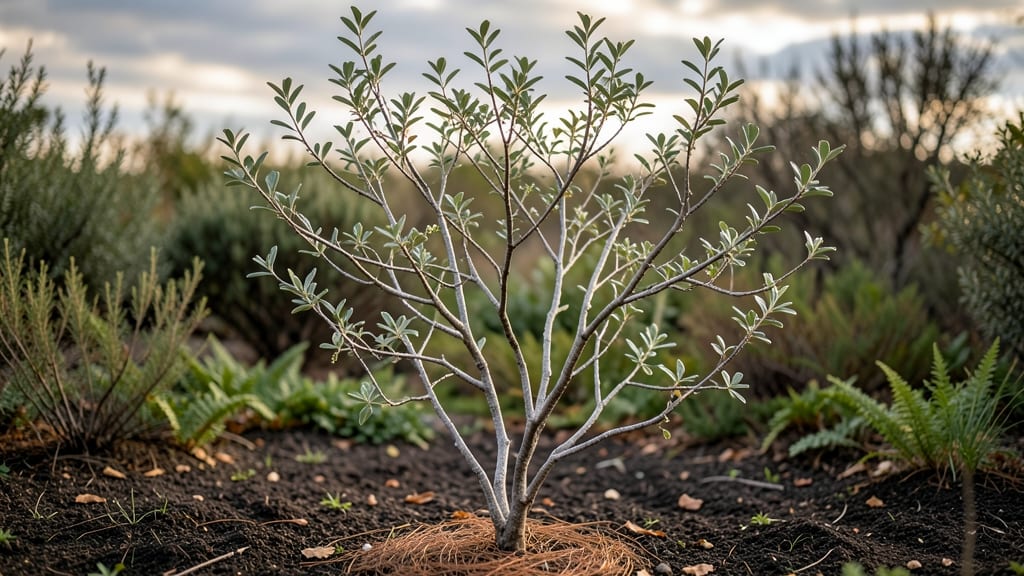
Transform your yard with a thorn-free, drought-tough walking stick shrub—it’s the kind of plant that looks like a natural sculpture while needing almost no fuss. ✨ These striking shrubs thrive in three key seasons, offering year-round interest with their distinctive, cane-like stems that arch gracefully without ever becoming invasive.
The secret lies in mimicking their native habitat: full sun, well-draining soil, and minimal interference once established.
You’ll need 6-8 hours of sunlight daily, a spot with sandy or rocky soil (they hate soggy roots), and a little patience—these shrubs grow 2-3 feet per year but reward you with bold, architectural branches that create movement in the landscape.
Plant in early spring or fall when temperatures are mild, and space them 4-6 feet apart to let their canes spread naturally. Water deeply once a week for the first year, then let nature take over.
By summer’s end, you’ll have a textured, low-maintenance shrub that outshines traditional hedges—no pruning required unless you want to shape it. The stems develop a rich, cinnamon-brown hue in winter, adding warmth to bare landscapes.
Best of all? They’re deer-resistant and drought-proof once established, making them the ultimate low-effort, high-impact plant.
Perfect for modern landscapes, xeriscaping, or as a focal point in dry climates. Start with one this season—your yard will thank you. Here’s how to get it right from day one.
📚 In This Guide
- What you need
- Instructions
- Tips and common mistakes
- Wrapping up and next steps
What you need
- ● Walking Stick Shrub: 1–3 nursery-grown saplings (3–4 ft tall, established root system) OR
- ● Seeds (from fresh hazelnuts, 5–10 for better germination odds) OR
- ● Hardwood cuttings (6–8 inches long, harvested in late winter)
- ● Soil: Well-draining, slightly acidic loam (pH 5.5–6.5). Mix in compost (1 part compost to 3 parts native soil).
- ● Mulch: 2–3 inches of wood chips or shredded bark (to retain moisture and suppress weeds).
- ● Fertilizer: Balanced, slow-release granular fertilizer (10-10-10 or 20-20-20, 1–2 tbsp per plant).
- ● Hand trowel or spade (for planting and soil prep).
- ● Garden gloves (to protect from thorns or rough bark).
- ● Watering can or hose with a gentle spray nozzle (for consistent moisture).
- ● Pruning shears (sharp, sterilized for cuttings or shaping).
- ● Measuring tape or ruler (to space plants 6–10 ft apart).
- ○ Optional: Soil pH test kit (to verify acidity levels).
- ● Rooting hormone (for cuttings, increases success rate).
- ● Drip irrigation system (for automated watering in dry climates).
- ● A sunny to partially shaded location (6+ hours of sunlight daily for optimal growth).
- ● Protection from strong winds (young shrubs are delicate).
- ● Access to a water source (consistent moisture is key, especially in the first year).
- ● Patience! Walking stick shrubs grow slowly but reward you with dramatic, twisted branches over time.
Step-by-Step instructions for cultivating a walking stick shrub
Here's the method I've used to establish thriving, thorn-free canopies—season after season.
🌱 Step 1: Select and Prepare the Planting Site
Choose a location with partial shade to full sun—walking stick shrubs tolerate a range, but morning sun with afternoon shade produces the densest growth. The soil must drain freely; these shrubs rot quickly in soggy conditions. I always test drainage by digging a 6-inch deep hole and filling it with water—if it doesn’t drain within 30 minutes, amend with 2-3 inches of coarse sand or gravel.
For 4 plants, space them 10-12 feet apart to allow mature canopies to develop without competition. Mark the spots with stakes to avoid guesswork later. Here’s the thing—walking stick shrubs have aggressive root systems, so avoid planting near sidewalks or foundations unless you want to lift concrete.
☀️ Step 2: Plant at the Right Time and Depth
Spring is ideal—4-6 weeks before your last frost date—when soil warms to 60°F. Dig a hole twice as wide as the root ball but only as deep as the container’s base. Loosen the roots gently if they’re circling (they’ll thank you later). Place the shrub so the top of the root ball sits 1 inch above ground level—this prevents waterlogging during heavy rains.
Backfill with native soil mixed with compost (if your soil is poor). Press firmly around the base to eliminate air pockets, then water deeply until moisture reaches 12 inches down. You’ll see the soil settle slightly—this is normal. Mulch with 2-3 inches of wood chips, keeping it 6 inches away from the trunk to prevent rot.
💧 Step 3: Water Strategically for First-Year Establishment
Water deeply once a week for the first 3 months, ensuring moisture reaches 12 inches down. Use a soaker hose or drip irrigation to avoid wetting foliage, which invites fungal diseases. You’ll know you’re doing it right when the soil 1 inch below the surface feels damp but not soggy. Overwatering is the #1 killer of young walking stick shrubs—let the top 2 inches dry out between waterings after the first season.
Fertilize lightly in early spring with a balanced 10-10-10 formula (½ cup per plant). Skip fall applications—new growth at that time invites winter damage. Here’s where most gardeners go wrong: they over-fertilize, leading to weak, leggy stems. Less is more with these shrubs.
✂️ Step 4: Prune for Shape and Health Yearly
Prune late winter or early spring before new growth begins. Remove dead, diseased, or crossing branches first—these compete for resources. Then, shape the canopy by cutting back overly long branches by ⅓ to encourage bushier growth. Walking stick shrubs respond well to pruning, but never cut more than ⅓ of the plant in one season—it stresses the shrub.
Watch for thorn clusters—these develop when branches are overcrowded. Thin out the center to improve airflow and reduce thorn density. I use bypass pruners for clean cuts and sterilize them with rubbing alcohol between cuts to prevent disease spread. After pruning, apply a layer of mulch to retain moisture and suppress weeds.
⏰ Step 5: Transition to Low-Maintenance Mature Care
After 2 years, your walking stick shrubs will establish a self-sustaining root system. Reduce watering to every 2 weeks during dry spells, focusing on deep soakings rather than frequent shallow waterings. Mature plants handle drought surprisingly well—wilting leaves rebound quickly once watered, but prolonged wilting signals root stress.
Fertilize every 2-3 years with compost worked into the top 4 inches of soil in early spring. Avoid high-nitrogen fertilizers—they promote leafy growth at the expense of woody structure. Here’s the payoff: with minimal care, your shrubs will develop a dense, thorn-free canopy by year 3, providing year-round interest and shade.
Tips & tricks for cultivating thriving walking stick shrubs
These game-changing strategies will help you cultivate a lush, thorn-free canopy that thrives for years—no guesswork required!
Soil Preparation Secret: In Step 1, when testing drainage, I recommend adding a handful of perlite or vermiculite to your drainage mix—this improves aeration even further. Walking stick shrubs hate soggy roots, so if your soil drains slower than 30 minutes, consider planting in raised beds for better control. The key is replicating their natural, well-draining woodland habitat.
Planting Depth Insight: The 1-inch elevation above ground level in Step 2 is non-negotiable—it prevents waterlogging during spring rains. If your soil is particularly dense, mound some soil around the base to create a slight berm, which helps channel water away from the trunk. This small adjustment makes all the difference in preventing root rot.
Watering Wisdom: For that critical first year, I've found using a moisture meter ($10 at garden centers) takes the guesswork out of watering. Aim for 30-40% moisture at 2 inches deep—this matches the damp-but-not-soggy ideal. The 12-inch deep watering in Step 3 encourages deep root growth, which is exactly what you want for drought resilience later on.
Pruning Pro Tip: When shaping in Step 4, I look for branches that grow inward—they're prime candidates for removal. These compete for sunlight and create dense, thorn-prone areas. Always make cuts just above a leaf node or outward-facing bud to encourage healthy regrowth. And here's a bonus: pruning in late winter (when the plant is dormant) reduces stress compared to spring pruning.
Pro Tips for Walking Stick Shrub
- These game-changing strategies will help you cultivate a lush, thorn-free canopy that thrives for years—no guesswork ...
- Soil Preparation Secret: In Step 1, when testing drainage, I recommend adding a handful of perlite or vermiculite to ...
- Planting Depth Insight: The 1-inch elevation above ground level in Step 2 is non-negotiable—it prevents waterlogging ...
Frequently asked questions
Got questions about growing and maintaining your walking stick shrub? You’re not alone! Here are answers to the most common queries to help you cultivate a thriving, thorn-free hedge with ease.
How fast does a walking stick shrub grow?
A walking stick shrub grows at a moderate pace—typically 12 to 24 inches per year under ideal conditions. With proper pruning and care, you can encourage faster growth, especially in spring and early summer. Patience is key, but consistent maintenance yields dense, lush foliage within 2–3 years!
When is the best time to prune a walking stick shrub?
Prune your shrub late winter or early spring (just before new growth starts) to shape it and encourage bushier growth. Avoid heavy pruning in fall, as it may stimulate tender new shoots vulnerable to frost. Light trimming to remove dead or overgrown branches can happen year-round, but never prune during extreme heat.
Can I grow a walking stick shrub in containers?
Yes! While they thrive in the ground, walking stick shrubs adapt well to large containers (at least 18–24 inches deep) with drainage holes. Use well-draining soil and repot every 2–3 years to refresh nutrients. Just ensure the container gets 6+ hours of sunlight daily—they’re not fans of shade!
Why are my walking stick shrub leaves turning yellow?
Yellowing leaves often signal overwatering or nutrient deficiencies. Check soil moisture—it should be dry 1–2 inches deep between waterings. If yellowing persists, test soil pH (ideal: 6.0–7.0) and fertilize lightly with a balanced, slow-release formula. Pests like spider mites can also cause stress—inspect undersides of leaves!
Are there thorn-free alternatives to the walking stick shrub?
If thorns are a concern, consider non-invasive, thornless shrubs like Abelia, Dwarf Fothergilla, or Potentilla. These offer similar structure and low-maintenance appeal without the prickly surprises. For a similar look, opt for Privet (Ligustrum) or Boxwood (Buxus)—both are dense, evergreen, and easy to shape!
Wrapping up and next steps
Growing a walking stick shrub is a rewarding journey that transforms your garden into a lush, low-maintenance haven—without the hassle of thorns! 🌿 By mastering the three key seasons (spring, summer, and fall), you’ll enjoy its striking foliage, drought tolerance, and wildlife-friendly appeal.
Whether you’re a beginner or a seasoned gardener, this shrub’s adaptability makes it a perfect addition to any landscape.
Ready to take the next step? Start by selecting your planting spot—sunny and well-drained is ideal—and gather your supplies. Then, dive into nurturing your walking stick shrub with confidence. Your future canopy awaits!