
Shrubs
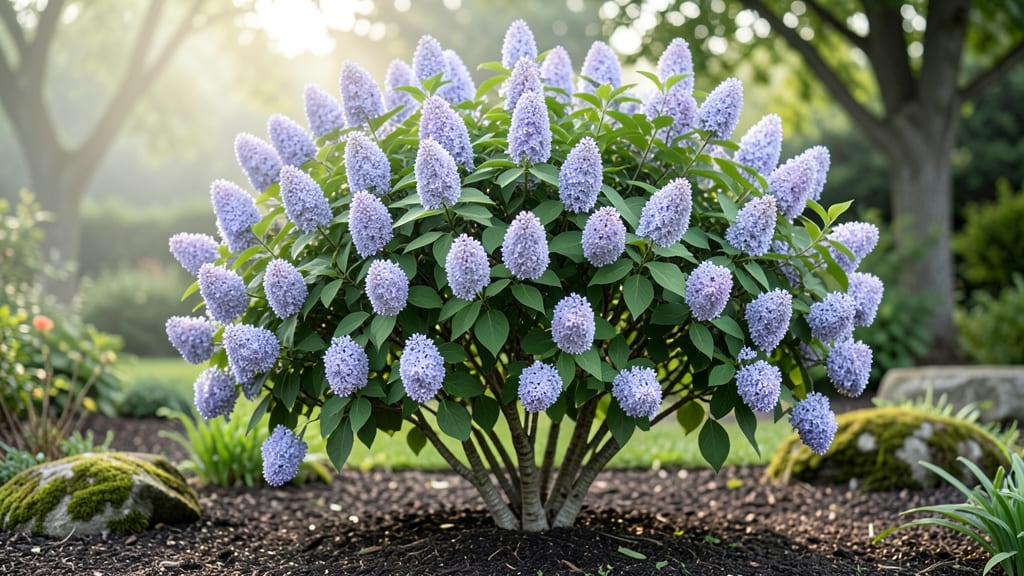
The Wedgewood Blue lilac shrub transforms your garden into a fragrant dream with its deep blue blooms and velvety foliage. 🌿 I’ve grown this variety for years, and it’s the only lilac that actually thrives with minimal fuss—once you master its pruning quirks.
The secret lies in timing and technique, not just cutting randomly. This shrub loves full sun and well-draining soil, but it’s surprisingly adaptable to different climates. After planting, it rewards you with strong, upright growth and those signature blue flowers that last weeks.
The key is pruning after blooming to encourage next year’s flush of fragrant blossoms. By summer’s end, you’ll have a lush canopy that hums with bees and fills the air with sweet perfume. The shrub even handles pests better than most lilacs, making it a low-maintenance star for any landscape.
Perfect for foundation plantings, borders, or even as a standalone specimen. Here’s how to keep it thriving year after year!
📚 In This Guide
- What you need
- Instructions
- Tips and common mistakes
- Wrapping up and next steps
What you need
- ● Wedgewood Blue Lilac Shrub: 1 healthy, 3-5 year old plant (bare-root or potted, depending on season). Pro tip: 🌱 Choose a specimen with a sturdy trunk and lush foliage!
- ● Pruning Shears: 1 pair of sharp, bypass pruners (avoid anvil shears—they crush stems). 🔪 Look for ergonomic handles for comfort during long sessions.
- ● Gloves: 1 pair of gardening gloves (nitrile-coated for grip and protection from thorns).
- ● Disinfectant: 70% rubbing alcohol or hydrogen peroxide (to sterilize tools between cuts).
- ○ Pruning Sealant (Optional): Pruning wax or tree paint (for sealing large cuts, ~4 oz). ✨ Only needed for cuts over ½ inch in diameter.
- ● Mulch: 2-3 bags of organic mulch (e.g., shredded bark or pine straw, ~50 lbs total).
- ● Watering Can or Hose: With a gentle spray nozzle (to avoid damaging new growth).
- ● Location: A spot with full sun (6+ hours/day) and well-draining soil. 🌡️ Test soil pH (ideal: 6.0–7.0).
- ● Timing: Prune in late winter or early spring (before buds swell) or right after flowering (avoid summer pruning!).
- ● Weather Check: Choose a dry, calm day (rain or wind can stress the plant).
- ○ Safety Gear (Optional): Sunglasses (to shield eyes from debris).
- ● Long sleeves (if your lilac has thorns!).
How to prune a Wedgewood Blue lilac for maximum blooms and canopy
Pruning this fragrant beauty isn't just about shaping—it's about unlocking next year's blooms while maintaining that signature Wedgewood Blue hue.
✂️ Step 1: Time Your Pruning for Optimal Growth
Prune your Wedgewood Blue lilac immediately after flowering, typically in late May to early June. This timing ensures you remove spent blooms while leaving next year's flower buds intact—those buds form on old wood during the previous summer and fall. If you prune at other times, you risk cutting off next year's blossoms before they develop.
Look for last year's flower clusters—they'll be brown and dried out. These are your visual cues that the blooming cycle is complete. Avoid pruning in fall or winter, as lilacs are dormant and more susceptible to disease when cut during these periods. Your goal is to encourage new growth while preserving the shrub's natural structure.
✂️ Step 2: Remove Dead, Diseased, or Crowded Wood
Start by inspecting the shrub for dead branches—these will be brittle, dry, and snap easily when bent. Cut these out at the base with clean, sharp pruners. Next, look for diseased wood (identified by discoloration, mold, or unusual spots). Remove these immediately to prevent spread, cutting back to healthy green tissue at least ½ inch below the affected area.
For crowded branches, focus on the center of the shrub where light struggles to penetrate. Thin out 10-20% of the oldest stems to improve airflow and sunlight exposure. This step is critical for maintaining the shrub's vigor and preventing fungal issues. Use your pruners at a 45-degree angle just above an outward-facing bud to encourage new growth in the right direction.
✂️ Step 3: Shape the Canopy for Balance and Airflow
Step back and assess the shrub's overall shape. Lilacs naturally grow in a rounded form, so aim to maintain that natural silhouette while opening up the center. Start by cutting back overly long branches to a side bud—this keeps the shrub compact and prevents legginess. For branches that extend beyond the desired canopy, trim to a bud facing outward to encourage a fuller, more balanced shape.
Pay special attention to suckers—those vigorous shoots growing from the base or along the trunk. These compete with the main shrub for nutrients. Remove them completely at the base, as they won’t develop into strong, flowering branches. Your goal is to create a lush, open canopy that allows sunlight to reach all parts of the shrub, which is key to those fragrant blue blooms.
💧 Step 4: Post-Pruning Care for Recovery
After pruning, water the shrub deeply to 12 inches down to help it recover from the stress of cutting. Lilacs are drought-tolerant once established, but post-pruning care is essential for new growth. Apply a 2-3 inch layer of mulch around the base (but not touching the trunk) to retain moisture and suppress weeds. This also protects the roots from temperature fluctuations.
Monitor the shrub for new shoots emerging from the pruned areas within 2-3 weeks. These indicate successful pruning and the shrub’s readiness to grow. Avoid fertilizing immediately after pruning—wait until late summer to apply a balanced, slow-release fertilizer to support the new growth without encouraging tender, disease-prone shoots.
☀️ Step 5: Maintain Through the Growing Season
Throughout the summer, keep an eye out for shoots growing from the base of the shrub—these are potential replacements for older stems. If you notice a particularly vigorous shoot, you can prune back the oldest stems in the shrub to redirect energy toward this new growth. Lilacs naturally rejuvenate every 10-15 years, so this gradual replacement keeps the shrub thriving.
Ensure the shrub receives full sun (6-8 hours daily) and well-draining soil. If your lilac struggles with yellowing leaves, it may be overwatered or sitting in soggy soil. Adjust your watering to once weekly (or less in rainy periods) unless the top 2 inches of soil are dry. With proper care, your Wedgewood Blue lilac will reward you with abundant, fragrant blooms for years to come.
Tips & tricks for pruning Wedgewood Blue lilacs
Between us, these simple adjustments will transform your pruning from basic maintenance to strategic growth science.
Timing Secret: The late May to early June window isn't just arbitrary—it's when your lilac's flower buds have already formed on last year's wood. If you prune too early, you risk cutting off next year's blooms before they develop. I've seen gardeners accidentally prune in April and end up with sparse flowering the following spring. The key is watching for those brown, dried flower clusters—they're your visual cue that the blooming cycle is complete.
Tool Technique: Never use dull pruners on lilacs—they crush stems and create jagged cuts that invite disease. Invest in sharp, bypass pruners and always make clean cuts at a 45-degree angle just above an outward-facing bud. This small detail makes all the difference in how quickly new growth emerges. For thicker branches, use loppers with the same sharpness standards. I sterilize my tools with rubbing alcohol between cuts on diseased wood to prevent cross-contamination.
Canopy Strategy: When shaping in Step 3, focus on creating an open center rather than just trimming random branches. Lilacs need light penetration to their inner stems for maximum bloom production. I like to visualize an inverted cone shape—broad at the top, gradually narrowing toward the base. This creates that signature rounded silhouette while ensuring every part of the shrub gets adequate sunlight. Remember, you're not just pruning for looks; you're engineering better flowering.
Recovery Hack: That 2-3 inch mulch layer after pruning isn't just decorative—it's a moisture and temperature regulator. I apply wood chips rather than straw because they break down slowly, adding organic matter to the soil over time. The critical part is keeping mulch away from the trunk to prevent rot. After mulching, I always water deeply to help the roots recover from the stress of pruning. You'll notice new shoots emerging within 2-3 weeks if everything's done correctly.
Pro Tips for Wedgewood Blue Lilac Shrub
- Between us, these simple adjustments will transform your pruning from basic maintenance to strategic growth science.
- Timing Secret: The late May to early June window isn't just arbitrary—it's when your lilac's flower buds have already...
- Tool Technique: Never use dull pruners on lilacs—they crush stems and create jagged cuts that invite disease. Invest ...
Frequently asked questions
Got questions about growing and caring for your Wedgewood Blue Lilac Shrub? You’re not alone! Here are some of the most common queries—plus expert answers to keep your fragrant beauty thriving.
When is the best time to prune a Wedgewood Blue Lilac shrub?
Prune your lilac right after flowering (late spring to early summer) to encourage strong blooms next year. Avoid heavy pruning in fall or winter, as it can stimulate tender new growth that may not survive cold snaps. Pro tip: Never prune into old wood—stick to the current year’s growth for best results!
How often should I water my Wedgewood Blue Lilac shrub?
Water deeply once or twice a week during the first growing season to establish roots, then taper to weekly watering in dry spells once established. Lilacs are drought-tolerant but appreciate consistent moisture—mulch around the base to retain soil moisture and reduce weeds.
Can I shape my Wedgewood Blue Lilac into a hedge?
Yes! Lilacs respond well to light shaping, but avoid over-pruning to maintain blooms. Use hand pruners for clean cuts and trim just above a bud or leaf node. For a formal hedge, prune gradually over 2–3 years—never cut more than 1/3 of the plant in one season.
What pests or diseases should I watch for in my Wedgewood Blue Lilac?
Keep an eye out for aphids, borers, or powdery mildew—common lilac issues. Prevent aphids with a strong spray of water; treat borers with neem oil. For powdery mildew, prune for airflow and apply fungicide if needed. Healthy plants = fewer problems!
Why isn’t my Wedgewood Blue Lilac blooming?
Lilacs need cold dormancy to bloom—if winters are too mild, buds may fail to set. Other culprits: over-fertilizing (too much nitrogen = leafy growth, no flowers), poor pruning timing, or stress from drought/transplant shock. Adjust care and be patient—consistent conditions often yield blooms within a year!
Wrapping up and next steps
The Wedgewood Blue Lilac shrub isn’t just a burst of color—it’s a fragrant, low-maintenance star for your garden when you master the art of pruning.
By following the right techniques, you’ll encourage lush blooms, healthier growth, and a canopy that perfumes the air for years. Now’s your chance to transform pruning from a chore into a rewarding ritual!
🌱 Your Next Step:
Grab those shears and start small—even a single branch makes a difference! Observe your shrub’s response, adjust as needed, and soon, you’ll have a thriving Wedgewood Blue Lilac that’s the envy of the neighborhood. Happy pruning! 🌿