
Shrubs
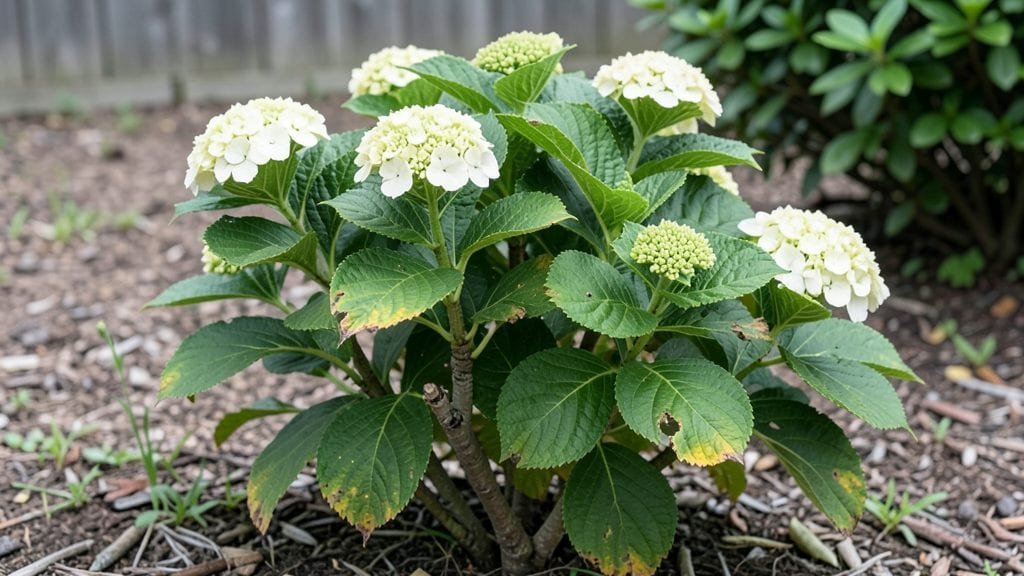
What a shrub is: a shrub is a woody plant with multiple stems growing from the base, typically 3–10 feet tall, often pruned to shape and used for hedges, borders, or ornamental gardens. Unlike trees, shrubs lack a single dominant trunk and regrow from their base when cut back.
A shrub stands out from other plants because of its woody structure and multiple stems that grow close to the ground. 🌿 Unlike trees, which have one main trunk, shrubs thrive with several branches emerging from their base, making them perfect for shaping into hedges or adding texture to gardens.
Their ability to regrow from the base means they can handle pruning well, which is why they're a favorite for both functional and decorative landscaping.
Many gardeners love shrubs because they offer year-round interest—some bloom in spring, others provide fall color, and some even have fragrant foliage. 🌸 For example, boxwoods create neat hedges, while hydrangeas add bold floral displays.
The key to keeping them healthy is understanding their specific needs, like sunlight requirements or soil preferences, so they can flourish with minimal effort.
💡 In This Article
- Key Differences Between Shrubs, Trees, and Herbs
- Best Shrubs for Landscaping and Low-Maintenance Gardens
Key differences between shrubs, trees, and herbs
The most fundamental distinction lies in their woody structure and stem arrangement. Shrubs develop multiple woody stems from the ground up, creating a bushy form that rarely exceeds 10 feet in height.
Trees, on the other hand, grow a single dominant trunk that branches out higher up, often reaching 20 feet or more. This structural difference means shrubs lack a clear crown—the distinct upper canopy that defines trees. 🌳
Herbs represent the opposite extreme: they're typically non-woody plants with soft stems that don't persist year-round. Most herbs like basil or parsley die back to the ground in winter, while shrubs maintain their woody framework through seasons.
Even evergreen shrubs like boxwood keep their structure through winter, unlike herbs that regrow from seed each year. The bark texture also differs—shrubs develop thicker bark than herbs but thinner than mature trees.
Growth patterns reveal another key difference. Shrubs often spread through suckering—sending up new shoots from their root system when pruned, which is why they regenerate so well. Trees grow upward through apical dominance, where the main trunk suppresses lateral growth.
Herbs grow through soft, flexible stems that can't support themselves without support structures. This explains why shrubs make excellent hedges—they can be sheared repeatedly without dying.
Consider the hydrangea as a perfect shrub example: its multiple woody stems create that classic rounded shape, and it can reach 3-6 feet tall while maintaining a bushy form.
Compare this to an oak tree with its single massive trunk and towering height, or basil which grows as a soft, leafy herb that bolts in heat. The structural differences directly influence how we use them in gardens—shrubs for borders, trees for shade, herbs for cooking.
Botanically, shrubs occupy a fascinating middle ground. They share woody traits with trees but lack their height and single-trunk structure. This makes them ideal for layered garden designs where you want both structure and flexibility.
Their ability to flower, fruit, or provide foliage interest across seasons gives them unmatched versatility in landscaping. 🌿