
Shrubs
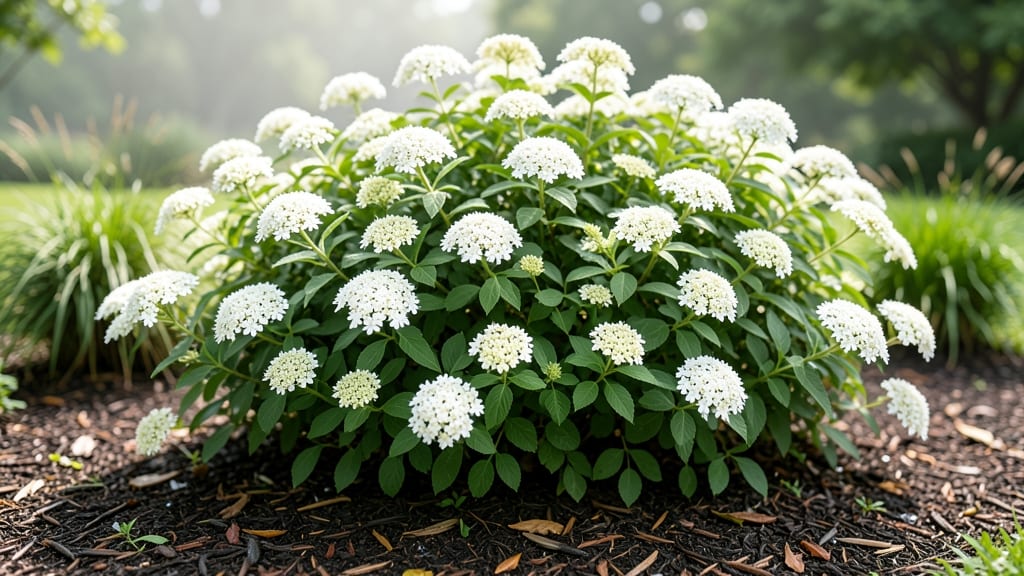
Growing a white spirea shrub means waking up to clouds of delicate blooms that smell like fresh spring air. 🌸 I’ve watched mine transform from a bare stem into a fragrant canopy in just three seasons—all it takes is the right spot, a little patience, and knowing when to prune.
The secret lies in full sun and well-draining soil, where roots stay happy and blooms explode in late spring. Water deeply once a week (more in summer heat), and you’ll avoid the leggy growth that frustrates so many gardeners.
Prune after flowering to keep the shape tight and encourage next year’s blooms—just three strategic cuts make all the difference.
By summer, your shrub will be a magnet for pollinators, its branches heavy with clusters of white flowers that last for weeks. The best part?
It thrives in zones 3-7, so whether you’re in a chilly northern climate or a warm southern one, this shrub delivers effortless beauty with almost no fuss.
📚 In This Guide
- What you need
- Instructions
- Tips and common mistakes
- Wrapping up and next steps
What you need
- ● White spirea shrub (e.g., Spiraea alba or Spiraea vanhouttei) – 1-3 plants, depending on desired coverage (3-5 ft tall at maturity).
- ● Well-draining soil – Mix of garden soil, compost (20%), and perlite/sand (10%) for optimal growth.
- ● Organic mulch – 2-3 inches of shredded bark or pine needles to retain moisture and suppress weeds.
- ● Slow-release fertilizer – Balanced 10-10-10 or rose/shrub-specific formula (1 lb per 100 sq ft).
- ● Watering can or hose with a gentle nozzle – For deep, infrequent watering (1-1.5 inches per week).
- ● Pruning shears – Bypass pruners (sharp, 6-8 inch blades) for clean cuts.
- ○ Loppers – For thicker stems (optional, if shrub is mature).
- ● Gloves – Garden gloves (cut-resistant for thorns) to protect your hands.
- ● Trowel or spade – For planting or amending soil.
- ● Measuring tape – To mark pruning zones (e.g., 1/3 of the plant’s height).
- ● Epsom salt – 1 tbsp per gallon of water (monthly spray for magnesium boost).
- ● Plant support stakes – If planting in windy areas (6-ft wooden or metal stakes).
- ○ Pruning sealant – For large cuts (optional; promotes faster healing).
- ● Garden kneeler/pad – For comfort during planting or maintenance.
Step-by-Step guide to pruning your white spirea shrub
Here’s how to keep your fragrant white spirea thriving with just three simple pruning moves.
✂️ Step 1: Prune for Shape in Late Winter or Early Spring
Wait until after the last frost but before buds swell—this is your sweet spot for shaping. Grab your sharp pruning shears and remove any dead, crossing, or weak branches first. These are easy to spot: they’re brown, brittle, or growing inward toward the center. Cut them back to the base or to a healthy outward-facing bud.
Next, shape the shrub by cutting back last year’s growth by one-third—this encourages bushier, fuller growth. Look for branches that stick out too much and trim them just above a leaf bud. Angle your cuts slightly to prevent water from pooling. You’ll see new growth emerge from the base, filling in any gaps.
✂️ Step 2: Light Pruning After Flowering
Once your spirea finishes blooming—usually in late spring or early summer—give it a quick trim to keep it tidy. Remove any spent flowers by cutting just above the first set of healthy leaves. This isn’t about heavy pruning; think of it as a light groom. Avoid cutting into old wood, or you’ll risk losing next year’s blooms.
If any branches look leggy or overgrown, you can trim them back by up to half to encourage denser growth. Just avoid cutting back more than one-third of the shrub’s total height at once. You’ll notice new shoots forming within a few weeks, signaling the plant is responding well.
✂️ Step 3: Renewal Pruning Every 3-5 Years
If your spirea starts looking woody or sparse, it’s time for a renewal prune. Choose a year when you don’t mind waiting for new blooms—this means cutting back older stems to the ground. Start with one-third of the oldest branches each year to avoid shocking the plant. You’ll see fresh, vibrant growth from the base within a season.
Here’s the trick: prune in early spring before new growth starts. After cutting, water deeply to help the plant recover. Over the next few months, you’ll watch as new stems emerge, creating a lush, youthful canopy. This method keeps your spirea looking fresh and full for years.
💧 Bonus Step: Post-Pruning Care
After pruning, give your spirea a deep watering to help it recover. Mulch around the base with 2-3 inches of organic mulch to retain moisture and protect roots. Avoid heavy fertilizing right after pruning—your spirea will thank you with stronger, healthier growth next season.
Real talk: If you miss a pruning cycle, don’t stress. Spirea is forgiving. Just focus on shaping in the next growing season, and you’ll still get that stunning white canopy. The key is consistency—prune at the right times, and your shrub will reward you with fragrant blooms year after year.
Tips & tricks for perfect white spirea pruning
Here's what nobody tells you about keeping your fragrant spirea looking its absolute best.
Timing is Everything: The window between last frost and bud swell is your golden opportunity—miss it, and you risk cutting off next year's blooms. I always check my local frost dates and mark my calendar for this exact timing. If you're unsure about buds swelling, look for tiny green nubs forming at the ends of branches. That's your cue to grab those shears!
Tool Prep Matters: Sharp pruning shears are non-negotiable. Dull blades crush stems instead of making clean cuts, which stresses the plant. I keep a small file in my gardening toolkit to sharpen my shears between uses. For thicker branches, I use loppers—just make sure they're clean to prevent disease spread. Sterilize with rubbing alcohol between cuts if your spirea shows any signs of infection.
Visual Cues for Perfect Cuts: When shaping in Step 1, look for the "V" shape where a branch meets the main stem. Cut just above this junction at a slight angle to prevent water from pooling. For renewal pruning, focus on removing branches that are thicker than a pencil—these are your oldest stems that need replacing. The goal is to create a balanced silhouette where light can reach all parts of the shrub.
Recovery Strategy: After any significant pruning, I always give my spirea a "recovery drink"—a deep watering that soaks down to 6 inches. The mulch layer (2-3 inches of organic material) helps retain this moisture while protecting roots. I avoid fertilizing immediately after pruning, as the plant needs to focus on healing rather than growing new leaves. Wait until you see new growth before adding any nutrients.
Pro Tips for White Spirea Shrub
- Here's what nobody tells you about keeping your fragrant spirea looking its absolute best.
- Timing is Everything: The window between last frost and bud swell is your golden opportunity—miss it, and you risk cu...
- Tool Prep Matters: Sharp pruning shears are non-negotiable. Dull blades crush stems instead of making clean cuts, whi...
Frequently asked questions
Got questions about your white spirea shrub? You’re not alone! Here are some of the most common queries—plus quick answers to keep your fragrant beauty thriving.
How fast does a white spirea shrub grow?
A healthy white spirea typically grows 1-2 feet per year, reaching maturity (6-8 feet tall) in 3-5 years. With proper care—like well-draining soil and occasional pruning—it can even grow slightly faster. Pro tip: Plant it in spring for the best start!
When is the best time to prune white spirea?
Prune right after flowering (late spring) to encourage new blooms and maintain shape. Avoid heavy pruning in fall—it can stress the plant. For shaping, trim lightly in early spring too. Never prune when buds are forming (late summer/fall).
Why are my white spirea leaves turning yellow?
Yellow leaves often signal overwatering or nutrient deficiency. Check soil moisture—white spirea prefers it dry between waterings. If yellowing is paired with brown edges, it’s likely underwatering. Test soil pH (ideal: 6.0-7.0) and fertilize lightly in spring if needed.
Can white spirea grow in full shade?
While it tolerates partial shade (3-6 hours of sun), full shade weakens blooms and growth. For best results, plant it in full sun to partial shade (morning sun + afternoon shade works well). If shade is unavoidable, ensure well-draining soil to prevent root rot.
What’s a good alternative if I want a white-flowering shrub?
If white spirea doesn’t suit your climate, try:
- Dwarf ninebark (Physocarpus opulifolius) – Tough, fragrant, and low-maintenance.
- Abelia (Abelia × grandiflora) – Blooms spring to fall, loves heat.
- Deutzia – Light, airy blooms and disease-resistant.
Wrapping up and next steps
Transforming your garden with a white spirea shrub is simpler—and more rewarding—than you think! 🌸 With just three strategic pruning moves, you’ll unlock its full potential: lush blooms, vibrant foliage, and that signature fragrance.
Whether you’re a seasoned gardener or just starting, this shrub’s resilience and beauty make it a must-have for any landscape.
Ready to elevate your outdoor space? Grab your pruners, follow the steps, and watch your white spirea thrive—then share your progress with fellow plant lovers! 🌿✨