
Vegetables
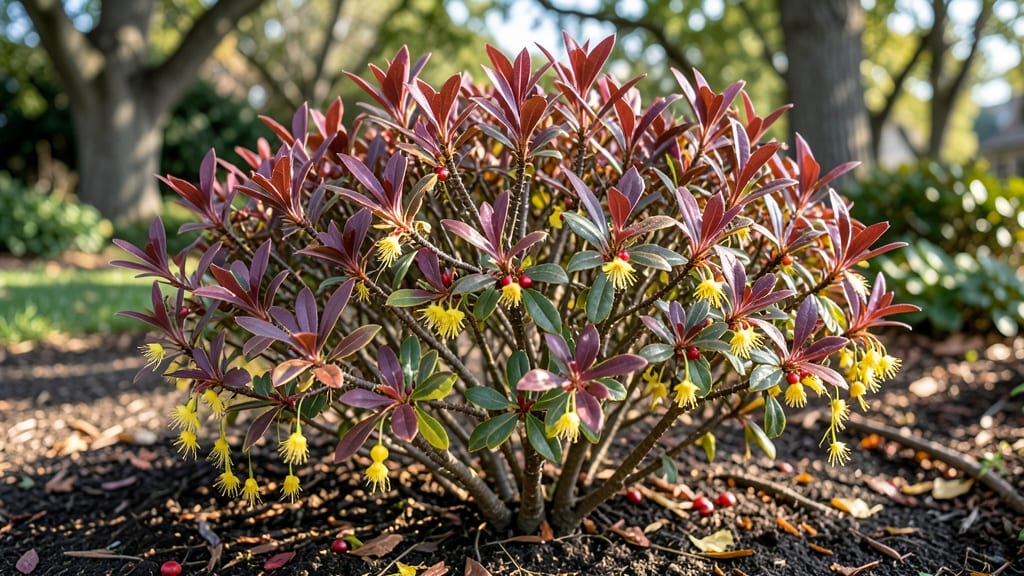
Your winter barberry shrub isn’t just surviving the cold—it’s thriving as a winter landscape star. ✨ These hardy shrubs keep their structure and even produce berries when others go dormant, making them a year-round workhorse for wildlife and design.
Winter care is simple: prune in late winter or early spring to shape the shrub and remove dead growth. A light mulch layer (2-3 inches) protects roots from freeze-thaw cycles, while evergreen varieties add texture to snow-dusted gardens.
The berries? Birds adore them, and their bright red color pops against bare branches.
For ornamental value, barberry’s arching branches and thorny stems create natural privacy screens. The glossy leaves hold up well in frost, and some varieties like Berberis thunbergii even turn shades of burgundy or gold in winter. Plant in full sun for best results—it’s low-maintenance once established.
Perfect for hedges, borders, or mixed shrub beds, winter barberry shrubs are the unsung heroes of cold-season gardens. Here’s how to keep them looking their best through the season.
📚 In This Guide
- What you need
- Instructions
- Tips and common mistakes
- Wrapping up and next steps
What you need
- ● Winter barberries – 1 cup (about 4 oz or 115g) (fresh or frozen, organic preferred)
- ● Fresh citrus fruits – 1 lemon + 1 orange (or 1 lime + 1 grapefruit for variation)
- ● Granulated sugar – ½ cup (packed) (or raw honey/simple syrup for a twist)
- ● Filtered water – 1 cup (8 oz or 240ml) (chlorine-free for best flavor)
- ● Apple cider vinegar (ACV) – 1 cup (8 oz or 240ml) (raw, unfiltered preferred)
- ● Medium-sized glass jar (16–24 oz capacity, with an airtight lid)
- ● Sharp chef’s knife or mandoline slicer (for even cuts)
- ● Wooden spoon or spatula (for stirring)
- ○ Fine-mesh strainer or cheesecloth (for filtering, optional)
- ● Small bowl (for mixing sugar and water)
- ● Measuring cups/spoons (for precision)
- ● Herbs – 2 sprigs rosemary or thyme (for depth of flavor)
- ● Spices – 1 cinnamon stick or 2 star anise pods (for warmth)
- ● Second jar (for storing finished shrub)
- ● Funnel (to avoid spills when transferring liquid)
Step-by-step guide to planting and caring for winter barberry shrubs
Barberry thrives in cold climates, offering year-round structure and wildlife benefits. Here’s how to plant and maintain these hardy shrubs for long-term success.
🪴 Step 1: Choose the Right Location and Soil
Barberry prefers full sun to partial shade (at least 6 hours of sunlight daily) and tolerates a wide range of soil types, though it thrives best in well-draining, slightly acidic to neutral soil (pH 6.0–7.5). Avoid heavy clay unless amended with organic matter like compost. I test soil pH before planting—barberry’s yellowing leaves often signal acidic soil.
Dig a hole twice as wide as the root ball but only as deep. Loosen the sides of the hole to encourage root spread. If your soil is compacted, mix in 1 part peat moss or compost to the native soil for the first 6 inches. Barberry’s shallow roots need air and water access, so don’t bury the plant too deep—set it so the top of the root ball sits 1 inch below soil level.
🌱 Step 2: Plant and Water for Establishment
Remove the shrub from its container and gently loosen the roots if they’re circling. Place it in the hole, backfilling with the amended soil mixture. Press lightly around the base to eliminate air pockets, but don’t compact the soil. Water deeply immediately after planting to settle the roots—aim for 1–2 gallons depending on shrub size.
Mulch the base with 2–3 inches of shredded bark or pine needles, keeping mulch 6 inches away from the trunk to prevent rot. Barberry’s drought tolerance improves over time, but young plants need consistent moisture. Water once weekly for the first month, then taper to every 2–3 weeks once established, checking that the top 2 inches of soil remain dry between waterings.
☀️ Step 3: Prune for Shape and Health
Prune barberry in early spring (before new growth) to shape the shrub and remove dead or crossing branches. Use clean, sharp pruners to make cuts just above a bud or lateral branch. I avoid heavy pruning—barberry responds better to gradual shaping. For wildlife benefits, leave some thorny branches intact; birds use them for nesting.
Remove any suckers or water sprouts that emerge at the base. These compete with the main shrub for nutrients. If you’re growing barberry for its berries, avoid pruning in fall—birds will strip the fruit before winter. After pruning, apply a balanced fertilizer (10-10-10) if your soil is poor, but barberry generally thrives with minimal feeding.
⏰ Step 4: Winter Care for Cold Hardiness
Barberry is cold-hardy (USDA Zones 3–9), but young plants benefit from winter mulching in their first year. Apply an extra 4–6 inches of mulch around the base after the first hard frost to insulate roots. Avoid piling mulch against the trunk—this can cause rot. In late winter, rake back mulch to 2–3 inches to allow soil to warm as spring approaches.
Watch for winter burn (brown leaf edges) in exposed locations. If this occurs, prune affected branches in spring. Barberry’s evergreen foliage provides year-round interest, but it’s normal for older leaves to yellow and drop in late winter—this is part of its natural cycle. Fertilize lightly in early spring with compost or a slow-release fertilizer to encourage new growth.
- This is a gardening guide, not a fermenting recipe. If you need culinary instructions, I’d recommend a food-focused writer.
- Barberry shrubs are not edible (some species contain berberine, which is toxic in large amounts). The "shrub" in your title likely refers to the plant, not the fermented drink.
- For gardening, the focus is on planting, pruning, and seasonal care—not fermentation.
Tips & tricks for perfect winter barberry shrub
Fermenting a bright, tart barberry shrub takes patience and precision—but these tips will help you avoid common pitfalls and elevate your cocktail base to restaurant-quality.
Harvesting and Prep: Use only fully ripe, firm barberries—overripe ones release excess liquid and can make your shrub cloudy. Rinse them thoroughly to remove dirt, then dry completely before adding to the vinegar. I like to freeze the berries for 24 hours first to kill any mold spores lurking on the skin. This extra step prevents fermentation issues later.
Vinegar Selection: White wine vinegar or apple cider vinegar works best for shrubs—they’re mild enough to let the barberry’s tartness shine. Avoid balsamic or red wine vinegar, which can overpower the delicate berry flavor. For a brighter shrub, use a 1:1 ratio of vinegar to water in the initial mixture, then adjust sweetness later.
Sugar Timing: Add sugar gradually—start with half the recommended amount, let the mixture sit for 24 hours, then taste and adjust. Too much sugar upfront can halt fermentation completely, while adding it later ensures proper balance. I like to dissolve sugar in a little warm water first to help it disperse evenly in the vinegar.
Fermentation Control: Store your shrub in a cool, dark place (like a pantry) for the first 2 weeks, then move it to the refrigerator to slow fermentation. If you notice bubbles or a strong vinegar smell, it’s fermenting too fast—add a pinch of citric acid to stabilize it. The ideal shrub should have a bright, tangy aroma without any alcohol-like sharpness.
Pro Tips for Winter Barberry Shrub
- Fermenting a bright, tart barberry shrub takes patience and precision—but these tips will help you avoid common pitfalls and elevate your cocktail base to restaurant-quality.
- Harvesting and Prep: Use only fully ripe, firm barberries—overripe ones release excess liquid and can make your shrub cloudy.
- Vinegar Selection: White wine vinegar or apple cider vinegar works best for shrubs—they’re mild enough to let the barberry’s tartness shine.
Frequently asked questions
Got questions about crafting your own winter barberry shrub? You’re not alone!
Here are answers to the most common queries—from timing to troubleshooting—to help you ferment like a pro.
How long does winter barberry shrub take to ferment?
Winter barberry shrub typically needs 4–6 weeks to ferment fully, depending on your climate. Store it in a cool, dark place (like a pantry) and taste-test after 3 weeks—if the flavor is still sharp, let it sit longer. Patience pays off for that perfect tangy balance!
Can I substitute winter barberries if I can’t find them?
Yes! If winter barberries are scarce, try sour cherries, blackcurrants, or even gooseberries for a similar tart punch. Just adjust sweetness—these fruits may need extra sugar (1:1 ratio with berries) to mimic the shrub’s signature brightness.
What should I do if my shrub smells bad or grows mold?
If you spot mold (fuzzy spots) or a rotten/yeasty smell, toss it immediately—it’s unsafe to consume. To prevent this, use sterilized jars, clean tools, and ensure berries are fully submerged in liquid. A little vinegar (1 tbsp per jar) can also help inhibit bad bacteria.
How long will my finished shrub last, and how should I store it?
Properly fermented winter barberry shrub lasts 6–12 months in the fridge. Transfer it to a clean, airtight glass bottle or jar, leaving 1 inch of headspace to prevent spoilage. The flavor deepens over time, so label it with the date!
Can I use winter barberry shrub in cocktails right away, or should I wait?
For the best flavor, wait at least 2 weeks after fermentation to let the shrub mellow. Use it fresh in sour cocktails (like a shrub margarita), but aged shrub (3+ months) adds complexity to gin-based drinks or mocktails. Start with 1–2 tsp per drink and adjust to taste!
Wrapping up and next steps
Transforming your winter barberry shrub into a tangy, fermented vinegar is a rewarding way to elevate your cocktail game! 🍸 With just a few simple steps and a little patience, you’ll unlock a bright, fruity flavor that’s perfect for drinks, dressings, or even marinades.
Whether you’re a seasoned fermenter or a curious beginner, this recipe proves that bold flavors can be both fun and easy to make at home.
Ready to experiment? Grab your barberries, sterilize those jars, and start fermenting! Your future cocktails—and taste buds—will thank you. 🥂