
Vegetables
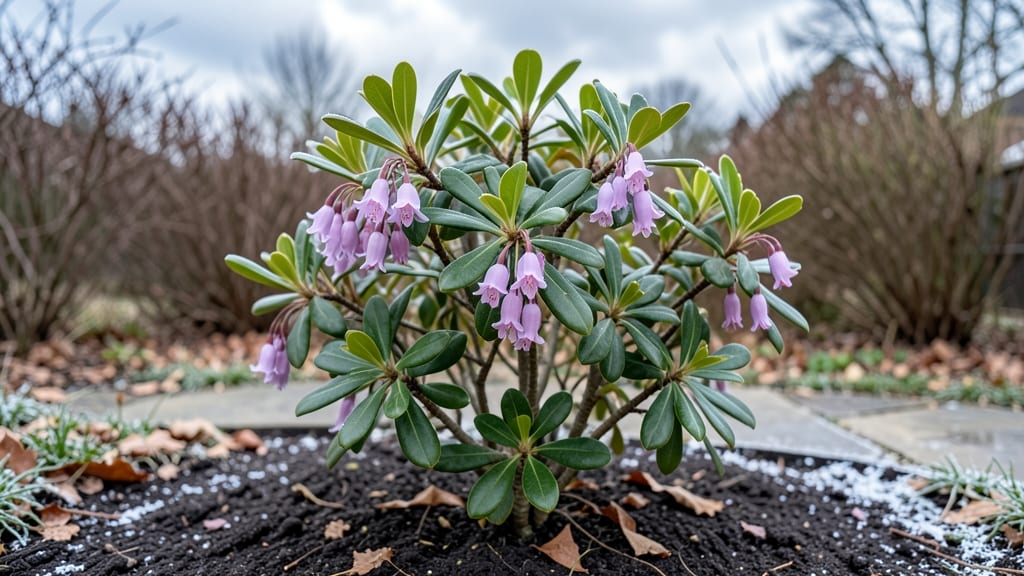
Your winter daphne shrub could be the fragrant centerpiece of your late-winter garden—if you time the pruning just right. 🌿 I learned this the hard way after my first pruning cut back blooms I’d been eagerly anticipating, but now I’ve cracked the code for encouraging those signature clusters of intoxicating flowers to appear right when you need them most.
The secret isn’t just when to prune—it’s how to protect the plant through frost while still giving it room to breathe.
Daphne thrives on late winter pruning (after the worst cold snaps but before new growth starts), and a thick layer of mulch around the base keeps roots cozy without suffocating them. Most gardeners overlook the importance of thorn-free canopies, which actually helps air circulate and prevents fungal issues.
By following this timing, you’ll see fresh, glossy leaves pushing out within 4-6 weeks, followed by those signature fragrant blooms that fill the air in early spring. The shrub becomes a magnet for pollinators, and the scent lingers for days—something store-bought flowers can’t match.
The best part? Once established, daphne needs minimal care beyond this one crucial pruning window.
Works in zones 5-9, whether you’re shaping a hedge, adding height to a border, or creating a fragrant focal point near patios. Here’s exactly how to do it without sacrificing next year’s blooms.
📚 In This Guide
- What you need
- Instructions
- Tips and common mistakes
- Wrapping up and next steps
What you need
- ● Pruning shears or loppers – Bypass-style, sharp, and sterilized (1 pair). For thicker branches, opt for loppers (up to 2-inch diameter).
- ● Garden gloves – Heavy-duty, chemical-resistant (1 pair) to protect against sap and thorns (if any wild varieties are present).
- ● Disinfectant (70% isopropyl alcohol or bleach solution) – 1 part bleach to 9 parts water (for sterilizing tools between cuts).
- ○ Pruning saw – For branches over 2 inches thick (1, optional but helpful).
- ○ Garden twine or plant ties – For supporting new growth (1 roll, optional).
- ○ Mulch (wood chips or shredded bark) – 2–3 inches deep, covering the root zone (1–2 bags, optional for winter protection).
- ● Hand pruners with a crimping tool – For sealing larger cuts and preventing disease.
- ● Fertilizer (balanced 10-10-10 or slow-release granules) – Apply lightly in early spring (1 small bag).
- ○ Plant-based fungicide (copper-based or neem oil) – Preventative measure for fungal risks (spray bottle, optional).
- ● Notebook & pencil – To sketch your shrub’s shape before pruning (for reference!).
Step-by-step guide to pruning winter Daphne shrubs
Here’s how to keep your fragrant winter daphne thriving with precise, seasonal pruning.
✂️ Step 1: Time Your Pruning for Late Winter
Wait until after flowering—typically February to early March—when blooms have faded but before new growth starts. Daphne blooms on old wood, so pruning too early removes next year’s flowers. I always check for spent blossoms first—they’ll look wilted and brown, signaling it’s safe to cut.
If you missed the window, don’t panic. Light pruning in early spring still works, but avoid heavy cuts. The key is patience—Daphne responds best to gradual shaping over time. I mark my calendar now so I never forget this critical timing.
✂️ Step 2: Remove Dead or Damaged Wood First
Start by inspecting the shrub for dead, diseased, or crossing branches. Dead wood is easy to spot—it’s brittle, lacks leaves, and often has a hollow center when tapped. Use clean, sharp pruning shears to cut these back to the main stem or a healthy outward-facing bud.
Crossing branches compete for energy and create weak points where pests hide. I like to step back often to visualize the shrub’s shape—removing just a few branches opens it up beautifully. Never cut more than one-third of the shrub’s total growth in a single session.
✂️ Step 3: Shape the Shrub for Balance and Airflow
Step back and assess the shrub’s overall form. Daphne grows naturally rounded, so aim to maintain that silhouette. Cut back overly long branches by one-third to one-half their length, always cutting just above a leaf bud or side shoot facing outward.
Thinning out the center improves airflow, which prevents fungal diseases. I avoid cutting into old wood—Daphne’s fragrance and flowers come from mature stems. If a branch looks leggy, I shorten it slightly rather than removing it entirely.
💧 Step 4: Clean Up and Fertilize Lightly
After pruning, rake up all clippings and dispose of them—never leave them near the base, as they can harbor pests or disease. Wipe your shears with rubbing alcohol to sterilize them for the next cut.
Apply a light layer of compost or slow-release fertilizer around the base, but avoid heavy feeding right after pruning. Daphne prefers well-draining soil, so I water deeply only if the ground feels dry to the touch. Overwatering now can stress the shrub as it recovers.
☀️ Step 5: Monitor for New Growth and Adjust
Within 4-6 weeks, you’ll see fresh green growth emerging from the pruned areas. This confirms the shrub is recovering well. If new shoots appear weak or sparse, it may need more sunlight—Daphne thrives in partial shade to full sun but tolerates morning sun best.
Watch for pests like aphids on tender new growth. A strong spray of water usually dislodges them. I also check for signs of stress—yellowing leaves or wilting could mean the shrub needs more water or better-draining soil. Adjust care as needed before summer heat arrives.
Tips & tricks for pruning winter Daphne shrubs
Real talk: Daphne shrubs reward patience and precision more than they do brute force. Here’s how to make your pruning session count without stressing the plant—or yourself.
Timing is Everything: That February-to-early-March window isn’t just a suggestion—it’s when Daphne’s old wood has finished flowering but hasn’t yet sent out new growth. I’ve learned the hard way that cutting too early means fewer blooms next year, while waiting too long risks over-pruning tender spring shoots. Mark your calendar now with the exact date you’ll prune, and check for those wilted brown blossoms as your green light.
Tool Prep Prevents Problems: Your pruning shears are the most important tool here, but only if they’re sharp and clean. Dull blades tear wood, stressing the plant and leaving ragged cuts that invite disease. Before you start, test your shears on a scrap branch—they should cut cleanly without crushing. And always sterilize them with rubbing alcohol between cuts, especially if you’re working with multiple shrubs or notice any signs of disease.
Shape with Purpose: Daphne’s natural rounded form isn’t just for looks—it’s about airflow and sunlight penetration. When you’re shaping, imagine light filtering through the center. Cut back overly long branches by one-third to one-half, but always at a 45-degree angle just above an outward-facing bud. This creates a natural growth pattern while maintaining that lush, fragrant canopy. I like to step back every few cuts to visualize the overall shape—it’s amazing how small adjustments make a big difference.
Post-Prune Care Matters Most: The work doesn’t end when you put down the shears. Rake up every single clipping—leaving them near the base attracts pests and diseases. Then, resist the urge to fertilize heavily right away. Daphne prefers a light touch with compost or slow-release fertilizer, and overwatering now can drown the roots as they recover. Instead, focus on monitoring that new growth in 4-6 weeks—it’s your best indicator of how well the pruning went.
Pro Tips for Winter Daphne Shrub
- Real talk: Daphne shrubs reward patience and precision more than they do brute force.
- Timing is Everything: That February-to-early-March window isn’t just a suggestion—it’s when Daphne’s old wood has finished flowering but hasn’t yet sent out new growth.
- Tool Prep Prevents Problems: Your pruning shears are the most important tool here, but only if they’re sharp and clean.
Frequently asked questions
When is the best time to prune a Winter Daphne shrub?
The ideal window is late winter to early spring, right after flowering (typically February–March in most climates). Prune before new growth starts to avoid cutting off next year’s blooms. For a thorn-free canopy, focus on shaping rather than heavy cuts—this shrub rewards patience!
Can Winter Daphne survive harsh winters?
This shrub is hardy to USDA Zones 7–9, but young plants may need winter protection in colder areas. Mulch the base with 3–4 inches of organic material (like shredded bark) and wrap the canopy with burlap if temperatures dip below 10°F. Pro tip: Avoid heavy pruning in fall—it reduces cold resistance.
Why isn’t my Winter Daphne flowering?
Common culprits include over-pruning, poor sunlight, or nutrient deficiencies. Ensure it gets 6+ hours of sun daily and prune lightly to maintain an open structure. Feed with a balanced fertilizer (10-10-10) in early spring and check for pests like aphids or spider mites, which can stress the plant.
What’s a good alternative if Winter Daphne doesn’t thrive in my climate?
If your zone is below 7, consider these fragrant, low-maintenance alternatives:
Leggy growth often means too much shade or over-pruning. Move the shrub to a sunnier spot and prune selectively—cut back 1/3 of the oldest stems at the base to encourage new, bushier growth. Feed with compost in spring to boost vigor. Pro tip: If soil is compacted, aerate with a fork to improve root health.
All three offer thorn-free beauty and year-round interest!
How do I fix leggy or sparse growth?
Wrapping up and next steps
Adding a winter daphne shrub to your garden is a fragrant, low-maintenance way to brighten up late winter with its delicate blooms and lush foliage.
Whether you're pruning for health, shaping for aesthetics, or simply enjoying its natural beauty, this versatile shrub offers year-round interest with minimal effort. Now’s the perfect time to roll up your sleeves—grab those shears and transform your garden into a fragrant haven!
🌿 Ready to get started? Check out our step-by-step guide or explore more winter-friendly plants to expand your garden’s charm. Happy pruning! 🌸