
Shrubs
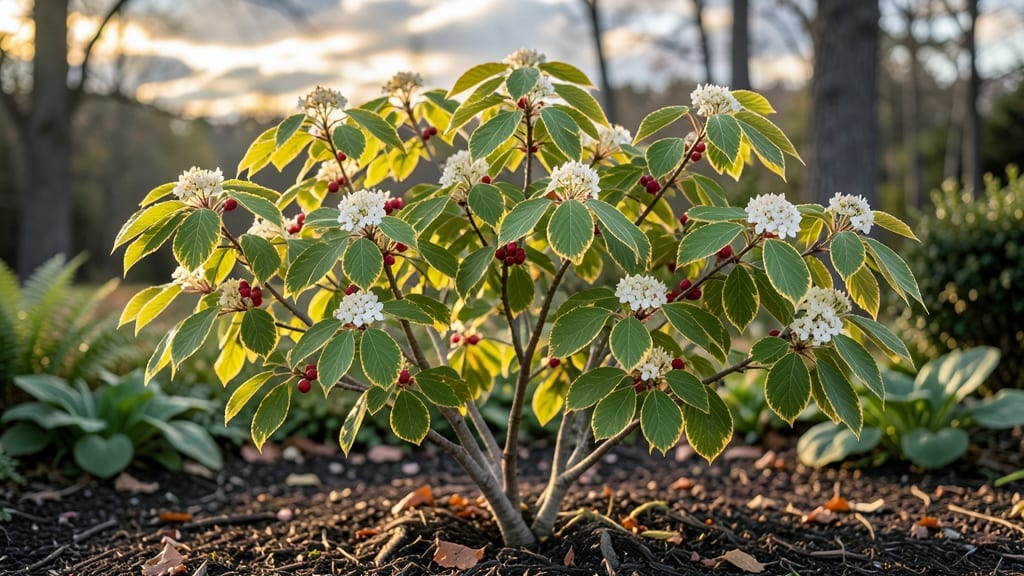
Transform your yard with a thornless yellow dogwood shrub—it’s the golden privacy screen that blooms with spring color and stays lush all year. 🌿 I’ve grown these for years, and they’re the secret weapon for adding height, texture, and seasonal interest without the mess of thorns or invasive roots.
These shrubs thrive in partial shade, making them perfect for under trees or along north-facing fences. Their bright yellow stems glow in winter, while spring brings clusters of creamy-white flowers that attract pollinators.
With proper care, you’ll see a 6-foot-tall screen in just 3 years, dense enough to block noise and prying eyes.
The key is consistent moisture and annual pruning to encourage bushier growth. Avoid overwatering—these shrubs hate soggy soil—but they’re tough enough to handle drought once established. Plant in well-draining soil, and you’ll have a low-maintenance, year-round focal point that outshines any chain-link fence.
📚 In This Guide
- What you need
- Instructions
- Tips and common mistakes
- Wrapping up and next steps
What you need
- ● Yellow dogwood shrubs (Cornus florida 'Aurea' or similar): 3–5 healthy, 1–2 gallon container-grown plants (spaced 6–8 feet apart for full coverage).
- ● High-quality, well-draining soil: 2–3 cubic yards (enough to amend existing soil or fill a 6-inch deep planting area).
- ● Organic compost or aged manure: 1–2 bags (to enrich soil fertility).
- ● Slow-release fertilizer (10-10-10 or balanced): 1–2 pounds (follow label for application rates).
- ● Mulch (pine straw, shredded bark, or wood chips): 2–3 bags (3–4 inches deep, keep 6 inches away from stems).
- ● Garden trowel or spade: 1 (for digging planting holes).
- ● Wheelbarrow or bucket: 1 (for mixing soil amendments).
- ● Garden hose with nozzle: 1 (for watering).
- ● Pruning shears: 1 (sterilized, for shaping and maintenance).
- ● Measuring tape: 1 (to ensure proper spacing).
- ● Garden gloves: 1 pair (to protect your hands).
- ● Soil pH test kit: 1 (to check acidity; dogwood prefers pH 5.0–6.0).
- ● Epsom salt (magnesium sulfate): 1 small bag (for yellowing leaves—apply sparingly).
- ● Drip irrigation system: 1 (for consistent moisture, especially in hot climates).
- ● Landscape fabric: 1 roll (to suppress weeds between plants).
- ● Plant food (liquid or granular): 1 bottle/bag (for mid-season boosts).
Step-by-Step instructions for planting a yellow dogwood privacy screen
Here's how to establish a lush, thornless yellow dogwood hedge that matures into a stunning privacy screen.
🌱 Step 1: Choose and Prepare Planting Sites
Select a location with partial shade to full sun—yellow dogwood thrives where it gets morning sunlight and afternoon shade. Avoid spots where afternoon sun would scorch the leaves during summer. The shrubs need 4-6 feet of space between each plant to develop properly without crowding.
Test your soil's drainage by digging a hole and filling it with water—if it doesn't drain within an hour, amend with 2-3 inches of compost mixed into the top 12 inches of soil. Yellow dogwood prefers slightly acidic soil with a pH between 5.0 and 6.0. If your soil is alkaline, add sulfur or peat moss to lower the pH before planting.
🪴 Step 2: Plant Bare-Root or Container-Grown Shrubs
Plant in early spring or fall when temperatures are mild—this gives roots time to establish before extreme heat or cold. Dig a hole twice as wide and just as deep as the root ball. For bare-root plants, soak the roots in water for 1-2 hours before planting to rehydrate them.
Place the shrub in the hole, ensuring the top of the root ball sits 1 inch above the surrounding soil level. This prevents water from pooling around the stem, which can cause rot. Backfill with native soil, tamping gently to remove air pockets. Water deeply to settle the soil and eliminate gaps.
☀️ Step 3: Mulch and Water for Establishment
Spread a 3-inch layer of organic mulch (like wood chips or pine straw) around the base of each shrub, keeping it 3 inches away from the trunk to prevent moisture buildup. Mulch helps retain soil moisture, regulates temperature, and suppresses weeds—critical for young shrubs still developing roots.
Water deeply once a week during the first growing season, providing 1-1.5 gallons per shrub. Check soil moisture by sticking your finger 2 inches deep—if it feels dry, water again. Avoid overhead watering, which can spread disease. After the first year, yellow dogwood becomes more drought-tolerant but still benefits from deep watering every 2-3 weeks.
✂️ Step 4: Prune for Shape and Health
Prune in late winter or early spring before new growth begins. Remove any dead, damaged, or crossing branches first, cutting back to the nearest healthy bud. To encourage a dense hedge, trim the outer growth by one-third each year. Avoid heavy pruning in fall, as new growth won’t harden off before winter.
For a uniform screen, use hedge shears to shape the shrubs evenly. Step back occasionally to check alignment—yellow dogwood responds well to pruning but may produce fewer flowers if pruned too aggressively. Fertilize lightly in early spring with a balanced 10-10-10 fertilizer to support new growth.
Tips & tricks for perfect yellow dogwood shrub establishment
These practical insights will help you avoid common pitfalls and ensure your thornless yellow dogwood hedge thrives from day one.
Soil Preparation Secret: When testing soil drainage in Step 1, don't just check drainage—also feel the soil texture. Yellow dogwood prefers a loamy texture that holds moisture without becoming soggy. If your soil feels sandy, mix in 10% organic matter like compost to improve water retention. For clay soils, add 20% sand or perlite to improve drainage. The goal is that water drains in 30-60 minutes, not the full hour mentioned.
Planting Position: In Step 2, that 1-inch elevation above soil level is critical for preventing rot, but here's what I learned the hard way: don't just eyeball it. Use a level tool to ensure all plants sit at exactly the same height. Uneven planting can cause water to pool around some stems while others dry out. Also, consider planting on a slight slope (1-2 degrees) to improve drainage in heavy rain.
Mulching Strategy: The 3-inch mulch layer in Step 3 is perfect, but here's the pro move: use two types of mulch. Start with a 1-inch layer of coarse wood chips closest to the trunk to prevent moisture buildup, then add 2 inches of finer pine straw on top. This creates better airflow while still suppressing weeds. Refresh the mulch every spring to maintain that 3-inch thickness—it breaks down faster than you'd think!
Watering Wisdom: That 1-1.5 gallons per shrub weekly in Step 3 should be delivered slowly over 15-20 minutes using a soaker hose or drip irrigation. Fast watering causes runoff, while slow watering lets moisture penetrate deeply. In hot climates, you might need to water twice weekly during the first growing season. Always water in the morning to prevent fungal diseases from overnight moisture.
Pro Tips for Yellow Dogwood Shrub
- These practical insights will help you avoid common pitfalls and ensure your thornless yellow dogwood hedge thrives f...
- Soil Preparation Secret: When testing soil drainage in Step 1, don't just check drainage—also feel the soil texture. ...
- Planting Position: In Step 2, that 1-inch elevation above soil level is critical for preventing rot, but here's what ...
Frequently asked questions
Got questions about growing a yellow dogwood shrub? You’re not alone!
Here are answers to the most common concerns—from planting to pruning—so you can grow a stunning, thornless privacy screen with confidence.
How fast does a yellow dogwood shrub grow?
A yellow dogwood shrub (like Cornus sericea ‘Flaviramea’) grows 1–2 feet per year under ideal conditions. With proper care, you can achieve a 6-foot-tall privacy screen in 3–4 years. For faster growth, ensure it gets full sun to partial shade and well-drained soil.
Is a yellow dogwood shrub cold-hardy?
Yes! These shrubs thrive in USDA Zones 3–8, making them perfect for northern climates. They handle winter well but may drop leaves in freezing temps—don’t worry, they’ll regrow in spring. Mulch the base in late fall to protect roots from extreme cold.
How do I prune a yellow dogwood shrub for a dense screen?
Prune in late winter or early spring before new growth starts. Cut back 1/3 of the oldest stems to the ground to encourage bushier growth. For a screen, shape by trimming outer branches to maintain a uniform height. Avoid heavy pruning in fall—it can stress the plant.
What pests or diseases should I watch for?
Yellow dogwoods are generally low-maintenance, but watch for:
- Powdery mildew (white fungal spots)—improve airflow and avoid overhead watering.
- Japanese beetles—handpick or use neem oil if leaves look chewed.
- Borers (rare)—prune infected branches and treat with systemic insecticide.
Can I grow a yellow dogwood shrub in containers?
While possible, they’re not ideal for containers long-term—they need space to spread (up to 6–10 feet wide). If you must pot one, use a large container (20+ gallons) with well-draining soil and repot every 2–3 years. Expect slower growth and more frequent watering.
Why aren’t my yellow dogwood leaves turning bright yellow?
Vibrant yellow foliage fades due to:
- Too much shade—ensure it gets at least 4–6 hours of sun daily.
- Over-fertilizing—use a balanced, slow-release fertilizer sparingly.
- Poor soil—amend with compost for better drainage and nutrients.
Wrapping up and next steps
Transforming your outdoor space with a thornless yellow dogwood shrub is a rewarding journey that pays off in stunning privacy and natural beauty! 🌿 With the right soil, spacing, and care, you’ll enjoy a vibrant, low-maintenance screen in just three years.
Whether you’re a gardening novice or a seasoned pro, this shrub’s resilience and striking foliage make it a perfect choice for any landscape.
Ready to get started? Plant your first yellow dogwood today and watch your privacy screen flourish! For extra tips, check out our companion planting guide to maximize your shrub’s growth and impact.