
Shrubs
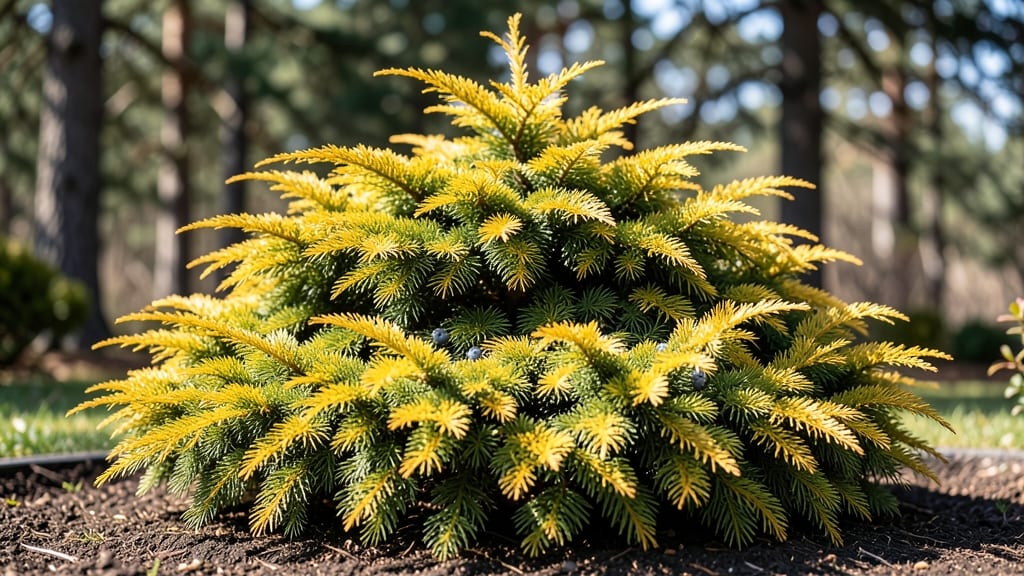
Yellow juniper shrubs bring sunshine to any garden with their golden foliage and fragrant evergreen charm. 🌿 I’ve used them to create living privacy screens that look stunning year-round, from crisp winter mornings to golden autumn afternoons.
Their soft, needle-like texture adds a touch of elegance to borders, slopes, or even as a striking focal point in a mixed shrubbery bed.
Their versatility is their best feature—plant them as a low, spreading ground cover like 'Golden Carpet' or as a taller, upright hedge for a bold statement. They thrive in full sun, which means they’re perfect for sunny spots where other plants might struggle.
Plus, their natural drought tolerance makes them low-maintenance once established, freeing you up to focus on other garden highlights.
Pair them with deep purple or blue foliage plants like heuchera or lavender for a striking contrast, or let their golden hues complement roses and peonies in a cottage-style garden.
The delicate, lemony scent of the foliage adds another layer of sensory delight, making your outdoor space feel like a serene retreat.
Whether you're lining a walkway, softening a fence, or adding texture to a rock garden, yellow junipers deliver year-round interest with minimal effort. Their adaptability means they’ll fit seamlessly into almost any landscape design, from modern to traditional.
📚 In This Guide
- What you need
- Instructions
- Tips and common mistakes
- Wrapping up and next steps
What you need
- ● Yellow juniper shrubs: Choose between Juniperus × pfitzeriana 'Aurea' (gold-tipped) or Juniperus horizontalis 'Lime Glow' (spreading variety). Buy 3–5 mature plants (3–5 ft tall) for privacy or 1–2 plants for accent planting.
- ● Well-draining soil: Mix 1 part native soil with 1 part coarse sand or perlite (improves drainage). Test soil pH (ideal: 6.0–7.5).
- ● Organic mulch: 2–3 inches of pine straw, cedar chips, or bark (retains moisture, deters weeds).
- ● Slow-release fertilizer: 10-10-10 or 5-10-10 (apply 1 lb per 100 sq ft in early spring).
- ● Garden trowel or spade (for digging holes 2x wider than root balls).
- ● Garden gloves (to protect hands from sharp juniper needles).
- ● Watering can or hose with nozzle (avoid overhead watering to prevent fungal issues).
- ● Pruning shears (sterilized with rubbing alcohol for shaping).
- ● Measuring tape (to space plants 3–6 ft apart for mature size).
- ● Soil amendments: Compost (boosts nutrients) or lime (if soil is acidic).
- ● Erosion control fabric (for slopes or high-traffic areas).
- ● Drip irrigation system (for consistent moisture in dry climates).
- ● Fungal preventative: Neem oil (1 tsp per gallon of water) to pre-treat soil.
- ● Stakes or plant ties (if planting in windy areas).
Step-by-Step guide to planting and caring for yellow juniper shrubs
Here's how to establish fragrant, drought-resistant hedges that stay lush year-round.
🌱 Step 1: Choose the Right Location and Prepare the Soil
Yellow junipers thrive in full sun to partial shade with at least 6 hours of direct sunlight daily. I always pick a spot where they’ll get morning sun and afternoon shade if your climate runs hot—this prevents leaf scorch. The soil should drain well since junipers hate soggy roots. If your yard has heavy clay, amend with 2-3 inches of coarse sand or gravel mixed into the top 12 inches of soil.
Test the soil pH—junipers prefer slightly acidic to neutral, 6.0-7.5. If your soil is alkaline, add sulfur or peat moss to lower the pH before planting. I like to dig a hole twice as wide as the root ball but only as deep—planting too deep suffocates the roots and kills the shrub over time.
🪴 Step 2: Plant Yellow Juniper Shrubs Properly for Strong Growth
Remove the shrub from its container and loosen the roots gently if they’re circling. Place it in the hole so the top of the root ball sits 1 inch above ground level—this prevents rot during heavy rains. Backfill with native soil (not amended mix) and tamp lightly to eliminate air pockets. Water deeply to settle the soil around the roots.
Space your shrubs 3-6 feet apart depending on the mature size of your variety. I always plant in a staggered pattern for a natural, fuller look. After planting, add a 2-3 inch layer of mulch around the base, keeping it 3 inches away from the trunk to prevent moisture buildup. Use pine straw or bark chips—they break down slowly and improve soil structure over time.
☀️ Step 3: Water and Fertilize for the First Growing Season
Water newly planted junipers deeply once a week for the first 6-8 weeks, giving them 1-2 gallons per plant. You’ll know they’re getting enough water when the soil 2 inches down feels moist but not soggy. After that, junipers are incredibly drought-tolerant—once established, they’ll thrive on rainfall alone.
Skip fertilizer for the first year unless your soil test shows deficiencies. If you do fertilize, use a balanced, slow-release formula (10-10-10) in early spring. I avoid high-nitrogen fertilizers—they encourage soft, weak growth that’s prone to pests. Instead, focus on keeping the soil healthy with organic matter like composted leaves or pine needles.
✂️ Step 4: Prune and Maintain for Year-Round Shape and Health
Prune yellow junipers in late winter or early spring before new growth begins. Use clean, sharp shears to shape the shrub, cutting just above a leaf node where you want new growth to emerge. Never remove more than one-third of the shrub’s foliage at a time—this keeps it healthy and prevents stress.
Watch for brown tips or patches—this is often a sign of overwatering, salt buildup, or winter burn. If you notice it, reduce watering and apply a light layer of mulch to protect roots. Yellow junipers are low-maintenance, but I do give them a quick inspection every spring to remove any dead or diseased branches. A healthy juniper should have vibrant yellow-green foliage and a strong, woody structure.
Tips & tricks for perfect yellow juniper shrubs
Here's what nobody tells you about growing these fragrant evergreens like a pro.
Sunlight Strategy: Those 6 hours of daily sunlight are non-negotiable, but timing matters just as much. In hot climates, I always position junipers to receive morning sun and afternoon shade—this prevents the delicate needles from scorching while still giving them enough light to thrive. If your yard has afternoon shade naturally, you can push them to partial shade areas, but they'll grow more slowly.
Root Ball Placement: The 1-inch elevation above ground level in Step 2 isn't just a suggestion—it's critical. Too deep and you'll suffocate the roots, cutting off oxygen flow. I've seen too many gardeners bury the root ball flush with soil, which leads to rot within weeks. Use a level to check placement before backfilling, and never pack the soil too tightly around the roots.
Watering Wisdom: Those first 6-8 weeks are when you'll need to be most vigilant with your once-weekly deep watering. I check moisture by sticking my finger 2 inches down—if it's dry, water thoroughly. After establishment, junipers become drought-tolerant, but brown patches often appear when people overwater. Let the soil dry out between waterings, especially in winter when growth slows.
Pruning Precision: When shaping in late winter, I never cut more than one-third of the foliage at once—this prevents stress that can make junipers vulnerable to pests. Always cut just above a leaf node where you want new growth to emerge. For a more natural look, I use hand shears rather than power tools, which can damage the delicate branches. And never prune in fall—new growth needs time to harden off before winter.
Pro Tips for Yellow Juniper Shrubs
- Here's what nobody tells you about growing these fragrant evergreens like a pro.
- Sunlight Strategy: Those 6 hours of daily sunlight are non-negotiable, but timing matters just as much.
- Root Ball Placement: The 1-inch elevation above ground level in Step 2 isn't just a suggestion—it's critical.
Frequently asked questions
Got questions about growing and caring for yellow juniper shrubs? You’re not alone!
Here are some of the most common concerns—and their answers—to help you keep your fragrant evergreens thriving year-round.
How fast do yellow juniper shrubs grow, and how big will they get?
Yellow juniper shrubs grow at a moderate pace, typically adding 6–12 inches per year. With proper care, they can reach 6–10 feet tall and 4–6 feet wide at maturity. For faster growth, ensure they’re planted in well-draining soil and receive full sun. Patience pays off—these shrubs are worth the wait for their stunning golden foliage!
Are yellow juniper shrubs deer-resistant? Will they survive in my area?
While no plant is 100% deer-proof, yellow junipers are highly deer-resistant due to their aromatic oils and tough needles. However, hungry deer may still nibble if other food is scarce. For extra protection, consider deer repellent sprays or fencing. These shrubs are also drought-tolerant and cold-hardy (USDA Zones 3–9), making them a low-maintenance choice for most climates.
When is the best time to prune yellow juniper shrubs?
The ideal time to prune is late winter or early spring, just as new growth begins. Avoid pruning in fall or summer, as it can stress the plant. Use clean, sharp shears to shape the shrub or remove dead branches. Tip: Prune lightly—yellow junipers have a natural, informal shape and don’t require heavy trimming. A little maintenance goes a long way!
Why are the tips of my yellow juniper turning brown? Is it dying?
Brown tips on yellow juniper are usually caused by underwatering, overwatering, or salt buildup from poor soil drainage. Check the soil—it should be dry to the touch 1–2 inches down. If the roots are soggy, improve drainage with gravel or sand. Brown tips can also signal winter burn (common in harsh climates). Mulch around the base to protect roots and reduce stress.
Can I grow yellow juniper in containers? What’s the best alternative if I don’t have a yard?
Yes! Yellow junipers thrive in large containers (at least 18–24 inches deep) with well-draining potting mix. Use a pot with drainage holes and move it to a sunny spot. For a low-maintenance alternative, consider dwarf varieties like ‘Golden Carpet’ juniper or ‘Blue Rug’ creeping juniper—both are perfect for patios and small spaces.
Wrapping up and next steps
Yellow juniper shrubs are a fantastic choice for adding fragrant, evergreen privacy to your landscape—no matter the season! 🌿 Their golden foliage, hardy nature, and low-maintenance care make them a winner for both beginners and seasoned gardeners.
Whether you’re looking to enhance curb appeal, create a natural windbreak, or simply enjoy their sweet citrusy scent, these shrubs deliver beauty and functionality year-round.
Ready to transform your outdoor space? Start small—plant a single juniper to test its fit in your garden, or go bold with a hedge for instant impact. With the right care, your yellow juniper will thrive and become the star of your landscape for decades to come!