
Shrubs
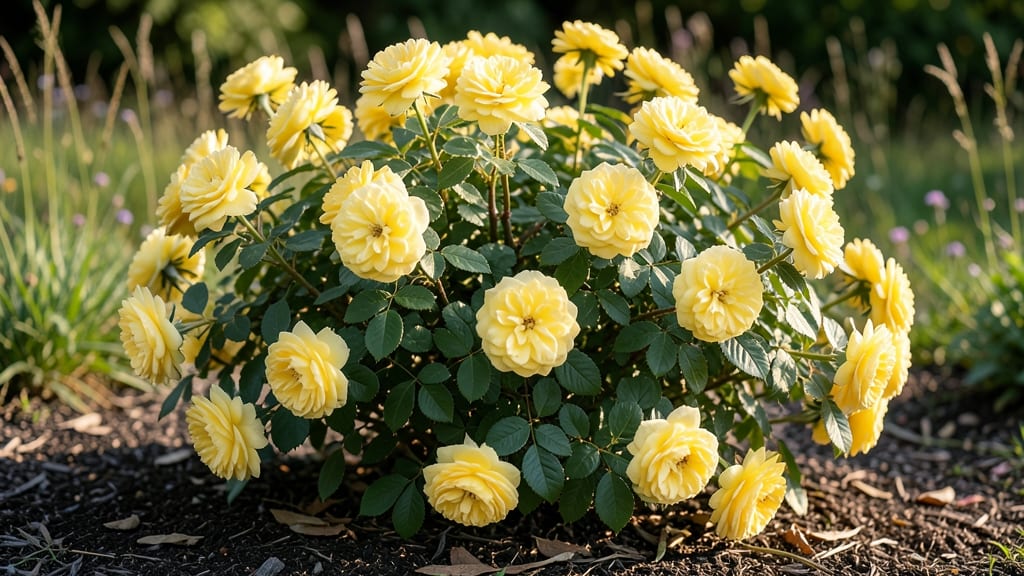
Nothing brightens a summer morning like the golden glow of a yellow shrub rose in full bloom. 🌻 I’ve grown these hardy beauties for years, and their fragrant, disease-resistant nature makes them the perfect low-maintenance star for any garden—or even a city balcony.
These roses thrive in full sun to partial shade and handle everything from rocky soil to clay, as long as it drains well. Plant in early spring or fall, spacing bushes 3-5 feet apart to give them room to spread.
Varieties like 'Knock Out® Yellow' and 'The Fairy' produce nonstop blooms from spring until frost, with minimal fuss. Pruning is simple: cut back dead wood in late winter, then trim lightly after flowering to encourage more blooms.
Feed with a balanced rose fertilizer in spring, and water deeply 1-2 times per week—they’re tough but appreciate consistency. Pair them with lavender for height, or let them spill over a retaining wall for a golden cascade.
Their cold-hardiness means they’ll come back stronger every year, rewarding your patience with vibrant, fragrant blooms that last all season.
📚 In This Guide
- What you need
- Instructions
- Tips and common mistakes
- Wrapping up and next steps
What you need
- ● Yellow shrub rose plant: Choose a cold-hardy variety like 'Knock Out®' Yellow Outrage or 'The Fairy' (Rosa 'The Fairy') from a reputable nursery.
- ● Well-draining soil: 5–10 bags (1–2 cubic feet each) of garden soil mix or compost (amended with perlite or sand for drainage).
- ● Fertilizer: 1–2 lbs of balanced rose fertilizer (10-10-10 or 5-10-5 NPK ratio).
- ● Organic option: 1–2 lbs of fish emulsion or composted manure (for slow-release nutrients).
- ● Mulch: 2–3 bags of organic mulch (pine bark, straw, or shredded leaves) to retain moisture and regulate soil temperature.
- ● Watering can or hose: With a rose attachment (for deep, gentle watering).
- ● Pruning shears: Bypass pruners (sharp, clean, and sterilized with rubbing alcohol).
- ● Gloves: Heavy-duty gardening gloves (to protect from thorns and soil-borne pathogens).
- ● Stakes or trellis: 2–4 metal or wooden stakes (5–6 feet tall) + soft ties (for support as the rose grows).
- ● Rose food spikes: Slow-release granules for hassle-free feeding.
- ● Epsom salt: 1–2 lbs (for magnesium boost, especially in clay soil).
- ● Pest control: Neem oil or insecticidal soap (for aphids/black spot prevention).
- ● Drip irrigation kit: To automate watering (ideal for busy gardeners!).
- ● Soil pH tester: To ensure your soil is slightly acidic (6.0–6.5, perfect for roses!).
Step-by-Step guide to planting and caring for yellow shrub roses
Here’s how I plant these hardy beauties for maximum fragrance and winter survival.
🌱 Step 1: Choose the Perfect Location and Prepare the Soil
Yellow shrub roses thrive in full sun—at least 6-8 hours daily—but can tolerate 4 hours minimum if your climate is hot. I always pick a spot with afternoon shade if temperatures exceed 90°F, as the leaves can scorch. Avoid low-lying areas where cold air settles, as these roses are cold-hardy but not frost-tolerant in soggy soil.
Before planting, amend the soil with 2-3 inches of compost mixed into the top 12 inches. Yellow shrub roses prefer well-draining soil with a slightly acidic to neutral pH (6.0-7.0). If your soil is heavy clay, dig in 1 part sand or perlite per 3 parts soil to improve drainage. Test the soil’s moisture—it should feel like a wrung-out sponge, not mud.
🪴 Step 2: Plant Bare-Root Roses at the Right Depth and Spacing
Plant in early spring or early fall, when temperatures are 50-60°F—this gives roots time to establish before summer heat or winter freeze. Dig a hole twice as wide as the root ball but no deeper. Soak the bare roots in lukewarm water for 1-2 hours before planting to rehydrate them.
Position the rose so the graft union (the swollen bump near the base) sits 2-3 inches above soil level. This prevents it from being buried too deep, which can cause rot. Space plants 3-5 feet apart for good airflow—crowding invites fungal diseases like black spot. Backfill with native soil mixed with a slow-release rose fertilizer (follow package rates). Water deeply to settle the soil and eliminate air pockets.
☀️ Step 3: Water Deeply and Mulch for Winter Protection
Water newly planted roses deeply 2-3 times per week for the first month, ensuring moisture reaches 12 inches down. You’ll know it’s enough when the soil 1 inch below the surface feels damp but not soggy. After establishment, water 1 inch per week, adjusting for rain. Yellow shrub roses are drought-tolerant once established, but consistent moisture encourages stronger blooms.
In fall, apply 3-4 inches of organic mulch (like shredded bark or straw) around the base, keeping it 6 inches away from the stem to prevent rot. This insulates roots through winter. In Zone 5 or colder, wrap the entire plant in burlap or rose cones after the first hard frost, leaving the top 6 inches exposed. Remove the wrap in early spring once new growth appears.
✂️ Step 4: Prune for Shape and Health in Late Winter
Prune yellow shrub roses in late winter or early spring, just as buds swell but before new growth starts. Remove dead, diseased, or crossing branches first, cutting back to a healthy bud or outward-facing growth. Then shape the plant by trimming back 1/3 of the oldest canes to encourage new, vigorous growth from the base.
I always sterilize pruners with rubbing alcohol between cuts to prevent spreading disease. Leave 3-5 strong canes per plant—this ensures a full, bushy shape. Avoid heavy pruning in fall, as it stimulates tender new growth that won’t survive winter. After pruning, apply a balanced fertilizer (10-10-10) to fuel spring blooms.
🌿 Step 5: Deadhead and Fertilize for Continuous Blooms
Deadhead spent blooms by cutting back to the first set of 5 leaves below the flower. This redirects the plant’s energy into producing more blooms instead of seed pods. I do this every 2-3 weeks during the growing season, always using clean, sharp pruners to avoid damaging stems.
Fertilize yellow shrub roses 4 times per year: in early spring (before new growth), late spring (when blooms appear), mid-summer (after deadheading), and early fall (to build winter hardiness). Use a rose-specific fertilizer with low nitrogen in summer to encourage blooms over foliage. Water deeply after fertilizing to prevent root burn.
Tips & tricks for thriving yellow shrub roses
These hard-earned insights will help you cultivate roses that burst with fragrance and survive even the harshest winters.
Sunlight Strategy: While Step 1 recommends 6-8 hours of sun, I’ve found that morning sun paired with afternoon shade works best in hotter climates. The key is avoiding the intense afternoon rays when temperatures exceed 90°F—this prevents leaf scorch while still giving your roses enough light to thrive. If your garden has limited sun, prioritize the morning hours where possible.
Soil Preparation Secret: When amending soil with 2-3 inches of compost, don’t just mix it in—create a "compost pocket" by placing a handful beneath the roots during planting. This concentrated nutrient zone gives your roses an immediate energy boost. For clay-heavy soils, I recommend testing your drainage by digging a 12-inch hole and filling it with water—if it doesn’t drain within 2 hours, you definitely need that sand or perlite amendment.
Planting Depth Visual: That 2-3 inch graft union placement above soil level can be tricky to judge. Here’s my trick: After positioning your rose, press the soil firmly around the base. If you can see the graft union when looking straight on, you’re good. If it’s buried, add more soil. If it’s too high, remove some. Think of it like your waistline—you want it visible but not sticking out too far.
Winter Protection Layering: For Zone 5 or colder, I double up on winter protection by first applying the 3-4 inches of mulch, then wrapping with burlap. The mulch handles the root insulation while the burlap protects the canes from temperature swings. Pro tip: Use a small stake to mark where the mulch ends—this prevents you from piling mulch against the stem when you remove the wrap in spring.
Pro Tips for Yellow Shrub Rose
- These hard-earned insights will help you cultivate roses that burst with fragrance and survive even the harshest winters.
- Sunlight Strategy: While Step 1 recommends 6-8 hours of sun, I’ve found that morning sun paired with afternoon shade works best in hotter climates.
- Soil Preparation Secret: When amending soil with 2-3 inches of compost, don’t just mix it in—create a "compost pocket" by placing a handful beneath the roots during planting.
Frequently asked questions
How cold-hardy is the yellow shrub rose, really?
The yellow shrub rose (like the popular Knock Out® series) is one of the toughest roses around! Most varieties handle USDA Zones 4-9, meaning they survive winters as low as -25°F (-32°C). Just mulch heavily in late fall to protect roots—no fuss, just frost!
When is the best time to prune my yellow shrub rose?
Prune late winter or early spring (before new growth starts) to shape your rose and encourage blooms. For Knock Out® roses, a light trim in mid-summer also helps maintain bushiness. Never prune in fall—it invites disease before dormancy.
Why aren’t my yellow roses blooming as much as they should?
Over-fertilizing (especially with high-nitrogen feeds) can reduce flowers—focus on balanced rose fertilizer (like 10-10-10) in spring and summer. Deadheading spent blooms also tricks the plant into producing more! Check for pests (aphids, spider mites) too—they sap energy.
Can I grow yellow shrub roses in containers?
Dwarf varieties like ‘Drift’ roses thrive in 5-gallon pots with well-draining soil. Use a large container (at least 18” deep) for bigger types, and repot every 2–3 years to refresh nutrients. Place in full sun (6+ hours/day) and water deeply when the top inch of soil dries.
Are yellow shrub roses fragrant?
Many yellow shrub roses (like ‘Queen of Sweden’ or ‘The Fairy’) have light, sweet fragrances, though not as strong as classic hybrid teas. Knock Out® roses? Minimal scent—but their non-stop blooms make up for it! For stronger perfume, opt for ‘Golden Celebration’ or ‘Munstead Wood’.
Pro Tip:
Need instant color? Plant your yellow shrub rose near purple or red perennials (like catmint or bee balm) for a show-stopping contrast that blooms all season. Bonus: Roses attract pollinators—your garden will hum with life!
Wrapping up and next steps
Adding a yellow shrub rose to your garden is a fantastic way to enjoy year-round beauty, resilience, and fragrance—even in colder climates! These hardy plants bring vibrant color, low-maintenance charm, and a delightful scent that keeps your outdoor space lively.
Whether you're a seasoned gardener or just starting, their adaptability makes them a perfect choice for any landscape.
Ready to transform your garden? Start by selecting the right variety for your zone, then grab your gardening tools and get planting! 🌸 With a little care, you’ll soon be rewarded with blooms that last and fragrance that lingers.