
Shrubs
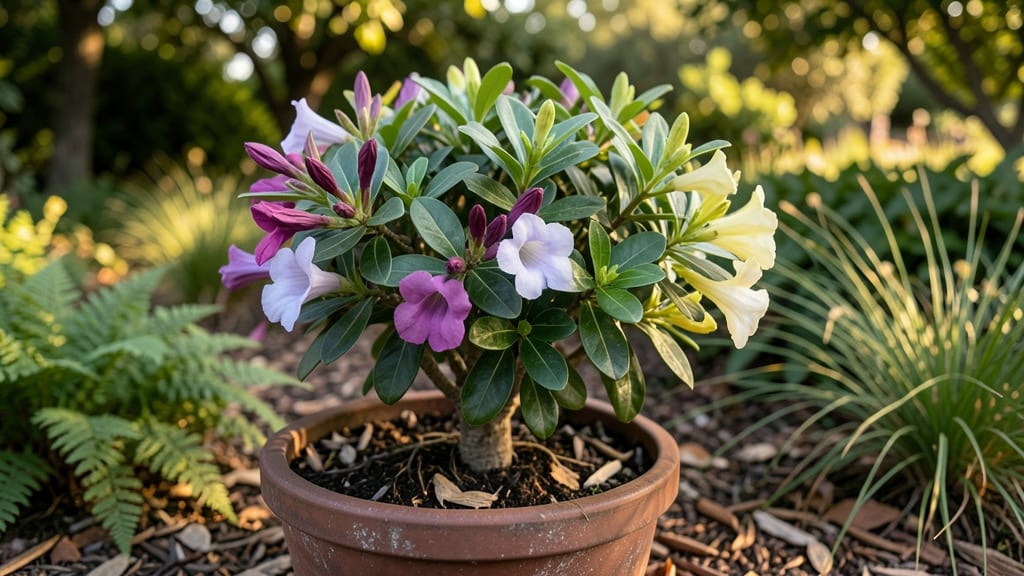
The yesterday, today, and tomorrow shrub (Brunfelsia pauciflora) is the magician of your garden—transforming from lavender to pink to white over just three years. 🌸 I still remember the first time I saw one bloom in my tropical-themed backyard, and how it turned heads at every neighborhood gathering.
This isn’t just a shrub; it’s a living color palette that keeps evolving, giving you seasonal drama without the work.
Perfect for containers, borders, or as a bold focal point, it thrives in warm climates but can also brighten patios in pots.
Pair it with purple salvia or lime-green coleus to amplify its vibrancy, or let it star alone in a raised bed where its layered blooms create a natural gradient. The scent? Lightly sweet, like a summer breeze—just enough to draw you closer.
By year three, you’ll have a shrub that’s always in bloom, shifting hues as the seasons change. Imagine a purple burst in spring, soft pinks in summer, and snowy whites by autumn—all on the same plant.
It’s the kind of visual magic that makes neighbors ask, “What is that?!”—and then you get to brag about your garden’s secret weapon.
Works equally well in tropical gardens, Mediterranean-style beds, or even as a striking container specimen. The key? Plenty of sunlight and well-draining soil. Let’s make your garden the talk of the neighborhood—one bloom at a time.
📚 In This Guide
- What you need
- Instructions
- Tips and common mistakes
- Wrapping up and next steps
What you need
- ● Yesterday, Today, and Tomorrow shrub (Brunnera macrophylla): 1-3 mature plants (for established color) OR
- ● Seeds (if propagating from scratch—germination can be slow!)
- ● Well-draining potting soil: 5-10 gallons (depending on pot size)
- ● Mix: 60% peat/compost, 30% perlite, 10% sand (for aeration)
- ● Container or garden bed: Containers: 12–18" diameter pots (with drainage holes!)
- ● Garden beds: Partial shade spot with moist, humus-rich soil (pH 6.0–7.5)
- ● Mulch: 2–3 inches of organic mulch (e.g., shredded bark or compost)
- ● Watering can or hose with gentle spray nozzle
- ● Pruning shears (sterilized) (for shaping or propagation)
- ● Slow-release balanced fertilizer (10-10-10, applied in early spring)
- ● Epsom salt (1 tbsp per gallon of water, monthly for magnesium boost)
- ● Garden gloves (to protect hands from soil and sap)
- ● Decorative rocks or pebbles (for container styling)
- ● Shade cloth (if your garden gets intense afternoon sun)
Step-by-step guide to planting and caring for Yesterday, Today, and Tomorrow shrubs
This stunning shrub delivers a magical color progression—purple, pink, and blue—that transforms your garden over three seasons. Here's how to plant and nurture it for maximum impact.
🌱 Step 1: Choose the Perfect Planting Location
Yesterday, Today, and Tomorrow thrives in partial shade, receiving 4-6 hours of morning sun and afternoon shade. I always plant mine where the dappled light from nearby trees filters through—this preserves the vibrant foliage colors. Avoid full sun, which can scorch the delicate leaves, or deep shade, which dulls the hues.
Select a spot with well-draining soil. These shrubs hate soggy roots, so if your garden retains moisture, amend the soil with 2-3 inches of compost mixed into the top 12 inches of soil. The ideal soil pH is 5.5-6.5, slightly acidic. Test your soil before planting—amending with peat moss or sulfur can adjust pH if needed.
🪴 Step 2: Plant at the Right Time and Depth
Plant in early spring or early fall when temperatures are mild—50-70°F—to reduce transplant shock. Dig a hole twice as wide as the root ball but only as deep as the container's root base. This prevents burying the shrub too deeply, which can cause stem rot.
Gently remove the shrub from its container and loosen any circling roots. Place it in the hole so the top of the root ball sits level with the surrounding soil—never deeper. Backfill with native soil, pressing lightly to eliminate air pockets. Water deeply to settle the soil and encourage root contact.
☀️ Step 3: Water and Mulch for Healthy Growth
Water deeply once a week during the first growing season, ensuring 1-2 inches of moisture reaches the root zone. You'll know it's enough when the top 2 inches of soil feel damp but not saturated. Overwatering causes root rot, so let the soil dry slightly between waterings.
Apply 2-3 inches of mulch around the base, keeping it 3 inches away from the stem to prevent moisture buildup. Use shredded bark or pine needles—they retain moisture while allowing airflow. Replenish mulch annually to maintain soil temperature and suppress weeds, which compete for nutrients.
✂️ Step 4: Prune for Shape and Seasonal Color
Prune immediately after flowering in early summer to shape the shrub and encourage dense growth. Remove 1/3 of the oldest stems at the base to promote new, vibrant foliage. Use clean, sharp pruners to make cuts at a 45-degree angle, just above a leaf node.
In late winter or early spring, trim back any leggy or crossing branches to maintain an open, airy shape. Avoid heavy pruning—this shrub blooms on old wood, so aggressive cuts reduce next year's flowers. Watch for new growth in early spring; this is your cue to adjust pruning for the season ahead.
🌿 Step 5: Feed and Protect for Long-Term Beauty
Apply a balanced, slow-release fertilizer (10-10-10) in early spring when new growth appears. Use 1/2 cup per shrub, spread evenly around the root zone. Avoid high-nitrogen fertilizers—they promote leafy growth at the expense of vibrant colors.
Protect young shrubs from late spring frosts with a light frost cloth if temperatures dip below 28°F. Mature shrubs are hardy down to Zone 5, but their foliage may scorch in extreme heat. Provide afternoon shade in hot climates to preserve the stunning color progression.
Tips & tricks for perfect Yesterday Today and Tomorrow shrub growth
Here's what nobody tells you about maximizing that stunning seasonal color transformation.
Light Balance Secret: The 4-6 hours of morning sun is non-negotiable for that vibrant purple-to-blue progression. I've learned the hard way—planting mine in full afternoon sun causes the pink phase to fade prematurely. Look for that perfect dappled light spot where sunlight filters through leaves rather than hitting directly. If you must plant in full sun, provide afternoon shade using a sheer fabric screen during peak heat hours.
Soil Science: That 5.5-6.5 pH range isn't just a suggestion—it's the sweet spot for chlorophyll production, which directly affects color intensity. I always test my soil before planting and adjust with sulfur if needed. For the 2-3 inches of compost, I recommend using well-aged compost rather than fresh manure, which can burn tender roots. The compost should be mixed into the top 12 inches to create a nutrient-rich zone where roots will naturally grow.
Watering Wisdom: The once-weekly deep watering (1-2 inches of moisture) is crucial during the first growing season, but don't rely solely on the calendar. Stick your finger 2 inches into the soil—if it's dry, water; if it's still damp, wait. I've seen many gardeners overwater because they think "deep" means "lots." The key is reaching down to where those roots are establishing, not just wetting the surface. A moisture meter can be your best friend here.
Pruning Precision: When you remove that 1/3 of oldest stems immediately after flowering, make sure you're cutting back to a healthy bud or branch, not just hacking randomly. I use clean pruners and make my cuts at a 45-degree angle just above a leaf node to encourage new growth from the right spot. The angle helps water run off rather than pool at the cut, reducing disease risk. And remember—this shrub blooms on old wood, so those stems you're removing are the ones that produced this year's flowers!
Pro Tips for Yesterday Today And Tomorrow Shrub
- Here's what nobody tells you about maximizing that stunning seasonal color transformation.
- Light Balance Secret: The 4-6 hours of morning sun is non-negotiable for that vibrant purple-to-blue progression.
- Soil Science: That 5.5-6.5 pH range isn't just a suggestion—it's the sweet spot for chlorophyll production, which directly affects color intensity.
Frequently asked questions
Got questions about the Yesterday, Today and Tomorrow shrub? You’re not alone! This stunning perennial is a favorite for its long-lasting blooms, but gardeners often wonder about care, timing, and more. Here are answers to the most common queries to help you grow a thriving shrub.
How long does the Yesterday, Today and Tomorrow shrub bloom?
This shrub is a showstopper with blooms that last three seasons—yes, really! Buds open in stages, revealing colors from deep purple to pink to white over 6–8 weeks (or longer with ideal care). Plant it where you can enjoy its ever-changing display from early summer through fall.
When is the best time to plant Yesterday, Today and Tomorrow?
For root establishment, plant in early spring or early fall when soil is workable but not scorching. Avoid extreme heat or frost. If you’re transplanting, water deeply 1–2 times weekly for the first month to reduce shock. Pro tip: Amend soil with compost to boost drainage—this shrub hates soggy roots!
Can I grow Yesterday, Today and Tomorrow in containers?
This shrub thrives in 5–7 gallon containers with well-draining potting mix. Choose a pot with drainage holes and place it in partial shade (morning sun + afternoon shade works best). Repot every 2–3 years to refresh soil nutrients. Just be ready for faster growth in containers—prune regularly to maintain shape!
What pests or diseases should I watch for?
While generally hardy, this shrub can attract aphids, spider mites, or powdery mildew in humid conditions. Fix it fast: Spray off pests with water; improve airflow around the plant. For mildew, apply neem oil as a preventative. Overwatering is the #1 enemy—let soil dry slightly between waterings.
How do I prune to encourage more blooms?
Prune after flowering (late fall or early spring) to remove dead stems and shape the shrub. Cut back 1/3 of the oldest stems to the ground to stimulate new growth. Avoid heavy pruning in summer—this shrub sets next year’s buds early! Bonus: Deadhead spent blooms to redirect energy into fresh flowers.
Wrapping up and next steps
The Yesterday, Today, and Tomorrow shrub is a gardener’s dream—packed with year-round color and minimal fuss! Its layered blooms create a stunning visual progression, making it a standout addition to any landscape.
Whether you’re a seasoned green thumb or a beginner, this shrub proves that beauty and ease go hand in hand.
Ready to transform your garden? Plant one today and watch it thrive! For extra tips, check out our FAQ section or explore complementary shrubs to create a vibrant, low-maintenance oasis. 🌸