
Shrubs
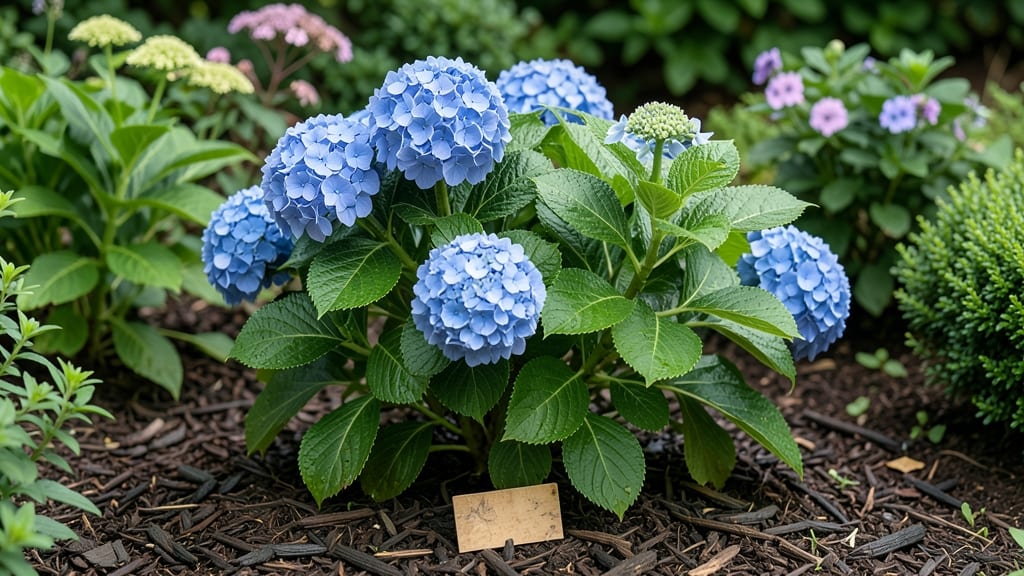
Zone 5 bushes and shrubs transform your yard into a four-season masterpiece—without the worry of winter wipeouts. 🌿 I’ve tested dozens of varieties through brutal winters, and these are the ones that not only survive but thrive, from snow-dusted stems to vibrant spring blooms.
The secret lies in choosing the right species: hydrangeas like ‘Limelight’ (zone 3-9), lilacs like ‘Katherine Havemeyer’ (zone 3-7), and boxwoods like ‘Green Velvet’ (zone 4-9) handle Zone 5’s swings like pros.
Plant them in well-draining soil with 3–6 feet of spacing, and time fall planting so roots establish before frost. Once settled, they’re low-maintenance: water deeply the first year, prune in late winter, and fertilize lightly in spring.
Mulch heavily in winter to protect roots from freeze-thaw cycles—my spirea bushes bloom twice as hard after this simple step. Perfect for hedges, borders, or focal points. These shrubs grow into neighborhood standouts with minimal effort—once you pick the right ones for your microclimate.
📚 In This Guide
- What you need
- Instructions
- Tips and common mistakes
- Wrapping up and next steps
What you need
- ● Cold-resistant shrubs/bushes: Choose from hydrangeas, boxwoods, spirea, or serviceberry (check labels for Zone 5 suitability). Quantity: 3–5 plants, depending on spacing needs.
- ● High-quality potting soil: 2–3 bags (1–2 cubic feet each) for planting or amending garden beds.
- ● Organic compost: 1 bag (for nutrient boost and drainage).
- ● Mulch (shredded bark or pine straw): 2–3 bags (to retain moisture and insulate roots in winter).
- ● Slow-release fertilizer: 1 bag (10–20 lb, 10–10–10 or organic blend).
- ● Garden trowel or spade: For digging holes (6" wider than root ball).
- ● Pruning shears: Sharp, bypass-style (for shaping and deadheading).
- ● Garden gloves: Heavy-duty (to protect from thorns and rough bark).
- ● Watering can or hose with nozzle: For gentle, deep watering.
- ● Measuring tape: To ensure proper spacing (typically 3–6 ft apart, depending on mature size).
- ● Root stimulator: Gel or powder (to encourage healthy root growth).
- ● Epsom salt: 1 lb (for magnesium boost, especially for leafy shrubs).
- ● Plant supports/stakes: For tall or leggy varieties (e.g., panicle hydrangeas).
- ● Winter protection: Burlap or frost cloth (for newly planted shrubs in harsh winters).
How to select and plant Zone 5 bushes for year-round impact
Cold-hardy shrubs bring structure and seasonal interest to Zone 5 gardens. Here’s how to choose and establish them for lasting beauty.
🌱 Step 1: Choose the Right Shrubs for Your Climate
Zone 5’s -20°F to -10°F winters demand shrubs with proven cold tolerance. Focus on varieties like panicle hydrangeas (e.g., 'Limelight'), serviceberry (Amelanchier), or dwarf ninebark (Physocarpus). These handle winter dormancy while delivering blooms, foliage, or berries across seasons.
Check the USDA Plant Hardiness Zone map for your microclimate—some areas may dip colder. I always verify a plant’s mature size and sun needs before buying. A 6-foot hydrangea planted too close to a foundation will outgrow its welcome in a decade.
🪴 Step 2: Prepare the Planting Site
Test your soil’s pH—hydrangeas need 5.5–6.2 for blue blooms, while ninebark thrives in 6.0–7.5. Amend heavy clay with 2–3 inches of compost mixed into the top 12 inches of soil. Shrubs hate soggy roots, so ensure drainage by planting on a slight mound if your yard holds water.
Dig a hole twice as wide as the root ball but no deeper. Loosen the roots gently if they’re circling—this encourages outward growth. The top of the root ball should sit 1 inch above ground level to prevent rot during spring rains.
☀️ Step 3: Plant and Water for Establishment
Place the shrub in the hole, backfill with native soil (no amendments), and tamp lightly to remove air pockets. Water deeply to settle the soil, then add 2–3 inches of mulch (avoid touching the stem). This protects roots in winter and retains moisture in summer.
Water 2–3 times weekly for the first 6–8 weeks to help roots establish. You’ll know it’s working when new growth appears by mid-summer. Avoid fertilizing during the first year—new plants need energy for root growth, not foliage.
✂️ Step 4: Prune for Shape and Health
Prune late winter or early spring (before buds swell) to remove dead wood and shape the shrub. For hydrangeas, cut back 1/3 of the oldest stems to the ground to encourage new blooms. Ninebark responds well to light pruning after flowering to maintain its form.
Never prune in fall—new growth won’t harden off before winter. If you see signs of powdery mildew (white coating on leaves), treat with neem oil early in the season. Most Zone 5 shrubs are disease-resistant, but stress from poor pruning invites problems.
⏰ Step 5: Protect in Extreme Winters
Zone 5’s harshest winters can damage tender new growth. Wrap young shrubs with burlap or frost cloth in late fall, securing it loosely around the stems. Remove it in early spring once temperatures stabilize above 32°F for a week.
Mature shrubs usually handle winter fine, but a 20°F temperature drop after a warm spell can fool them into growing too early. I’ve seen hydrangeas lose buds this way—just another reason to mulch heavily and avoid late-season fertilizing.
Tips & tricks for perfect Zone 5 bushes and shrubs
Here's what nobody tells you about making your cold-resistant shrubs thrive for years to come.
Climate-Smart Selection: When choosing shrubs in Step 1, pay special attention to the microclimate of your planting site. A north-facing spot might be 5-10°F colder than the rest of your yard—this could push your -10°F hardy hydrangea into survival mode. I've seen 'Limelight' hydrangeas in protected microclimates handle -15°F just fine, while identical plants in exposed areas struggled at -12°F. Consider adding a windbreak if your site gets harsh winter winds.
Soil Science Matters: The 2-3 inches of compost in Step 2 isn't just about nutrients—it's about creating the right soil structure. In heavy clay soils common to Zone 5, this amendment improves drainage while retaining moisture. For acid-loving hydrangeas, you can mix in sulfur or peat moss to help maintain that 5.5-6.2 pH range for those stunning blue blooms. I've seen pH tests drop from 7.0 to 6.0 in just one season with proper amendments.
Planting Depth is Critical: That 1 inch above ground level position in Step 2 might seem small, but it's crucial. Too deep and you'll smother the roots; too shallow and they'll dry out. I've had to dig up and replant shrubs that were planted too deep—it's heartbreaking to see roots circling at the surface like this. Use a level to check the root ball's position before backfilling, and always plant at the same depth as it was in the nursery container.
Winter Protection Hacks: For Step 5's 20°F temperature drop warning, here's my go-to trick: wrap young shrubs with burlap or frost cloth, but leave the bottom open to prevent moisture buildup. I also add a layer of straw mulch around the base (about 4-6 inches) before wrapping. This extra insulation can make the difference between bud survival and winter damage. And remember—remove the wrap as soon as temperatures stay above 32°F for a week to prevent spring rot.
Pro Tips for Zone 5 Bushes And Shrubs
- Here's what nobody tells you about making your cold-resistant shrubs thrive for years to come.
- Climate-Smart Selection: When choosing shrubs in Step 1, pay special attention to the microclimate of your planting s...
- Soil Science Matters: The 2-3 inches of compost in Step 2 isn't just about nutrients—it's about creating the right so...
Frequently asked questions
Got questions about keeping your Zone 5 bushes and shrubs thriving? Here are some of the most common ones—and their answers—to help you garden with confidence!
What are the hardiest shrubs for Zone 5 winters?
Some of the toughest Zone 5 shrubs include Hollyhocks (perennial varieties), Butterfly Bush, Potentilla, Dwarf Lilac, and Smoke Bush. These varieties can handle temps down to -15°F (-26°C) or lower. For extra protection, mulch heavily in late fall and water before the ground freezes.
Do I need to cover my shrubs for winter in Zone 5?
It depends! Most Zone 5 shrubs are naturally cold-hardy, but young plants or tender varieties (like Hydrangeas) may benefit from a light covering of burlap or frost cloth. Avoid heavy mulch or plastic, which can trap moisture and cause rot. Focus on protecting the roots, not the foliage.
When is the best time to prune Zone 5 shrubs?
Timing varies by shrub:
- Spring-flowering shrubs (e.g., Lilacs, Forsythia): Prune right after blooming to avoid cutting off next year’s flowers.
- Summer/fall bloomers (e.g., Butterfly Bush, Hydrangeas): Prune in late winter or early spring before new growth starts.
- Evergreens (e.g., Boxwood, Juniper): Light pruning in late winter or early spring to shape.
Why are my Zone 5 shrubs not blooming this year?
Several factors could be at play:
- Insufficient sunlight: Most shrubs need 6+ hours of sun daily. Check placement and thin nearby trees if needed.
- Over- or under-fertilizing: Too much nitrogen = leafy growth, no flowers. Use a balanced fertilizer (10-10-10) in early spring.
- Stress from transplant shock: Newly planted shrubs may skip blooming for a year. Keep soil moist and mulch well.
- Disease or pests: Yellowing leaves or holes? Inspect for aphids, spider mites, or fungal issues (like powdery mildew). Treat early!
Can I replace a struggling shrub mid-season in Zone 5?
Yes! The best time to transplant is early spring or fall, but you can replace a failing shrub in summer with these tips:
- Water deeply 2–3 days before and after transplanting to reduce shock.
- Prune back 1/3 of the foliage to encourage root growth.
- Mulch heavily and avoid fertilizing for 4–6 weeks post-planting.
- Choose a similar-sized replacement to maintain balance in your landscape.
Pro tip: If replacing a large shrub, consider a container-grown specimen for faster establishment!
Wrapping up and next steps
Transforming your Zone 5 landscape into a vibrant, year-round haven is totally within reach! From hardy evergreens like boxwoods to stunning deciduous bloomers like hydrangeas, these cold-resistant plants bring color, texture, and life—even in winter. Start small, experiment with a few varieties, and watch your garden thrive!
🌱 Ready to Plant?
Your next step? Sketch a layout or visit a local nursery to pick out your favorites. Need inspiration? Browse our Zone 5 plant guide for curated recommendations tailored to your space and style. Happy gardening—your future garden will thank you! 🌿✨