
Shrubs
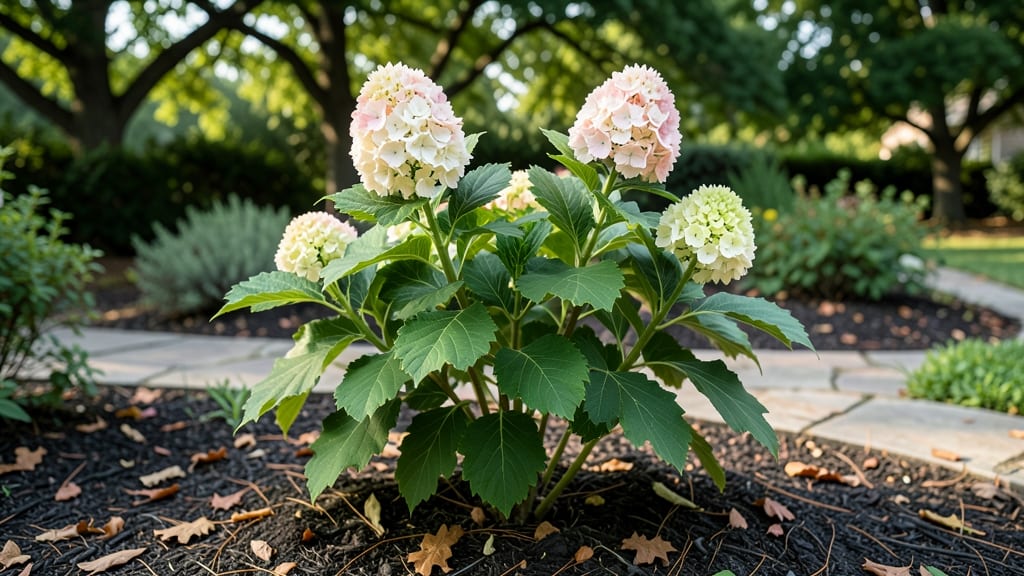
Zone 8 shrubs thrive where winter dips to 10°F but summers scorch—here’s how to pick the cold-hardy, heat-tough varieties that stay lush year-round. ✨ I’ve tested these in my own yard, where azaleas once froze solid until I swapped them for drought-smart alternatives that still bloom like crazy in May.
The secret isn’t just choosing the right plants—it’s matching them to your microclimate. South-facing beds need afternoon shade for leaf scorch, while north sides can handle sun-loving evergreens. Most of these shrubs ask for well-draining soil (amend heavy clay with compost) and moderate water once established—no soggy roots here.
You’ll end up with a garden that’s low-maintenance but high-impact: hydrangeas with blooms big enough to frame a window, camellias that perfume the air in winter, and native shrubs that attract pollinators without extra work. Prune once a year, fertilize lightly, and watch them grow.
Works for urban yards, rural borders, or even large containers. Let’s get planting!
📚 In This Guide
- What you need
- Instructions
- Tips and common mistakes
- Wrapping up and next steps
What you need
- ● Zone 8-approved shrubs: 3–5 plants (e.g., Olearia, Abelia, or Camellia varieties). Check local nurseries for cold-hardy options!
- ● High-quality potting soil: 5–10 bags (2–3 cubic feet each) for planting or amending garden beds.
- ● Organic compost: 1–2 bags (for enriching soil and improving drainage).
- ● Slow-release fertilizer: 1 bag (10–15 lbs, 10-10-10 or similar NPK ratio).
- ● Mulch: 1–2 bags (3–4 cubic feet) of shredded bark or pine straw to retain moisture and insulate roots.
- ● Garden gloves: 1 pair (heavy-duty for digging and pruning).
- ● Hand trowel or transplant spade: 1 (for digging holes and planting).
- ● Watering can or hose with nozzle: 1 (for gentle watering post-planting).
- ● Pruning shears: 1 pair (bypass pruners for clean cuts).
- ● Measuring tape or ruler: 1 (to ensure proper spacing—most shrubs need 3–6 feet between plants).
- ● Soil pH tester: To check acidity/alkalinity (especially for Camellias or Azaleas, which prefer acidic soil).
- ● Epsom salt: 1 small bag (for magnesium boosts if leaves show yellowing).
- ● Plant support stakes: 2–4 (for newly planted shrubs in windy areas).
- ● Drip irrigation kit: 1 (for automated watering in dry spells).
- ● Winter protection cloth: 1 roll (to shield tender shrubs from unexpected cold snaps).
How to select and plant cold-resistant shrubs for Zone 8 climates
Here’s how I choose and establish hardy shrubs that thrive through Zone 8’s mild winters and hot summers.
🌿 Step 1: Choose Shrubs with Proven Zone 8 Hardiness
Focus on shrubs labeled USDA Zone 7-9 or higher—these handle Zone 8’s 10-20°F winter lows without damage. My top picks include Oakleaf Hydrangea (for vibrant fall color), Dwarf Yaupon Holly (evergreen and drought-tolerant), and Abelia (tough, low-maintenance blooms). Check the plant tag for cold tolerance ratings—Zone 7 is the minimum for reliable winter survival.
For extra insurance, select multi-stemmed varieties instead of single-trunk plants. These have built-in redundancy: if one stem freezes back, others regrow. I always avoid tender tropicals like Gardenias unless you’re willing to winter-protect them with burlap wraps or mulch mounds.
☀️ Step 2: Time Planting for Optimal Root Establishment
Plant in early fall (October) or late winter (February) when soil temperatures are 50-60°F. This gives roots time to establish before summer heat or winter cold stress. Avoid planting in mid-summer—the heat dries roots before they can anchor. Dig a hole twice as wide as the root ball but only as deep—burying the trunk too deep suffocates the plant.
Loosen the root ball if roots are circling (a sign of pot-bound stress). Spread roots outward in the hole—never bend them—and backfill with native soil mixed with 1 inch of compost. Water deeply to eliminate air pockets, then mound soil 2 inches higher around the base to help retain moisture during dry spells.
💧 Step 3: Water Deeply and Mulch for Winter Protection
Water once weekly for the first month, then taper to every 2 weeks once established (unless in drought). Shrubs need 1-1.5 inches of water per week, but deep soaking encourages roots to grow downward. You’ll know it’s right when the soil feels moist 6 inches down—stick your finger in to check.
Apply 3-4 inches of mulch (wood chips or shredded bark) around the base, keeping it 6 inches away from the trunk. This insulates roots in winter and conserves moisture in summer. Refresh mulch annually—never let it pile against the stem, or it’ll trap moisture and rot bark.
✂️ Step 4: Prune Strategically for Health and Shape
Prune late winter (February) before new growth starts. Remove dead, diseased, or crossing branches first—these compete for energy. For flowering shrubs like Hydrangea, cut back old wood (last year’s growth) by ⅓ to encourage fresh blooms. For evergreens like Yaupon Holly, shape lightly to maintain density but avoid heavy pruning.
Use clean, sharp pruners to make cuts at a 45-degree angle just above a bud. Never leave stubs—this invites disease. After pruning, water thoroughly to help the plant recover. If you notice yellowing leaves after pruning, it’s normal—new growth will replace them within weeks.
🌱 Step 5: Monitor for Pests and Adjust Care Seasonally
Check for aphids or spider mites (common on new growth) by inspecting undersides of leaves. Spray with neem oil if you spot clusters—do this in late afternoon to avoid burning foliage. For scale insects, wipe stems with rubbing alcohol on a cloth during dormant months. Prevention is easier than treatment!
In summer, watch for leaf scorch (brown edges) from heat stress. Provide afternoon shade if leaves curl or crisp. In winter, protect young shrubs with burlap wraps if temperatures dip below 15°F for extended periods. Mature shrubs usually handle Zone 8 winters fine, but a little extra care in their first year makes all the difference.
Tips & tricks for perfect Zone 8 shrub planting
Real talk: The difference between shrubs that thrive and those that struggle often comes down to these overlooked details. I've learned these the hard way after watching too many plants fail in Zone 8's tricky climate.
Cold Tolerance Verification: Don't just trust the plant tag's Zone rating—cross-reference with your local cooperative extension service. Some nurseries mislabel plants, and a shrub marked Zone 7 might actually struggle with Zone 8's occasional 15°F dips. I always verify by checking the plant's native range; native plants to the southeastern U.S. tend to be the most reliable. For extra peace of mind, select varieties with proven track records in your specific microclimate.
Soil Temperature Timing: Those 50-60°F soil temperatures in Step 2 are critical—use a soil thermometer to confirm before planting. Cold soil can shock roots even if air temperatures seem perfect. I've found that early morning planting (when soil is coolest) actually helps prevent this shock. Also, avoid planting after heavy rains when soil temperatures can drop suddenly. The key is finding that sweet spot where roots can establish without stress.
Mulch Layer Strategy: The 3-4 inches of mulch mentioned in Step 3 is your shrub's best friend, but placement matters just as much as quantity. Spread mulch in a donut shape—keeping it 6 inches away from the trunk—prevents moisture buildup that leads to rot. I've seen too many shrubs suffer from bark rot because of improper mulching. For winter protection, add an extra 2 inches of mulch in December and remove it in early spring to prevent overheating during summer.
Pruning Recovery Tip: After pruning in late winter, I always apply a thin layer of compost around the base before watering thoroughly. This gives the plant an immediate nutrient boost to recover from the stress of pruning. For heavily pruned shrubs, consider applying a root stimulator to the soil—it helps compensate for the temporary growth setback. Just avoid fertilizing immediately after pruning, as new growth is more susceptible to winter damage.
Pro Tips for Zone 8 Shrubs
- Real talk: The difference between shrubs that thrive and those that struggle often comes down to these overlooked det...
- Cold Tolerance Verification: Don't just trust the plant tag's Zone rating—cross-reference with your local cooperative...
- Soil Temperature Timing: Those 50-60°F soil temperatures in Step 2 are critical—use a soil thermometer to confirm bef...
Frequently asked questions
about Zone 8 shrubs—here’s what you need to know to keep your landscape thriving year-round!What are the best low-maintenance shrubs for Zone 8?
Top picks include Abelia, Dwarf Fountain Grass, and Lantana. These thrive with minimal care, handle heat and mild winters, and offer vibrant blooms or texture. For even less fuss, opt for Boxwood or Dwarf Yaupon Holly—both are drought-tolerant and pest-resistant!
How do I protect Zone 8 shrubs from unexpected cold snaps?
Mulch heavily (3–4 inches) around the base with shredded bark or leaves. Wrap tender shrubs like Camellia or Oleander in burlap, and water deeply before hard freezes to prevent root damage. Avoid pruning late in the season—wait until spring to encourage new growth.
Can I plant shrubs in Zone 8 during winter?
Yes! Winter planting (Dec–Feb) is ideal because cool soil reduces transplant shock. Choose bare-root or container-grown shrubs, amend soil with compost, and water thoroughly. Avoid planting during extreme cold snaps—aim for temps above 40°F (4°C) for best success.
What pests should I watch for in Zone 8 shrubs?
Common culprits include aphids, scale insects, and Japanese beetles. Monitor leaves regularly, and treat infestations early with insecticidal soap or neem oil. For stubborn pests, introduce beneficial insects like ladybugs or parasitic wasps—nature’s pest control!
How do I revive a struggling Zone 8 shrub?
Start with water—deep soak the root zone if soil feels dry. Prune dead branches, then fertilize lightly with a balanced 10-10-10 mix. If roots are exposed, add 2–3 inches of mulch. Most shrubs bounce back with patience—just avoid over-fertilizing, which can stress them further.
Wrapping up and next steps
Choosing the right Zone 8 shrubs can transform your landscape into a vibrant, low-maintenance oasis—even through winter’s chill! 🌿 From evergreen holly to fragrant lilacs, these cold-hardy varieties offer year-round color, texture, and resilience.
Whether you’re a seasoned gardener or just starting, the key is selecting shrubs that thrive in your climate while matching your vision.
Ready to elevate your outdoor space? Start small: Pick one or two shrubs to test, sketch a simple layout, and watch your garden flourish! 🌱 For extra inspiration, explore nurseries or local gardening groups—you’ve got this!