
Light Requirements
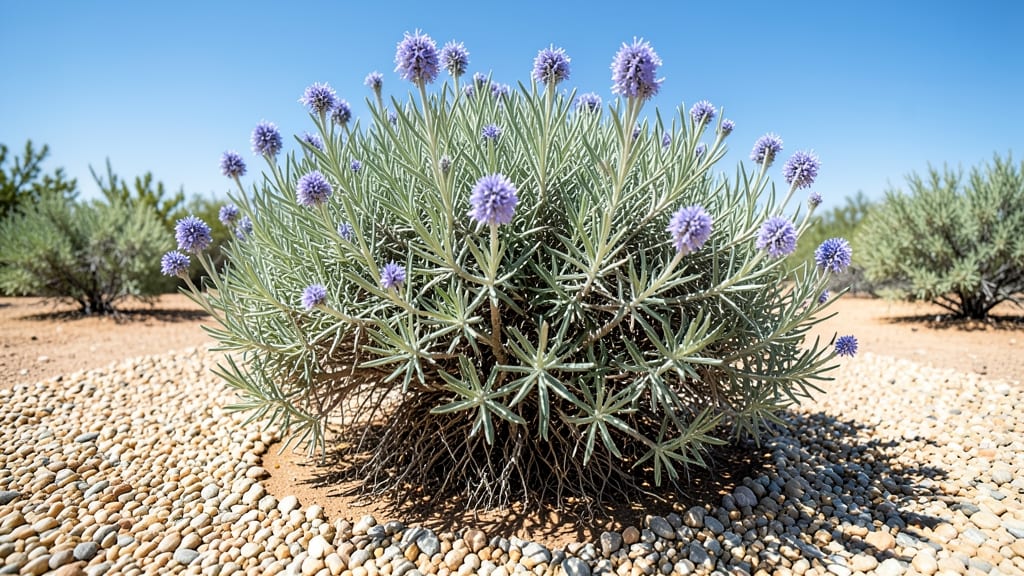
Zone 9's full-sun shrubs don’t have to wilt under the scorching heat—these drought-proof varieties thrive where others fail, blooming through summer’s peak without complaint. 🌞 I've tested dozens of heat-loving varieties, and the secret lies in their deep roots and waxy leaves that lock in moisture, but the real magic happens when you match them to the right spot in your yard.
Start with soil that drains like a sieve—amend heavy clay with 3-4 inches of compost and coarse sand. Most of these shrubs hate soggy roots, so raised beds or mounded planting works wonders.
Water deeply once a week (twice during 100°F+ heatwaves), then let them go—these plants store water like camels. Texas Sage and Desert Willow become neighborhood showstoppers when given this simple care routine.
By late summer, you'll see what I mean when bougainvillea's paper-thin leaves stay crisp and vibrant while other plants sag. The key is pruning after blooms—cut back spent stems to encourage bushier growth, but never more than 1/3 of the plant at once.
These shrubs reward patience with year-round interest: winter structure, spring blooms, and summer shade that cools your patio.
Works for small yards, large landscapes, or even container gardens—just ensure they get 6+ hours of direct sun. The varieties I recommend handle Zone 9's heat with ease, and once established, they'll outlast anything you've tried before. Let's get those roots growing deep!
📚 In This Guide
- What you need
- Instructions
- Tips and common mistakes
- Wrapping up and next steps
What you need
- ● Zone 9-approved shrubs (full sun, heat-tolerant): 3–5 mature shrubs (e.g., Texas Sage, Firebush, or Mexican Bush Sage)
- ● 10–20 young plants (for borders or fillers)
- ● Soil amendments: 5–10 lbs compost (per shrub)
- ● 2–3 lbs slow-release fertilizer (10-10-10 or 8-3-9 blend)
- ● Mulch: 2–3 inches gravel or wood chips (per planting area)
- ● Watering supplies: Garden hose with soaker hose attachment (or drip irrigation kit)
- ● 5-gallon watering can (for seedlings)
- ● Essential tools: 1 shovel (for digging)
- ● 1 hand trowel (for precision planting)
- ● 1 pruning shears (sterilized)
- ● 1 measuring tape (for spacing)
- ○ Optional (but helpful): Garden gloves (heat-resistant)
- ● Wheelbarrow (for hauling soil)
- ● pH test kit (to check soil acidity)
- ● ✅ Sun exposure: Confirm your planting area gets 6+ hours of direct sunlight daily.
- ● ✅ Soil prep: Test soil drainage (sandy loam ideal; amend if clay-heavy).
- ● ✅ Timing: Plant in early spring or fall to avoid peak Zone 9 heat.
- ● ✅ Local regulations: Check HOA rules or native plant guidelines (if applicable).
How to select and plant heat-tolerant shrubs for Zone 9 sun exposure
Here's how I choose and establish sun-loving shrubs that thrive in Zone 9's intense heat.
🌿 Step 1: Choose Native and Adapted Heat-Proof Varieties
Focus on shrubs with thick, silver, or gray foliage—these reflect sunlight and reduce heat stress. My top picks include Texas Sage (Leucophyllum frutescens), Desert Willow (Chilopsis linearis), and Firebush (Hamelia patens), all of which handle 100°F+ temperatures with ease. Avoid moisture-loving shrubs like hydrangeas or azaleas—they'll wilt under Zone 9 sun.
Look for deep root systems in nursery stock. These plants access water deep underground, making them far more drought-resistant. I always check for leathery, waxy leaves—a clear sign the plant has adapted to arid conditions. These traits ensure your shrubs won't just survive the heat but thrive in it.
☀️ Step 2: Plant During Cooler Months for Optimal Establishment
Schedule planting for late winter or early spring (February-March) when daytime temperatures average 70-75°F. This gives roots time to establish before summer's peak heat arrives. I dig holes twice as wide as the root ball but only as deep—planting too deep suffocates roots and causes stress.
Amend the native soil with compost and coarse sand (mix 50/50) to improve drainage. Zone 9 soil often compacts easily, and poor drainage leads to root rot. Water deeply at planting to settle the soil around roots, then let the top inch dry before watering again. This prevents soggy soil while encouraging deep root growth.
💧 Step 3: Water Deeply but Infrequently to Build Drought Resistance
Water newly planted shrubs once a week for the first month, then taper to every 10-14 days once established. The key is deep watering—soak the soil to 18-24 inches deep to encourage roots to grow downward. Shallow watering promotes weak, surface roots that can't handle heat.
I use a soaker hose placed at the base of the plant to deliver water slowly and evenly. Avoid overhead watering, which wastes moisture through evaporation and can promote fungal diseases. Mulch with 2-3 inches of gravel or bark to retain soil moisture and regulate temperature—this is especially critical in Zone 9's intense sun.
✂️ Step 4: Prune Strategically to Maintain Heat Tolerance
Prune immediately after flowering to remove spent blooms and shape the shrub. This encourages new growth while preventing energy drain from seed production. For shrubs like Firebush, I cut back one-third of the oldest stems annually to promote vigorous regrowth and maintain a youthful, heat-resistant structure.
Never prune during peak summer heat—this stresses plants already struggling to cope with 90°F+ temperatures. Instead, time pruning for early spring or late fall when cooler weather helps wounds heal faster. I also avoid heavy pruning of drought-adapted shrubs, as they rely on established foliage to shade and protect roots from extreme heat.
🌱 Step 5: Monitor and Adjust for Long-Term Heat Success
Watch for leaf scorch (brown, crispy edges) or wilting in afternoon heat—signs your shrub needs more shade or water. If this happens, provide temporary shade with a lightweight shade cloth (30%) for a few hours daily until the plant adjusts. Most heat-adapted shrubs recover quickly once stress factors are addressed.
Fertilize lightly once in early spring with a balanced, slow-release fertilizer (10-10-10). Over-fertilizing encourages lush, tender growth that burns in Zone 9 sun. I also check soil moisture by sticking my finger 2 inches deep—if it's dry, it's time to water. This simple test prevents both underwatering and overwatering, both of which harm heat-sensitive plants.
Tips & tricks for perfect heat-proof Zone 9 shrubs
These pro strategies will help you transform your sun-drenched landscape into a thriving oasis of drought-resistant beauty.
Selection Secret: When choosing nursery stock, look for plants with silver-gray foliage—this isn't just aesthetic, it's functional. The waxy coating on leaves like those of Texas Sage actually reflects up to 30% more sunlight than green leaves, reducing heat stress. I've seen firsthand how Firebush with its dark green leaves can still handle 100°F+ temps, but the silver varieties stay cooler and healthier during peak summer afternoons.
Planting Precision: The twice-as-wide hole specification in Step 2 isn't arbitrary—it creates a root zone that encourages lateral growth while preventing root circling. I've learned this the hard way after seeing plants struggle when planted too deeply. For container-grown shrubs, gently loosen the root ball before planting to encourage roots to spread outward immediately. This simple step can mean the difference between a struggling plant and one that establishes roots aggressively in Zone 9's challenging conditions.
Watering Wisdom: That 18-24 inch deep watering in Step 3 might seem excessive, but it's essential for developing deep root systems. I recommend using a soil probe to verify water penetration—simply push it into the soil after watering. If it doesn't go in easily, you're not watering deeply enough. This method helps you adjust your watering technique to match your soil type, ensuring roots grow where they need to for heat survival.
Pruning Strategy: The one-third annual pruning for Firebush creates a natural rejuvenation cycle that maintains vigor. I've found that removing the oldest stems first encourages new growth from the base, which is more heat-resistant. For other varieties, prune selectively to maintain an open canopy that allows air circulation—this prevents heat buildup in the plant's center and reduces stress during those 90°F+ days when every degree counts.
Pro Tips for Zone 9 Shrubs Full Sun
- These pro strategies will help you transform your sun-drenched landscape into a thriving oasis of drought-resistant b...
- Selection Secret: When choosing nursery stock, look for plants with silver-gray foliage—this isn't just aesthetic, it...
- Planting Precision: The twice-as-wide hole specification in Step 2 isn't arbitrary—it creates a root zone that encour...
Frequently asked questions
Got questions about thriving shrubs in Zone 9’s full-sun glory? You’re not alone!
Here are answers to the most common queries—so you can confidently pick, plant, and pamper heat-loving shrubs that actually perform.
What are the toughest shrubs for Zone 9’s intense heat and sun?
Top picks include Texas Sage (Leucophyllum frutescens), Desert Willow (Chilopsis linearis), and Firebush (Hamelia patens). These varieties thrive with minimal fuss, boast drought tolerance, and deliver year-round color—even when temps soar. Stick to native or adapted species for the best results!
When’s the best time to plant full-sun shrubs in Zone 9?
Aim for early spring or fall (October–March) to avoid extreme heat stress. Planting in summer can shock roots, while late winter (before last frost) gives shrubs time to establish before peak sun. Pro tip: Water deeply after planting to settle soil and reduce transplant shock!
How often should I water full-sun shrubs in Zone 9?
Newly planted shrubs need weekly deep watering (1–1.5 inches) for the first year. Mature shrubs? Every 2–3 weeks—unless it’s a drought, then extend to 4 weeks. Key trick: Water at the base (not leaves) early in the morning to prevent evaporation and fungal issues.
Can I grow flowering shrubs in full sun without them wilting?
Choose heat-tolerant bloomers like Lantana or Salvia ‘Black & Blue’, which handle sun with ease. Mulch with 3–4 inches of organic material (like wood chips) to retain moisture and protect roots. Bonus: Prune spent blooms to encourage nonstop reblooming!
What pests should I watch for in full-sun Zone 9 shrubs?
Common culprits include aphids, spider mites, and scale insects. Monitor undersides of leaves and stems. Neem oil or insecticidal soap are gentle, effective fixes. For Firebush, watch for whiteflies—yellow sticky traps can help monitor infestations early.
Still stumped? Drop your shrub-specific questions below—we’re happy to help you grow a sun-soaked, low-maintenance oasis!
Wrapping up and next steps
Transforming your Zone 9 garden into a sun-drenched paradise is totally doable with the right shrubs! From drought-tolerant Texas Sage to vibrant Firebush, these full-sun champions thrive under the heat while keeping your space lush and colorful year-round. 🌞✨
Ready to get growing? Start by sketching your garden layout—consider height, color, and bloom times—and pick your top 3-5 shrubs to create a stunning, low-maintenance display. Your dream outdoor oasis is just a few plants away!