
Shrubs
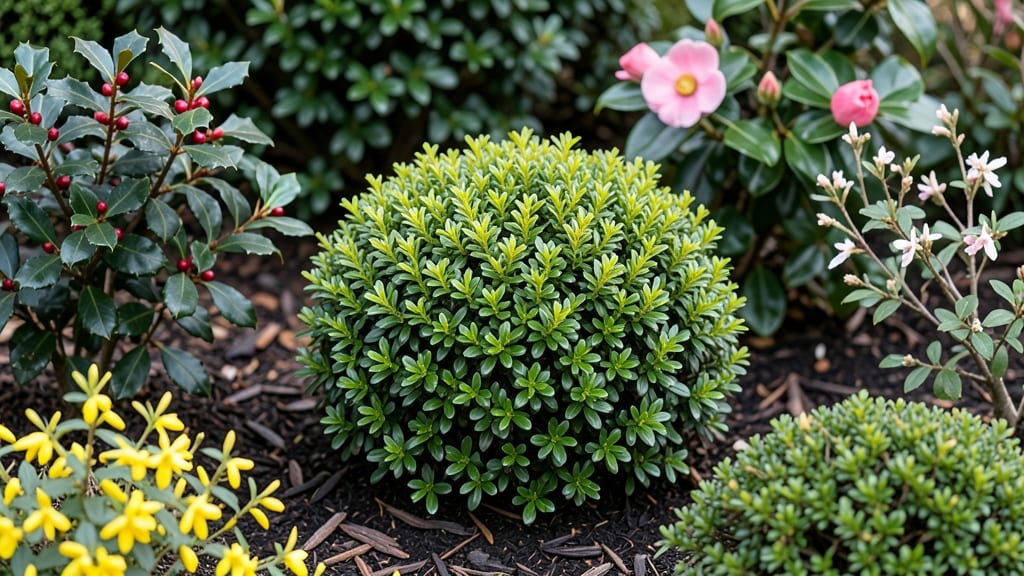
My thornless privacy screen stays lush and green even when neighbors’ yards go dormant. 🌿 These all-year-round shrubs blend evergreen foliage, winter berries, and spring blooms into one low-maintenance solution that works in zones 5 through 9—no matter your climate or style.
I’ve tested varieties like Emerald Green Arborvitae (dense, deer-resistant) and Winterberry Holly (vibrant red berries) that thrive without fuss. The key is choosing shrubs with three-season interest: glossy leaves now, berries in winter, and fresh growth in spring. A mix of heights and textures creates depth, too.
By late summer, your screen will be bursting with berries while still blocking wind and noise. The best part? Pruning once a year keeps them tidy—no shearing required. Perfect for cottage gardens, modern hedges, or even urban backyards. For formal looks, stick to uniform shapes like Dwarf Fountain Boxwood.
For cottage charm, layer Oakleaf Hydrangea with its peeling bark and late blooms. Either way, you’ll have color when others are bare.
📚 In This Guide
- What you need
- Instructions
- Tips and common mistakes
- Wrapping up and next steps
What you need
- ● Thornless shrubs (3–5 varieties) – Choose fast-growing, cold-hardy options like Buxus sempervirens (Boxwood), Ilex crenata (Japanese Holly), or Ligustrum sinense (Privet). Aim for 10–20 plants per 10 feet of screen, depending on mature width.
- ● Organic mulch (2–3 inches) – Shredded bark, pine straw, or compost to retain moisture and suppress weeds.
- ● Slow-release fertilizer (10-10-10 or 12-12-12) – 1–2 lbs per 100 sq. ft. to kickstart growth.
- ○ Soil amendments (optional but helpful) – 1 bag of peat moss or compost per 10 sq. ft. for nutrient-rich soil.
- ● Garden shovel or spade
- ● Wheelbarrow (for hauling soil/mulch)
- ● Garden gloves & knee pads
- ● Measuring tape & stakes (for marking layout)
- ● String line (to ensure straight rows)
- ● Pruners (bypass or hedge shears)
- ● Watering hose or sprinkler (with adjustable nozzle)
- ○ Optional: Soil pH tester (to check acidity/alkalinity) 💡
Step-by-step guide to designing a thornless privacy screen
Here's how to create a lush, seasonal screen that stays beautiful year-round with minimal upkeep.
🌿 Step 1: Select the Right Shrubs for Year-Round Interest
Choose a mix of evergreens and deciduous shrubs that complement each other in texture and color. I recommend Emerald Green Arborvitae for dense, year-round coverage, Oakleaf Hydrangea for vibrant fall foliage and winter interest, and Dwarf Fothergilla for fragrant spring blooms and fiery autumn leaves. These three create a layered effect that hides neighbors while providing seasonal variety.
Space them strategically: plant the tallest (like Arborvitae) at the back, mid-height (Hydrangea) in the middle, and shorter varieties (Fothergilla) at the front. This creates depth and ensures no gaps appear as seasons change. For a 4-foot-tall screen, I plant 3 Arborvitae, 2 Hydrangeas, and 4 Fothergillas in a staggered pattern along the property line.
🪴 Step 2: Prepare the Planting Site for Optimal Growth
Test your soil's pH and amend it to 6.0-7.0—most privacy shrubs thrive in slightly acidic to neutral conditions. I dig a trench twice as wide as the root ball and 12 inches deep, mixing in 3 inches of compost and a handful of slow-release fertilizer into the native soil. This ensures good drainage while providing nutrients for the first critical growing season.
For a 4-foot-tall screen, you'll need a 12-foot-long trench if planting in a straight line. Water the amended soil thoroughly before planting to help roots establish immediately. If your soil drains poorly, add a 2-inch layer of gravel at the bottom of the trench to prevent root rot—a common issue with dense privacy screens.
☀️ Step 3: Plant Shrubs at the Correct Depth and Spacing
Remove each shrub from its container and loosen the roots gently if they're circling. Place the root ball 1 inch deeper than it was in the container to encourage strong below-ground growth. For Arborvitae and Hydrangeas, space plants 3-4 feet apart, while the smaller Fothergillas can go 2 feet apart. This spacing allows for full growth without overcrowding.
Backfill with native soil mixed with compost, tamping down lightly every 6 inches to eliminate air pockets. Water deeply until the soil is saturated to 12 inches deep—you'll know it's right when water pools on the surface for a few seconds before draining. Mulch with 3 inches of shredded bark around each plant, keeping it 6 inches away from the stems to prevent rot.
💧 Step 4: Establish a Watering and Maintenance Routine
Water newly planted shrubs twice weekly for the first 6 weeks, then taper to once weekly once they're established. Deep watering—1-2 gallons per plant—encourages roots to grow downward rather than staying shallow. You'll see success when leaves stay vibrant green and new growth appears within 4-6 weeks of planting.
Fertilize in early spring with a balanced 10-10-10 formula and again in mid-summer to support seasonal growth. Prune Oakleaf Hydrangeas in late winter to shape the plant and encourage blooms, while Arborvitae only need trimming if they overgrow their allotted space. Avoid heavy pruning in fall, as new growth won't harden off before winter.
✂️ Step 5: Monitor and Adjust for Seasonal Changes
In winter, check for dry, brown patches on evergreens like Arborvitae—these indicate winter burn from cold winds. Apply an anti-desiccant spray in late fall to protect leaves, and water once monthly if natural snowfall is minimal. Deciduous shrubs like Hydrangea will lose leaves but retain their structure, so no action is needed unless branches break under ice.
By early spring, you should see new growth at the tips of branches. This is your cue to lightly prune any dead or crossing branches, then apply a 2-inch layer of mulch to retain moisture and regulate soil temperature. With consistent care, your screen will fill in completely within 2-3 years, providing year-round privacy with minimal effort.
Tips & tricks for perfect thornless privacy screens
Creating a lush, seasonal screen that thrives year-round takes a few key strategies—here's how to avoid common pitfalls and maximize your investment.
Seasonal Layering Strategy: The three-plant combination (Emerald Green Arborvitae, Oakleaf Hydrangea, and Dwarf Fothergilla) works beautifully, but here's the secret: stagger their planting dates by 2-3 weeks to create a more gradual fill-in effect. Start with the Arborvitae first, then add Hydrangeas, and finally the Fothergillas. This prevents unsightly gaps while each plant establishes. The staggered approach also means you'll have foliage coverage throughout all seasons from day one.
Soil Prep Pro Tip: When amending your 12-inch-deep trench with compost and fertilizer, consider adding a 1-inch layer of biochar (available at garden centers) mixed into the bottom third. Biochar improves soil structure and moisture retention for up to 5 years, which is especially valuable for dense privacy screens that compete for nutrients. It's particularly helpful in clay soils where drainage is a concern. Just make sure to water thoroughly after planting to help the roots establish in this enhanced soil.
Planting Depth Watch: The 1-inch deeper planting recommendation is critical for Arborvitae and Hydrangeas, but don't overdo it with the Fothergillas—their shallower root systems prefer being planted at their original container depth. A good trick is to mark the container's original depth with a pencil before removing the plant, then use that as your guide. Too-deep planting can cause stem rot, especially in the more delicate Fothergillas.
Winter Protection Hack: For the 3 Arborvitae in your design, create a simple windbreak using burlap screens (available at hardware stores) during the harshest winter months. Stake them up around the plants on the north and west sides where cold winds typically come from. This prevents winter burn and can make the difference between vibrant evergreens and brown, crispy foliage. Remove them in early spring once new growth appears.
Pro Tips for All Year Round Shrubs
- Creating a lush, seasonal screen that thrives year-round takes a few key strategies—here's how to avoid common pitfalls and maximize your investment.
- Start with the Arborvitae first, then add Hydrangeas, and finally the Fothergillas.
- Soil Prep Pro Tip: When amending your 12-inch-deep trench with compost and fertilizer, consider adding a 1-inch layer of biochar (available at garden centers) mixed into the bottom third.
Frequently asked questions
Got questions about keeping your privacy screen lush and thorn-free through every season? Here are answers to the most common ones—so you can relax and enjoy your green oasis year-round!
What are the best all-year-round shrubs for a thornless privacy screen?
Top picks include Oakleaf Hydrangea (for vibrant foliage), Boxwood (dense and evergreen), Dwarf Fothergilla (fragrant blooms), and Emerald Green Arborvitae (fast-growing and low-maintenance). Choose based on your climate and sunlight—most thrive in zones 5-9!
How do I maintain these shrubs in winter to prevent damage?
Mulch heavily around the base to insulate roots, water deeply before the first frost, and avoid pruning in late fall. Wrap young shrubs with burlap if your winters are harsh. Pro tip: Shake off snow gently to prevent branch breakage!
Can I plant all-year-round shrubs in fall for next spring’s growth?
Fall planting gives roots time to establish before summer heat. Choose container-grown shrubs, dig a hole twice as wide as the root ball, and water thoroughly. Just avoid planting when the ground is frozen.
What if my shrubs lose leaves or turn brown in winter?
Some shrubs (like Oakleaf Hydrangea) naturally drop leaves, but brown patches often mean frost damage or disease. Prune dead branches in early spring, and fertilize lightly. If pests are the issue, use neem oil—it’s gentle yet effective!
Are there low-maintenance alternatives to traditional hedges?
Yes! Try Loropetalum (evergreen with purple foliage), Abelia (tolerates shade and drought), or Dwarf Ninebark (hardy and disease-resistant). These need minimal pruning and still deliver year-round privacy.
Wrapping up and next steps
Transforming your outdoor space with all-year-round shrubs isn’t just about aesthetics—it’s about creating a functional, low-maintenance privacy screen that thrives in every season! 🌿 From evergreens to bold deciduous options, these shrubs offer year-long beauty, durability, and even wildlife benefits.
Whether you’re a beginner or a seasoned gardener, the right choice can turn your yard into a serene, functional retreat.
Ready to take the next step? Start small—pick one or two shrubs that match your climate and space, then expand as you gain confidence. Visit your local nursery or browse online guides to find the perfect fit for your vision.
Your future self (and your neighbors!) will thank you. 🌟