
Picking
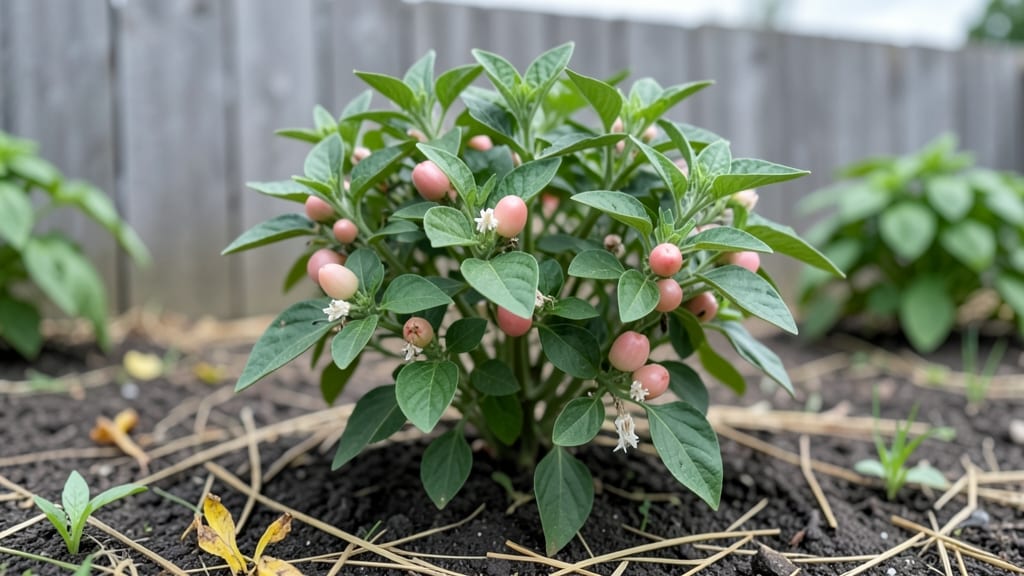
Growing allium pink pepper transforms your garden into a fragrant, edible showstopper with minimal space. 🌱 These striking purple bulbs produce both delicate flowers and spicy pink peppers—perfect for containers or small plots where every inch counts.
I planted mine last spring in a 12-inch pot, and by summer, they were thriving without crowding my patio.
The secret lies in their adaptability: they tolerate partial shade and even urban heat waves better than most alliums. Start with well-draining soil mixed with compost—these bulbs hate soggy roots—and space them 6 inches apart.
Water deeply once a week, then let the soil dry slightly between waterings. The ornamental flowers alone make them worth growing, but the peppers add a spicy kick to salads or garnishes.
By mid-summer, you’ll harvest clusters of pink peppers that look like tiny lanterns and taste like a milder, sweeter chili. The bulbs themselves stay decorative even after blooming, so you can dig them up, dry them for winter, or leave them in the ground for next year’s show.
Even my black thumb couldn’t kill these—just give them consistent water and sunlight.
Bonus: they repel pests naturally, so nearby plants benefit too. Whether you’re growing for food, flowers, or both, these alliums deliver year after year with almost no fuss. Here’s how to make the most of your harvest—from planting to preserving those peppers.
📚 In This Guide
- What you need
- Instructions
- Tips and common mistakes
- Wrapping up and next steps
What you need
- ● Allium pink pepper seeds or bulbs: 3–5 (for a small harvest) or 10+ (for larger yields). Choose high-quality, disease-free stock from a reputable supplier.
- ● Well-draining potting mix: 2–3 gallons (for containers) or a blend of compost, perlite, and garden soil (for in-ground planting). Aim for a pH of 6.0–7.0.
- ○ Containers (optional but ideal for small spaces): 5–7-inch diameter pots (per plant) with drainage holes.
- ● OR a raised bed (at least 12 inches deep).
- ● Slow-release fertilizer: Balanced (10-10-10) or allium-specific, mixed into the soil at planting.
- ● Watering can or hose with a gentle spray nozzle.
- ● Pruners or sharp scissors: For trimming foliage or harvesting.
- ○ Mulch (optional but helpful): Straw or shredded leaves to retain moisture and suppress weeds.
- ● Sunlight: A spot with full sun (6+ hours daily). Partial shade works in hot climates.
- ● Climate: Plant after the last frost when soil temps reach 50°F (10°C). Thrives in USDA Zones 4–9.
- ● Spacing: 6–12 inches apart (containers) or 12–18 inches (in-ground).
- ● Patience: Bulbs take 2–3 years to mature fully for optimal harvests!
- ● Epsom salt (for magnesium boosts during growth).
- ● Compost tea (for nutrient-rich soil).
- ● Pest deterrents (neem oil or diatomaceous earth).
- ● Support stakes (if stems grow tall and need propping).
Step-by-step instructions for growing allium pink pepper
Here’s how to cultivate these striking edible ornaments—whether you’ve got a tiny balcony or a small garden patch.
🌱 Step 1: Choose the Right Location and Prepare Soil
Allium pink pepper thrives in full sun—at least 6 hours daily—but tolerates light shade in hot climates. If growing in containers, place them where they’ll get morning sun and afternoon shade to prevent wilting. The soil should be well-draining but rich in organic matter; amending with compost ensures nutrients for those bold, papery blooms.
Use a mix of 50% garden soil, 30% compost, and 20% perlite for loose, airy roots. Avoid heavy clay—it’ll suffocate the bulbs. If planting in-ground, dig a hole twice as wide as the bulb but only 1 inch deeper than the bulb’s height. Pink peppers dislike soggy feet, so raise beds or pots slightly if your area drains poorly.
🪴 Step 2: Plant Bulbs at the Right Depth and Spacing
Set bulbs pointy side up (like an onion) in early spring, about 4-6 weeks before your last frost. Space them 6 inches apart in-ground or 4 inches apart in containers. Planting too close crowds roots, leading to smaller blooms. In containers, use one bulb per 6-inch pot—they’ll need room to swell over the season.
Cover bulbs with 1-2 inches of soil—no deeper, or they’ll rot. Gently firm the soil around them to remove air pockets. Water lightly after planting to settle the soil, but avoid soaking it. You’ll see shoots emerge in 2-3 weeks, signaling success. If planting in fall for winter blooms, do it 6-8 weeks before first frost in your zone.
☀️ Step 3: Water and Fertilize for Strong Growth
Water once a week after planting, then every 5-7 days once shoots appear—enough to moisten 2-3 inches of soil. Overwatering causes bulb rot, while underwatering stunts blooms. You’ll know it’s right when the soil feels damp but not soggy at the base. Mulch with 1 inch of straw to retain moisture and suppress weeds, but keep mulch 2 inches away from bulb bases to prevent rot.
Feed with a balanced 10-10-10 fertilizer when shoots reach 4 inches tall, then again when flower stalks appear. I use ½ teaspoon per bulb mixed into the soil. Stop fertilizing once blooms form—too much nitrogen late in the season weakens stems, causing them to flop under the weight of those dramatic, pepper-shaped flowers.
✂️ Step 4: Deadhead and Extend the Season
Once blooms fade, snip spent flowers ½ inch above the bulb to encourage a second flush. You’ll often get a smaller but equally striking round of blooms 4-6 weeks later. If growing for ornamental value, leave a few seed pods to dry on the plant—they’re edible and add a mild onion-pepper flavor to dishes.
In warm climates, pink peppers rebloom year after year. In colder zones, dig up bulbs after foliage yellows, let them dry for a week, then store in a cool, dark place (like a mesh bag in the fridge). Replant next spring—they’re perennials that reward patience with bold, repeat performances.
🌿 Step 5: Harvest and Preserve the Blooms
Pick blooms when fully open but before they wilt—usually in late spring to early summer, depending on your climate. Use clean scissors to cut stems at a 45-degree angle for better water uptake if arranging. Store stems in a vase with 1 inch of water and change it daily; they last 5-7 days as cut flowers.
For drying, bundle stems and hang upside down in a dark, well-ventilated space for 2-3 weeks. Once crisp, remove individual blooms and store in an airtight container. These dried peppers make stunning garnishes, infuse oils, or add a subtle kick to salt blends. I like to mix them with flakes of pink Himalayan salt for a dramatic, edible centerpiece.
Tips & tricks for growing allium pink pepper
These simple tricks will help you grow vibrant, long-lasting pink pepper blooms that’ll turn heads in any garden or container.
Sunlight Strategy: The 6 hours of daily sun is non-negotiable for those showstopping blooms, but here's the thing: morning sun is your best friend. Place your containers where they'll get bright morning rays and gentle afternoon shade—this prevents the delicate blooms from wilting in hot afternoon sun. If you're in a hot climate, a bit of afternoon shade can actually extend your blooming season by preventing stress on the plants.
Soil Mix Secret: That 50-30-20 soil mix (garden soil, compost, perlite) is perfect, but don't just eyeball it. Use a kitchen scale to measure your compost and perlite—even a small variation can affect drainage. I've found that adding a handful of coarse sand to the mix helps prevent compaction in containers, which is especially important for those shallow-rooted bulbs. Trust me on this: proper drainage is what keeps those bulbs from rotting.
Planting Precision: When planting in containers, use one bulb per 6-inch pot—this gives roots enough room to spread without competing. Here's what nobody tells you: if you're using larger containers, space multiple bulbs 4 inches apart but never more than 3 bulbs per container. Overcrowding leads to smaller blooms and weaker stems that can't support those dramatic pepper-shaped flowers. The key is giving each bulb its own space to swell over the season.
Watering Wisdom: That "damp but not soggy" soil rule is critical, but here's how to test it: stick your finger 2 inches into the soil. If it feels cool and moist at that depth, you're golden. If it's dry, water until it runs out the drainage holes. I've learned this the hard way—overwatering is the #1 reason pink pepper bulbs fail. And remember, containers dry out faster than in-ground plantings, so check them more frequently, especially in hot weather.
Pro Tips for Allium Pink Pepper
- These simple tricks will help you grow vibrant, long-lasting pink pepper blooms that’ll turn heads in any garden or container.
- Sunlight Strategy: The 6 hours of daily sun is non-negotiable for those showstopping blooms, but here's the thing: morning sun is your best friend.
- Soil Mix Secret: That 50-30-20 soil mix (garden soil, compost, perlite) is perfect, but don't just eyeball it.
Frequently asked questions
Got questions about growing Allium pink pepper? You’re not alone!
Here are some of the most common queries—and their answers—to help you cultivate these vibrant, edible beauties with confidence.
Can Allium pink pepper grow in containers or small spaces?
These plants thrive in containers as long as the pot is at least 12 inches deep and has good drainage. Use well-draining soil and place them in a spot with full sun (6+ hours/day). Just ensure the container is wide enough for multiple bulbs (6+ inches apart) if you want a fuller harvest.
How long does it take for Allium pink pepper to produce flowers?
With patience, you’ll see pink pom-pom blooms in about 60–90 days from planting (if started from bulbs in early spring). If grown from seed, expect a longer wait—1–2 years—since they take time to establish. Pro tip: Deadhead spent blooms to encourage more flowers!
Are the flowers edible, and how do I use them?
Yes! The pink, papery petals are edible and add a mild onion-garlic flavor with a crunchy texture. Use them fresh in salads, as garnishes for cocktails, or sprinkled on pasta and soups. Dried flowers can also be used like peppercorns for a subtle kick.
What pests or diseases should I watch for?
These plants are generally low-maintenance, but keep an eye out for aphids, slugs, or onion flies. If you spot pests, use neem oil or insecticidal soap for organic control. Overwatering can lead to bulb rot, so ensure soil stays evenly moist but not soggy.
Do Allium pink pepper bulbs come back every year?
Yes! They’re perennial in USDA zones 5–9 and will regrow each spring if left undisturbed. In colder climates, mulch the base in winter for protection. Bonus: Over time, they’ll multiply and create stunning clusters of blooms!
What can I plant with Allium pink pepper for a companion garden?
They’re fantastic companions for herbs (thyme, rosemary), lettuce, or carrots—their height deters pests while adding beauty. Avoid planting near alliums (onions, garlic) to prevent cross-pollination if you’re saving seeds. Pro tip: Pair them with lavender or marigolds for a fragrant, pest-resistant border!
Wrapping up and next steps
Growing allium pink pepper is a rewarding adventure that brings bold flavor and striking visuals to your small garden or containers! With the right care—sunlight, well-draining soil, and patience—you’ll soon enjoy a harvest of Schinus molle’s signature pink berries.
Whether you’re a seasoned gardener or just starting, these tips make it easy to cultivate a thriving plant.
Ready to elevate your homegrown flavors? Start with a single plant today—your taste buds (and dinner guests!) will thank you. 🌱✨