
Shrubs
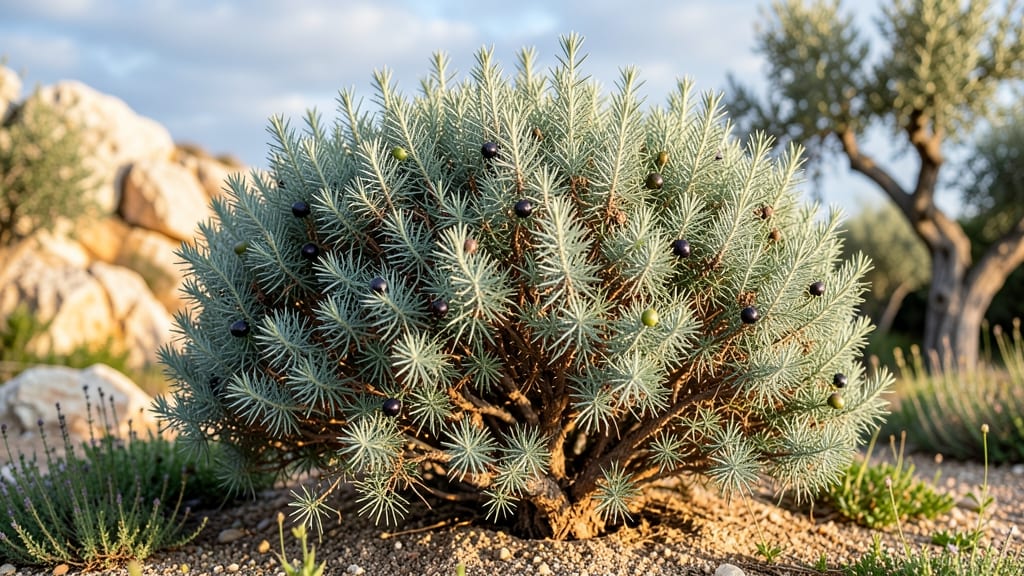
Growing Andorra juniper (Juniperus thurifera) brings rugged alpine beauty to your garden with its striking silver-blue foliage and drought-defying resilience. 🌿 This hardy shrub thrives in rocky soils and full sun, making it perfect for slopes, borders, or alpine gardens where few plants survive.
Its fragrant needles even inspired the name of Andorra’s famous cocktail shrub—but the plant itself is far more than a garnish. The secret to success lies in mimicking its natural habitat: well-draining soil, minimal water once established, and protection from winter winds.
Plant in spring or fall when roots can settle before extreme temperatures. Prune lightly after flowering to maintain shape, but avoid heavy cuts—this juniper prefers its natural, windswept silhouette.
Within 3-5 years, you’ll have a mature shrub reaching 10-15 feet tall, its branches heavy with pine-scented needles that repel deer and attract pollinators. The silvery-blue foliage turns golden in winter, adding year-round interest. For best results, group with other drought-tolerant alpines like lavender or sedum.
Works beautifully in USDA Zones 5-8, though it handles colder snaps better than most junipers. Ideal for low-maintenance landscapes, erosion control, or as a focal point in rock gardens. Ready to grow yours?
📚 In This Guide
- What you need
- Instructions
- Tips and common mistakes
- Wrapping up and next steps
What you need
- ● Fresh juniper berries: ½ cup (about 50–60 berries). Pro tip: For extra depth, lightly crush a few berries with a mortar and pestle!
- ● Organic apple cider vinegar: 1 cup (raw, unfiltered preferred for tang).
- ● Honey or maple syrup: ½ cup (adjust to taste—Andorra’s alpine sweetness shines here!).
- ● Fresh rosemary sprigs: 2–3 (for herbal harmony).
- ○ Orange peel: 1 strip (zest only, no pith). Optional: Add a pinch of cinnamon for warmth!
- ● Clean 16-ounce glass jar (with lid) or airtight container.
- ● Fine-mesh strainer or cheesecloth.
- ● Wooden spoon or spatula (for stirring).
- ○ Optional: Food processor (for quick berry crushing).
- ○ Optional: Funnel (for easy jar filling).
- ● Patience! Let the shrub steep for at least 2 weeks (longer = deeper flavor).
- ● Cool, dark storage space (like a pantry).
- ● Food-safe storage container for finished shrub (if transferring).
How to grow and maintain an Andorra juniper shrub
Transform your landscape with this hardy, aromatic evergreen that thrives in rugged conditions.
🌱 Step 1: Select the Perfect Planting Site
The Andorra juniper (Juniperus communis 'Andorra') loves full sun—at least 6 hours daily—and tolerates poor, dry soil better than most shrubs. I always choose a spot with south or west exposure first, as these plants struggle in deep shade. Test your soil by squeezing a handful: if it stays clumped, amend with sand or grit to improve drainage.
This juniper handles rocky, alkaline, or acidic soil, but it despises soggy roots. If your yard stays damp, plant on a slight mound or in a raised bed. I’ve seen these shrubs thrive in USDA zones 3-8, making them ideal for cold climates where other plants fail.
🪴 Step 2: Plant with Proper Spacing and Soil Prep
Dig a hole twice as wide as the root ball but only as deep. The Andorra juniper’s roots are shallow, so avoid burying the base too deeply. Mix the excavated soil with 1 part compost (if your soil is poor) and a handful of sand to prevent compaction. Place the shrub so the top of the root ball sits 1 inch above ground level—this prevents rot during heavy rains.
Space plants 3-4 feet apart for a dense hedge or 6-8 feet apart if you want them to mature into standalone specimens. I always water deeply right after planting to settle the soil around the roots, but resist the urge to overwater—this juniper’s native to dry climates.
☀️ Step 3: Water and Mulch for Long-Term Success
For the first 2 weeks, water deeply every 3-4 days until the soil is 6 inches moist—check by inserting a finger. After that, water only when the top 2 inches of soil feel dry, which might be once every 2 weeks in hot summers. Overwatering is the fastest way to kill this shrub, so let the soil dry between waterings.
Apply 2-3 inches of mulch (pine straw or gravel) around the base, keeping it 3 inches away from the trunk to prevent rot. Mulch conserves moisture and regulates soil temperature, which is crucial in hot climates. I avoid organic mulches like wood chips—they can compact and suffocate roots over time.
✂️ Step 4: Prune for Shape and Health
Prune in late winter or early spring before new growth starts. Use clean, sharp shears to trim back 1/3 of the oldest growth each year to encourage dense, bushy growth. The Andorra juniper responds well to shaping, so I often give it a rounded or columnar form for a polished look.
Remove any dead, diseased, or crossing branches first—this improves airflow and prevents fungal issues. Avoid heavy pruning in fall, as new growth won’t harden off before winter. If you’re growing this for its piney aroma, avoid over-pruning the foliage, as the needles release their signature scent when crushed.
🌿 Step 5: Maintain for Year-Round Beauty
Fertilize once in early spring with a balanced, slow-release fertilizer (10-10-10). This juniper doesn’t need much, but a light feeding encourages vibrant growth. I skip fertilizers in the second year unless the plant looks weak. Watch for spider mites or scale insects—spray with neem oil if you spot webbing or sticky residue on the needles.
The Andorra juniper’s silvery-blue foliage stays evergreen year-round, making it a standout in winter landscapes. In late summer, small berry-like cones appear, adding texture and interest. These cones are edible (when cooked) and prized in cocktails and marinades, but birds will eat them if left unprotected.
Tips & tricks for perfect Andorra juniper shrub growth
These hard-won insights will help you coax the most vibrant, aromatic growth from your Andorra juniper—without the common pitfalls that trip up even experienced gardeners.
Sunlight Strategy: While the instructions mention 6 hours of full sun daily, I've found that south-facing locations actually deliver the most consistent results. If you're in a slightly shadier climate, supplement with a grow light for 2-3 hours daily during winter months when daylight diminishes. The silvery-blue foliage needs maximum light to maintain its signature color and potent aroma.
Soil Science: The shallow root system means drainage is non-negotiable. I always test soil moisture by inserting a finger 6 inches deep—if it feels damp after 2 weeks, you're overwatering. For clay-heavy soils, mix in equal parts sand and native soil when planting. This creates the perfect porous medium that mimics the juniper's natural rocky habitats.
Pruning Precision: When trimming back 1/3 of the oldest growth in late winter, focus on the inner branches first. These older stems often develop woody cores that won't regenerate properly. Use bypass pruners for clean cuts—avoid anvil pruners which crush stems and invite disease. The result? A denser shrub with more aromatic foliage for your culinary uses.
Harvesting Hack: For maximum piney flavor in cocktails and marinades, harvest younger needles from the current season's growth. They contain more essential oils than older needles. Simply pinch off sprigs (about 1/4 cup makes 1 cup infused liquid) and bruise them slightly between your fingers before adding to recipes—this releases the aromatic compounds instantly.
Pro Tips for Andorra Juniper Shrub
- These hard-won insights will help you coax the most vibrant, aromatic growth from your Andorra juniper—without the common pitfalls that trip up even experienced gardeners.
- Sunlight Strategy: While the instructions mention 6 hours of full sun daily, I've found that south-facing locations actually deliver the most consistent results.
- Soil Science: The shallow root system means drainage is non-negotiable.
Frequently asked questions
Got questions about crafting your own Andorra Juniper Shrub? You’re not alone! Here are some common queries—and their answers—to help you nail this piney, citrusy elixir every time.
What’s the best ratio of juniper berries to citrus for this shrub?
The classic ratio is 1:1:1—juniper berries, citrus (like lemon or orange), and sugar (or honey). For 2 cups of berries, use 2 cups of citrus juice and 2 cups of sugar. Adjust to taste: more berries = stronger pine flavor; less = milder aroma.
How long should I steep the juniper berries before straining?
Steep the berries for 24–48 hours in warm (not boiling) liquid to extract maximum piney oils without bitterness. Strain through a fine-mesh sieve or cheesecloth. Pro tip: If the flavor is too intense, dilute with a splash of water or citrus juice.
Can I use this shrub in cocktails and marinades? Yes—but how?
Cocktails:
Stir 1–2 tbsp into gin-based drinks (like a shrub Old Fashioned) or sparkling water for a refreshing sipper. Marinades: Mix 3 tbsp shrub with olive oil, garlic, and herbs for a bold, aromatic marinade (great for grilled chicken or pork!).
What if my shrub tastes bitter or overly piney?
Bitter? You likely over-steeped the berries—try reducing steep time to 12–18 hours next time. Too piney? Balance it with more citrus juice or honey** (1 tbsp at a time). For a smoother finish, add a pinch of salt or a splash of vanilla extract.
How should I store leftover shrub?
Transfer to a clean, airtight jar and refrigerate for up to 2–3 months. The flavors deepen over time! If mold appears or the scent fades, toss it. Freeze in ice cube trays for longer storage—just thaw before using.
Wrapping up and next steps
Incorporating the Andorra juniper shrub into your culinary adventures is a game-changer—whether you're elevating cocktails with its piney charm or infusing marinades with depth. This versatile shrub is your secret weapon for adding complexity and a hint of the Pyrenees to any dish. Now’s the time to experiment!
Ready to take your flavors to the next level? Start small: try it in a classic gin and tonic or drizzle it over grilled meats. Then, let your creativity run wild—this shrub is your canvas! 🌿✨